
Friday, 12 June 2026 05:18 Algiers time
Algeria Gate
Share this post

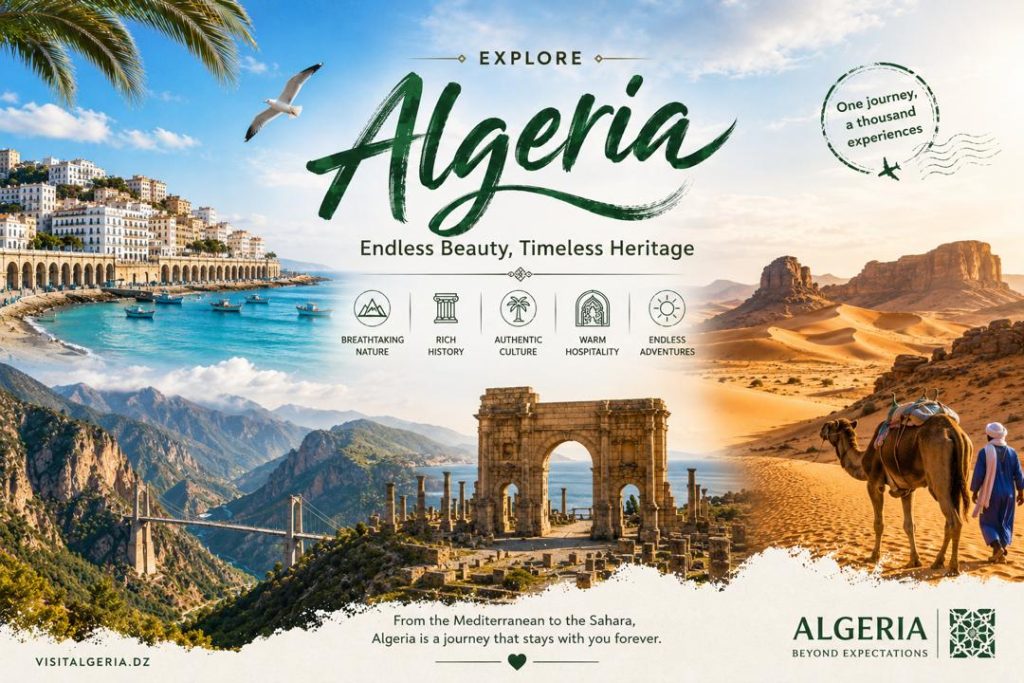
Before the World Finds Out: Discover Algeria Now

Published on 4 June 2026 at 11:29 (local time) Author: yasmine ouazib 0 comments 24 views
Before the World Finds Out: Discover Algeria Now

Why Algeria?

Before Algeria firmly enters global travel lists, it still belongs to a rare category: a country not yet overexposed, with limited visibility but substantial depth. It is not a destination for quick consumption, but an experience that requires time.

In Kabylia, green mountains stretch across sharp terrain, with villages embedded into rock. The landscape is not curated it is the result of continuity. Language, music, and traditions have endured beyond superficial influence.
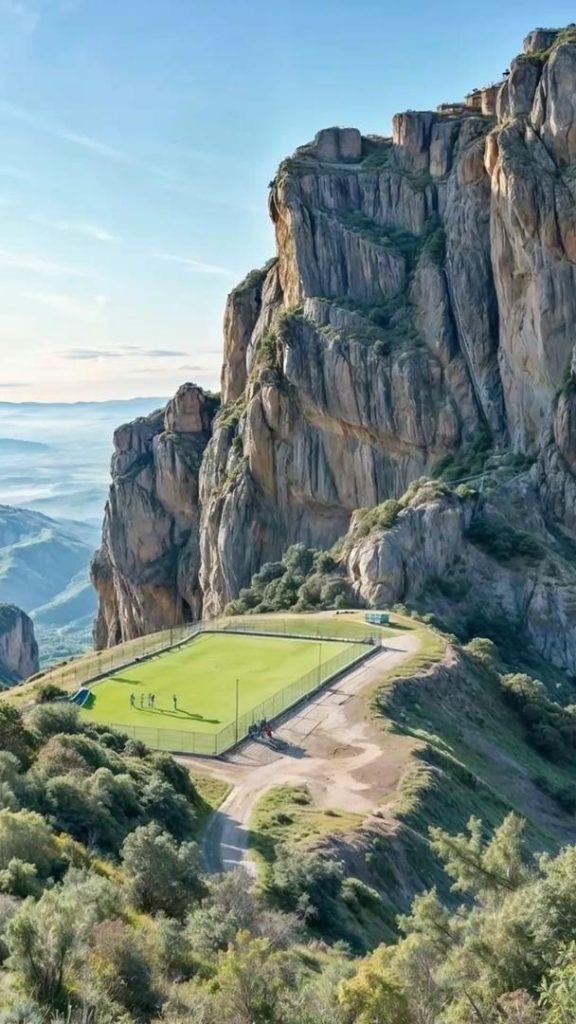
Then the scene shifts entirely.

In the south, the Sahara asserts itself without transition: vast openness, silence, and a scale that exceeds the familiar. In Tassili n’Ajjer, prehistoric rock art and geological formations place the region among the world’s most significant references for early human expression, often compared to non-terrestrial environments.
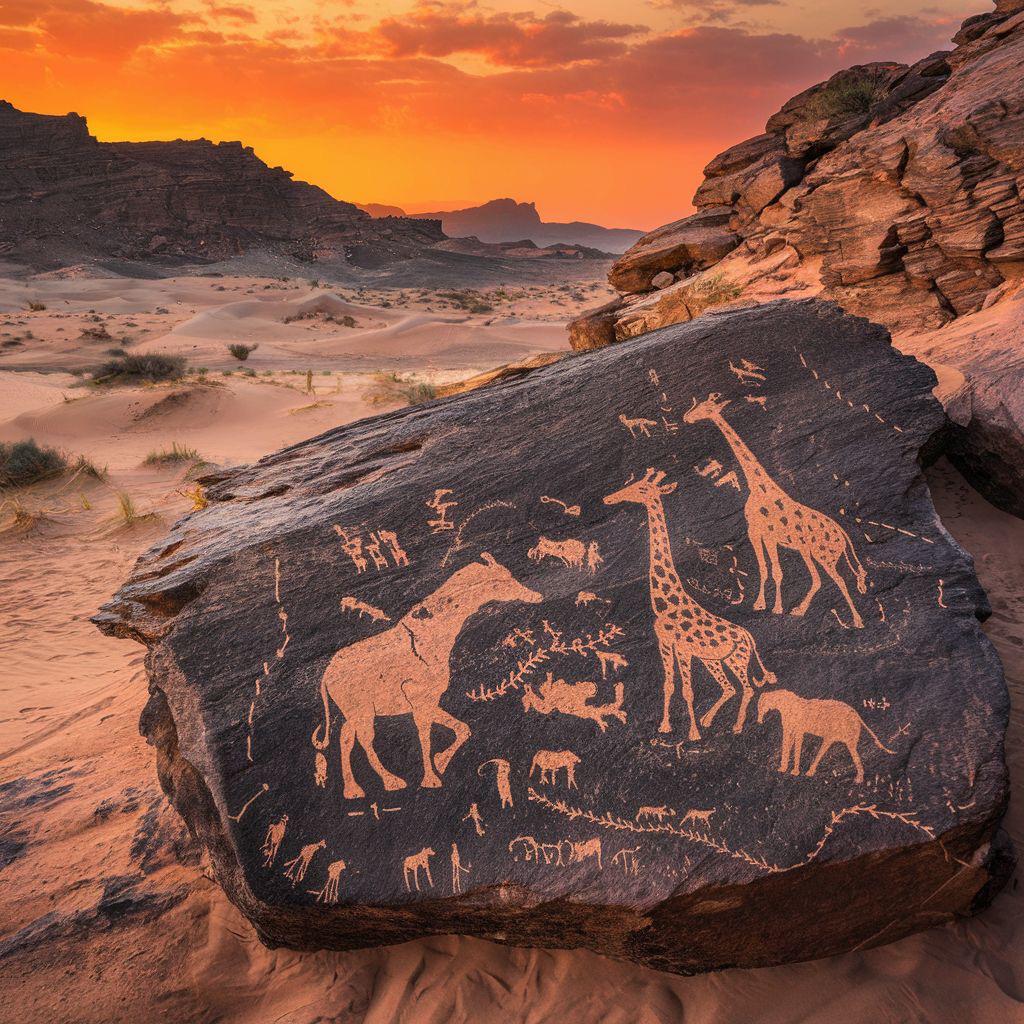
This sharp contrast between the density of the north and the openness of the south defines Algeria’s distinctiveness.

Algiers, The Casbah

Algiers is not a static city.

The Casbah, a UNESCO World Heritage Site, forms a dense urban fabric of narrow alleys, facades, and layered history. It is not preserved as a relic, but lived as a space. Movement, daily life, and memory coexist within it.

https://twitter.com/algatedz/status/2046598134789210562?s=20

Above it, the city opens toward the Mediterranean balconies, colonial-era architecture, and constant proximity to the sea. It is unpolished, dynamic, and grounded in reality.

https://twitter.com/algatedz/status/2046598134789210562?s=20

Culture: Sound, Craft, and Identity

Algeria’s identity extends beyond geography into sound, craft, and everyday expression.

Raï music, originating in the west, evolved from local storytelling into a global genre. Its strength lies in its directness emotional, raw, and connected to real life, without losing its roots even as it crossed borders.

Craftsmanship reflects the same depth. Traditional geometric patterns and tilework, often associated with Maghrebi zellige, appear across architecture in homes, mosques, and courtyards. Precision and repetition are not decorative choices alone, but part of a long-standing visual language.

https://twitter.com/algatedzEng/status/2059172249421173093/video/1?s=46
https://twitter.com/algatedzEng/status/2058144398592864657/video/1?s=46

Clothing carries regional identity. From the structured elegance of the karakou in Algiers to richly embroidered garments across different places, traditional attire reflects history through fabric, detail, and design. Each region speaks through what it wears.

Hospitality: A Natural Constant

What remains with visitors is not only what they see, but how they are received.

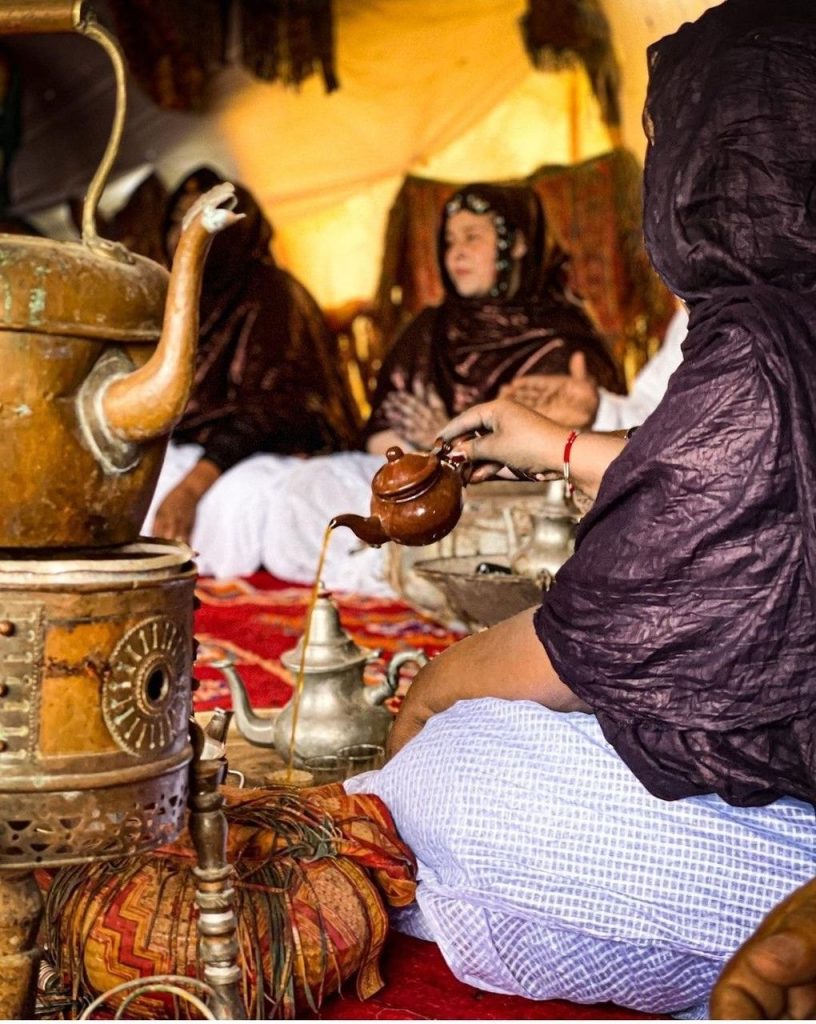
Hospitality in Algeria is immediate and unforced. A guest is offered food before questions, a place before introductions. Whether in Kabylia, the Sahara, or urban centers, the principle is consistent: guest presence is responsibility ,not a choice

This is not a constructed experience for tourism, but a social constant.
Food: A Direct Expression of Culture

Algerian cuisine reflects its environment and history without exaggeration.

In Kabylia, couscous prepared with olive oil and seasonal ingredients reflects continuity and simplicity. In the north, dishes such as chorba frik and rechta bring together multiple cultural influences within a cohesive identity.

In the Sahara, food reflects adaptation In the Sahara, food reflects adaptation mechoui and traditional bread prepared in sand or fire illustrate a cuisine shaped by environment rather than presentation.
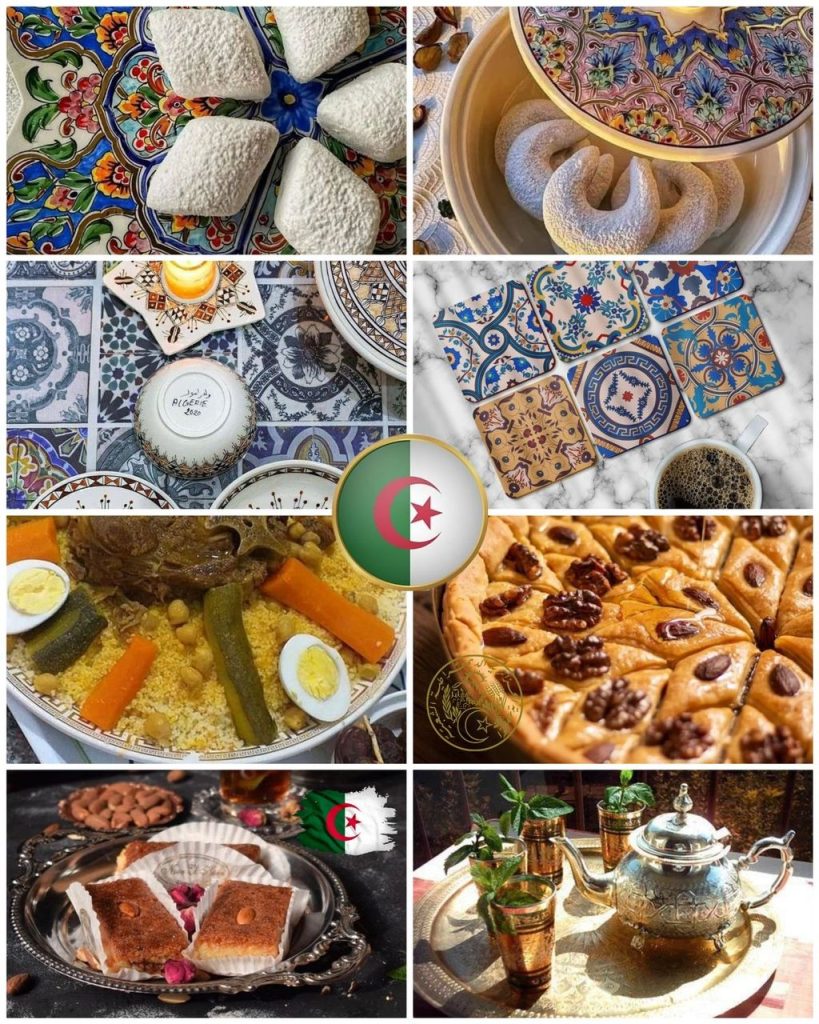
It is not designed for display, but for meaning.

Algeria does not compete for attention and that is precisely what sets it apart.

While many destinations have been reshaped to meet expectations, Algeria remains grounded in its own rhythm. It offers space, depth, and continuity in a way that is increasingly rare.

And when global attention finally turns toward it, the question will not be what makes it worth visiting but why it was overlooked for so long.


Author
yasmine ouazib

Leave a comment

Your email address will not be published. Required fields are marked *

African coast
Share this post

Algeria Conquer Rotterdam A Night That Shook Europe

Algeria Conquer Rotterdam A Night That Shook Europe

In a night that will echo through football history, Algeria walked into the heart of Rotterdam, into the home of one of Europe’s most decorated nations, and left with something priceless a ruthless, composed, and utterly dominant victory that silenced an entire country.

This was not a lucky win. This was not a smash-and-grab. This was a statement.

A Performance Built on Steel and Belief

From the first whistle, Algeria came not to survive they came to win. While the Dutch crowd expected their side to steamroll the Desert Warriors, Algeria had other plans entirely. Compact, disciplined, ferocious in the press, and razor-sharp on the counter they suffocated the Netherlands in their own backyard, stripping them of rhythm, confidence, and identity.

The Dutch, accustomed to controlling games on home soil, found themselves chasing shadows. Every attack was met with a wall. Every attempt to impose their style was shut down with surgical precision. Algeria didn’t just defend they dominated the tempo of the entire match.

86 Minutes. One Man. One Moment of Pure Genius.

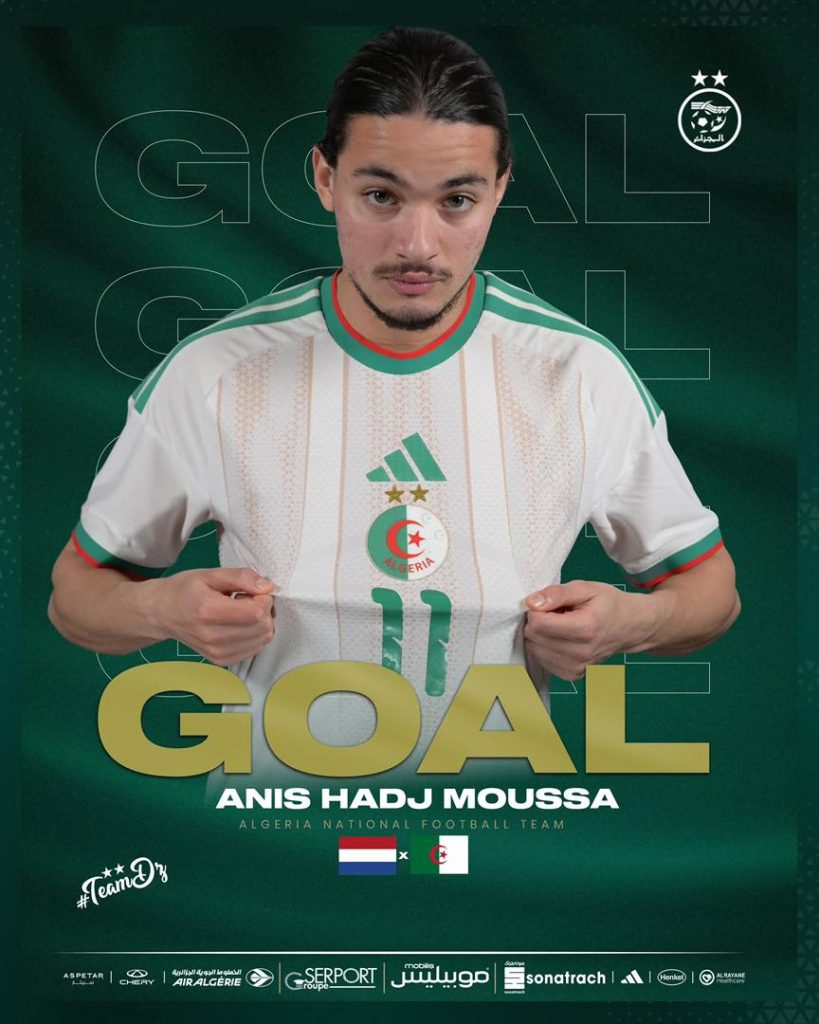
When the moment came, it came through Anis Hadj Moussa a name that every European scout will now scramble to write down.

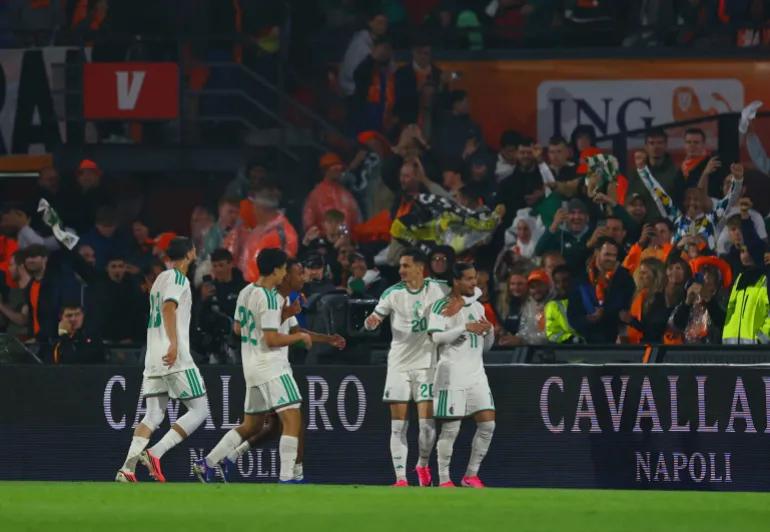
86th minute. Pressure at its absolute peak. The weight of a nation on his shoulders. And yet he was ice. He picked up the ball, drove forward like he owned the pitch, and unleashed a finish so clean, so precise, so devastatingly placed that the Dutch goalkeeper didn’t even have time to dream of saving it.

GOAL. ALGERIA. ROTTERDAM. CHAOS.

The Algerian bench erupted. The fans lost their minds. And somewhere in Amsterdam, Dutch football felt a cold shiver run down its spine.

The Final Whistle A Nation’s Message to the World

As the clock ticked down, Algeria didn’t panic. Didn’t sit back in fear. They managed those final minutes like a team that has done this a thousand times closing spaces, reading danger, killing the game with the calm authority of champions.

When the referee blew the final whistle, it wasn’t just a 1-0 scoreline. It was a declaration. A message broadcast to every football nation on the planet:

Algeria is here. Algeria is ready. And Algeria is dangerous.

More Than a Win A Revolution

Beating the Netherlands away from home doesn’t happen by accident. It happens when a generation of hungry, fearless, technically gifted players collide with a coach who has given them structure, belief, and an identity worth dying for on that pitch.

https://twitter.com/algatedzEng/status/2062291573971280385?s=20

Hadj Moussa is not an anomaly he is the symbol of a new Algeria. Young. Bold. Clutch. The kind of player who rises when the lights are brightest and the stakes are highest.

The Desert Warriors didn’t just leave Rotterdam with three points. They left with something far more powerful

They left with fear in the eyes of their opponents.

🟢🔴🟢 One goal. One night. One nation. Algeria.

Rotterdam will remember this night. So will the world.

Author
yasmine ouazib
African coast
Share this post

Algeria at the Heart of Africa: Niamey Power Plant Reflects Growing Regional Influence

Algeria at the Heart of Africa: Niamey Power Plant Reflects Growing Regional Influence

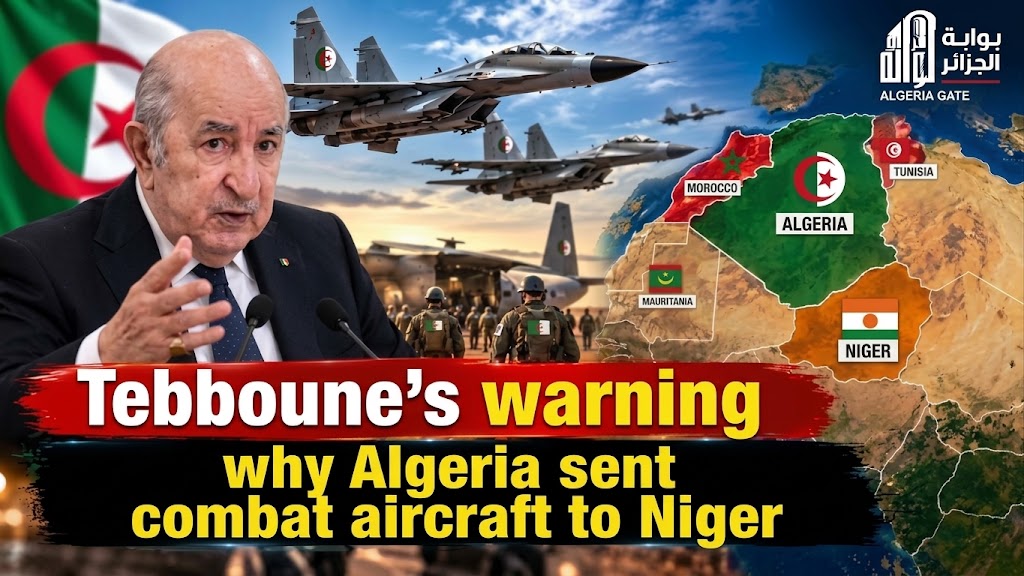
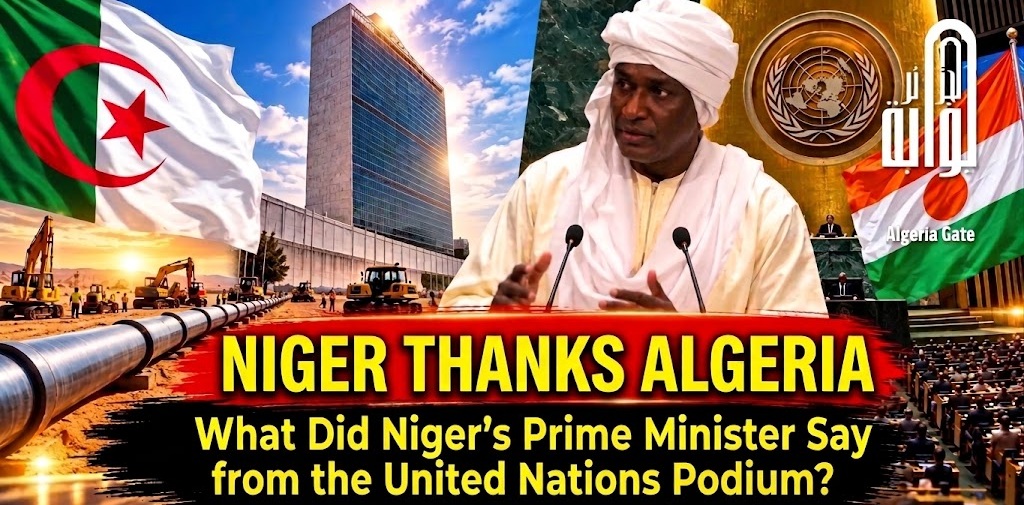
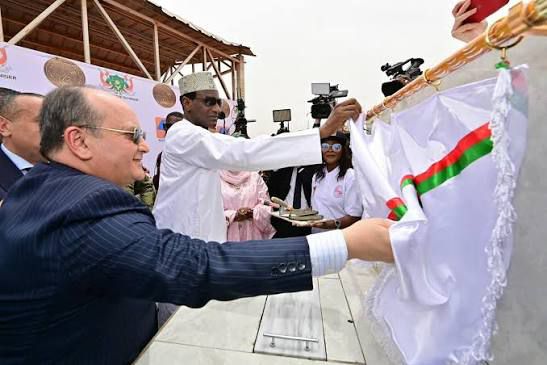
In a new step confirming Algeria’s increasingly strong positioning within its African environment, the Nigerien capital Niamey has inaugurated the “Gourou Banda” power plant with a capacity of 40 MW. The project reflects the depth of Algerian–Nigerien cooperation in the energy sector and translates Algeria’s vision based on supporting development and stability in Sahel countries.

https://x.com/algatedzEng/status/2062105903197790337?s=20

The Algerian Prime Minister, Sifi Ghrieb, alongside his Nigerien counterpart, oversaw the inauguration ceremony of this vital project, which stands as one of the clearest examples of Algeria’s foreign policy approach in Africa—focused on real, practical partnerships rather than symbolic relations, and on investing in infrastructure projects that have a direct impact on people’s daily lives.

The new power station is not just an electricity generation facility; it represents a model of technical and institutional cooperation between Algeria and Niger. It also highlights the contribution of Algerian expertise in the energy sector, particularly through national leading companies, strengthening knowledge transfer and supporting partner countries in developing their electricity production and distribution systems.

This project comes within a broader framework of Algeria’s efforts to consolidate its role as a key actor in Africa through an economic diplomacy based on tangible projects in energy, infrastructure, and training, rather than traditional political rhetoric alone.

https://twitter.com/algatedzEng/status/2062147124343554053?s=20

It is also expected to contribute to improving energy stability in Niamey and supporting local economic activity, reflecting the developmental dimension of Algerian–African cooperation and confirming Algeria’s approach to its African environment as a strategic partner rather than a temporary market.

In the context of ongoing geopolitical shifts in the Sahel region, this project further highlights Algeria’s ability to combine political influence with developmental engagement, strengthening its position as a stabilizing force and a reliable partner on the African continent.

Author
yasmine ouazib
Algeria
Share this post

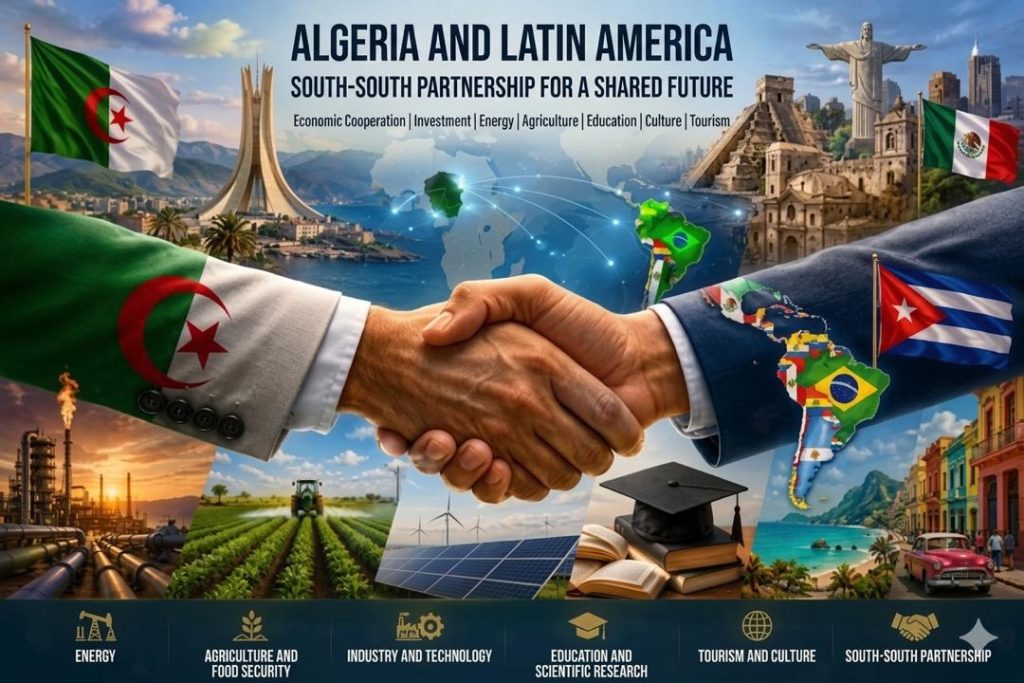
Algeria and Latin America: A South–South Partnership Preparing for a “Major Takeoff” Phase

Algeria and Latin America: A South–South Partnership Preparing for a “Major Takeoff” Phase

In a world experiencing rapid shifts toward multipolarity and the reshaping of economic influence maps, relations between Algeria and Latin American countries are gradually moving beyond the framework of “historical solidarity” into a broader space based on shared economic interests and strategic rapprochement among Global South nations.

For decades, Algeria has maintained political relations with several Latin American countries rooted in support for national liberation movements and the defense of sovereignty principles. However, current international changes are pushing both sides to explore new horizons that go beyond the political dimension toward more practical and effective economic partnerships.

A More Open Algerian Economic Diplomacy

In recent years, Algeria has adopted a new approach in its foreign policy aimed at strengthening economic partnerships and diversifying trade relations beyond traditional partners. Within this framework, Latin America stands out as a promising space, given the rise of regional powers with strong industrial, agricultural, and technological capabilities.

Algeria, as a key player in the energy market and the largest country in Africa by land area, seeks to expand its network of partners and benefit from successful experiences of Global South countries, based on a vision of mutual interests and expertise exchange.

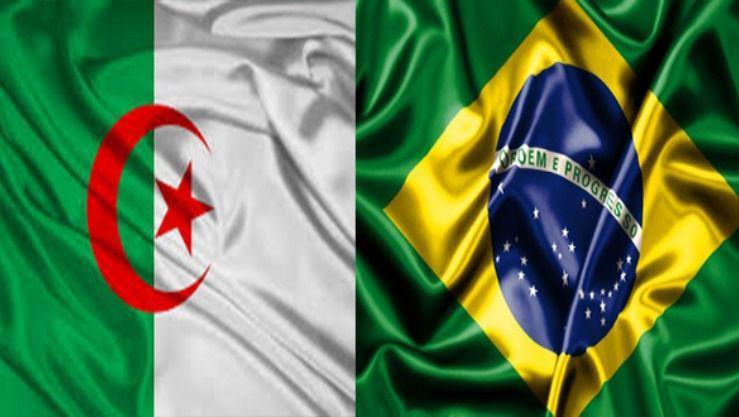
Brazil: A Strategic Economic Partner

Brazil is considered one of Algeria’s most important partners, not only because of political alignment in international organizations such as the G77 and South–South forums, but also due to its ability to offer strategic solutions in key areas:

Food security and agriculture: Brazilian expertise represents an ideal model for Algeria in developing local agricultural production, especially in modern irrigation techniques and cultivation of arid zones—areas that Algeria urgently needs in its inland and southern regions.

Food industries and energy: These sectors open wide investment opportunities, particularly since Brazil has leading experience in biofuels and renewable energy—fields Algeria is also seeking to develop within its future energy strategy.

International alignment: Both countries share similar positions within the United Nations and multilateral organizations on issues such as national sovereignty and reform of the international system, providing a strong political foundation for a solid economic partnership.

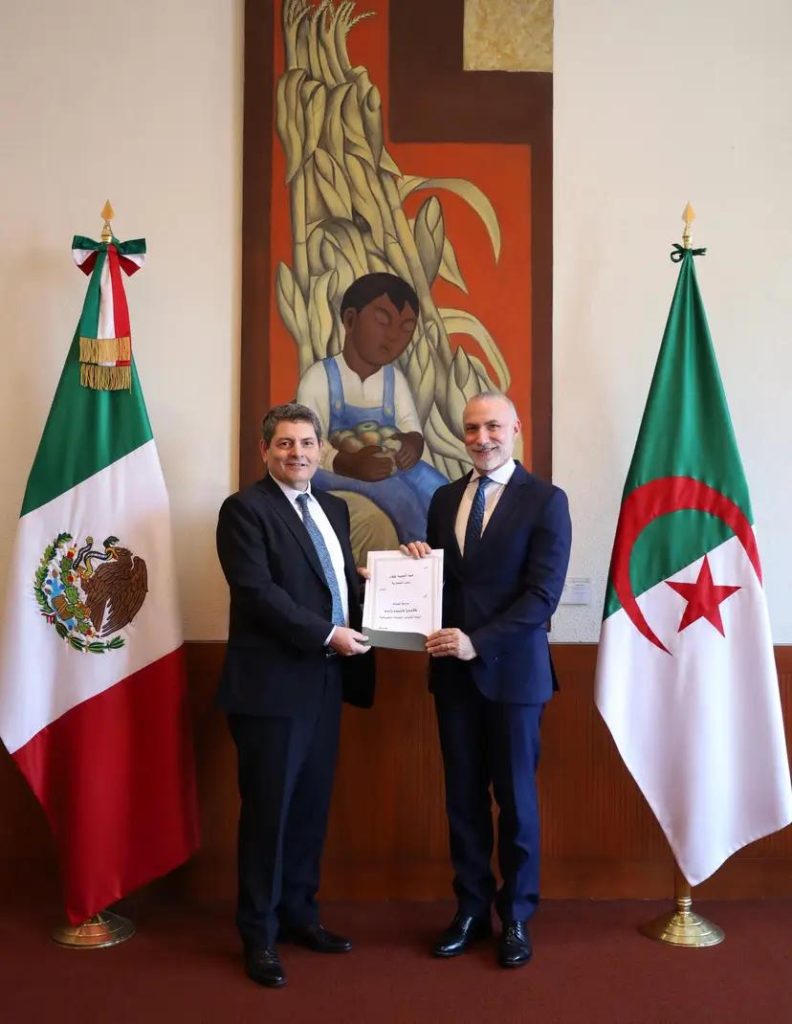
Mexico: A Gateway to Industrial and Tourism Cooperation

Mexico is a major regional industrial power and one of the most attractive economies in the Western Hemisphere, making it a multi-dimensional partner for Algeria:

Energy cooperation: Mexico’s state oil company PEMEX has long-standing experience, opening the door for technical cooperation with Algeria’s Sonatrach in exploration, petrochemicals, and gas field development.

Manufacturing industries: Mexico’s success in attracting foreign investment and building a competitive industrial base offers a model Algeria could draw from in its industrialization efforts.

A gateway to North America: Mexico provides Algeria with indirect access to the North American market through the USMCA agreement, opening new trade opportunities for Algerian products.

Mexico as a tourism destination for Algerians: On a different but important level, Algerians are increasingly discovering Mexico as an attractive destination, especially given the difficulties of obtaining European visas. Mexico does not require a prior visa for Algerian citizens, making it an accessible destination. Added to this are the appeal of ancient civilizations such as the Aztecs and Mayas, breathtaking landscapes from Caribbean beaches to tropical forests, and one of the richest cultural diversities in the world. This growing tourist flow acts as a genuine people-to-people bridge, strengthening ties beyond official diplomacy and paving the way for deeper economic cooperation in the future.

Author
yasmine ouazib