
Sunday, 19 July 2026 07:41 Algiers time
Algeria Gate
Share this post

The Algerian-American Partnership: A Model of Renewed Cooperation

Published on 6 June 2026 at 22:06 (local time) Author: yasmine ouazib 0 comments 85 views
The Algerian-American Partnership: A Model of Renewed Cooperation

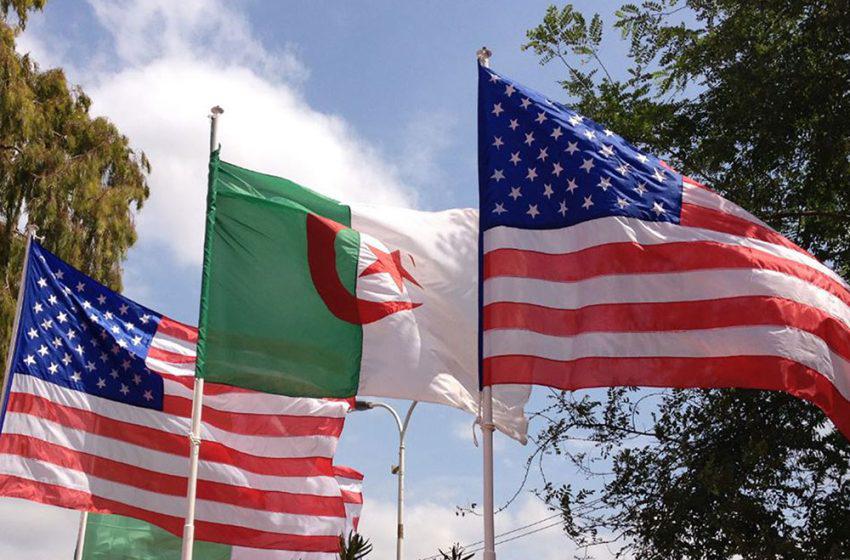
Today,THE Algerian-American relations stand at a promising crossroads, having evolved over the decades from a nascent diplomatic relationship into a well-established strategic partnership. This partnership is built upon shared political will, intertwined economic interests, and strong human connections. It represents a compelling example of how trust between nations can be cultivated through mutual respect and meaningful cooperation.

https://twitter.com/usembalgiers/status/2049180855826780185?s=46

First: Deep Roots and a Shared History

Since the United States recognized Algeria’s independence in 1962, both countries have chosen a path of dialogue and openness, overcoming the complexities of an international environment marked by geopolitical divisions. Over time, this prudent approach has proven successful, allowing layers of cooperation to accumulate and form a comprehensive relationship grounded in mutual understanding and common interests.

https://twitter.com/USEmbAlgiers/status/2056399851366097072?s=20

Second: A Security Partnership for Modern Challenges

Algeria plays a significant role in regional and international security. Since 2001, security cooperation between Algeria and the United States has developed into a genuine strategic partnership in counterterrorism, benefiting from Algeria’s extensive experience in this field. Today, this cooperation extends to issues such as stability in Libya, Mali, and Niger, as well as efforts to address irregular migration, underscoring Algeria’s importance as a key partner in promoting peace and security across North Africa and the Sahel region.
Third: Promising Economic Opportunities and Shared Growth

Algeria’s vast economic potential makes it an increasingly attractive destination for American investment. Beyond its position as a major energy producer and exporter, the country offers expanding opportunities in sectors such as renewable energy, advanced technology, and digital infrastructure. For many American companies, engagement in Algeria’s growing market represents not only a profitable opportunity but also a strategic gateway to the broader African continent.

Fourth: Human Connections and Building Future Generations

Perhaps the most enduring aspect of the Algerian-American partnership lies in the rich human exchange fostered through academic and cultural programs. Through the prestigious Fulbright Program and various youth exchange initiatives, Algeria and the United States have strengthened ties among students, researchers, and future leaders. These programs have helped cultivate a new generation of Algerian professionals who combine international experience with a strong commitment to their national values. Investing in people remains one of the most valuable and lasting outcomes of this partnership.

Fifth: An Evolving Strategic Dialogue

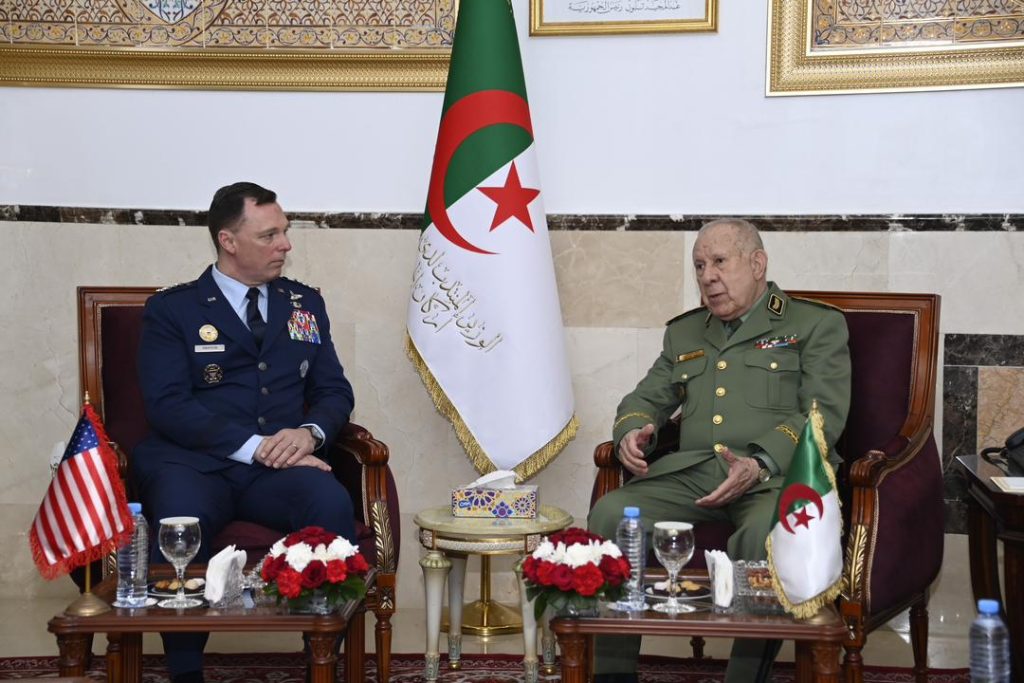
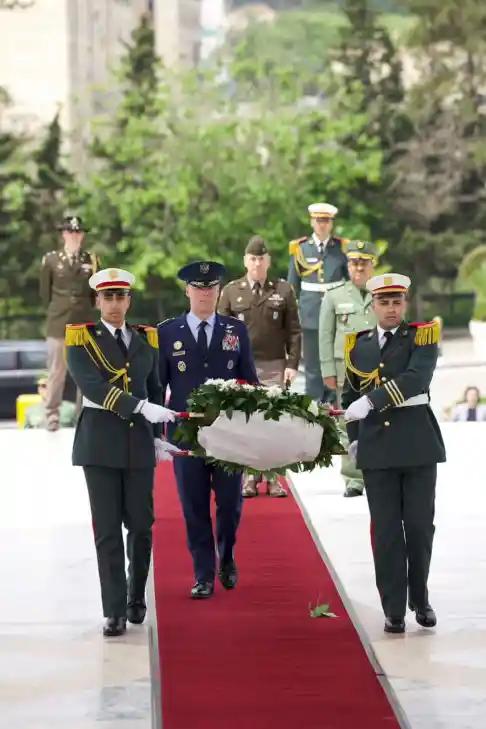
The 2026 visit of General Dagvin R. M. Anderson, Commander of U.S. Africa Command (AFRICOM), marked an important milestone in bilateral relations. His meetings with President Abdelmadjid Tebboune and senior Algerian military officials went beyond diplomatic protocol, reflecting mutual confidence and a shared commitment to elevating strategic dialogue and cooperation to new levels.
Sixth: A Partnership for a Shared Future

The achievements realized in Algerian-American relations are not an endpoint but rather a solid foundation for a deeper and more comprehensive partnership. In a world characterized by rapid geopolitical transformations and emerging challenges, Algeria and the United States possess both the capabilities and the determination to build a strategic partnership that contributes to stability, prosperity, and sustainable development for their peoples and the wider region

The Algerian-American partnership rests upon three fundamental pillars: mutual trust, shared interests, and a common vision for the future. At a time when genuine international cooperation is increasingly valuable, this relationship demonstrates how constructive diplomacy can transform common interests into enduring partnerships, challenges into opportunities, and distances into bridges of understanding and cooperation.


Author
yasmine ouazib

Leave a comment

Your email address will not be published. Required fields are marked *

African coast
Share this post

Algeria Conquer Rotterdam A Night That Shook Europe

Algeria Conquer Rotterdam A Night That Shook Europe

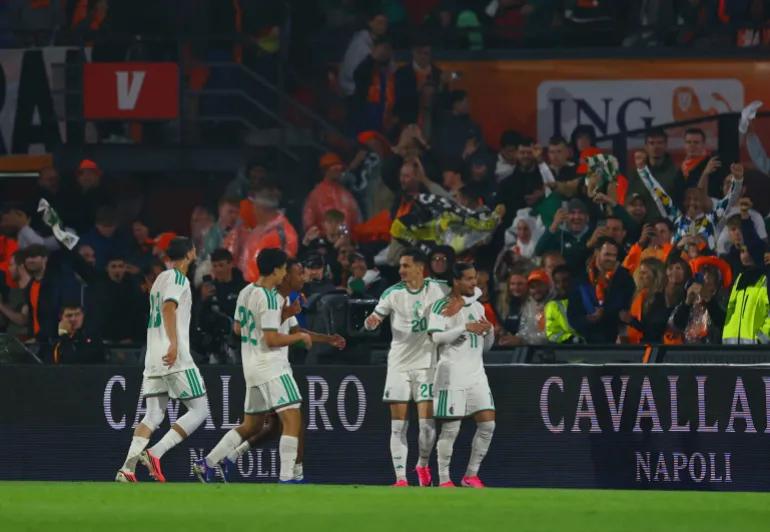
In a night that will echo through football history, Algeria walked into the heart of Rotterdam, into the home of one of Europe’s most decorated nations, and left with something priceless a ruthless, composed, and utterly dominant victory that silenced an entire country.

This was not a lucky win. This was not a smash-and-grab. This was a statement.

A Performance Built on Steel and Belief

From the first whistle, Algeria came not to survive they came to win. While the Dutch crowd expected their side to steamroll the Desert Warriors, Algeria had other plans entirely. Compact, disciplined, ferocious in the press, and razor-sharp on the counter they suffocated the Netherlands in their own backyard, stripping them of rhythm, confidence, and identity.

The Dutch, accustomed to controlling games on home soil, found themselves chasing shadows. Every attack was met with a wall. Every attempt to impose their style was shut down with surgical precision. Algeria didn’t just defend they dominated the tempo of the entire match.

86 Minutes. One Man. One Moment of Pure Genius.

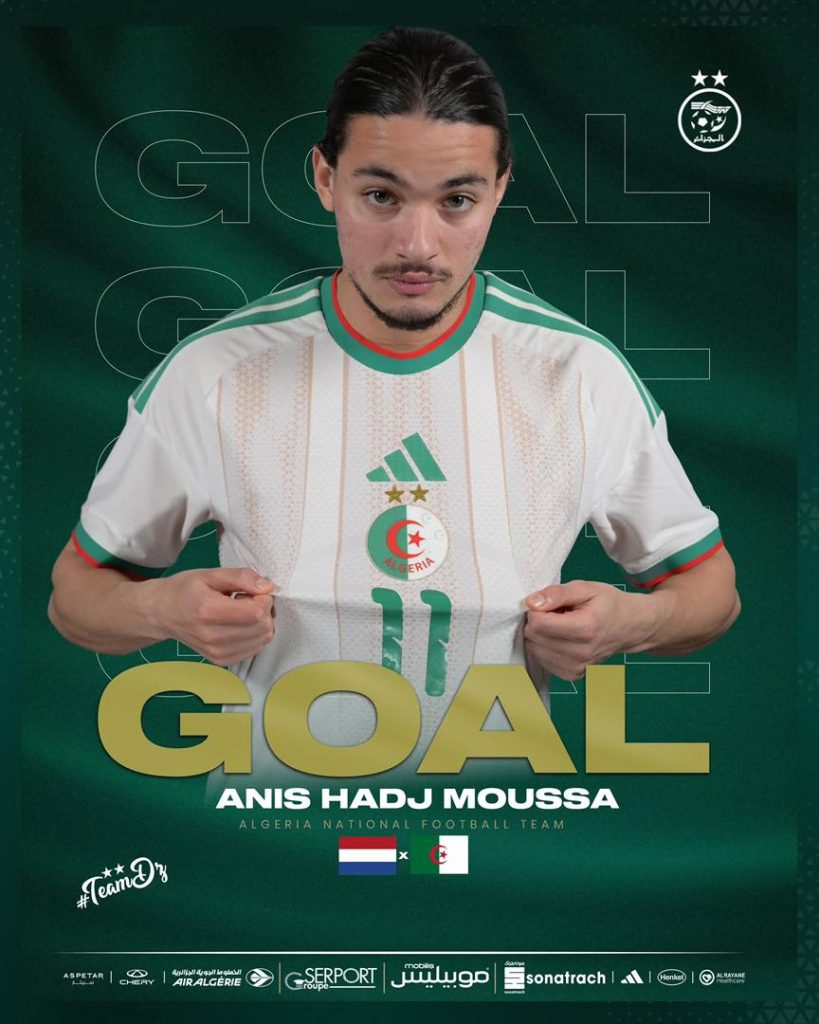
When the moment came, it came through Anis Hadj Moussa a name that every European scout will now scramble to write down.

86th minute. Pressure at its absolute peak. The weight of a nation on his shoulders. And yet he was ice. He picked up the ball, drove forward like he owned the pitch, and unleashed a finish so clean, so precise, so devastatingly placed that the Dutch goalkeeper didn’t even have time to dream of saving it.

https://twitter.com/algatedzEng/status/2062270581295259694?s=20

GOAL. ALGERIA. ROTTERDAM. CHAOS.

The Algerian bench erupted. The fans lost their minds. And somewhere in Amsterdam, Dutch football felt a cold shiver run down its spine.

The Final Whistle A Nation’s Message to the World

As the clock ticked down, Algeria didn’t panic. Didn’t sit back in fear. They managed those final minutes like a team that has done this a thousand times closing spaces, reading danger, killing the game with the calm authority of champions.

When the referee blew the final whistle, it wasn’t just a 1-0 scoreline. It was a declaration. A message broadcast to every football nation on the planet:

Algeria is here. Algeria is ready. And Algeria is dangerous.

More Than a Win A Revolution

Beating the Netherlands away from home doesn’t happen by accident. It happens when a generation of hungry, fearless, technically gifted players collide with a coach who has given them structure, belief, and an identity worth dying for on that pitch.

https://twitter.com/algatedzEng/status/2062291573971280385?s=20

Hadj Moussa is not an anomaly he is the symbol of a new Algeria. Young. Bold. Clutch. The kind of player who rises when the lights are brightest and the stakes are highest.

The Desert Warriors didn’t just leave Rotterdam with three points. They left with something far more powerful

They left with fear in the eyes of their opponents.

🟢🔴🟢 One goal. One night. One nation. Algeria.

Rotterdam will remember this night. So will the world.

Author
yasmine ouazib
African coast
Share this post

Algeria at the Heart of Africa: Niamey Power Plant Reflects Growing Regional Influence

Algeria at the Heart of Africa: Niamey Power Plant Reflects Growing Regional Influence

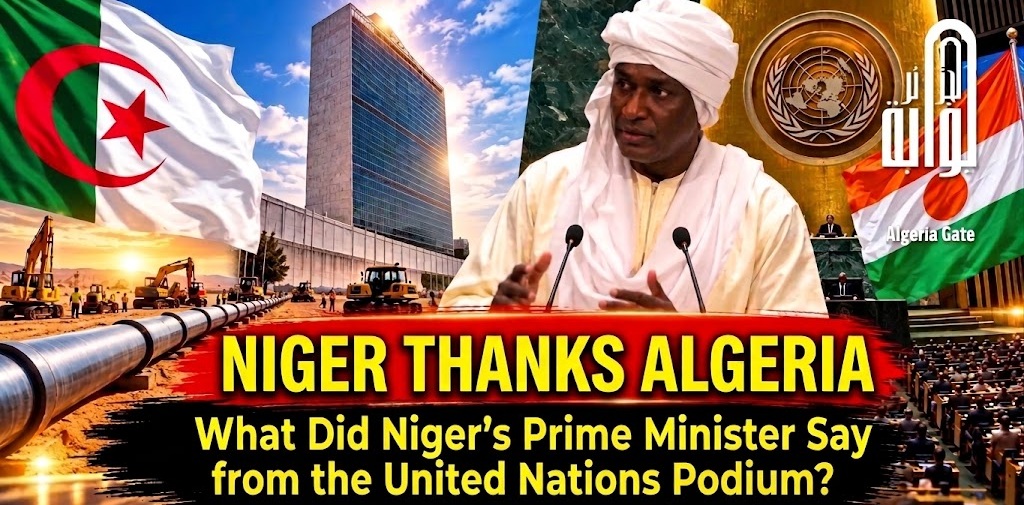
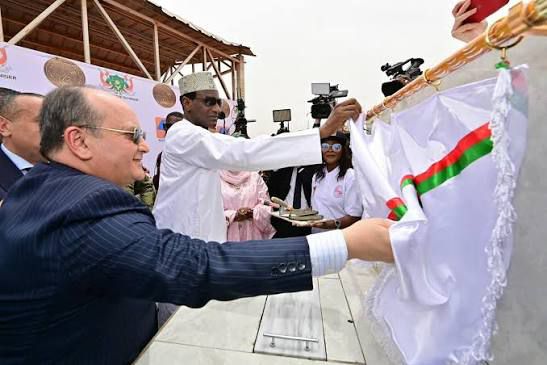
In a new step confirming Algeria’s increasingly strong positioning within its African environment, the Nigerien capital Niamey has inaugurated the “Gourou Banda” power plant with a capacity of 40 MW. The project reflects the depth of Algerian–Nigerien cooperation in the energy sector and translates Algeria’s vision based on supporting development and stability in Sahel countries.

https://x.com/algatedzEng/status/2062105903197790337?s=20

The Algerian Prime Minister, Sifi Ghrieb, alongside his Nigerien counterpart, oversaw the inauguration ceremony of this vital project, which stands as one of the clearest examples of Algeria’s foreign policy approach in Africa—focused on real, practical partnerships rather than symbolic relations, and on investing in infrastructure projects that have a direct impact on people’s daily lives.

https://twitter.com/algatedzEng/status/2062112391270162569?s=20

The new power station is not just an electricity generation facility; it represents a model of technical and institutional cooperation between Algeria and Niger. It also highlights the contribution of Algerian expertise in the energy sector, particularly through national leading companies, strengthening knowledge transfer and supporting partner countries in developing their electricity production and distribution systems.

This project comes within a broader framework of Algeria’s efforts to consolidate its role as a key actor in Africa through an economic diplomacy based on tangible projects in energy, infrastructure, and training, rather than traditional political rhetoric alone.

https://twitter.com/algatedzEng/status/2062147124343554053?s=20

It is also expected to contribute to improving energy stability in Niamey and supporting local economic activity, reflecting the developmental dimension of Algerian–African cooperation and confirming Algeria’s approach to its African environment as a strategic partner rather than a temporary market.

In the context of ongoing geopolitical shifts in the Sahel region, this project further highlights Algeria’s ability to combine political influence with developmental engagement, strengthening its position as a stabilizing force and a reliable partner on the African continent.

Author
yasmine ouazib
African coast
Share this post

Trans-Saharan Gas Pipeline: A Strategic Project Redrawing the Energy Map Between Africa and Europe

Trans-Saharan Gas Pipeline: A Strategic Project Redrawing the Energy Map Between Africa and Europe

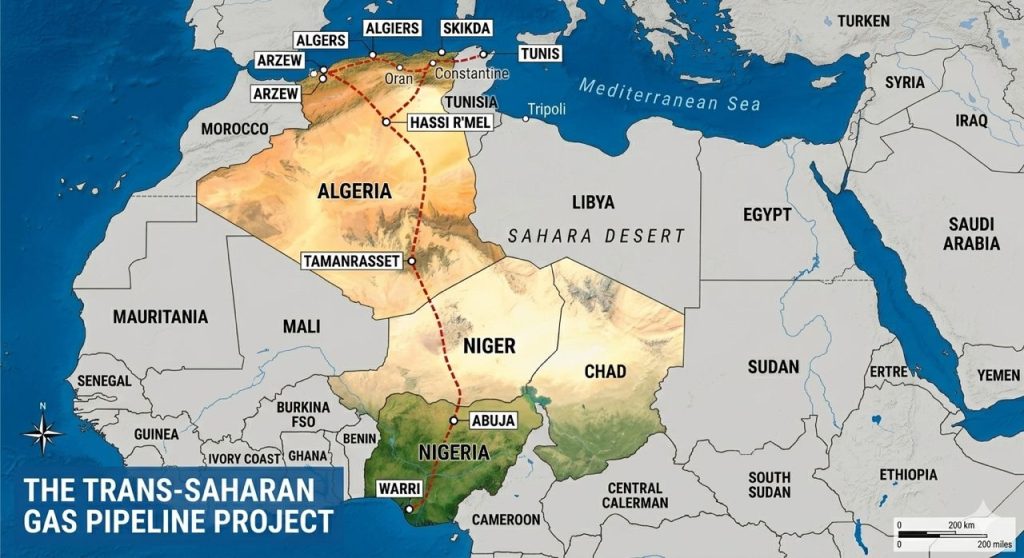
The Trans-Saharan Gas Pipeline (TSGP) is one of the largest energy projects on the African continent. It aims to transport natural gas from Nigeria, Africa’s largest gas producer, through Niger and onward to Algeria, and from there to European markets via existing pipeline networks along the Mediterranean coast.

https://twitter.com/algatedzeng/status/2061724625944326405?s=46

Technical Specifications and Background

The project stretches over approximately 4,128 kilometers, with an estimated 2,200 kilometers already completed. It starts in the city of Warri in southern Nigeria, passes through Niger, and reaches the gas distribution hub in Hassi R’Mel, Algeria. Its transport capacity is estimated at 30 billion cubic meters per year, while its total cost is projected to exceed $13 billion.

The idea of the pipeline was first introduced more than four decades ago. A tripartite agreement between the concerned countries was signed in 2009, but security, financial, and political challenges prevented its realization for many years.

https://twitter.com/algatedzEng/status/2061724625944326405?s=20

A Strong Return to the Agenda

The project gained renewed momentum in 2022, amid Europe’s accelerating efforts to diversify its energy supply sources. In July of that year, Algeria, Niger, and Nigeria signed a tripartite agreement to revive and accelerate the project. In February 2025, a ministerial meeting was held in Algeria, resulting in agreements to update the feasibility study through the consulting firm “PENSPEN,” with costs shared equally among the three parties, along with a non-disclosure agreement to ensure the confidentiality of technical data.

Algeria plays a central role in this framework due to its advanced gas transport and export infrastructure, as it is already connected to Europe through direct pipelines to Spain and Italy. The country also seeks to reinforce its position as a key transit hub for African gas to Europe, leveraging Nigeria’s vast reserves, estimated at around 210 trillion cubic feet as of 2025.

Economic and Geopolitical Dimensions

Economically, the project is expected to generate substantial revenues for the three countries, contribute to infrastructure development, create large-scale employment opportunities, and strengthen regional economic integration. Geopolitically, it would give Africa a stronger position in global energy dynamics at a time when Europe is increasingly seeking diversified supply sources.

The project differs from its Moroccan rival (the Nigeria–Morocco gas pipeline project spanning 14 countries) in that it involves only three countries, making it theoretically less costly and easier to implement.

Rising Challenges: Tensions with Niger Threaten the Project

Despite promising prospects, the project is currently facing serious existential challenges. Since Niger’s coup in July 2023 and the resulting tensions with Algeria within the “Sahel alliance,” signs of potential disruption have emerged. According to sources in May 2025, Niamey halted its participation in the final stages of the studies, pushing the project close to collapse amid the absence of binding purchase agreements and delays in final investment decisions.

In addition, the project faces persistent structural challenges, including difficulties in securing international financing, ensuring the security of infrastructure along the vast desert route, and growing competition from LNG projects and renewable energy sources.

in Conclusion

Many analysts believe that the Trans-Saharan Gas Pipeline is no longer just an economic project, but a real test of African countries’ ability to overcome political divisions and effectively exploit their natural resources. Its success would strengthen African energy sovereignty, while its failure would prolong reliance on traditional systems that deliver limited benefits to these populations\

Ultimately, the project is technically feasible but its fate today is determined more by politics than by engineering.

Author
yasmine ouazib