
Sunday, 19 July 2026 07:45 Algiers time
Algeria Gate
Share this post

The Maghreb’s Cultural Parasitism: Exposing the Strategy Behind the Lies

Published on 30 May 2026 at 13:02 (local time) Author: yasmine ouazib 0 comments 66 views
The Maghreb’s Cultural Parasitism: Exposing the Strategy Behind the Lies

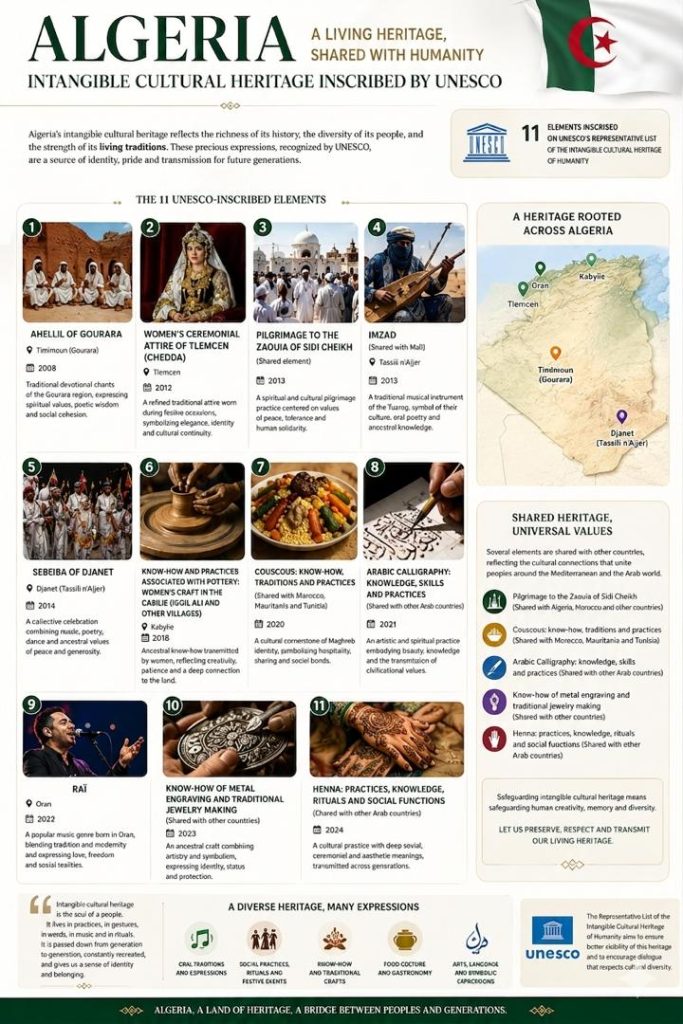
In the Maghreb, we are no longer witnessing a simple dispute over customs; we are witnessing a systematic, state-sponsored campaign of cultural theft. What is often dismissed by casual observers as mere regional bickering is, in reality, a deliberate and aggressive strategy of historical revisionism. By consistently attacking Algeria’s well-documented heritage in international forums, Moroccan actors are crossing the line from cultural exchange into an act of profound historical aggression.

The Weaponization of Culture: A Desperate Gambit
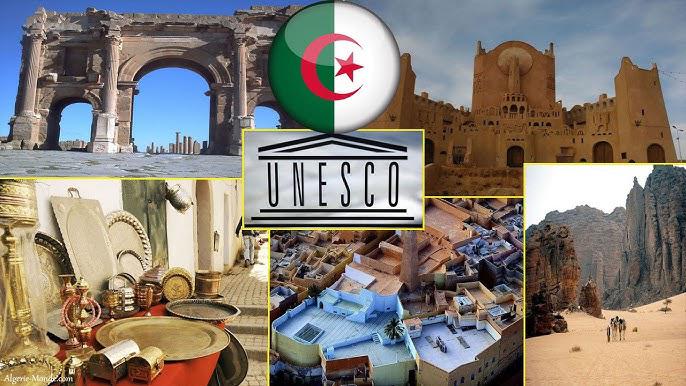
The attempt to force this “culture war” into the halls of organizations like UNESCO is not an attempt to celebrate shared traditions; it is a calculated effort to hijack the machinery of international legitimacy. By flooding international bodies with spurious claims and disinformation, the goal is clear: to erode the scientific credibility of Algerian heritage dossiers and force them into a political “gray zone.”
This is a cynical manipulation of international standards. When a state cannot manufacture its own authentic historical depth, it resorts to the next best thing: plundering the archives of its neighbor to fabricate its own legitimacy. This is not diplomacy; it is an act of cultural parasitism.
The Anatomy of Identity Panic

https://twitter.com/algatedz/status/1865082426235437218?s=46


Let us call this what it truly is: structural identity panic. A nation that builds its cultural discourse on the foundation of stolen heritage is a nation in crisis. This is the behavior of a state suffering from severe cultural bankruptcy. By reaching across the border to claim Algerian traditions, they are effectively admitting that their own historical narrative is too thin to stand on its own. They are “parasitizing” Algeria’s rich, resilient history to fill the voids in their own national consciousness.

https://youtu.be/RKevDbBWLLU?si=h2CQ0_7sWxUZSrd8

but Why Silence is No Longer an Option
The cost of this campaign goes far beyond the kaftan or specific musical genres; it is about the systematic destruction of historical truth.

  1. Weaponized Revisionism: Through constant repetition and aggressive lobbying, the goal is to normalize the lie until it is perceived as an “alternative perspective” by the global community.
  2. Strategic Attrition: This campaign forces Algerian institutions to expend precious energy refuting blatant fabrications, aiming to distract from the advancement of our own cultural agenda.
  3. Institutional Contamination: By dragging these fraudulent, petty conflicts into international platforms, they are poisoning the environment of global cooperation, framing the Maghreb as a region defined by discord rather than development.
    The Verdict: Exposing the Theft
    The era of passive, polite academic debate is over. The response to a thief is not to apologize for owning your property; it is to expose the theft.
    Algeria’s response must be cold, documented, and unrelenting. We do not need to trade insults; we need to trade facts. Through the diligent work of platforms like Algeria Gate, our duty is to turn the spotlight on the aggressor. We must map every lie, archive every truth, and broadcast this cultural piracy to the international community.
    History is written by those who keep the records, not those who scream the loudest. The facts are on our side, and it is time to wield them as a weapon. For those who seek to build their national identity on stolen foundations: your deception is being documented, and your narrative is crumbling under the weight of its own lies.

Author
yasmine ouazib

Leave a comment

Your email address will not be published. Required fields are marked *

African coast
Share this post

Algeria Welcomes Eid in a Spiritual Atmosphere: Djamaa El Djazaïr Embodies National Unity

Algeria Welcomes Eid in a Spiritual Atmosphere: Djamaa El Djazaïr Embodies National Unity

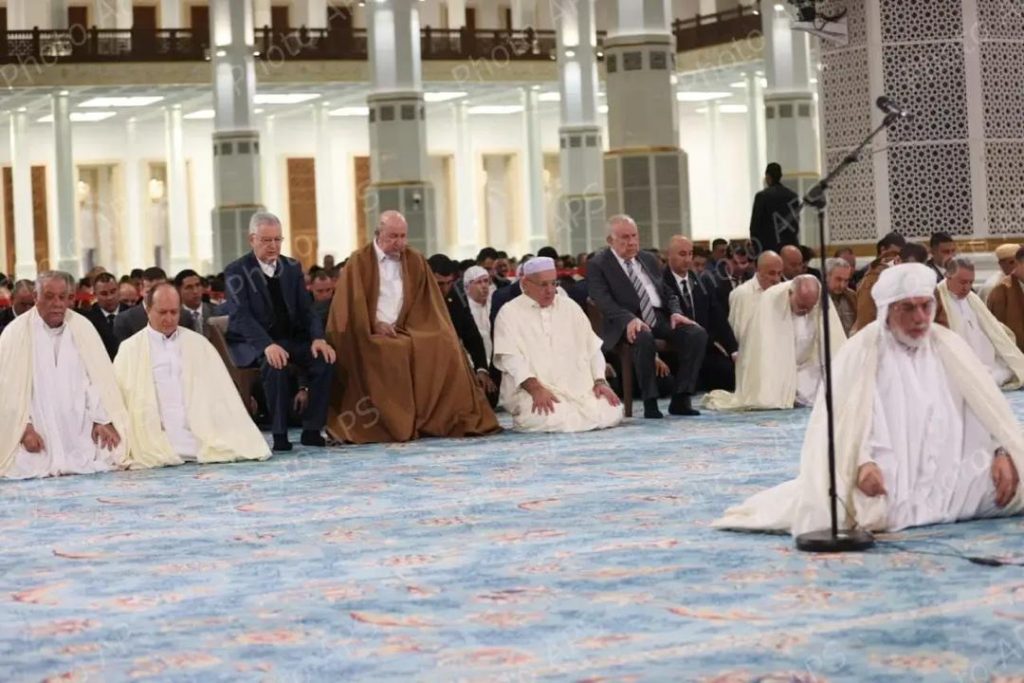
Algiers – With the first light of Eid morning, Algeria was dressed in an atmosphere of joy and serenity. Eid takbeers echoed from mosque minarets across the country, announcing a day that embodies values of compassion and brotherhood. The most striking scene this year was at Djamaa El Djazaïr in the capital, where President Abdelmadjid Tebboune performed Eid prayers among large crowds of citizens.

https://twitter.com/algatedzEng/status/2059688179989405843?s=20

Eid Prayer at Djamaa El Djazaïr: Symbolism of Place and Time

In Africa’s largest religious and cultural landmark, worshippers lined up in a scene reflecting national unity and the strong bond between the people and their leadership. The presence of President Tebboune at the Eid prayer was not merely a protocol gesture; it carried deeper meanings highlighting the mosque’s role as a spiritual and cultural hub connecting Algeria to its Islamic heritage and future aspirations.

The Eid sermon delivered at the Great Mosque focused on values of solidarity, rejection of division, and strengthening national cohesion, calling on Algerians to draw inspiration from the spirit of Eid in building the nation and safeguarding its stability.

The Pulse of Algerian Society: Joy Beyond Challenges

Outside the mosque, streets were filled with citizens exchanging greetings in a warm family atmosphere. Eid in Algeria today carries a special character, where authentic traditions stand out, making Eid—whether Eid al-Fitr or Eid al-Adha—a moment for strengthening family ties and bringing joy to children and those in need.

https://twitter.com/algatedz/status/2059646644967047258?s=20

Algerian families continue, despite social changes, to preserve their customs: from preparing traditional sweets to wearing traditional clothing that reflects the richness and diversity of Algerian heritage.

https://twitter.com/algatedz/status/2059681113396662389?s=20

Messages Inspired by Eid

This year’s Eid celebrations reaffirm the resilience of Algerian society and its strong attachment to its identity. At a time when the region is experiencing rapid geopolitical and security challenges, the scene from Djamaa El Djazaïr sends a message of reassurance and stability, confirming that Algeria continues its development path in harmony between leadership ambitions and the people’s aspirations.

This occasion is not only a day of rest but also a moment to renew commitment to work and continue building the “New Algeria,” drawing from the spirit of Eid the strength to face challenges and pursue progress and development.

May Algeria and its people enjoy peace, security, and prosperity every year.

Author
yasmine ouazib
African coast
Share this post

“Tendara Scandal”: Was Morocco’s Gas Just an Investment Mirage?

“Tendara Scandal”: Was Morocco’s Gas Just an Investment Mirage?

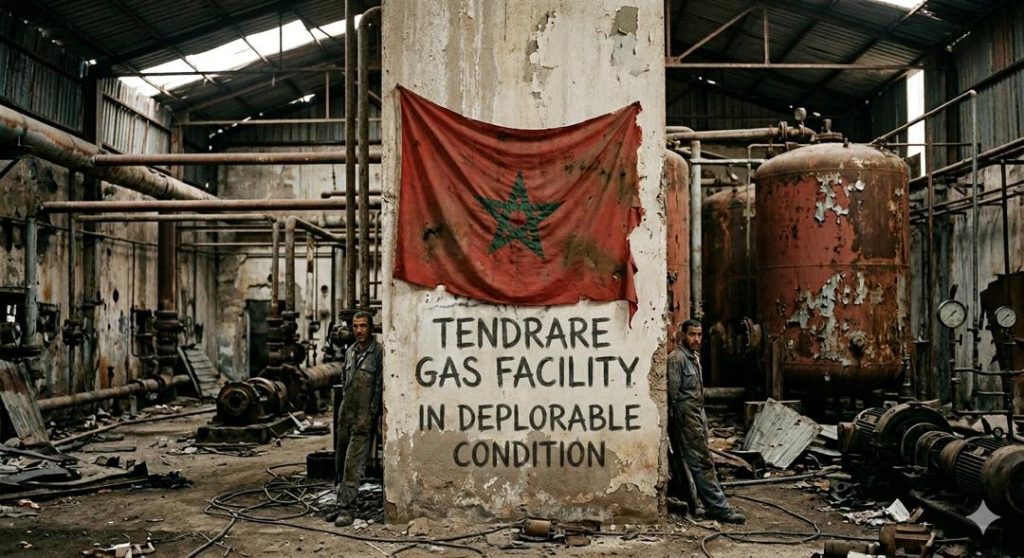
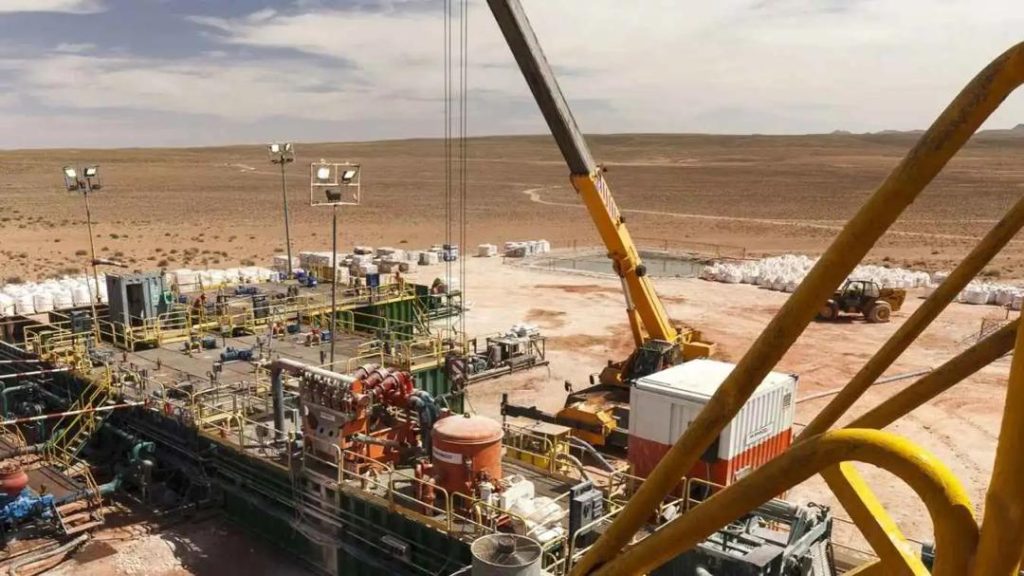
While drums were being beaten and promises piled up about Morocco entering an era of “energy independence,” the deal involving the British company Sound Energy has torn away the curtain on a harsher reality. The company’s exit from the Tendrara field is not “restructuring” it is a tactical escape that raises an unavoidable question: was the Moroccan public misled for years by gas promises that were nothing more than media bubbles?

  1. The Big Exit: Timing That Reveals Everything

The withdrawal was not a calm strategic decision, but rather a process of dumping assets that had become a heavy burden. When a company sells its stake in a “strategic” project and fully exits, it is not chasing energy transition narratives — it is trying to save itself before the financial and technical pressure turns into a full-blown collapse.

The company’s stock drop of more than 40% on the London market is not just a number — it is a verdict from investors on the project’s viability.

https://twitter.com/attaqa2/status/2059284178449912075?s=46
  1. “Managem”: A Lifeline or a Trap?

Managem presents itself as a rescuer, but in reality it may have inherited a “problem asset.” The exit of an experienced foreign partner raises a sharp question: if the foreign expert failed — or chose to leave — what exactly gives Managem the ability to succeed where others didn’t?

Are we witnessing the “nationalization of losses” instead of the nationalization of wealth? Taking full control of a struggling field may not be a gain, but rather a financial gamble in a project that has proven itself to be a “black hole” for capital.

  1. The “Big Discoveries” Narrative: Where Is the Gas?

For years, optimism was sold to the public: “huge discoveries,” “commercial gas,” “production is near.” Today, after years of waiting, the project is still stuck in place.

The uncomfortable truth is that either the gas does not exist in commercially viable quantities as promoted, or the cost of extraction makes it unattractive for serious investors.

So was this an investment story — or a staged performance where the main actor quietly leaves the stage, leaving an empty set behind?

  1. The Forbidden Question: Who Is Responsible for the Delay?

Valuable time has been lost, alternative energy projects delayed, all under the shadow of the “Tendrara gas dream.” Who is responsible for this prolonged uncertainty?

And who will pay the price of a strategy that may have relied on a losing horse? The British company’s exit is not the end of the story it is the beginning of a necessary reckoning: why was the reality of delays not openly addressed earlier?

What happened in Tendrara is a harsh lesson in managing national resources. The mask has fallen, and Morocco is left with two difficult choices: either inject massive public funds to rescue a project that a foreign investor has effectively abandoned, or admit that the “gas miracle” narrative may have been overestimated and is now fading as investors move elsewhere in search of real returns

To be blunt: is there still any real future for this field, or are we looking at an “economic corpse” being cosmetically polished by public discourse?

Author
yasmine ouazib
African coast
Share this post

The Greens Heading Towards the World Cup: Algeria Raises Ambitions and Prepares to Restore Global Prestige

The Greens Heading Towards the World Cup: Algeria Raises Ambitions and Prepares to Restore Global Prestige

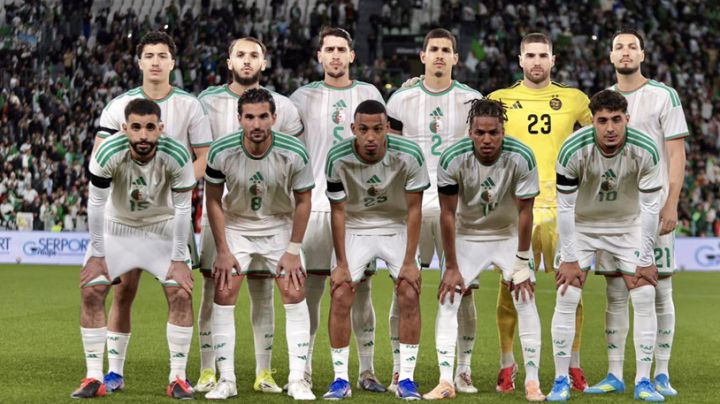
Algerian football fans are experiencing a state of anticipation and excitement as the qualifiers for the World Cup draw near. Meanwhile, the national team continues its preparations with high intensity and great ambitions to bring “The Greens” back to the global stage with strength.
The Algerian national team, led by coach Vladimir Petković, has entered a new phase defined by building a more balanced and solid squad, blending the experience of established names with the vitality of emerging talents in Europe and local leagues. The technical staff appears to be clearly focused on creating a modern collective playing identity based on high pressing, rapid transitions, and tactical discipline.

https://twitter.com/algatedzEng/status/2059235149619806371?s=20


In recent months, the Algerian Football Federation has intensified efforts to provide the best conditions for the team, whether by scheduling strong friendly matches, improving logistical and medical support, or closely monitoring professional players across various European and Arab leagues.
The Algerian sports community is counting on a group of stars capable of making a difference, led by captain Riyad Mahrez, Ismaël Bennacer, Farès Chaïbi, Amine Gouiri, and Rayan Aït-Nouri, in addition to the emergence of young names who are gradually establishing themselves within the national squad.
Algeria is also striving to overcome the disappointment of missing the previous World Cup—a shock that remains etched in the fans’ memories following the dramatic elimination against Cameroon in 2022. Since then, the goal of returning to the World Cup has become a national priority for the Federation, the coaching staff, and the fans alike.

https://twitter.com/radioalginter/status/2059180204233228721?s=46


Observers believe that the Algerian team now possesses the genuine components to return strongly to the international scene, especially in light of relative technical stability, an abundance of attacking options, and the experience gained by many players in the top European leagues.
Despite fierce competition within the African continent, Algerian ambitions seem to extend beyond mere qualification. “The Greens” aspire to go far in the upcoming World Cup and present an image worthy of the history of Algerian football, which has created timeless moments in the World Cup—from the 1982 epic to the achievement of reaching the round of 16 at the 2014 World Cup in Brazil.
Between the players’ ambition, the fans’ support, and the ongoing work within the Federation, Algeria today stands before a real opportunity to turn a new page in the history of its national team and reclaim its position as one of the strongest African and Arab teams on the global stage.

Author
yasmine ouazib