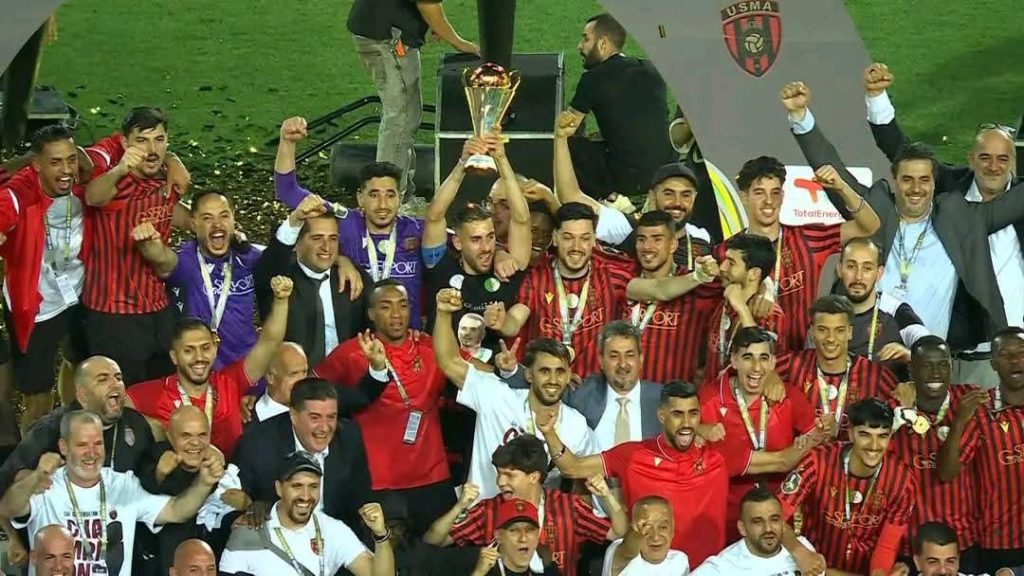
Algerian football fans are experiencing a state of anticipation and excitement as the qualifiers for the World Cup draw near. Meanwhile, the national team continues its preparations with high intensity and great ambitions to bring “The Greens” back to the global stage with strength.
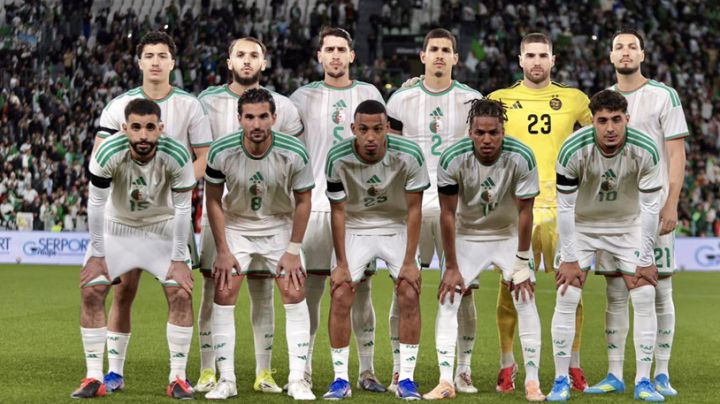
The Algerian national team, led by coach Vladimir Petković, has entered a new phase defined by building a more balanced and solid squad, blending the experience of established names with the vitality of emerging talents in Europe and local leagues. The technical staff appears to be clearly focused on creating a modern collective playing identity based on high pressing, rapid transitions, and tactical discipline.
In recent months, the Algerian Football Federation has intensified efforts to provide the best conditions for the team, whether by scheduling strong friendly matches, improving logistical and medical support, or closely monitoring professional players across various European and Arab leagues.
The Algerian sports community is counting on a group of stars capable of making a difference, led by captain Riyad Mahrez, Ismaël Bennacer, Farès Chaïbi, Amine Gouiri, and Rayan Aït-Nouri, in addition to the emergence of young names who are gradually establishing themselves within the national squad.
Algeria is also striving to overcome the disappointment of missing the previous World Cup—a shock that remains etched in the fans’ memories following the dramatic elimination against Cameroon in 2022. Since then, the goal of returning to the World Cup has become a national priority for the Federation, the coaching staff, and the fans alike.
Observers believe that the Algerian team now possesses the genuine components to return strongly to the international scene, especially in light of relative technical stability, an abundance of attacking options, and the experience gained by many players in the top European leagues.
Despite fierce competition within the African continent, Algerian ambitions seem to extend beyond mere qualification. “The Greens” aspire to go far in the upcoming World Cup and present an image worthy of the history of Algerian football, which has created timeless moments in the World Cup—from the 1982 epic to the achievement of reaching the round of 16 at the 2014 World Cup in Brazil.
Between the players’ ambition, the fans’ support, and the ongoing work within the Federation, Algeria today stands before a real opportunity to turn a new page in the history of its national team and reclaim its position as one of the strongest African and Arab teams on the global stage.