

At a time when major powers compete for every influential seat within the United Nations system, Algeria has quietly secured one of the organization’s most prestigious leadership positions. The entire African continent, unanimously, has rallied behind a single Algerian diplomat. This is not merely an administrative promotion; it is a political message that Algeria today is helping shape decisions rather than simply receiving them.
A Historic Unanimous African Endorsement
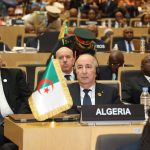
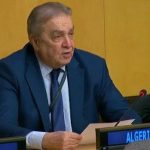
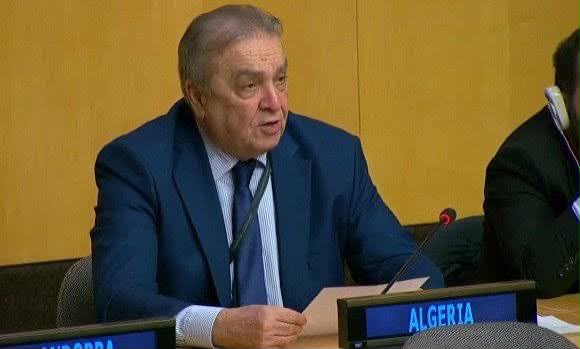
The African Group of Ambassadors in New York unanimously endorsed Ambassador Amar Bendjama, Algeria’s Permanent Representative to the United Nations, as the next President of the United Nations Economic and Social Council (ECOSOC). The decision was made during a meeting of permanent representatives chaired by Malawi’s Permanent Representative in her capacity as Chair of the African Group.
This unanimous endorsement by all 54 African states is not a mere procedural detail. It is a continental recognition of Algeria’s diplomatic weight and its ability to unite African countries behind a single name at a time when African positions are often fragmented by competing agendas.
Ambassador Bendjama is expected to officially assume the presidency from the end of July 2026 until July 2027, following his election by all UN member states during the session scheduled for 23 July 2026.
Following the endorsement, Bendjama expressed his deep gratitude to his African counterparts for their confidence in Algeria, emphasizing that this responsibility comes at a sensitive and complex moment for the global economy, particularly for developing countries facing financing shortages, rising debt burdens, economic shocks, geopolitical crises, food insecurity, technological disparities, desertification, and the consequences of climate change.
A Man Who Did Not Rise from the Shadows
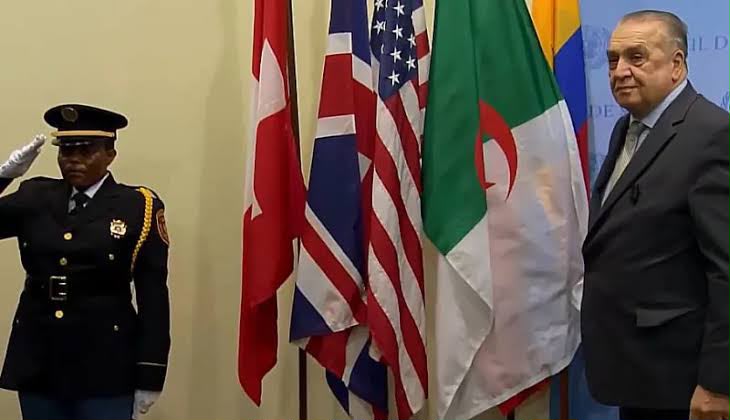
Bendjama did not reach this position by chance, nor through a passing political moment. Born in El Koll, Skikda Province, in 1951, he graduated from Algeria’s National School of Administration in 1975 and has since pursued a diplomatic career spanning more than five decades.
He served as First Secretary in Moscow during the 1980s, Deputy Permanent Representative of Algeria to the United Nations, Ambassador to Ethiopia home to the headquarters of the African Union as well as Ambassador to the United Kingdom, Japan, and Belgium. He also represented Algeria to the European Union and NATO and served as Secretary-General of the Ministry of Foreign Affairs.
Few diplomats can claim a career that has taken them through New York, Addis Ababa, and Brussels the three capitals hosting some of the world’s most influential international and regional institutions.
In 2013, he was appointed Algeria’s Ambassador to France before leaving the post in 2016 under circumstances that generated considerable debate. Yet a closer look at his career shows that difficult moments did not break his path; rather, they paved the way for a stronger return. In April 2023, Bendjama returned to New York as Algeria’s Permanent Representative to the United Nations, beginning what would become one of the most influential chapters of his career.
From a Seat on the Security Council to International Recognition
Since assuming his role in New York, Bendjama has established a presence that cannot be overlooked. He has strongly defended African causes, consistently advocated for Security Council reform to ensure fair representation for Africa, and firmly supported the rights of the Palestinian people at a time when UN platforms became the scene of intense debates over Gaza. He also chaired sensitive meetings and consultations during Algeria’s membership on the UN Security Council.
His efforts have not gone unnoticed. In December 2025, the American media platform PassBlue named him “Diplomat of the Year” following a vote by its audience to honor the most prominent personalities within the UN sphere a recognition from an institution specializing in United Nations affairs rather than from an Algerian or African body.
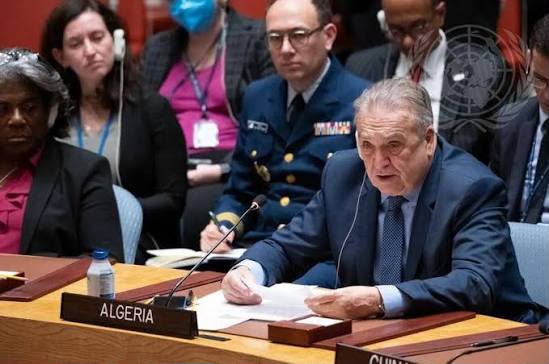
Today, this journey is crowned with the presidency of ECOSOC, one of the six principal organs of the United Nations and the body responsible for coordinating the economic, social, and environmental work of the UN system.
What Does This Mean for Algeria?
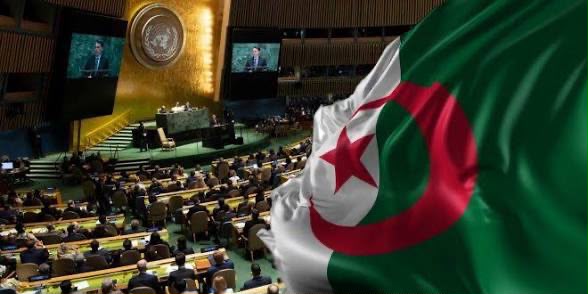
When Algeria assumes the presidency of a body that deals with issues such as international financing, debt, development, food security, and climate policy, it gains more than an honorary position. It gains a genuine platform from which to influence the global economic agenda for an entire year, at a time when the Global South is increasingly demanding reforms to international governance structures.
This achievement confirms that Algeria has regained its position as a respected African and Arab voice at the highest levels of international decision-making. It also demonstrates that its foreign policy—based on consistency, credibility, and support for the causes of the Global South is beginning to translate into real positions of influence rather than mere statements.
Will Bendjama’s presidency of ECOSOC mark the beginning of a new Algerian phase in shaping the global economic agenda, or will it be simply another milestone in a long journey during which the Global South continues to seek representation commensurate with its true weight in world affairs?