
Sunday, 19 July 2026 07:11 Algiers time
Algeria Gate
Share this post

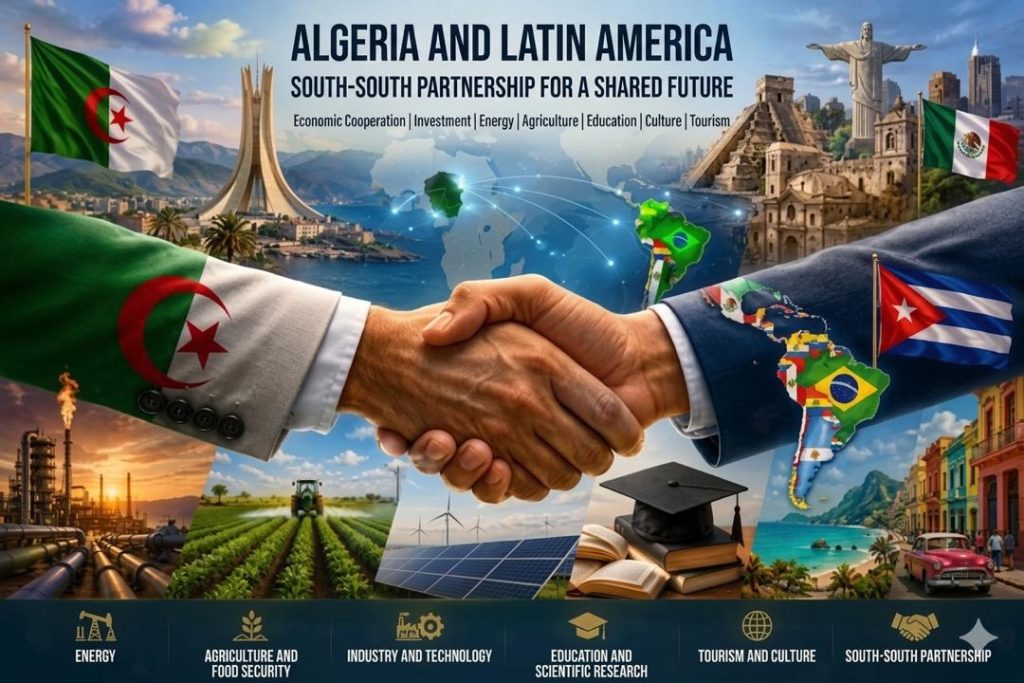
Algeria and Latin America: A South–South Partnership Preparing for a “Major Takeoff” Phase

Published on 3 June 2026 at 14:53 (local time) Author: yasmine ouazib 0 comments 72 views
Algeria and Latin America: A South–South Partnership Preparing for a “Major Takeoff” Phase

In a world experiencing rapid shifts toward multipolarity and the reshaping of economic influence maps, relations between Algeria and Latin American countries are gradually moving beyond the framework of “historical solidarity” into a broader space based on shared economic interests and strategic rapprochement among Global South nations.
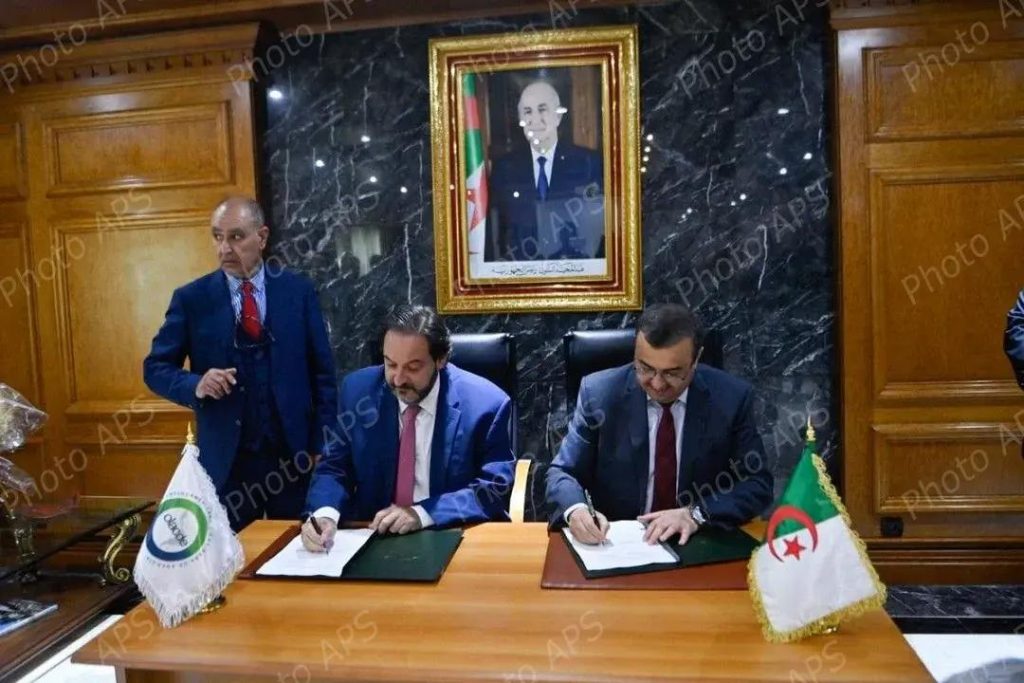
For decades, Algeria has maintained political relations with several Latin American countries rooted in support for national liberation movements and the defense of sovereignty principles. However, current international changes are pushing both sides to explore new horizons that go beyond the political dimension toward more practical and effective economic partnerships.

A More Open Algerian Economic Diplomacy

In recent years, Algeria has adopted a new approach in its foreign policy aimed at strengthening economic partnerships and diversifying trade relations beyond traditional partners. Within this framework, Latin America stands out as a promising space, given the rise of regional powers with strong industrial, agricultural, and technological capabilities.

Algeria, as a key player in the energy market and the largest country in Africa by land area, seeks to expand its network of partners and benefit from successful experiences of Global South countries, based on a vision of mutual interests and expertise exchange.

Brazil: A Strategic Economic Partner
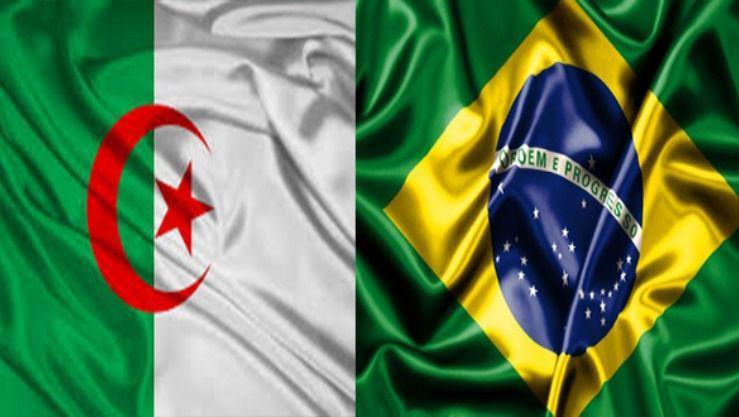
Brazil is considered one of Algeria’s most important partners, not only because of political alignment in international organizations such as the G77 and South–South forums, but also due to its ability to offer strategic solutions in key areas:

Food security and agriculture: Brazilian expertise represents an ideal model for Algeria in developing local agricultural production, especially in modern irrigation techniques and cultivation of arid zones—areas that Algeria urgently needs in its inland and southern regions.

Food industries and energy: These sectors open wide investment opportunities, particularly since Brazil has leading experience in biofuels and renewable energy—fields Algeria is also seeking to develop within its future energy strategy.

International alignment: Both countries share similar positions within the United Nations and multilateral organizations on issues such as national sovereignty and reform of the international system, providing a strong political foundation for a solid economic partnership.

Mexico: A Gateway to Industrial and Tourism Cooperation
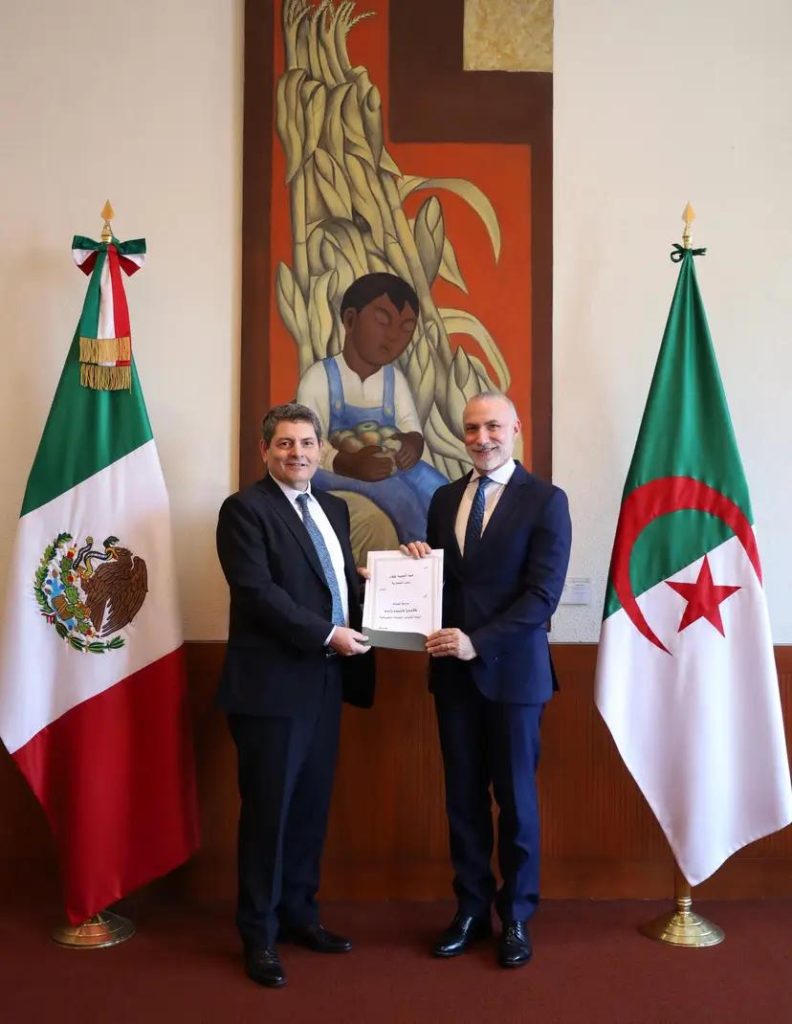
Mexico is a major regional industrial power and one of the most attractive economies in the Western Hemisphere, making it a multi-dimensional partner for Algeria:

Energy cooperation: Mexico’s state oil company PEMEX has long-standing experience, opening the door for technical cooperation with Algeria’s Sonatrach in exploration, petrochemicals, and gas field development.

Manufacturing industries: Mexico’s success in attracting foreign investment and building a competitive industrial base offers a model Algeria could draw from in its industrialization efforts.

A gateway to North America: Mexico provides Algeria with indirect access to the North American market through the USMCA agreement, opening new trade opportunities for Algerian products.

Mexico as a tourism destination for Algerians: On a different but important level, Algerians are increasingly discovering Mexico as an attractive destination, especially given the difficulties of obtaining European visas. Mexico does not require a prior visa for Algerian citizens, making it an accessible destination. Added to this are the appeal of ancient civilizations such as the Aztecs and Mayas, breathtaking landscapes from Caribbean beaches to tropical forests, and one of the richest cultural diversities in the world. This growing tourist flow acts as a genuine people-to-people bridge, strengthening ties beyond official diplomacy and paving the way for deeper economic cooperation in the future.

Author
yasmine ouazib

Leave a comment

Your email address will not be published. Required fields are marked *

African coast
Share this post

Trans-Saharan Gas Pipeline: A Strategic Project Redrawing the Energy Map Between Africa and Europe

Trans-Saharan Gas Pipeline: A Strategic Project Redrawing the Energy Map Between Africa and Europe

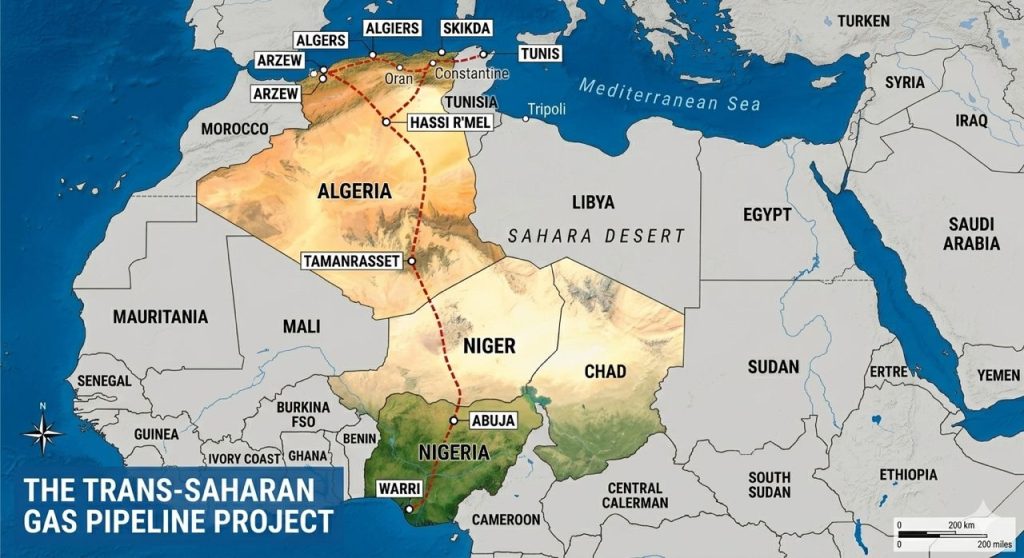
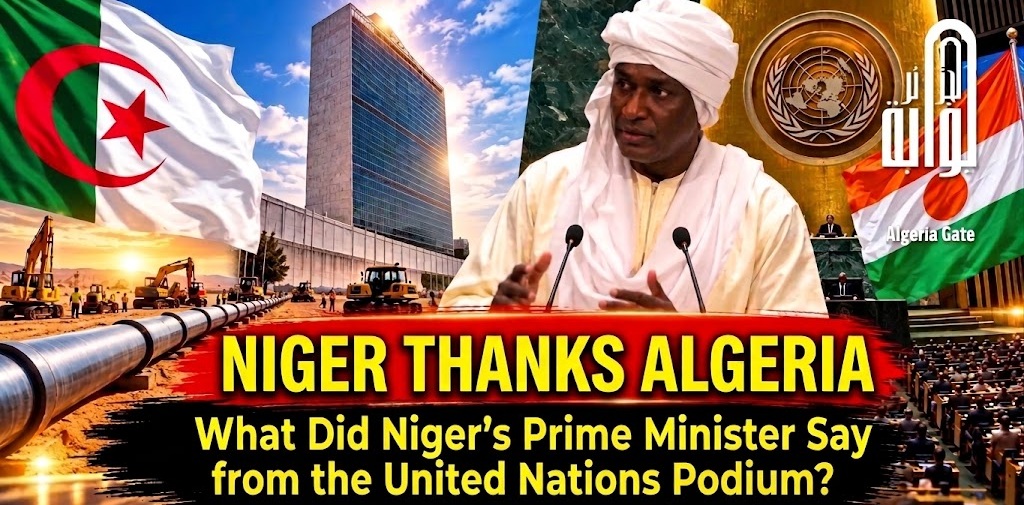
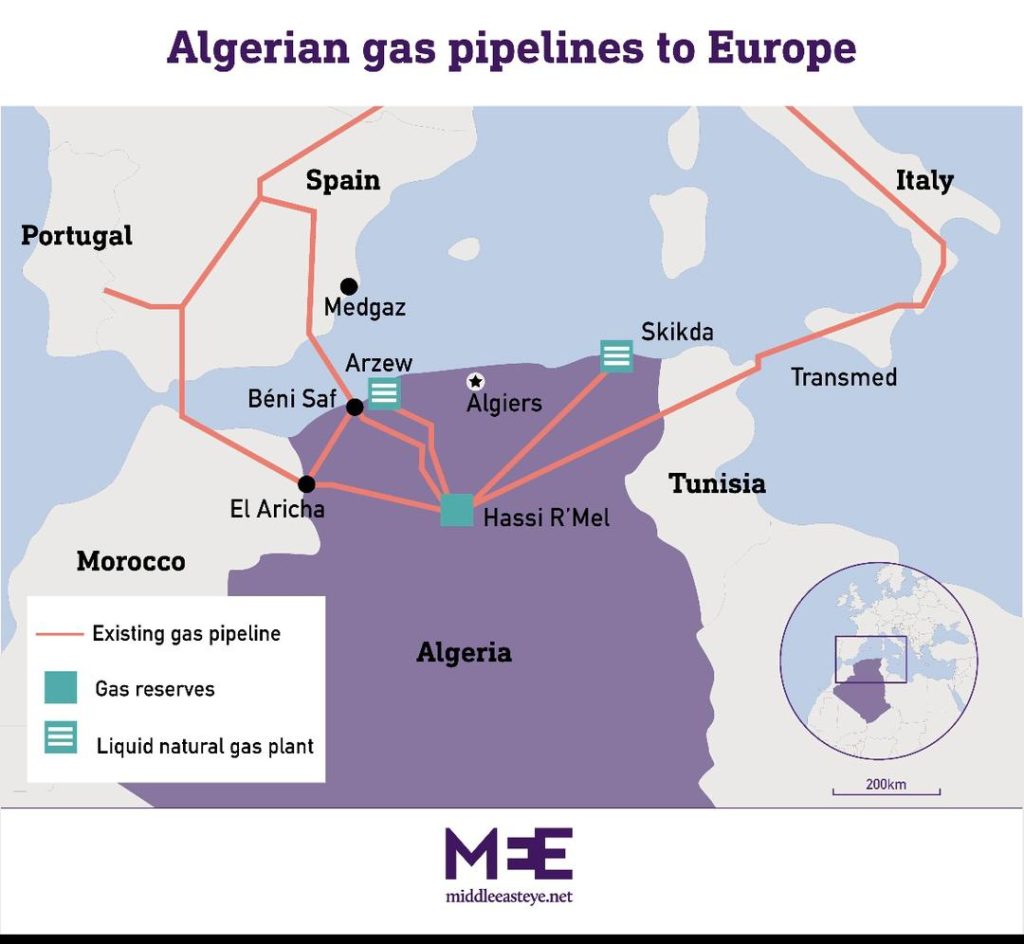
The Trans-Saharan Gas Pipeline (TSGP) is one of the largest energy projects on the African continent. It aims to transport natural gas from Nigeria, Africa’s largest gas producer, through Niger and onward to Algeria, and from there to European markets via existing pipeline networks along the Mediterranean coast.

https://twitter.com/algatedzeng/status/2061724625944326405?s=46

Technical Specifications and Background

The project stretches over approximately 4,128 kilometers, with an estimated 2,200 kilometers already completed. It starts in the city of Warri in southern Nigeria, passes through Niger, and reaches the gas distribution hub in Hassi R’Mel, Algeria. Its transport capacity is estimated at 30 billion cubic meters per year, while its total cost is projected to exceed $13 billion.

The idea of the pipeline was first introduced more than four decades ago. A tripartite agreement between the concerned countries was signed in 2009, but security, financial, and political challenges prevented its realization for many years.

https://twitter.com/algatedzEng/status/2061724625944326405?s=20

A Strong Return to the Agenda

The project gained renewed momentum in 2022, amid Europe’s accelerating efforts to diversify its energy supply sources. In July of that year, Algeria, Niger, and Nigeria signed a tripartite agreement to revive and accelerate the project. In February 2025, a ministerial meeting was held in Algeria, resulting in agreements to update the feasibility study through the consulting firm “PENSPEN,” with costs shared equally among the three parties, along with a non-disclosure agreement to ensure the confidentiality of technical data.

Algeria plays a central role in this framework due to its advanced gas transport and export infrastructure, as it is already connected to Europe through direct pipelines to Spain and Italy. The country also seeks to reinforce its position as a key transit hub for African gas to Europe, leveraging Nigeria’s vast reserves, estimated at around 210 trillion cubic feet as of 2025.

Economic and Geopolitical Dimensions

Economically, the project is expected to generate substantial revenues for the three countries, contribute to infrastructure development, create large-scale employment opportunities, and strengthen regional economic integration. Geopolitically, it would give Africa a stronger position in global energy dynamics at a time when Europe is increasingly seeking diversified supply sources.

The project differs from its Moroccan rival (the Nigeria–Morocco gas pipeline project spanning 14 countries) in that it involves only three countries, making it theoretically less costly and easier to implement.

Rising Challenges: Tensions with Niger Threaten the Project

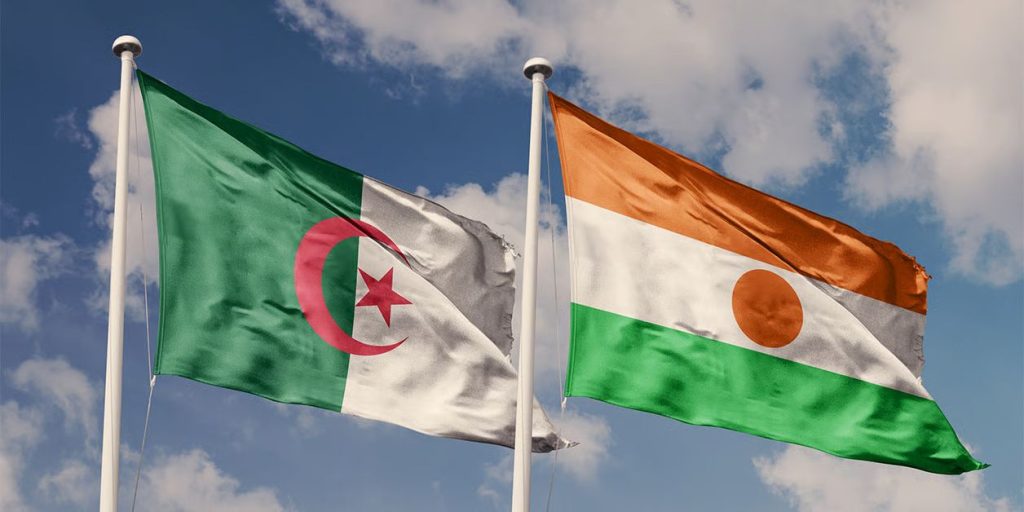
Despite promising prospects, the project is currently facing serious existential challenges. Since Niger’s coup in July 2023 and the resulting tensions with Algeria within the “Sahel alliance,” signs of potential disruption have emerged. According to sources in May 2025, Niamey halted its participation in the final stages of the studies, pushing the project close to collapse amid the absence of binding purchase agreements and delays in final investment decisions.

In addition, the project faces persistent structural challenges, including difficulties in securing international financing, ensuring the security of infrastructure along the vast desert route, and growing competition from LNG projects and renewable energy sources.

in Conclusion

Many analysts believe that the Trans-Saharan Gas Pipeline is no longer just an economic project, but a real test of African countries’ ability to overcome political divisions and effectively exploit their natural resources. Its success would strengthen African energy sovereignty, while its failure would prolong reliance on traditional systems that deliver limited benefits to these populations\

Ultimately, the project is technically feasible but its fate today is determined more by politics than by engineering.

Author
yasmine ouazib
Algeria
Share this post

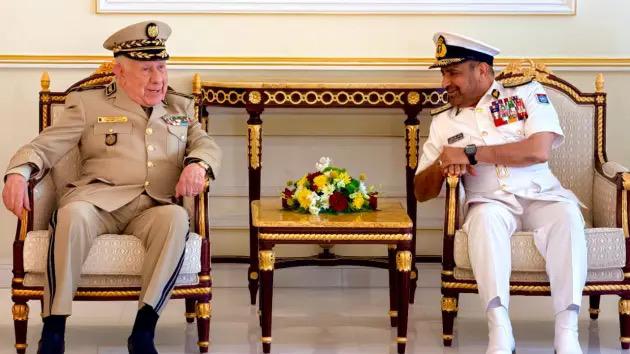
Algeria’s Defense Chief General Saïd Chanegriha’s Visit to Oman: Quiet Diplomacy in an Era of Loud Polarization”

Algeria’s Defense Chief General Saïd Chanegriha’s Visit to Oman: Quiet Diplomacy in an Era of Loud Polarization”

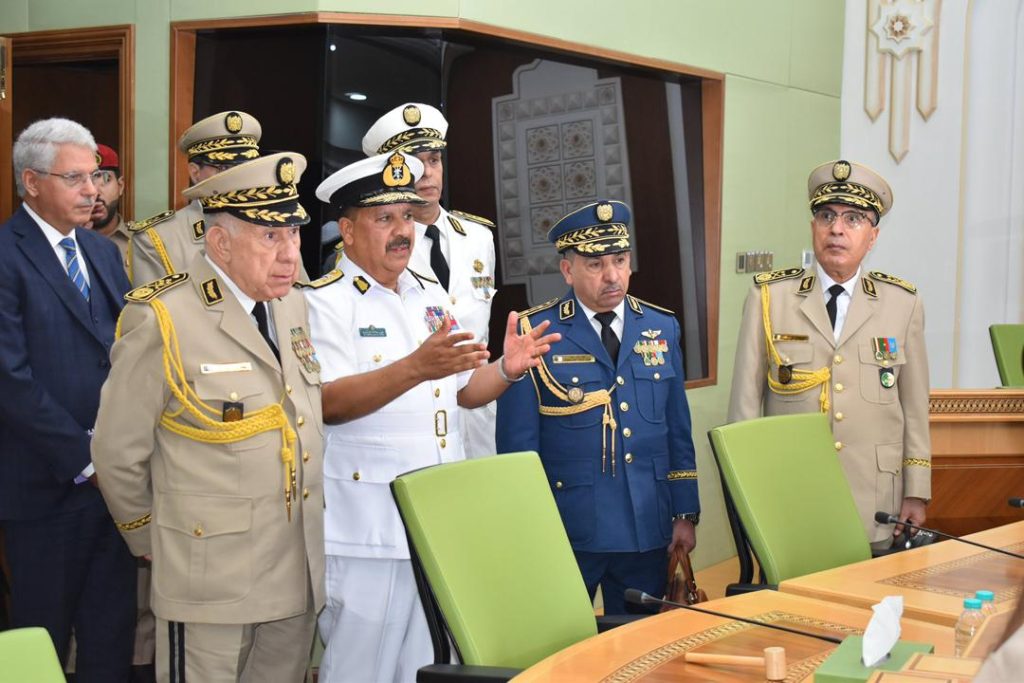
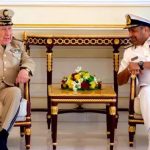
The visit of General Saïd Chanegriha, Chief of Staff of the Algerian People’s National Army, to the Sultanate of Oman is far from a routine diplomatic or military stop on an official itinerary. It is a carefully calibrated move that carries political and security messages extending well beyond formal meetings and protocol photographs — and understanding it requires placing it within a complex regional environment rather than viewing it in isolation.

https://twitter.com/mdngovdz/status/2061471401127657754?s=46

Context First: Algeria in a Rising Polarized Environment

Today, Algeria operates in a regional landscape shaped by three overlapping pressures.

First, the Algerian–Moroccan rivalry, which has moved beyond traditional diplomatic tension since 2021, following the severing of diplomatic relations and the intensification of the Western Sahara dispute. Morocco’s growing security alignment with Israel through the Abraham Accords has added a new strategic layer to an already sensitive western frontier.

https://twitter.com/algatedz/status/2061562764074570059?s=20

Second, the expanding Emirati footprint across Africa, where Abu Dhabi and Algiers are increasingly perceived as competing for influence in the Sahel region, amid the broader collapse of French influence and the ongoing reconfiguration of alliances in Mali, Niger, and Burkina Faso.

Third, renewed Western pressure on Algeria to adopt clearer positions on the Ukraine conflict and energy-related geopolitical alignments, counterbalanced by incentives tied to European and American partnership frameworks.

In this climate, Algeria’s priority is to preserve strategic flexibility by engaging partners that do not force alignment within rigid geopolitical blocs.

Why Oman Specifically?

The choice of Muscat is far from incidental; it reflects a precise reading of Oman’s unique diplomatic identity.

Oman remains the only Gulf state that has maintained open channels with Iran for decades, often serving as a discreet mediator in sensitive negotiations, including the groundwork that led to the 2013 nuclear agreement. It has also consistently avoided participation in regional military coalitions, most notably in Yemen. This model of quiet neutrality and pragmatic mediation closely mirrors the diplomatic posture Algeria seeks to project.

In this sense, Algeria is not pursuing confrontation-based alliances, but rather seeking partners that embody balanced engagement and strategic restraint.

The Deeper Message: Managing Strategic Ambiguity

At its core, this visit reflects Algeria’s broader doctrine of “controlled strategic ambiguity.” The country is neither fully aligned with the Riyadh–Abu Dhabi axis, nor with the Tehran–Ankara sphere of influence, nor with Western blocs, nor entirely within the Russia–China strategic orbit.

This ambiguity is not a weakness, but a tool. It allows Algeria to maintain room for maneuver, negotiate across multiple power centers, and preserve autonomy in critical dossiers such as the Sahel, Western Sahara, and energy policy.

Engaging with Oman reinforces this logic: building partnerships with actors that share a preference for non-alignment and quiet diplomacy, while expanding Algeria’s security cooperation networks outside high-tension geopolitical fault lines.

Ultimately, the visit signals not a shift in direction, but a refinement in approach.

Algeria is steadily consolidating a foreign and security policy that avoids alignment politics in favor of calibrated, interest-driven partnerships. In this framework, Oman is not just a destination — it is a mirror of the diplomatic model Algeria is increasingly inclined to follow.

In geopolitics, sometimes the most meaningful signals are not loud declarations, but carefully chosen silences.

https://twitter.com/algatedz/status/2061553716017107323?s=20
Author
yasmine ouazib
Algeria
Share this post

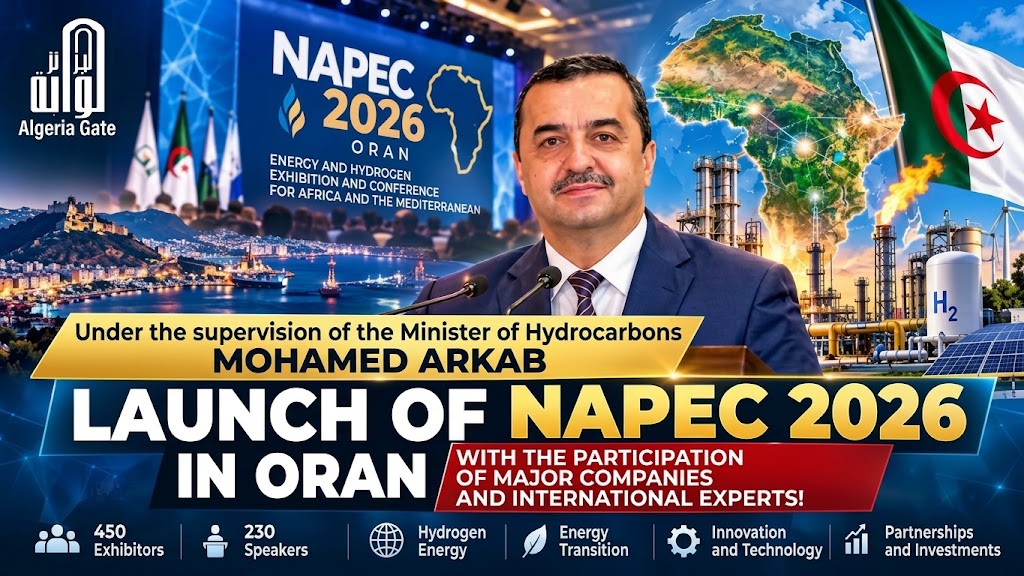
Arkab in Paris: Energy as a Bridge Between Two Capitals in Search of a New Equilibrium

Arkab in Paris: Energy as a Bridge Between Two Capitals in Search of a New Equilibrium

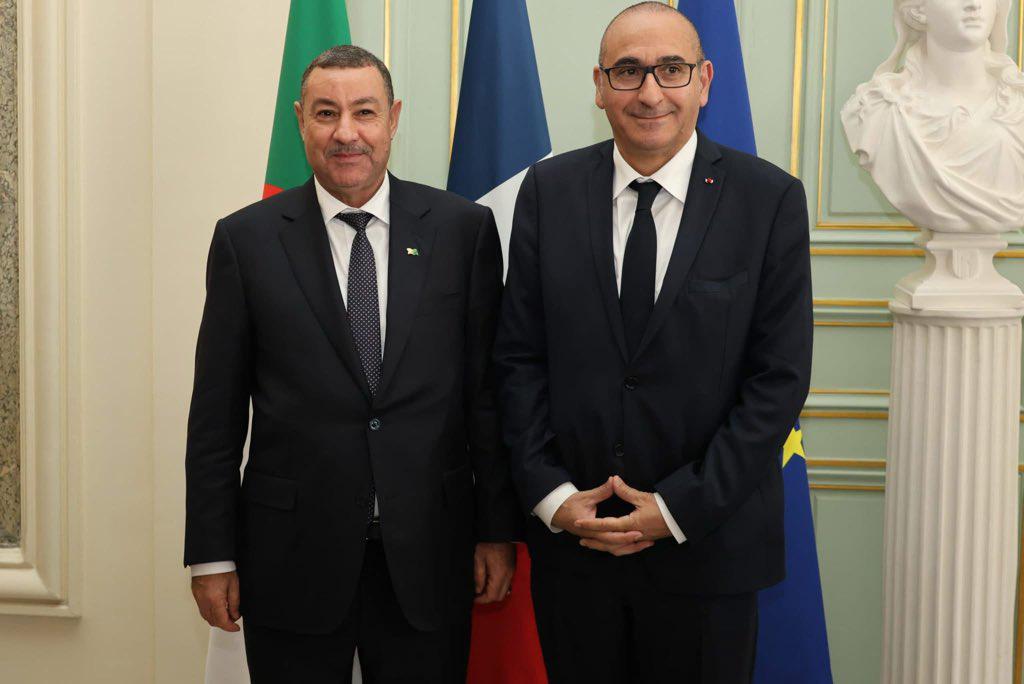
When Mohamed Arkab, Algeria’s Minister of State for Energy, Mines and Renewable Energies, landed in Paris, he carried with him more than a diplomatic agenda. He carried a signal that despite months of political turbulence, both Algiers and Paris are unwilling to let economic necessity fall victim to political disagreement.

The visit is among the most consequential high-level exchanges between the two countries since the diplomatic rupture of 2024, when mutual accusations over visas, memory politics and regional alignments pushed bilateral relations to one of their lowest points in years. That context makes Arkab’s presence in the French capital all the more striking and all the more deliberate.

Energy: The One Thread That Never Breaks

Algeria supplies roughly 9% of Europe’s natural gas imports, and France remains one of its most strategically significant partners on the continent. Even during periods of acute political tension, the energy corridor between the two countries has functioned as a quiet lifeline insulating economic cooperation from the noise of diplomatic friction.

Now, with Europe still navigating the aftershocks of its energy crisis and accelerating the transition toward renewables, the stakes have shifted. Arkab’s discussions in Paris are expected to cover not only the existing natural gas framework, but also emerging opportunities in green hydrogen, solar energy and critical minerals sectors where Algeria holds considerable untapped potential and where French industrial groups have expressed growing interest.

Pragmatism Over Principle

What makes this visit notable is not what it celebrates, but what it reveals: that both governments have quietly chosen economic pragmatism over the paralysis of unresolved political grievances.

For Algeria, the trip reinforces its positioning as an indispensable energy actor in the Mediterranean one that is actively courted, not merely tolerated. For France, it represents an effort to secure and deepen a partnership that no alternative in the region can fully replace.

Yet questions remain. Will the meetings produce binding agreements, or will they generate the kind of joint communiqués that promise momentum without delivering it? And can energy cooperation alone sustain a relationship that continues to be weighed down by historical memory, competing regional interests and unresolved political disputes?

A Relationship Too Costly to Abandon, Too Complex to Repair Easily

Algeria and France share a relationship that defies simple categorization. It is neither a partnership in the full sense, nor a rivalry in any conventional one. It is something more specific: a structural interdependence, shaped by geography, history and mutual economic interest, that neither side has found a credible way to exit.

Arkab’s visit will not resolve that complexity. But it may do something equally important — demonstrate that both capitals still believe the relationship is worth managing carefully, even when it is too difficult to celebrate openly.

In diplomacy, that is sometimes the most honest signal of all.

Author
yasmine ouazib