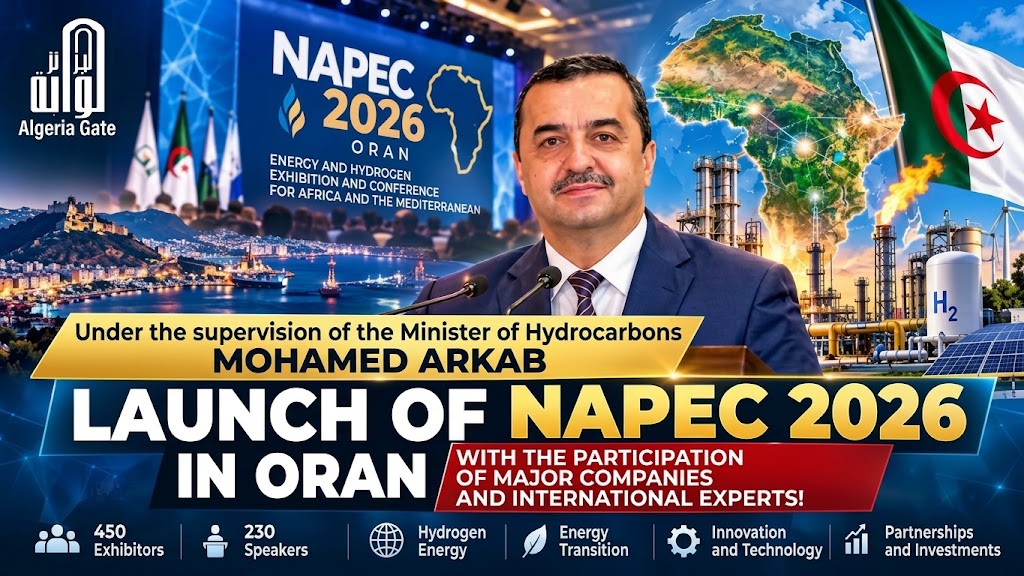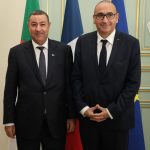


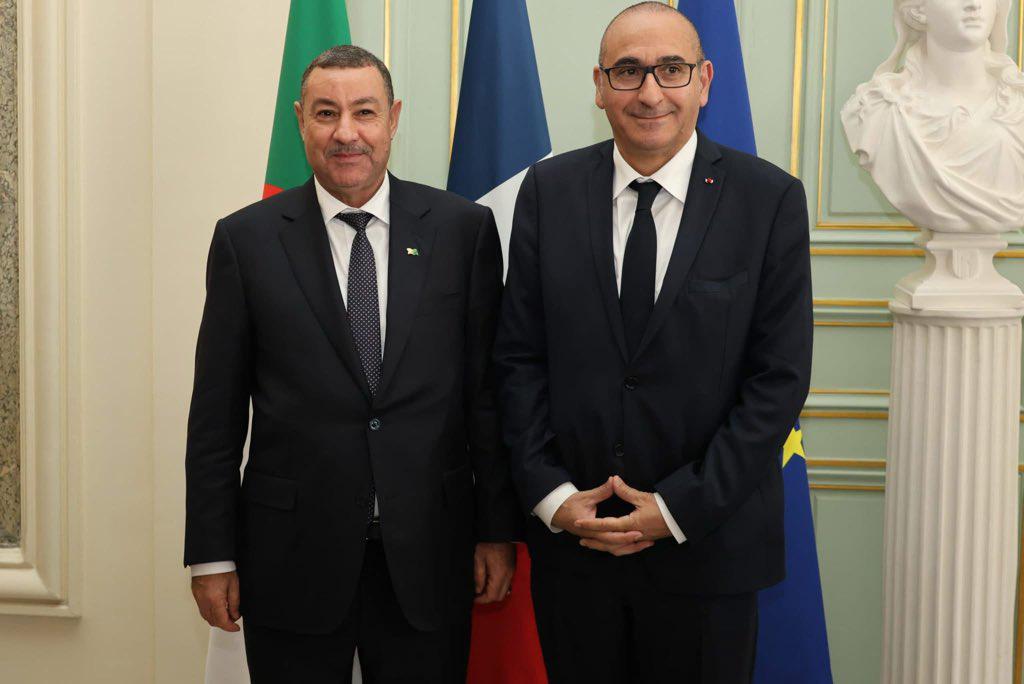
When Mohamed Arkab, Algeria’s Minister of State for Energy, Mines and Renewable Energies, landed in Paris, he carried with him more than a diplomatic agenda. He carried a signal that despite months of political turbulence, both Algiers and Paris are unwilling to let economic necessity fall victim to political disagreement.
The visit is among the most consequential high-level exchanges between the two countries since the diplomatic rupture of 2024, when mutual accusations over visas, memory politics and regional alignments pushed bilateral relations to one of their lowest points in years. That context makes Arkab’s presence in the French capital all the more striking and all the more deliberate.
Energy: The One Thread That Never Breaks
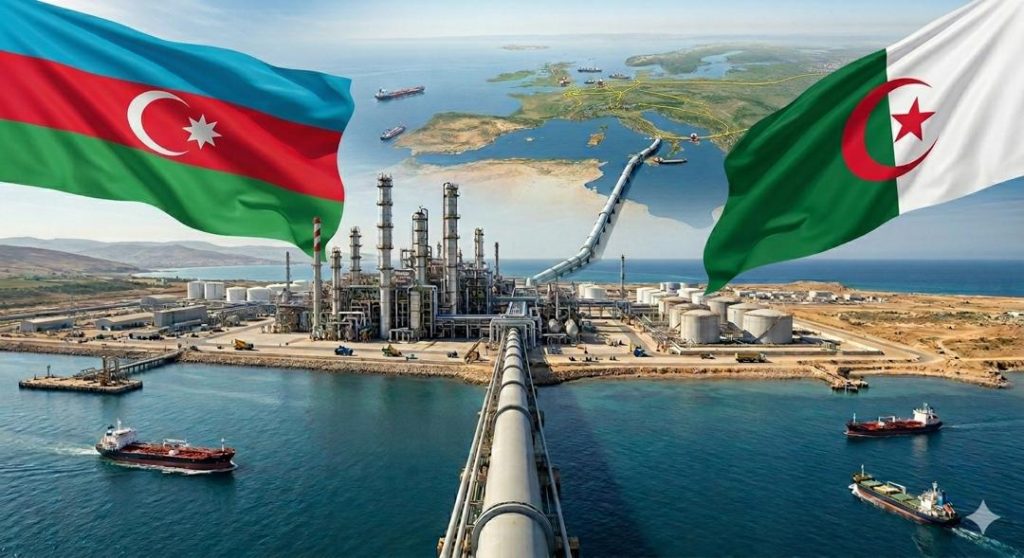
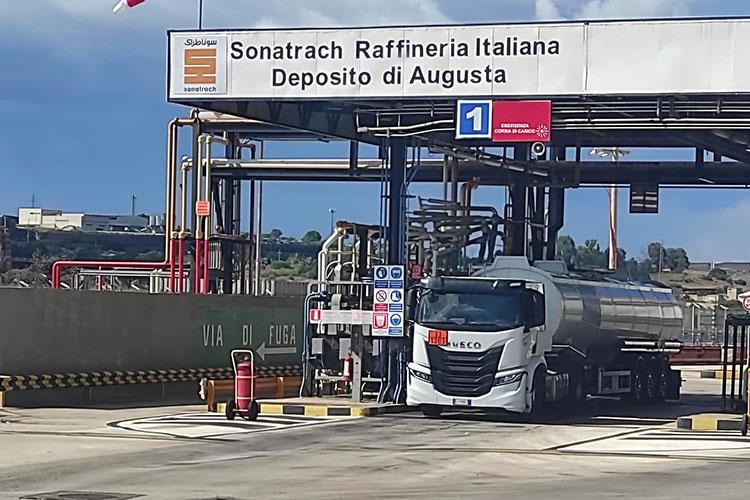
Algeria supplies roughly 9% of Europe’s natural gas imports, and France remains one of its most strategically significant partners on the continent. Even during periods of acute political tension, the energy corridor between the two countries has functioned as a quiet lifeline insulating economic cooperation from the noise of diplomatic friction.
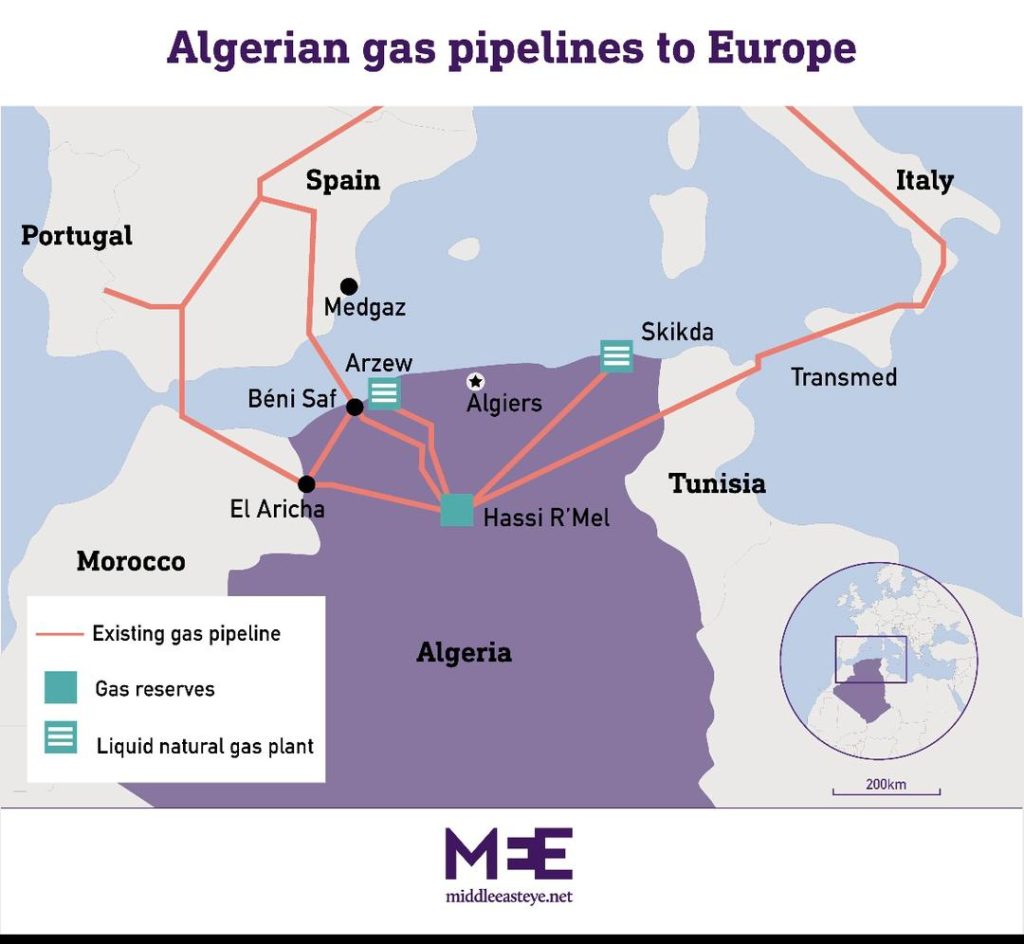
Now, with Europe still navigating the aftershocks of its energy crisis and accelerating the transition toward renewables, the stakes have shifted. Arkab’s discussions in Paris are expected to cover not only the existing natural gas framework, but also emerging opportunities in green hydrogen, solar energy and critical minerals sectors where Algeria holds considerable untapped potential and where French industrial groups have expressed growing interest.
Pragmatism Over Principle
What makes this visit notable is not what it celebrates, but what it reveals: that both governments have quietly chosen economic pragmatism over the paralysis of unresolved political grievances.
For Algeria, the trip reinforces its positioning as an indispensable energy actor in the Mediterranean one that is actively courted, not merely tolerated. For France, it represents an effort to secure and deepen a partnership that no alternative in the region can fully replace.
Yet questions remain. Will the meetings produce binding agreements, or will they generate the kind of joint communiqués that promise momentum without delivering it? And can energy cooperation alone sustain a relationship that continues to be weighed down by historical memory, competing regional interests and unresolved political disputes?
A Relationship Too Costly to Abandon, Too Complex to Repair Easily
Algeria and France share a relationship that defies simple categorization. It is neither a partnership in the full sense, nor a rivalry in any conventional one. It is something more specific: a structural interdependence, shaped by geography, history and mutual economic interest, that neither side has found a credible way to exit.
Arkab’s visit will not resolve that complexity. But it may do something equally important — demonstrate that both capitals still believe the relationship is worth managing carefully, even when it is too difficult to celebrate openly.
In diplomacy, that is sometimes the most honest signal of all.