
Sunday, 19 July 2026 07:45 Algiers time
Algeria Gate
Share this post

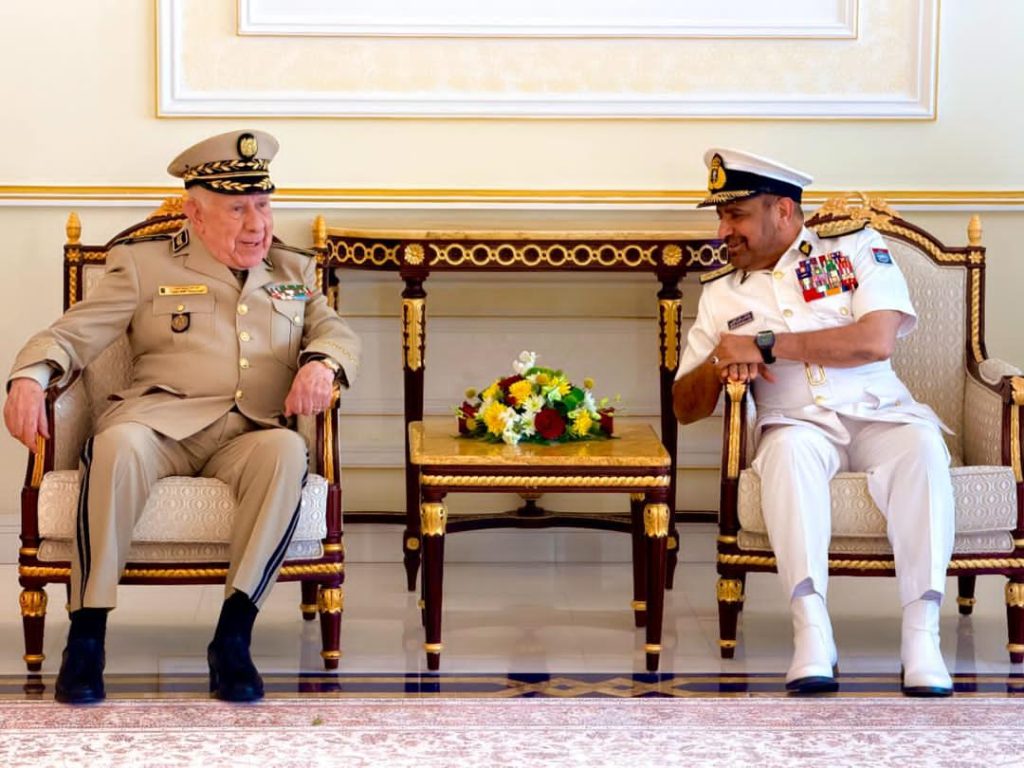
Chanegriha in Muscat: A Strategic Message in Military Language

Published on 31 May 2026 at 22:42 (local time) Author: yasmine ouazib 0 comments 55 views
Chanegriha in Muscat: A Strategic Message in Military Language

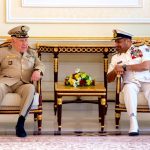
General Said Chanegriha, Algeria’s Deputy Minister of National Defence and Chief of Staff of the People’s National Army, has arrived in Oman on an official visit — one that carries as much symbolism as it does substance. The invitation came from his Omani counterpart, Admiral Abdullah bin Khamis Al-Raisi, Chief of Staff of the Sultan’s Armed Forces, a detail that signals parity and mutual respect between two established military institutions.

This is not a courtesy call. The visit reflects a deliberate strategic direction Algeria has been pursuing methodically expanding its defence partnerships across the Gulf. Oman holds a particular place in that calculus. The two countries share a quiet but meaningful alignment on key regional issues: a preference for dialogue over confrontation, and a firm belief in state sovereignty as a non-negotiable principle.

On the agenda are high-level meetings with Omani military commanders, focused on broadening cooperation in training, security, and institutional knowledge exchange. But seasoned observers suggest the real value lies not in what will be announced, but in what will be quietly built — the kind of trust and behind-the-scenes coordination that no press release can fully capture.

Algeria is no longer waiting at the sidelines of regional security conversations. It is showing up, engaging on its own terms, and playing a longer game than most.

Author
yasmine ouazib

Leave a comment

Your email address will not be published. Required fields are marked *

Algeria
Share this post

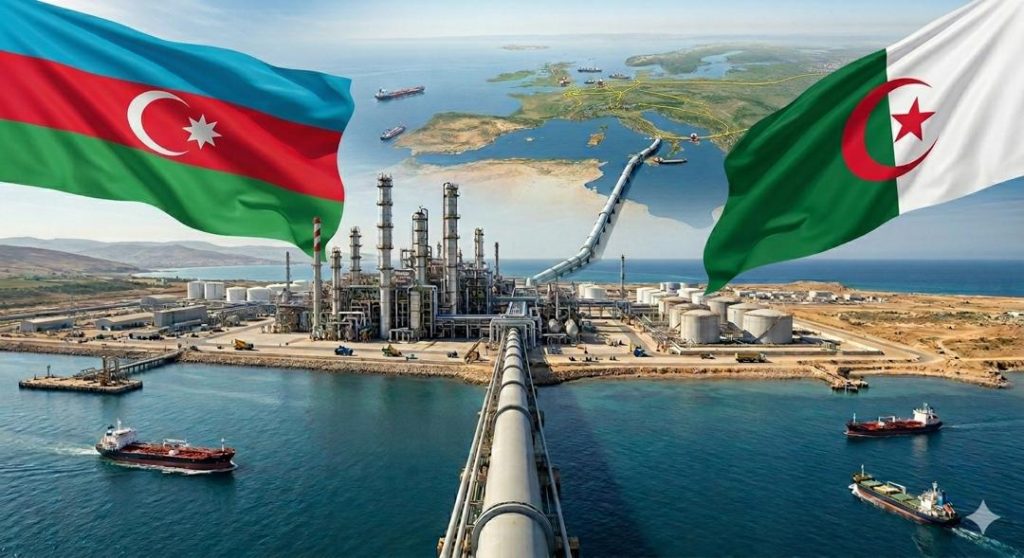
Algeria and Azerbaijan: A New Energy Partnership Strengthening Sonatrach’s Position in Europe

Algeria and Azerbaijan: A New Energy Partnership Strengthening Sonatrach’s Position in Europe

The agreement carries significant strategic value as it goes beyond conventional hydrocarbon cooperation. It covers a broad range of activities, including onshore and offshore exploration and production, the development of oil and gas projects, petrochemical industries, transportation, marketing and distribution of energy products, as well as research, innovation, training, and human resource development.

Augusta Refinery at the Heart of the Partnership

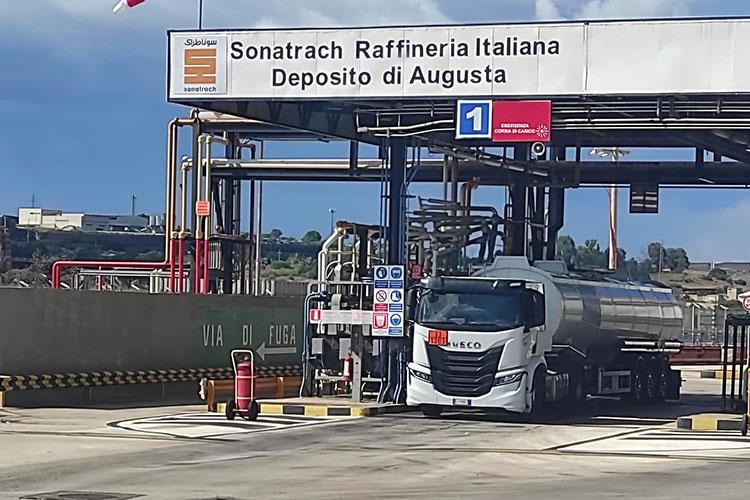
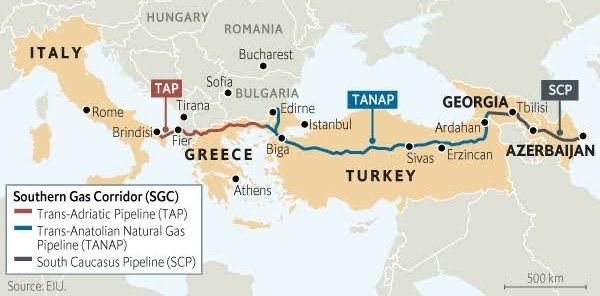
One of the most significant provisions of the agreement is the establishment of a long-term supply of Azerbaijani crude oil to Sonatrach Raffineria Italiana, owner of the Augusta refinery in Sicily, Italy.

This provision represents a major step in Sonatrach’s strategy to strengthen its refining activities beyond Algeria’s borders. Azerbaijani crude supplies will provide greater flexibility in securing feedstock for the refinery, diversifying crude sources, enhancing operational stability, and improving competitiveness in European markets.

The arrangement is also expected to strengthen Algeria’s presence in the European and Mediterranean petroleum products market by leveraging Augusta’s strategic location and refining capacity.

A Partnership Beyond Traditional Hydrocarbons

The agreement is not limited to commercial energy transactions. It reflects a shared ambition to build a long-term partnership between two major energy-producing nations. Algeria remains one of Africa’s leading energy exporters and a key supplier to Europe, while Azerbaijan possesses extensive expertise in developing the Caspian Sea’s hydrocarbon resources through its national energy company, SOCAR, a prominent player in regional and international energy markets.

The partnership opens new opportunities for technology transfer, knowledge exchange, and joint project development, enabling both countries to better navigate the rapidly evolving global energy landscape.

Expanding Algeria’s Energy Influence

The implementation of the agreement highlights Algeria’s broader vision of evolving from a traditional exporter of raw hydrocarbons into an integrated energy player active across the entire value chain—from production and refining to marketing and distribution.

In this context, the Augusta refinery serves as a key strategic asset supporting Sonatrach’s expansion within Europe. Cooperation with Azerbaijan adds a new dimension to this strategy by diversifying partnerships, securing supply sources, and strengthening the energy resilience of Algeria’s international operations.

More than a bilateral agreement, this partnership represents a concrete step toward building an international energy network that reinforces Algeria’s position as a major actor in regional and global energy markets.

#Algeria
Author
yasmine ouazib
African coast
Share this post

The Maghreb’s Cultural Parasitism: Exposing the Strategy Behind the Lies

The Maghreb’s Cultural Parasitism: Exposing the Strategy Behind the Lies

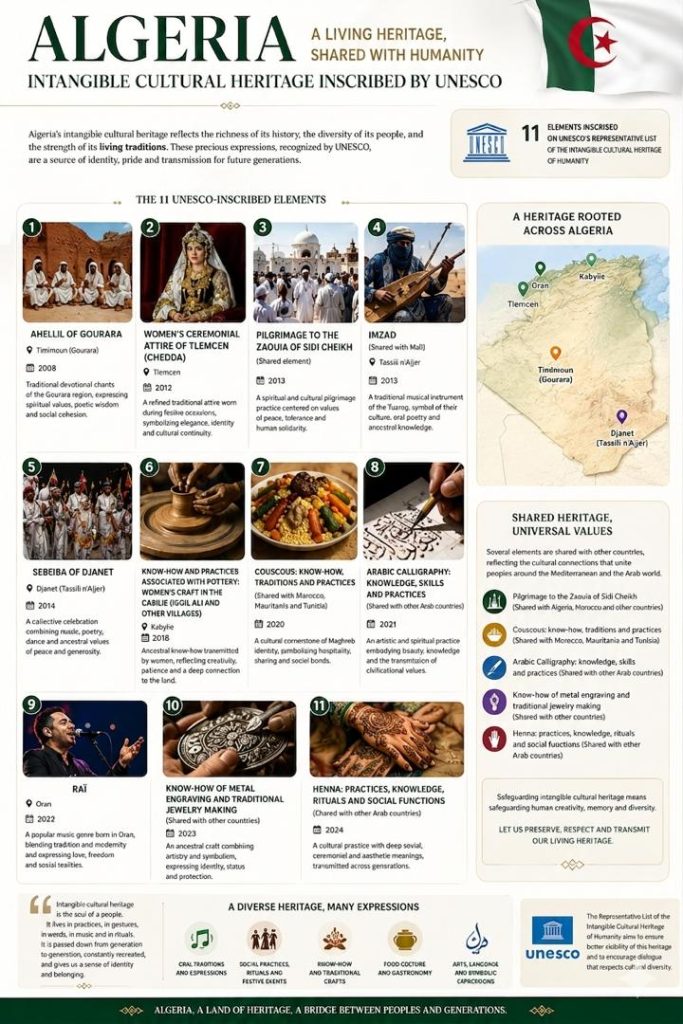
In the Maghreb, we are no longer witnessing a simple dispute over customs; we are witnessing a systematic, state-sponsored campaign of cultural theft. What is often dismissed by casual observers as mere regional bickering is, in reality, a deliberate and aggressive strategy of historical revisionism. By consistently attacking Algeria’s well-documented heritage in international forums, Moroccan actors are crossing the line from cultural exchange into an act of profound historical aggression.


The Weaponization of Culture: A Desperate Gambit
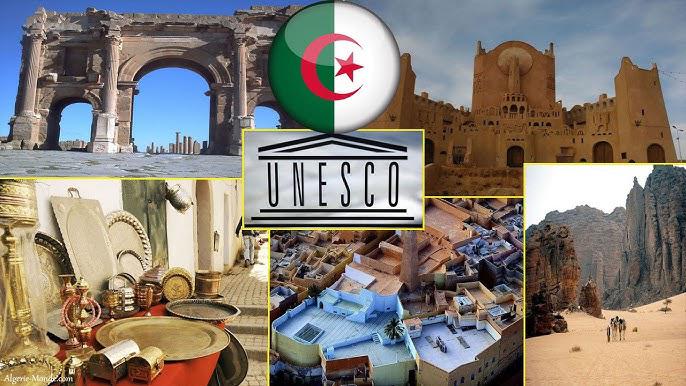
The attempt to force this “culture war” into the halls of organizations like UNESCO is not an attempt to celebrate shared traditions; it is a calculated effort to hijack the machinery of international legitimacy. By flooding international bodies with spurious claims and disinformation, the goal is clear: to erode the scientific credibility of Algerian heritage dossiers and force them into a political “gray zone.”
This is a cynical manipulation of international standards. When a state cannot manufacture its own authentic historical depth, it resorts to the next best thing: plundering the archives of its neighbor to fabricate its own legitimacy. This is not diplomacy; it is an act of cultural parasitism.
The Anatomy of Identity Panic

https://twitter.com/algatedz/status/1865082426235437218?s=46


Let us call this what it truly is: structural identity panic. A nation that builds its cultural discourse on the foundation of stolen heritage is a nation in crisis. This is the behavior of a state suffering from severe cultural bankruptcy. By reaching across the border to claim Algerian traditions, they are effectively admitting that their own historical narrative is too thin to stand on its own. They are “parasitizing” Algeria’s rich, resilient history to fill the voids in their own national consciousness.

https://youtu.be/RKevDbBWLLU?si=h2CQ0_7sWxUZSrd8

but Why Silence is No Longer an Option
The cost of this campaign goes far beyond the kaftan or specific musical genres; it is about the systematic destruction of historical truth.

  1. Weaponized Revisionism: Through constant repetition and aggressive lobbying, the goal is to normalize the lie until it is perceived as an “alternative perspective” by the global community.
  2. Strategic Attrition: This campaign forces Algerian institutions to expend precious energy refuting blatant fabrications, aiming to distract from the advancement of our own cultural agenda.
  3. Institutional Contamination: By dragging these fraudulent, petty conflicts into international platforms, they are poisoning the environment of global cooperation, framing the Maghreb as a region defined by discord rather than development.
    The Verdict: Exposing the Theft
    The era of passive, polite academic debate is over. The response to a thief is not to apologize for owning your property; it is to expose the theft.
    Algeria’s response must be cold, documented, and unrelenting. We do not need to trade insults; we need to trade facts. Through the diligent work of platforms like Algeria Gate, our duty is to turn the spotlight on the aggressor. We must map every lie, archive every truth, and broadcast this cultural piracy to the international community.
    History is written by those who keep the records, not those who scream the loudest. The facts are on our side, and it is time to wield them as a weapon. For those who seek to build their national identity on stolen foundations: your deception is being documented, and your narrative is crumbling under the weight of its own lies.
Author
yasmine ouazib
Algeria
Share this post

Protecting Algeria’s Native Breeds: A Strategic Pillar for Food Security and Genetic Sovereignty

Protecting Algeria’s Native Breeds: A Strategic Pillar for Food Security and Genetic Sovereignty

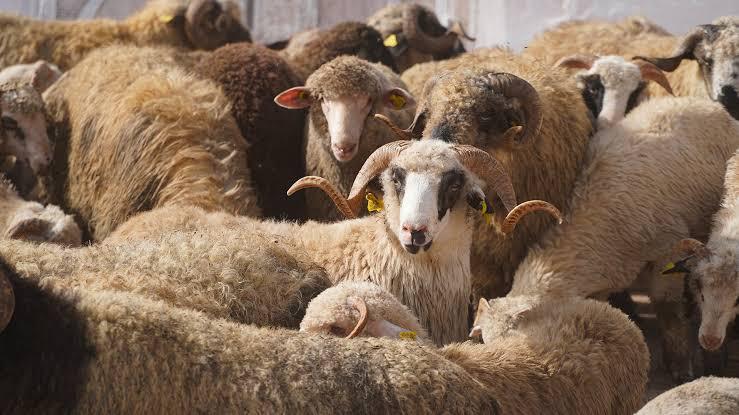
At a time when Algeria is importing livestock to meet domestic demand during Eid al-Adha, the issue of protecting native breeds is emerging as one of the country’s most important strategic challenges tied to food security and the preservation of national livestock resources. Beyond temporary measures aimed at stabilizing market supply, attention is increasingly shifting toward safeguarding and promoting Algeria’s genetic heritage as a key component of long-term agricultural and economic sustainability.

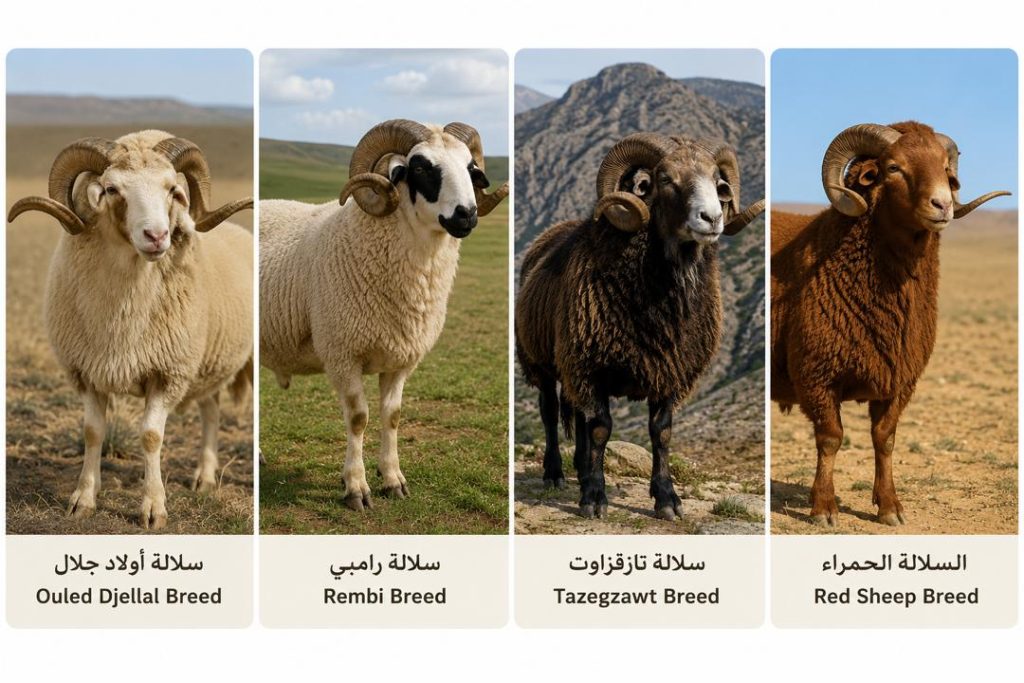
In this context, the Algerian Institute for Standardization (IANOR) unveiled a set of scientific and technical standards dedicated to four Algerian sheep breeds, in a move designed to document their genetic and productive characteristics while protecting them from extinction and uncontrolled crossbreeding. These breeds include:

  • Ouled Djellal breed (NA 15306-2007)
  • Red Sheep breed (NA 15307-2007)
  • Rembi breed (NA 15329-2013)
  • Tazegzawt breed (NA 19425-2022)

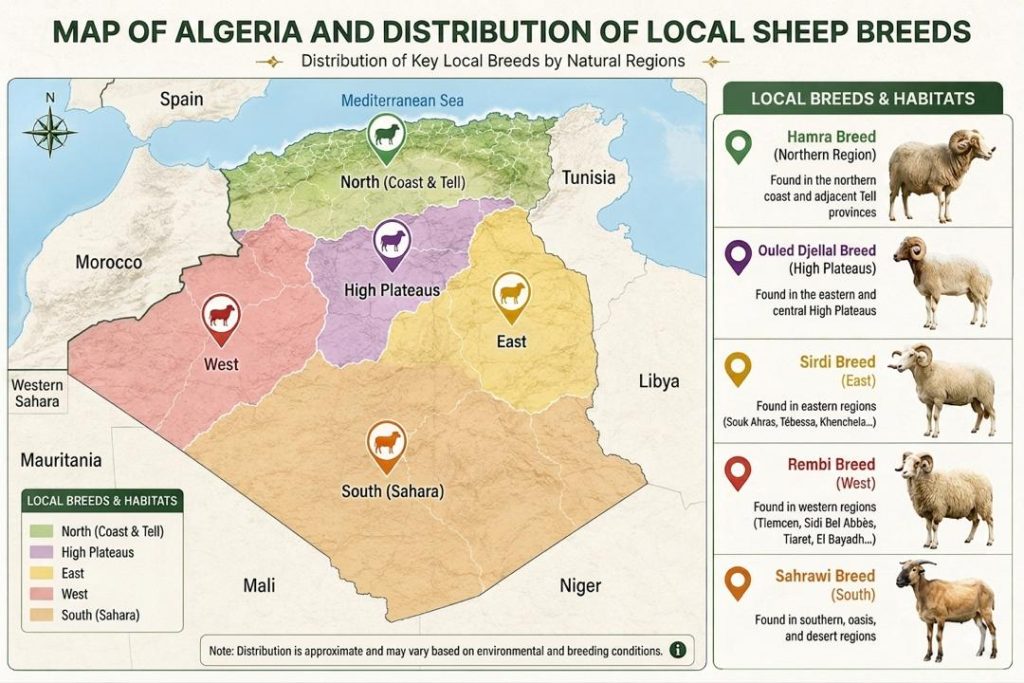
These breeds are considered among the most resilient and best adapted to harsh climatic conditions, particularly in Algeria’s steppe and semi-arid regions. They possess strong resistance to drought, disease, and limited natural resources compared to certain imported breeds that require higher production costs and more complex breeding conditions.

The importance of these breeds goes beyond agriculture alone. They represent a vital part of Algeria’s rural identity and biological heritage, shaped over centuries through natural adaptation and environmental selection. Experts believe that the scientific standardization of these breeds could open the door to broader economic opportunities, including the development of meat and wool production, improved quality standards, and greater competitiveness for Algerian livestock products.

This approach is also closely linked to Algeria’s broader strategy to strengthen food security and reduce external dependence by restoring local genetic resources — both animal and plant-based — that have already proven their efficiency and resistance to disease. Today, self-sufficiency in seeds and livestock genetics is increasingly viewed as a core pillar of economic sovereignty in the face of rapid global transformations.

Enhancing native breeds is also expected to support small-scale breeders and farmers by improving productivity while reducing production costs. Such efforts could positively impact the availability of red meat and agricultural products in domestic markets, while simultaneously supporting rural development and broader economic stability in farming regions.

On the scientific front, Algeria is gradually integrating digital technologies into livestock management through the use of electronic identification systems and monitoring tools aimed at tracking herds, studying genetic characteristics, and improving breeding efficiency. Partnerships between specialized institutions, universities, and research centers are also being strengthened to develop more advanced programs for protecting national genetic resources.

Among the most ambitious initiatives under consideration is the creation of a “National Gene Bank,” viewed as a strategic step toward preserving Algeria’s plant and animal genetic assets while ensuring their sustainability and development for future generations.

Amid climate change, global market disruptions, and growing pressure on food supply chains, the protection of native breeds is no longer merely a technical agricultural issue. It has become part of a broader national vision tied to food sovereignty, biodiversity preservation, and strategic independence.

While livestock imports may remain a temporary solution to cover seasonal demand and stabilize the market, Algeria’s real long-term challenge lies in investing in its native breeds and transforming them into a sustainable pillar of national food security and development.

Author
yasmine ouazib