At a time when Algeria is importing livestock to meet domestic demand during Eid al-Adha, the issue of protecting native breeds is emerging as one of the country’s most important strategic challenges tied to food security and the preservation of national livestock resources. Beyond temporary measures aimed at stabilizing market supply, attention is increasingly shifting toward safeguarding and promoting Algeria’s genetic heritage as a key component of long-term agricultural and economic sustainability.
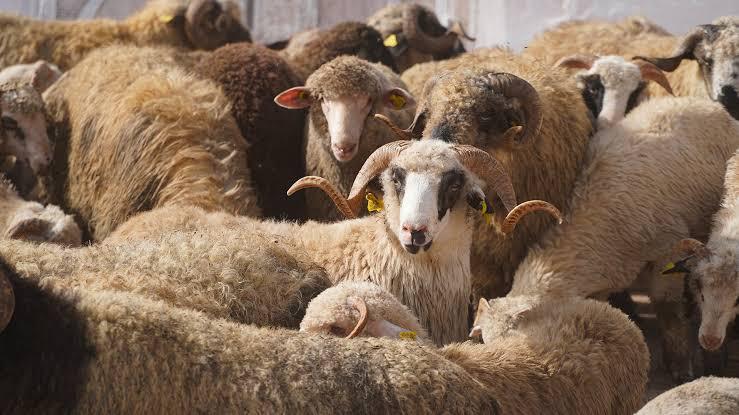
In this context, the Algerian Institute for Standardization (IANOR) unveiled a set of scientific and technical standards dedicated to four Algerian sheep breeds, in a move designed to document their genetic and productive characteristics while protecting them from extinction and uncontrolled crossbreeding. These breeds include:
- Ouled Djellal breed (NA 15306-2007)
- Red Sheep breed (NA 15307-2007)
- Rembi breed (NA 15329-2013)
- Tazegzawt breed (NA 19425-2022)
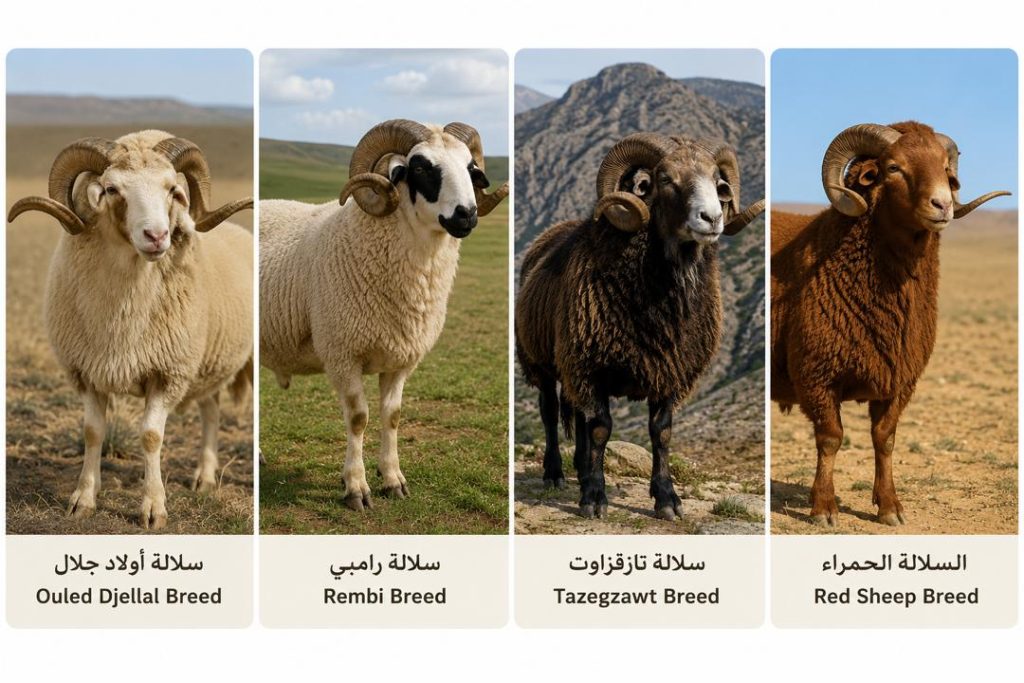
These breeds are considered among the most resilient and best adapted to harsh climatic conditions, particularly in Algeria’s steppe and semi-arid regions. They possess strong resistance to drought, disease, and limited natural resources compared to certain imported breeds that require higher production costs and more complex breeding conditions.
The importance of these breeds goes beyond agriculture alone. They represent a vital part of Algeria’s rural identity and biological heritage, shaped over centuries through natural adaptation and environmental selection. Experts believe that the scientific standardization of these breeds could open the door to broader economic opportunities, including the development of meat and wool production, improved quality standards, and greater competitiveness for Algerian livestock products.
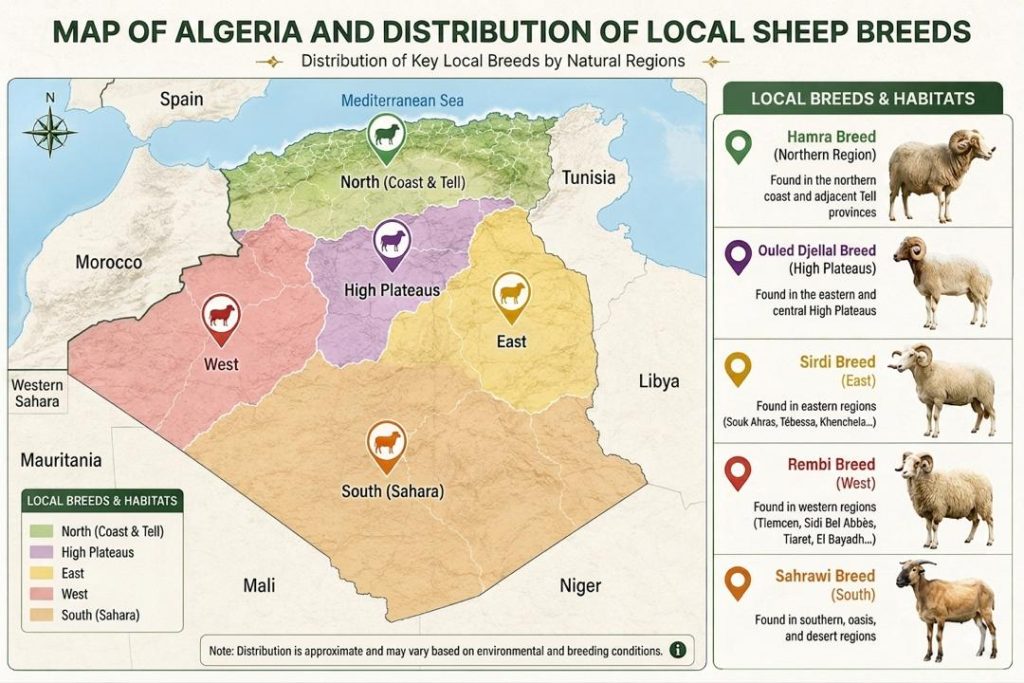
This approach is also closely linked to Algeria’s broader strategy to strengthen food security and reduce external dependence by restoring local genetic resources — both animal and plant-based — that have already proven their efficiency and resistance to disease. Today, self-sufficiency in seeds and livestock genetics is increasingly viewed as a core pillar of economic sovereignty in the face of rapid global transformations.
Enhancing native breeds is also expected to support small-scale breeders and farmers by improving productivity while reducing production costs. Such efforts could positively impact the availability of red meat and agricultural products in domestic markets, while simultaneously supporting rural development and broader economic stability in farming regions.
On the scientific front, Algeria is gradually integrating digital technologies into livestock management through the use of electronic identification systems and monitoring tools aimed at tracking herds, studying genetic characteristics, and improving breeding efficiency. Partnerships between specialized institutions, universities, and research centers are also being strengthened to develop more advanced programs for protecting national genetic resources.
Among the most ambitious initiatives under consideration is the creation of a “National Gene Bank,” viewed as a strategic step toward preserving Algeria’s plant and animal genetic assets while ensuring their sustainability and development for future generations.
Amid climate change, global market disruptions, and growing pressure on food supply chains, the protection of native breeds is no longer merely a technical agricultural issue. It has become part of a broader national vision tied to food sovereignty, biodiversity preservation, and strategic independence.
While livestock imports may remain a temporary solution to cover seasonal demand and stabilize the market, Algeria’s real long-term challenge lies in investing in its native breeds and transforming them into a sustainable pillar of national food security and development.