Sunday, 18 October 2026 • 20:10 Algiers time
Algeria Gate
News Room
Cameron Hudson: UAE is virtually the sole backer of the RSF..without its support the war in Sudan would not continue Algeria-Niger: Official launch of Trans-Saharan fibre optic link Five minutes of lament over Algeria: Amar Belani exposes CNEWS’s real obsession Algerian courts hand down first death sentences under new drugs law Ségolène Royal’s masterclass on Algeria against an ignorant and demagogic journalist President Tebboune and senior officials receive the remains of Boualem Boualem in Algiers NAPEC 2026 in Oran: Algeria at the Heart of Africa’s and the Mediterranean’s New Energy Landscape Pegasus Files: Amnesty Uncovers Morocco’s Espionage Against Spain President Tebboune Orders Salary Increases in Algeria’s 2027 Budget, Rules Out New Taxes on Citizens Algeria Emerges as a Trusted Power for Regional Peace and Stability
Share this post

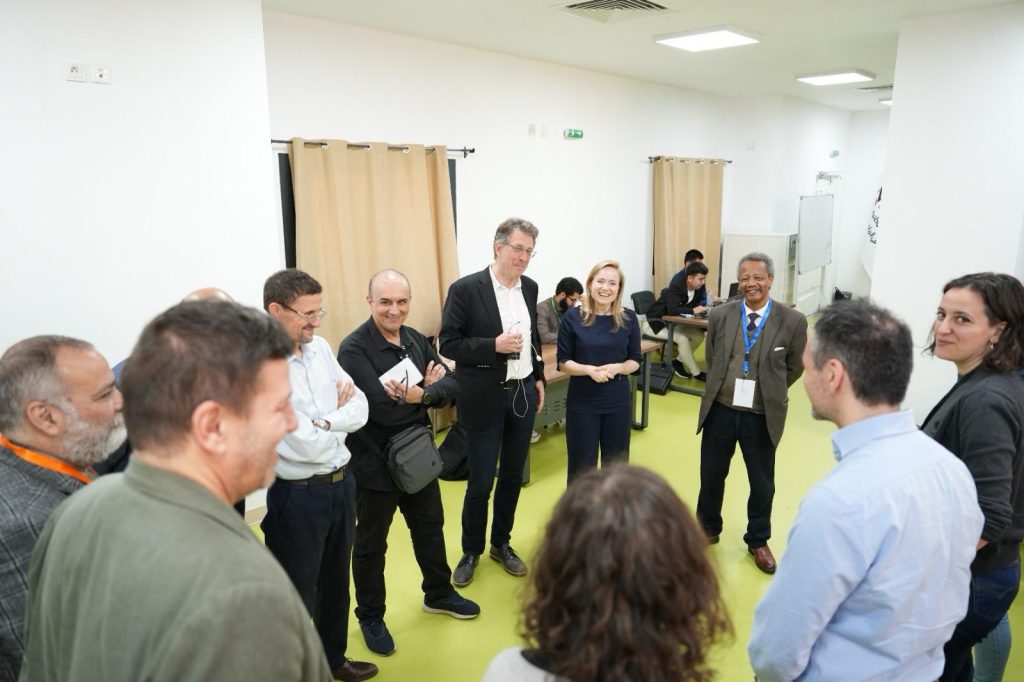
Algerian-Dutch Mathematical Collaboration: International Experts Convene at ENSM for CIMPA Program

• Author: بوابة الجزائر • 0 comments • 98 views
Algerian-Dutch Mathematical Collaboration: International Experts Convene at ENSM for CIMPA Program

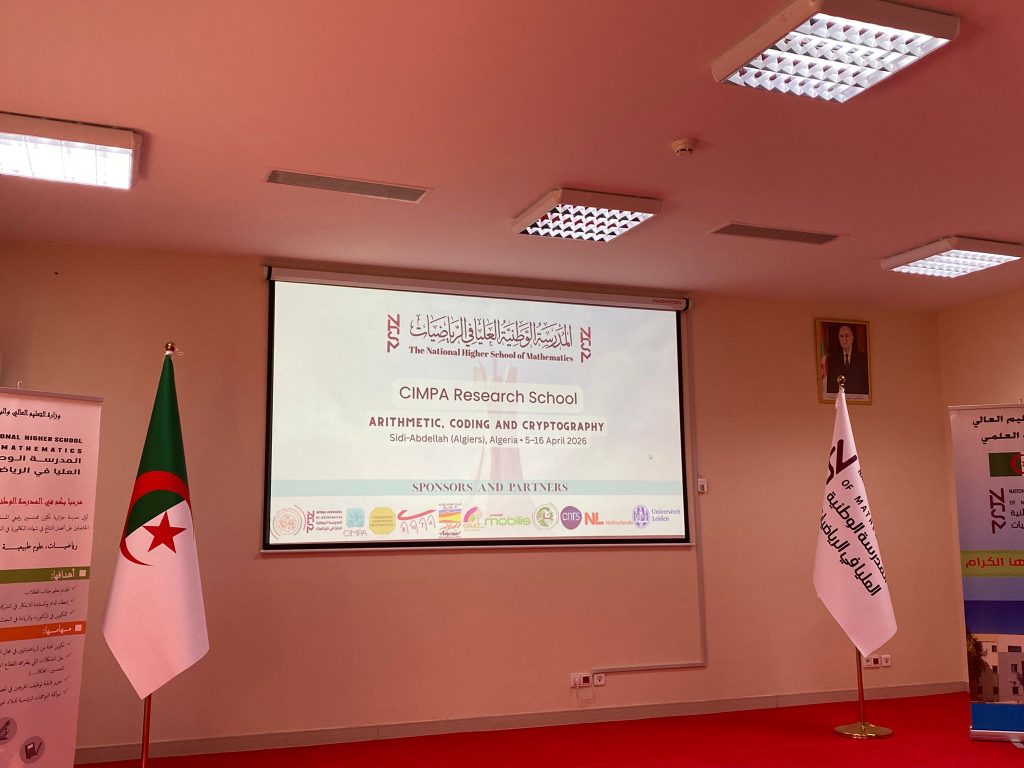
ALGIERS – The National Higher School of Mathematics (ENSM) in Algiers recently hosted a high-level academic exchange as part of the International Centre for Pure and Applied Mathematics (CIMPA) program. Held from April 5 to 16, 2026, the initiative aimed to foster international scientific cooperation and enhance advanced mathematical research in Algeria.
Algerian-Dutch Mathematical Collaboration: International Experts Convene at ENSM for CIMPA Program

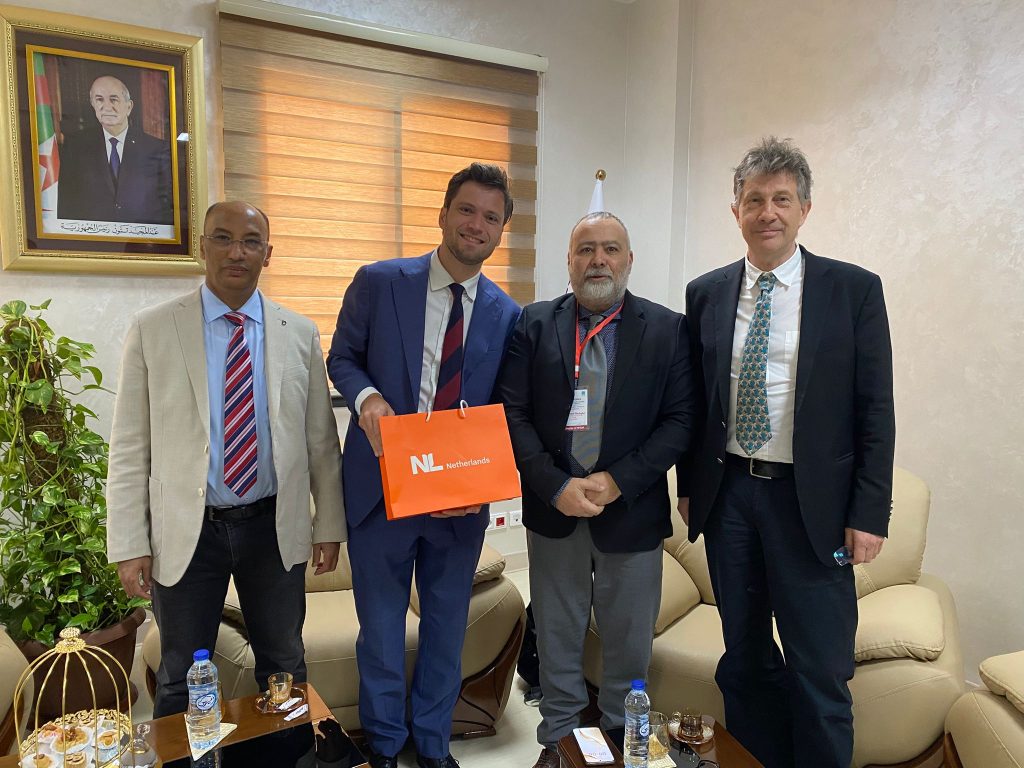
According to a statement released by the Embassy of the Kingdom of the Netherlands in Algeria, the program brought together a distinguished group of international professors. Among the prominent participants was Professor Peter Stevenhagen from Leiden University in the Netherlands, who contributed his expertise alongside other global scholars.

This year’s edition focused on specialized and strategic fields, including Arithmetic, Coding, and Cryptography. The sessions provided a unique platform for both Algerian and international students to engage with world-class academics, gaining deep insights into the mathematical foundations of modern digital security and data processing.

The Embassy of the Netherlands expressed its pride in participating in the program’s opening ceremony and conducting a tour of the ENSM facilities. During the visit, diplomatic representatives met with faculty members and students, highlighting the importance of such cross-border academic partnerships.

“We thank the Algerian Ministry of Higher Education and Scientific Research and the National Higher School of Mathematics for making this mutually beneficial cooperation possible,” the Embassy stated, wishing the participating students success in their future scientific endeavors.

This collaboration underscores Algeria’s growing role as a regional hub for excellence in mathematics and its commitment to integrating national elite schools into the global academic landscape.

Algerian-Dutch Mathematical Collaboration: International Experts Convene at ENSM for CIMPA Program
#CIMPA
Author
بوابة الجزائر
View my articles

Leave a comment

Your email address will not be published. Required fields are marked *

Algeria
Share this post

Algeria and Chad Launch Inaugural Business Council to Drive Strategic Economic Integration

Algeria and Chad Launch Inaugural Business Council to Drive Strategic Economic Integration

Ministers Reaffirming Commitments to “Win-Win” Partnerships and Intra-African Trade via the Algiers-Lagos Corridor

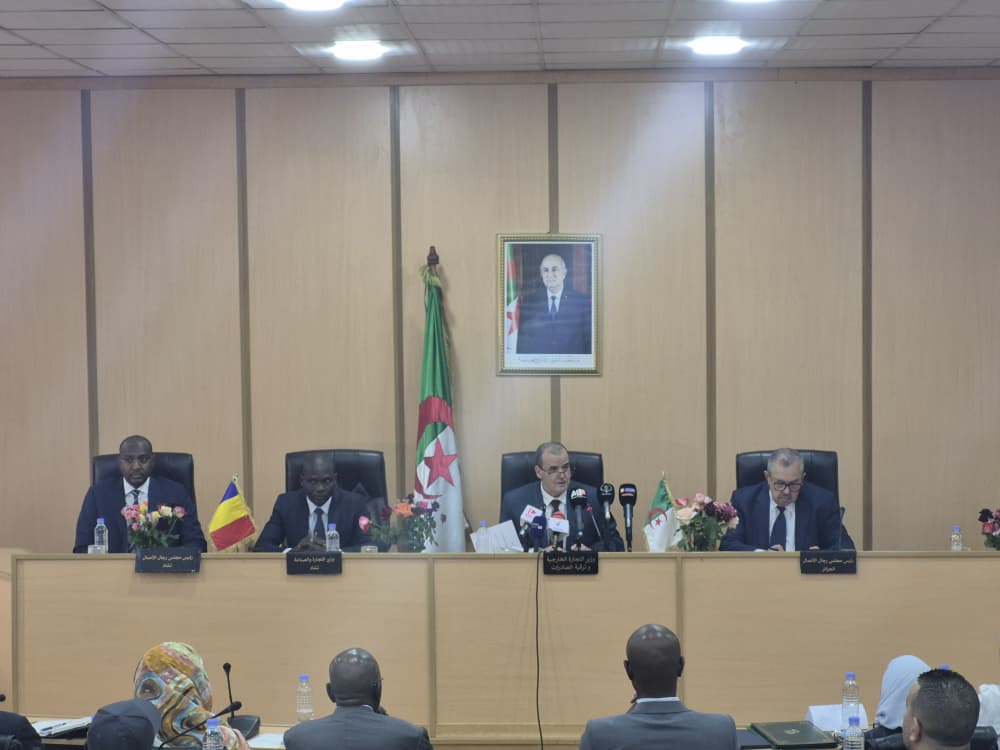
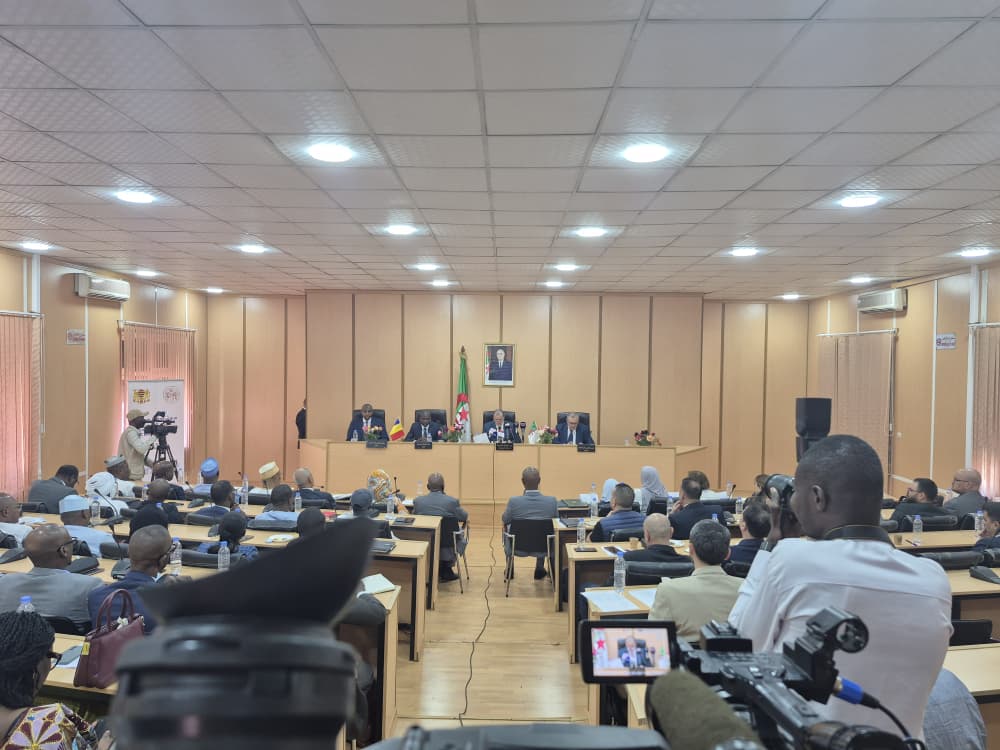
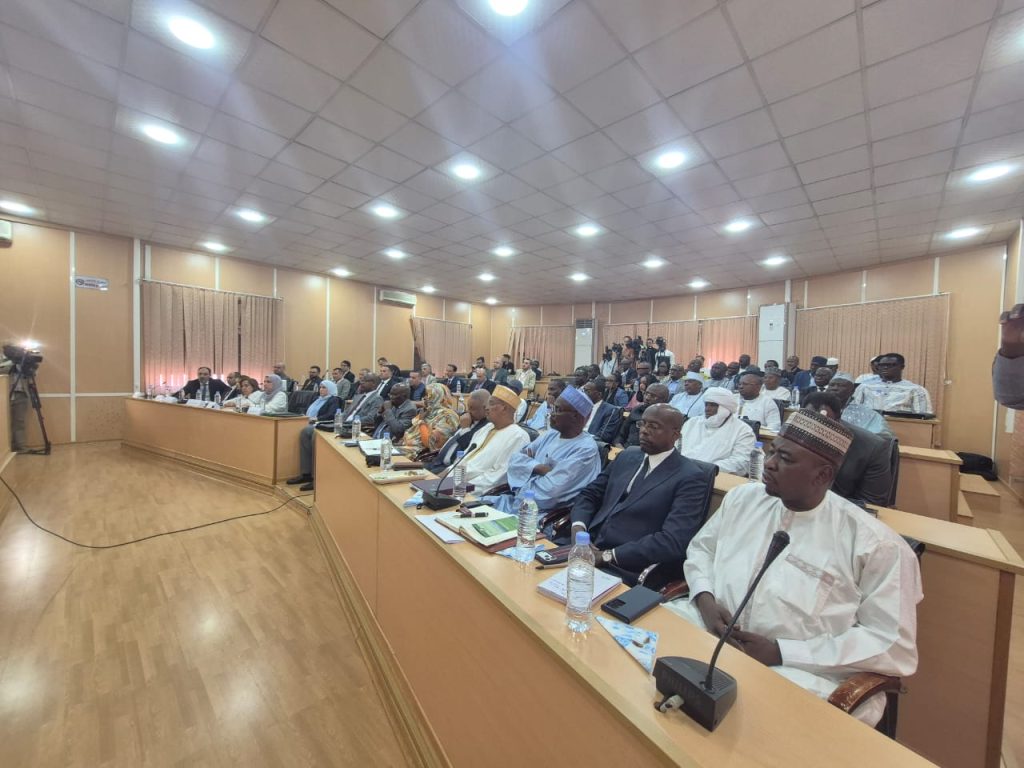
ALGIERS, April 20, 2026 – In a significant step toward strengthening North-South economic ties in Africa, the Algerian Minister of Foreign Trade and Export Promotion, Professor Kamel Rezig, alongside Chadian Minister of Trade and Industry, Mr. Mathieu Guibolo Fanga, officially inaugurated the first session of the Algerian-Chadian Business Council today.

Algeria and Chad Launch Inaugural Business Council to Drive Strategic Economic Integration

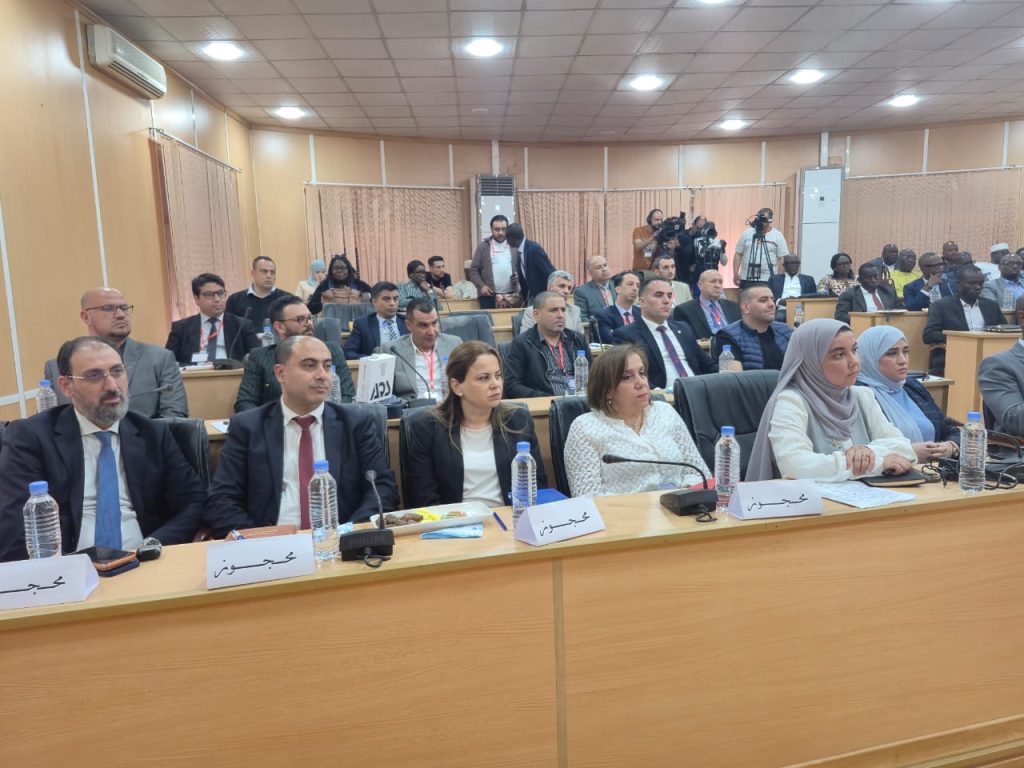
The meeting, held at the Ministry’s headquarters in Algiers, brought together a high-level delegation of business leaders and economic operators from both nations to transform historical ties into tangible investment projects.

A Strategic Pivot to Africa In his opening remarks, Professor Rezig emphasized that the establishment of this council is not merely a diplomatic gesture but a “practical mechanism” for economic cooperation. He noted that the initiative reflects the strong political will of President Abdelmadjid Tebboune and President Mahamat Idriss Déby Itno to move beyond traditional relations and build a robust African economic integration.

“Chad is a pivotal partner in Algeria’s strategic orientation toward its African depth,” Rezig stated. He highlighted several key logistics pillars supporting this vision, including the expansion of air connectivity between Algiers and N’Djamena and the activation of the Trans-Saharan Highway (Algiers–Lagos). These projects are expected to drastically reduce transport costs and facilitate the movement of goods and people across the continent.

Algeria and Chad Launch Inaugural Business Council to Drive Strategic Economic Integration

Encouraging Investment and “Win-Win” Partnerships Minister Rezig issued a direct call to Algerian economic operators to seize the “promising opportunities” within the Chadian market. He reaffirmed the Ministry’s commitment to providing all necessary facilities to ensure a strong presence for Algerian products in Chad.

From his side, the Chadian Minister, Mathieu Guibolo Fanga, praised the launch of the council as a milestone for bilateral trade. He emphasized that Chad possesses vast natural resources and untapped economic potential that offer lucrative prospects for partnership in sectors such as agriculture, mining, and industry. Minister Fanga invited Algerian investors to explore these opportunities, building a “win-win” framework that serves the mutual interests of both economies.

Algeria and Chad Launch Inaugural Business Council to Drive Strategic Economic Integration

Charting a New Course for Intra-African Trade The session provided a platform for direct B2B meetings, allowing businesses from both countries to discuss direct partnerships. The council’s activities are expected to breathe new life into trade exchanges, aligning with the broader goals of the African Continental Free Trade Area (AfCFTA) by fostering regional self-reliance and economic synergy.

#Algeria#Chad#Intra-African Trade
Author
بوابة الجزائر
View my articles
Algeria
Share this post

Algeria-Russia Strategic Partnership: $10 Billion Trade Target and Shifting Geopolitical Dynamics

Algeria-Russia Strategic Partnership: $10 Billion Trade Target and Shifting Geopolitical Dynamics

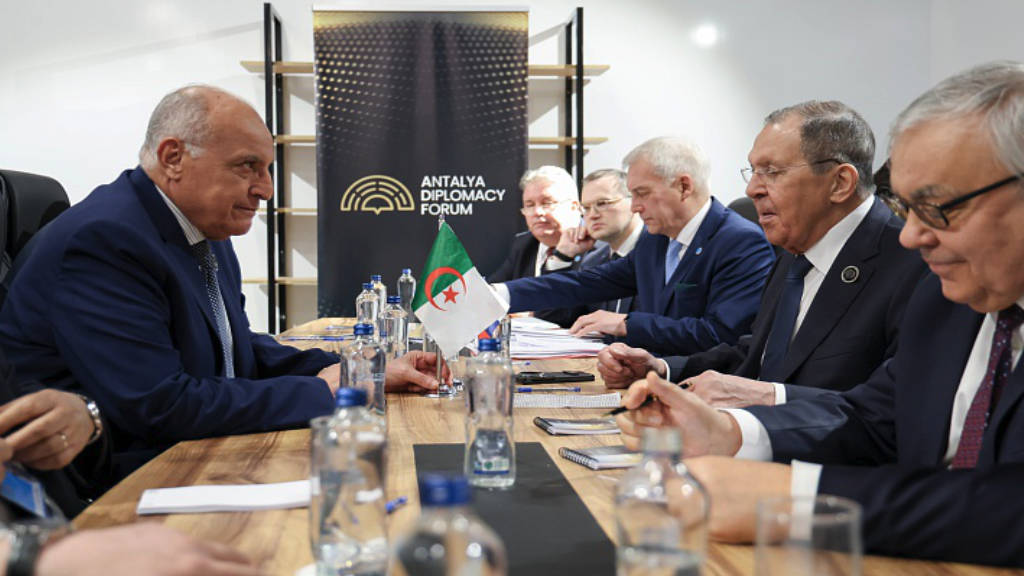
Antalya, Turkey – In a significant diplomatic move on the sidelines of the Antalya Diplomacy Forum (April 18, 2026), Algerian Foreign Minister Ahmed Attaf and his Russian counterpart Sergey Lavrov held substantive talks to accelerate the “Strategic Partnership” between the two nations. According to reports from Russia’s Pivot to Asia, the discussions focused on regional stability in the Sahel and Maghreb, underpinned by a rapidly growing economic alliance.

Economic Momentum: Breaking the $10 Billion Barrier

The economic relationship between Algiers and Moscow has moved beyond traditional defense cooperation into a diversified trade powerhouse. According to Mohammed Touil, a representative of the Algerian-Russian parliamentary group, bilateral trade reached US$2.5 billion in late 2025.

Both nations have now set a strategic roadmap to quadruple this figure, aiming for US$10 billion in annual trade by 2030.

Algeria’s 2026 Economic Profile (Key Data)

As documented by Russia’s Pivot to Asia using data from Statista and official government sources, Algeria enters 2026 with a robust economic outlook:

  • GDP (PPP): US$826.14 billion.
  • GDP per Capita (PPP): Approximately US$17,770.
  • Projected Growth: 3.8% for the 2026 fiscal year.
  • Population: 46.81 million.

Pivoting Towards the Global South: BRICS and SCO

The report highlights Algeria’s successful integration into eastern economic blocs, marking a shift in global supply chain dynamics. Algeria is now officially:

  • A member of the BRICS New Development Bank (NDB).
  • A recognized BRICS Partner State.
  • A Dialogue Partner of the Shanghai Cooperation Organisation (SCO).

Diversification and Strategic Reserves

While the hydrocarbon sector remains a cornerstone—accounting for 60% of government revenue and 87.7% of export earnings—Algeria is leveraging Russian expertise to boost its mining and industrial sectors.

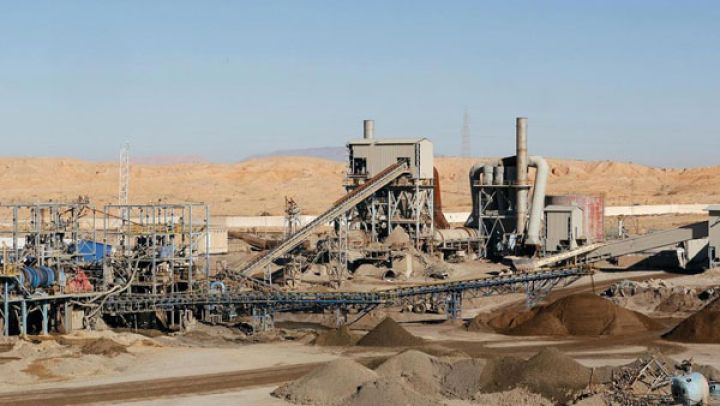
The Bled El Hadba phosphate mine, with its massive 800 million-tonne reserve, is a focal point for joint ventures in fertilizers and petrochemicals. Furthermore, the two countries are exploring joint energy projects across the African continent, positioning Algeria as a gateway for Russian investment in the AfCFTA (African Continental Free Trade Area).

Algeria-Russia Strategic Partnership: $10 Billion Trade Target and Shifting Geopolitical Dynamics
Author
بوابة الجزائر
View my articles
Algeria
Share this post

Algeria Emerges as the Strategic Winner in North Africa’s Energy Reshuffle

Algeria Emerges as the Strategic Winner in North Africa’s Energy Reshuffle

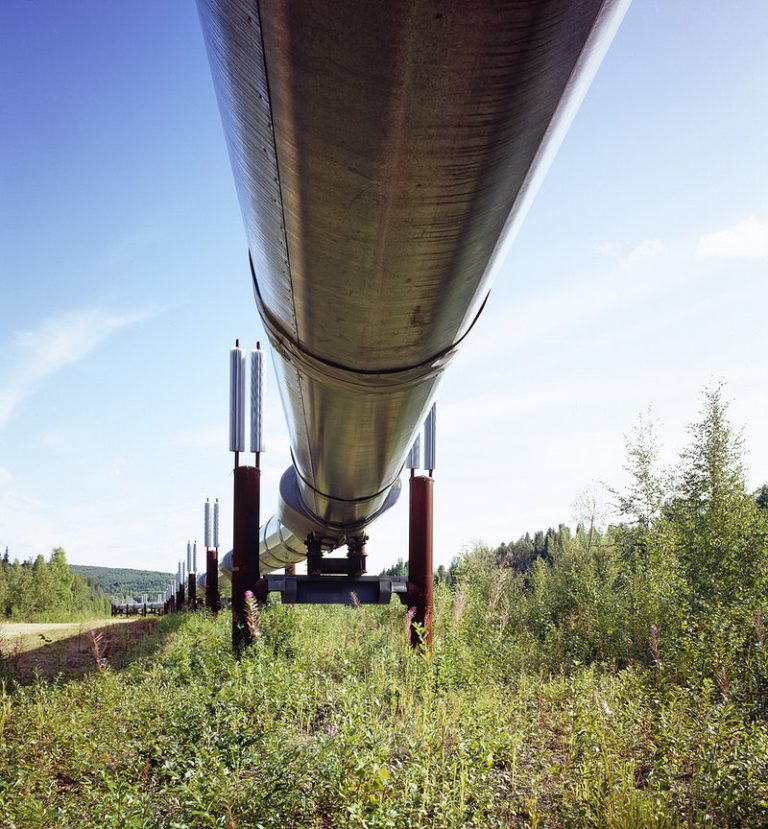
Algeria Gate :The North African gas balance is being reshaped by international tensions—notably since the war in Iran—highlighting the strategic importance of regional transport networks.


In this context, the crisis triggered by tensions in the Gulf has indirectly bolstered Algeria’s position as a key energy supplier, according to Geoff Porter, founder of North Africa Risk Consulting (NARCO), in an interview with Attaqa.net, a Washington-based energy platform.

Algeria Emerges as the Strategic Winner in North Africa’s Energy Reshuffle


According to the American expert, through the Transmed pipeline linking Algeria to Italy via Tunisia, and the Medgaz pipeline to Spain, Algiers enjoys direct and stable access to the European market. This infrastructure allows it to capture part of the increased demand caused by global disruptions, while solidifying its image as a reliable supplier to partners like Italy and Spain, who are eager to secure long-term supplies. “Europe now clearly sees Algeria as a stable energy partner,” Porter says.

Algeria Emerges as the Strategic Winner in North Africa’s Energy Reshuffle


In the same vein, the competition over projects to transport Nigerian gas to Europe is also shifting in Algeria’s favor. “At this stage, the Trans-Saharan Pipeline project is more viable than the Atlantic Africa-Morocco Pipeline,” the expert estimates. Being shorter, technically less complex, and backed by existing infrastructure, the Trans-Saharan project holds decisive advantages over the more costly and legally complex Moroccan project.


For Porter, Morocco’s situation appears more fragile. Lacking direct access to Algerian gas via the Maghreb-Europe pipeline, Rabat depends entirely on Liquefied Natural Gas (LNG) imports, exposing it to international market fluctuations. While the initial impact of the Iranian crisis was limited, signs of tension are mounting: difficulties in securing cargoes, occasional supply interruptions, and growing uncertainty over flow continuity.


As for Libya and Tunisia, Porter notes two distinct energy trajectories. Libya maintains the structural capacity to quickly restart hydrocarbon production but remains weakened by recurring external political and security factors that have disrupted exports since 2011. Conversely, Tunisia benefits from relative stability thanks to the Transmed pipeline transit, which allows it to receive a royalty in kind (gas). This mechanism ensures a partial supply and mitigates the impact of international turbulence, though it does not fully shield the country from energy tensions.


Algeria emerges as the primary beneficiary of geopolitical tensions in the Arabian Gulf. However, Porter notes that this positioning is constrained by structural limits: the country lacks significant excess capacity in the short term. Despite its reinforced status, Algiers must accelerate upstream development to meet growing demand.


In this era of global energy realignment, investment capacity and infrastructure control have become, more than ever, the true keys to sovereignty.

Source: l’Algérie Aujourd’hui

Author
بوابة الجزائر
View my articles