Far more than a venue for showcasing products and closing business deals, the 57th Algiers International Fair offered a snapshot of Algeria’s broaVder regional and international vision: positioning itself as a strategic hub linking Europe, Africa, and Asia through diplomacy, investment, and economic cooperation.
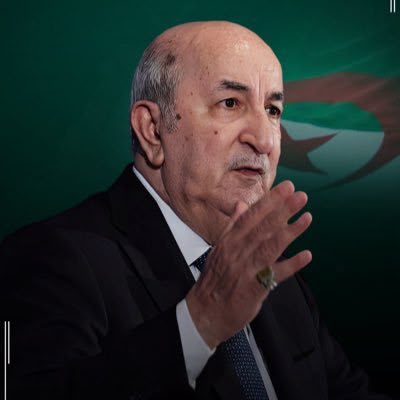
During his tour of the exhibition, President Abdelmadjid Tebboune visited several national pavilions, including those of Chad, Tunisia, Oman, Palestine, and Senegal. At the Chadian pavilion, he highlighted the two countries’ ambition to build a stronger economic partnership in cement production and mineral resources, building on months of cooperation in the energy and hydrocarbons sectors.
At the Tunisian pavilion, Tebboune delivered a clear message of Maghreb solidarity, praising the strength of bilateral ties and commending President Kais Saied’s determination to revive the Tunisian economy. His remarks reflected a broader Algerian view that regional economic stability is inseparable from Algeria’s own prosperity.
The Omani presence at the fair underscored Algeria’s growing links with Asia. Oman participated with a high-level delegation led by its Minister of Commerce, Industry and Investment Promotion, bringing together more than 60 companies operating in sectors ranging from pharmaceuticals and transport to electrical equipment, real estate, fisheries, tourism, and food industries. The participation highlighted Oman’s interest in accessing African markets through Algeria.
On the northern shore of the Mediterranean, Spain’s status as the guest of honor reflected the improving trajectory of Algerian-Spanish relations. President Tebboune began his visit with the Spanish pavilion, underlining Spain’s importance as one of Algeria’s key economic partners in Europe and signaling both countries’ willingness to deepen cooperation following a period of diplomatic strain.
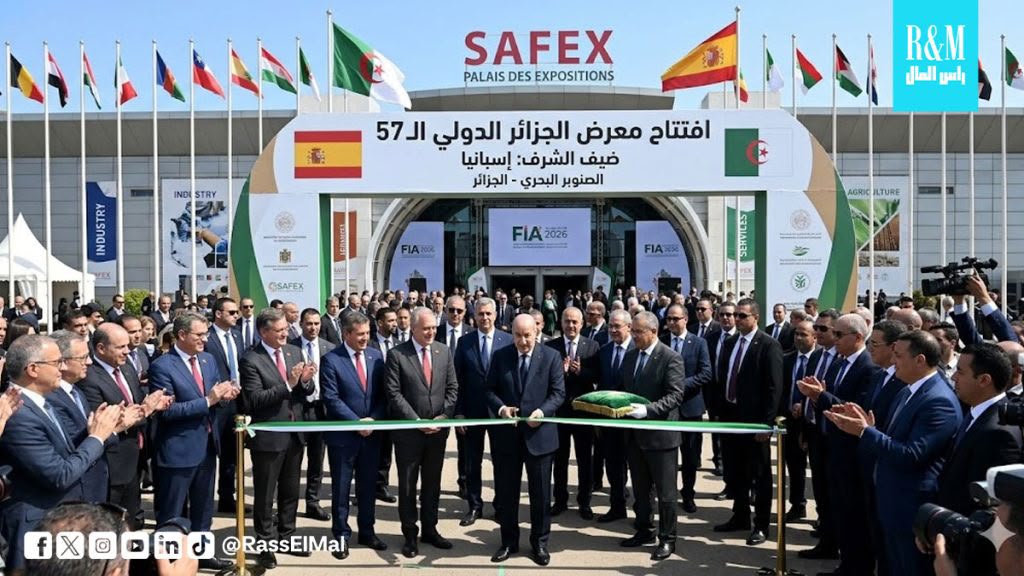
With Chad to the south, Tunisia in the Maghreb neighborhood, Spain to the north, and Oman representing Asia, the fair offered a condensed picture of the role Algeria seeks to play on the international stage: a diplomatic and economic platform connecting European capital, African opportunities, and emerging Asian partnerships.
With 781 exhibitors from 36 countries taking part, FIA 2026 appeared to reflect the core priorities of Algeria’s economic strategy for the years ahead. The event’s most significant message was not confined to the exhibition halls themselves, but embodied in the diverse geography brought together under one roof: an Algeria that views diplomacy as a driver of development, economics as a bridge for regional integration, and its strategic location as a meeting point between Europe, Africa, and Asia.