

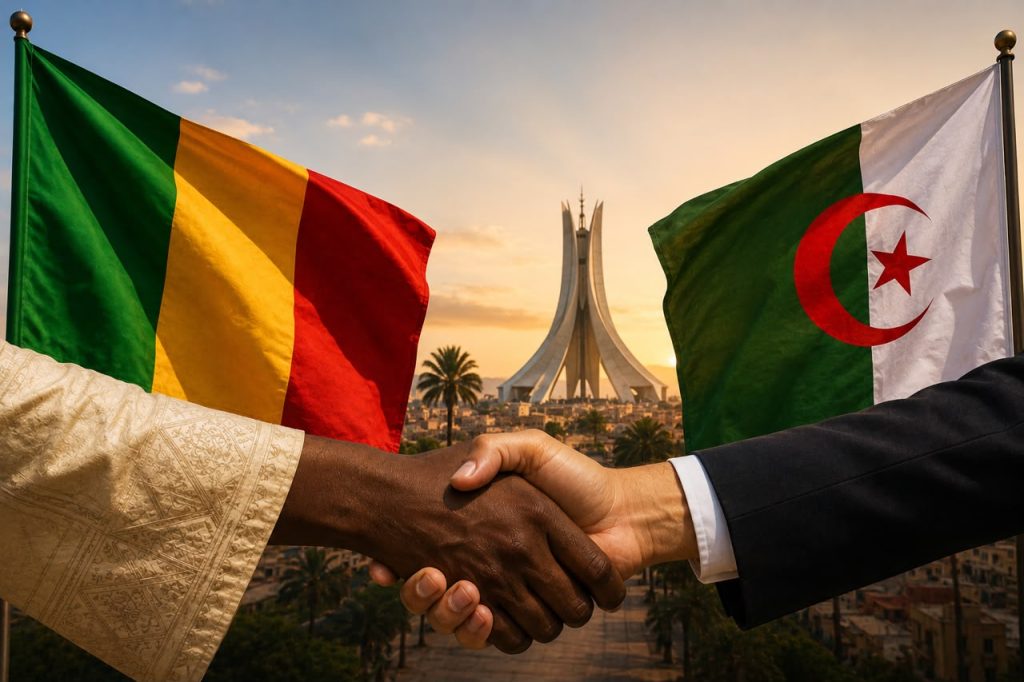
From Diplomatic Crisis to “No Rupture”: Mali’s Remarkable Reset with Algeria
•
Author: بوابة الجزائر
•
0 comments
•
58 views
Share this post

Algeria national team: FAF narrows its choice, three foreign coaches still in the running
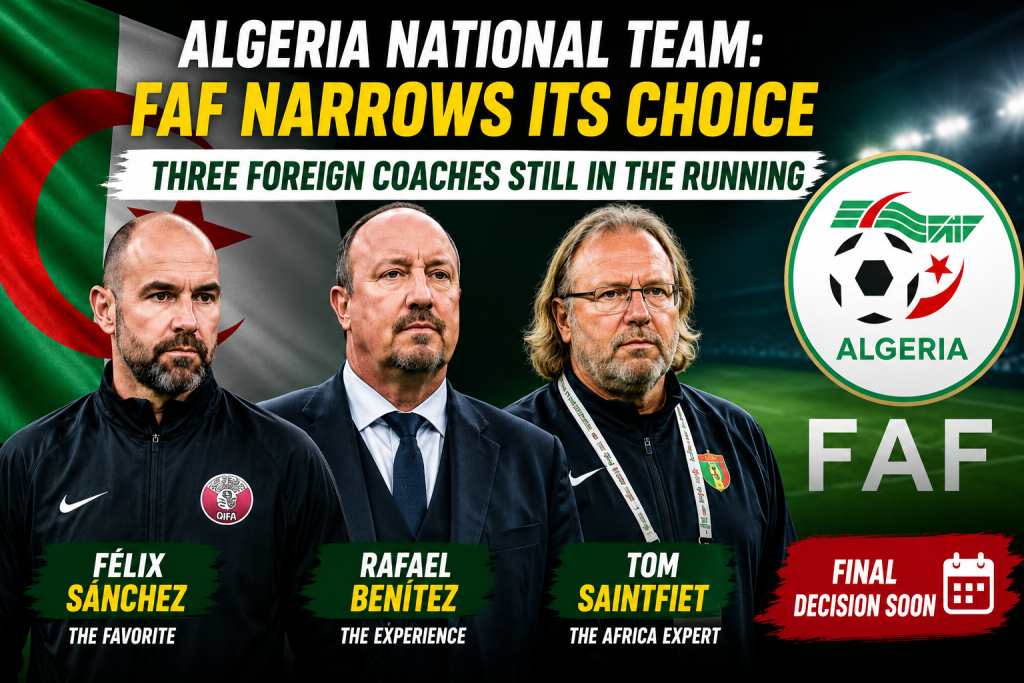
Algeria Gate: The Algerian Football Federation (FAF) has entered the decisive phase of the process to appoint the new national team coach, who will succeed the Swiss Vladimir Petković. According to several consistent reports, the National Technical Board has completed its review of the various applications and CVs submitted for consideration, reducing the list of candidates to three foreign coaches.
At the top of the preferences is the Spaniard Félix Sánchez, regarded as the profile best suited to the Greens’ sporting project. Drawing on his experience in charge of the Qatar national team, which he led to victory in the 2019 Asian Cup, he is valued for his knowledge of international football, his ability to develop young talents, and his modern tactical approach.
The second name retained is that of Rafael Benítez, a world-renowned coach who has notably worked at Valencia, Liverpool, Chelsea, Napoli, Real Madrid, Newcastle and Everton. His vast experience at the highest level is a major asset. However, his high salary demands could prove a significant obstacle for the FAF, making this option more difficult to finalise.
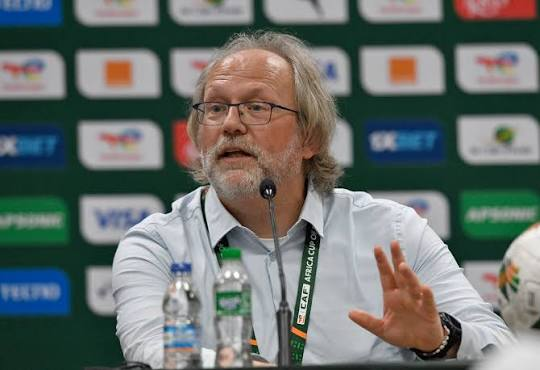
Finally, the Belgian Tom Saintfiet completes this shortlist. A fine connoisseur of African football after several stints on the continent, he is considered a credible alternative thanks to his understanding of the realities of African football and his experience in continental competitions.
The final decision is expected to be taken in the coming days, as the Federation wishes to install the new coach quickly in order to prepare for the upcoming international fixtures, notably the World Cup qualifiers and the Africa Cup of Nations.
For the time being, however, the FAF has not issued any official announcement regarding the identity of the future coach. The three names mentioned are circulating in the media as the main candidates still in the running, but the definitive choice remains subject to validation by the Federation’s governing bodies.

Annaba: Industry Minister bets on Cital to accelerate the development of the national railway sector
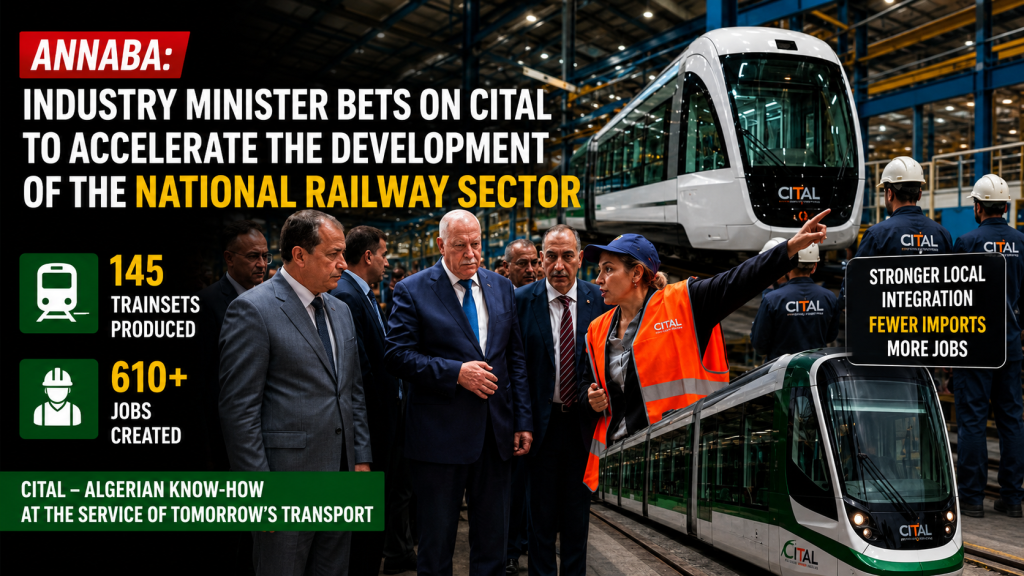
Algeria Gate: Industry Minister Yahia Bachir, accompanied by Annaba Wali Abdelkrim Laamouri, visited the headquarters of the Algerian Industrial Company for Railway Transport (Cital) during a working and inspection tour of the wilaya.
The company specializes in the design, manufacturing, assembly, and maintenance of trams, metros, and trains.
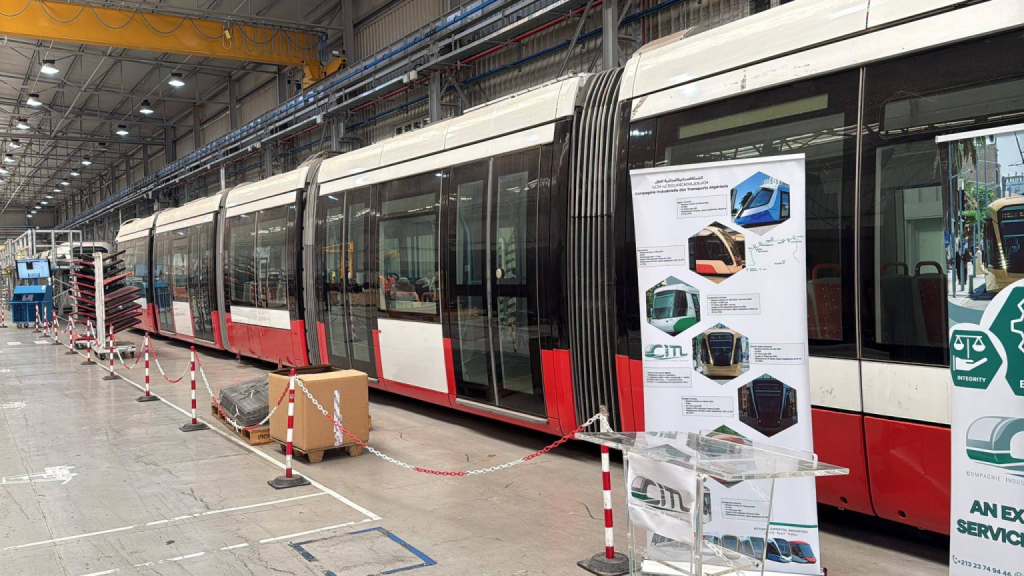
During the visit, the Minister received a detailed presentation on the company’s activities, with particular emphasis on its industrial capabilities, development projects, and expansion prospects. Cital officials recalled that the company, established in 2011 through an industrial partnership with a foreign partner, has gradually built solid expertise in the assembly and maintenance of railway rolling stock.
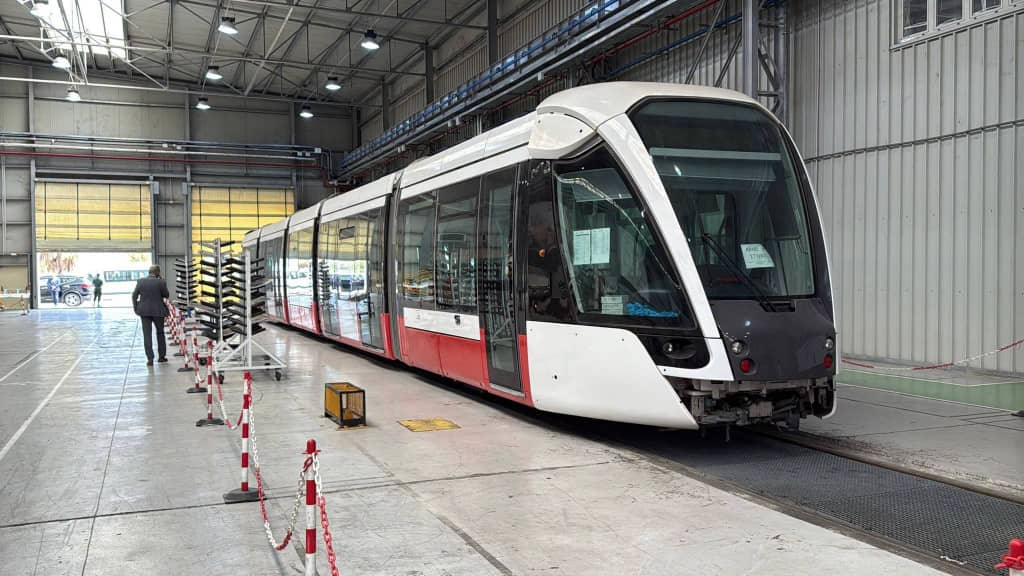
The Minister also reviewed the company’s key performance indicators. Situated on a 46,400 m² site that includes 11,871 m² of covered facilities, the plant has a production capacity of five tram sets per month and employs more than 610 people.
To date, Cital has manufactured 145 of the 243 tram sets that make up the national fleet and ensures their ongoing maintenance through a network of seven centres located across the country.
The ministerial delegation then toured the production, assembly and maintenance workshops, as well as the company’s advanced industrial equipment.
Among the facilities inspected were an 800-metre dynamic testing platform, lifting columns with a combined capacity of 288 tonnes, a 60-tonne industrial conveyor and a sophisticated digital management system; clear evidence of the high technological standard achieved by Cital.
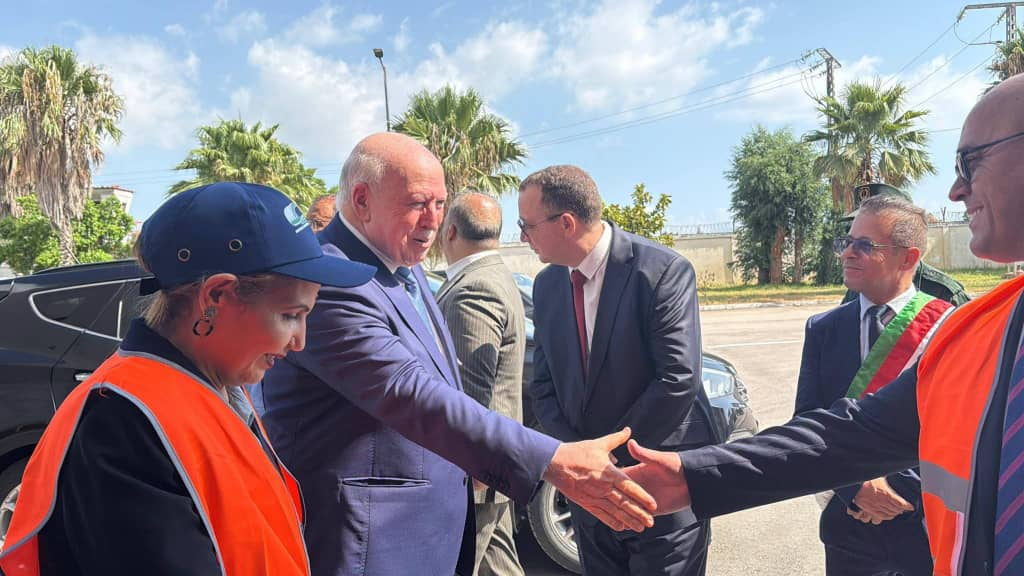
On this occasion, Yahia Bachir underscored the strategic role Cital must play in the implementation of the national railway transport development programme. He stressed the importance of raising the local integration rate, developing national expertise and reinforcing industrial and technological partnerships in order to strengthen the competitiveness of Algerian industry.
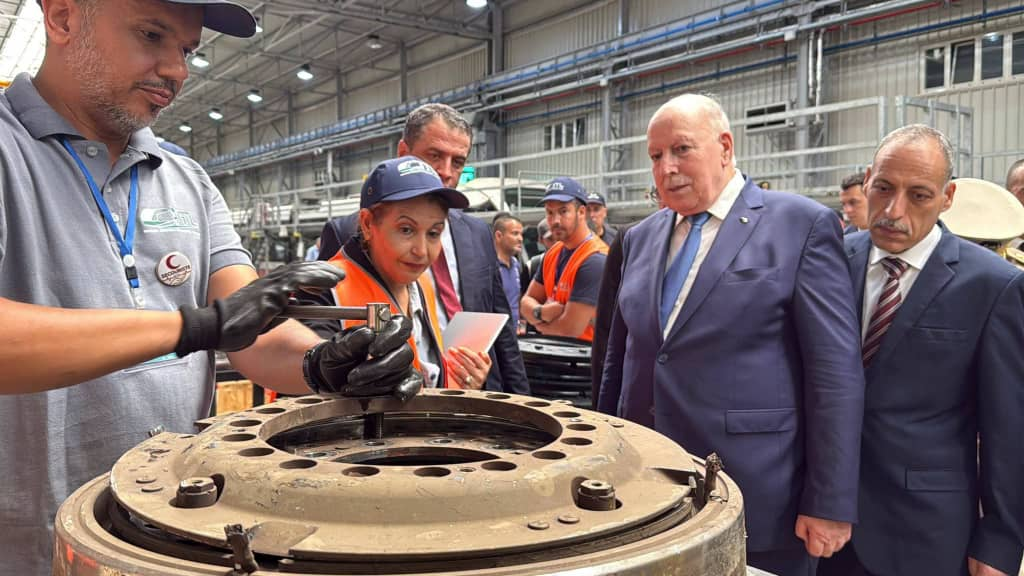
The Minister also issued several directives aimed at enhancing the company’s performance. These include accelerating maintenance operations, securing a continuous supply of spare parts, and putting in place preventive monitoring systems to track equipment wear.
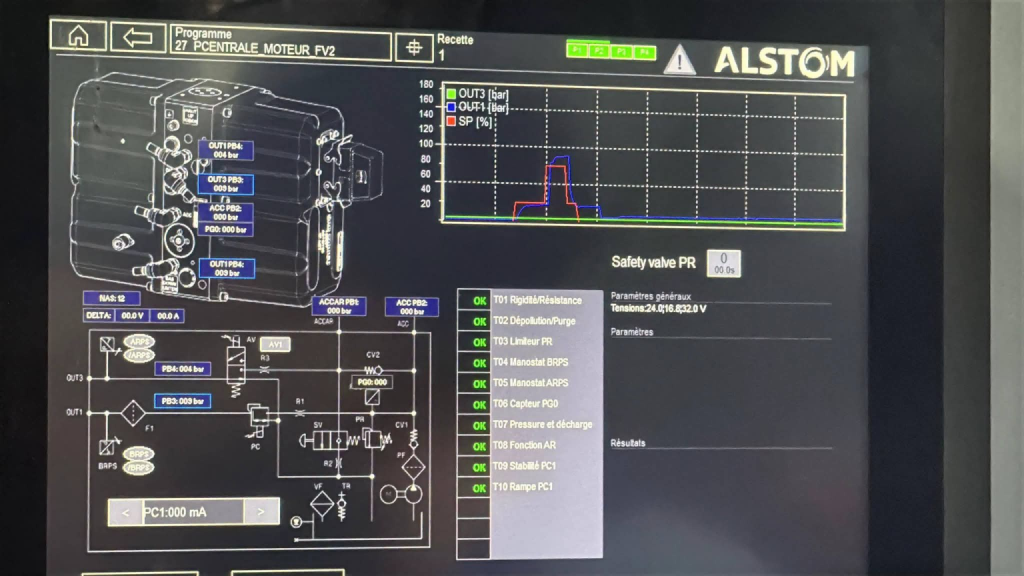
He further called for the development of training programmes, the reinforcement of reverse-engineering capabilities and greater participation by Cital in tenders, while placing particular emphasis on the promotion of the company’s industrial know-how.
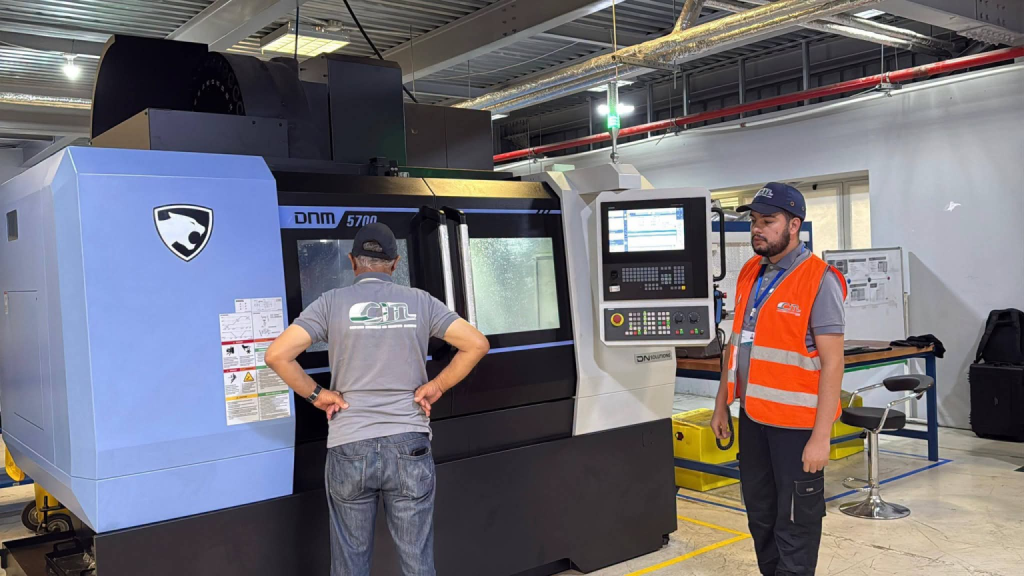
In conclusion, the Minister affirmed that the development of the railway industry constitutes one of the pillars of the national strategy to build a solid industrial base capable of meeting the needs of the domestic market, reducing dependence on imports, and strengthening Algeria’s industrial sovereignty.
Boualem Sansal… From Rituals of Loyalty to Israel to Systematic Incitement Against Algeria!
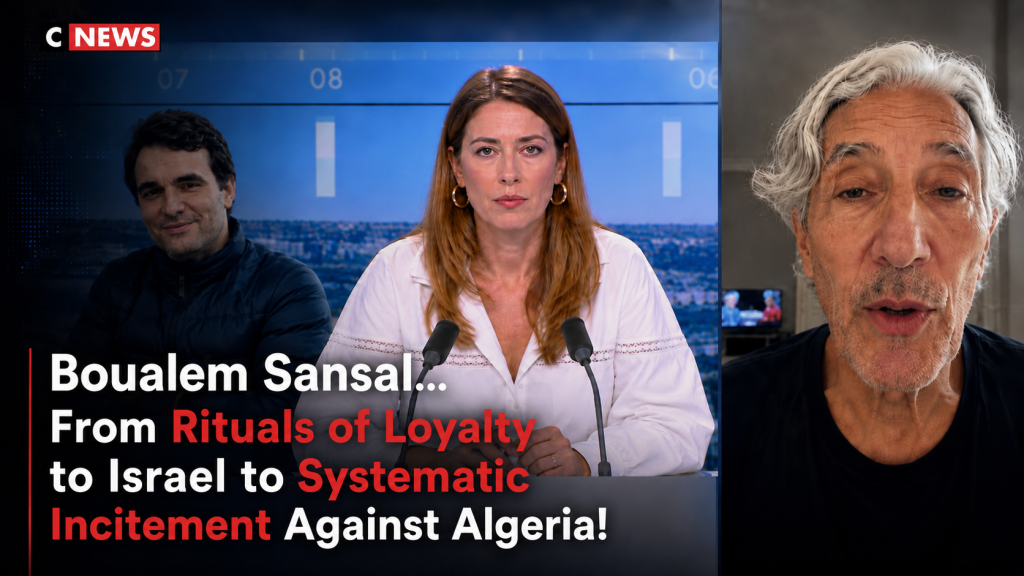
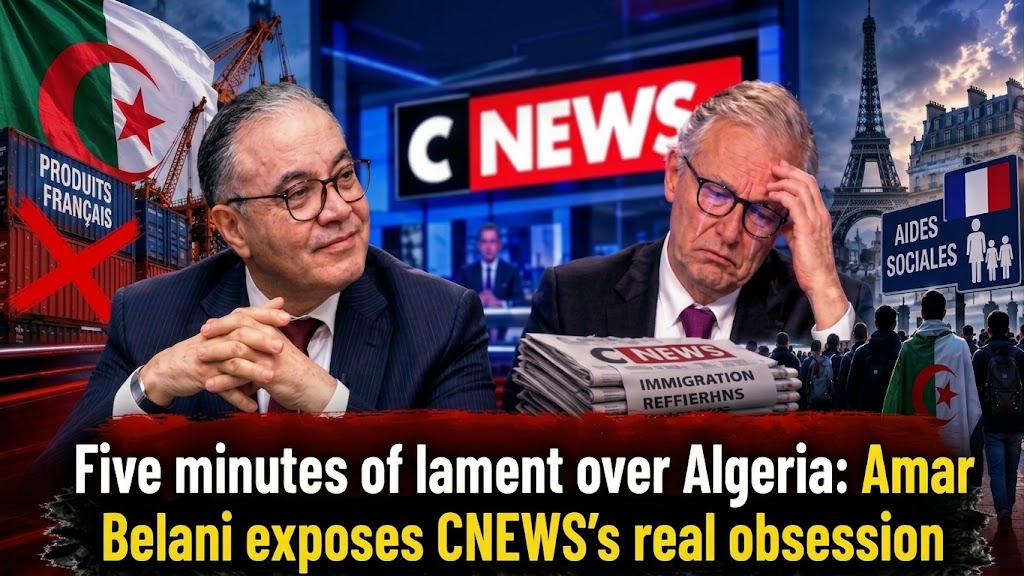
Algeria Gate: The media of Bolloré continues to recruit its mouthpieces for blatant interference in Algeria’s affairs and the decisions of sovereign Algerian justice.
On the screen of “CNEWS,” a channel with an extreme right-wing orientation deeply immersed in anti-Algeria narratives, the individual known as Boualem Sansal did not miss the opportunity to attack, incite, and spew the venom of his deep-seated hatred toward Algeria, exploiting the case of the French journalist convicted on charges related to glorifying terrorism, Christophe Gleizes.
Sansal, who was convicted in Algeria on charges of undermining national unity, and who in his first media interview with a Hebrew channel after his release performed rituals of loyalty to Israel, days ago again expressed his support for the entity and claimed that his public endorsement of it was the “real reason” behind his arrest and imprisonment in Algeria.
In his latest provocative statements on the “CNEWS” channel, Sansal leveled serious accusations against the Algerian authorities by promoting misleading narratives. He claimed that Algeria is “playing with the French side and with the morale of the French,” in his words. More dangerously, Sansal went further in his accusations by what he called “toying with Christophe’s life.”
These are statements that could complicate the situation of Gleizes, who, in 2015 and 2017, communicated with one of the officials of the “MAK movement,” which Algeria classified as a terrorist organization in 2021. Christophe had admitted during his trial to committing “many professional errors,” despite what he called his “good intentions,” as well as entering Algeria on a tourist visa instead of a journalistic visa to prepare a journalistic report.
Sansal also went beyond all red lines by leveling accusations against Algeria, joining a hostile campaign of incitement against it and calling for what he termed “intensifying international pressure” and appealing to the European Union and the United Nations in a desperate attempt to pressure Algeria. In his statements, he forgot that the era of colonialism has ended and that Algeria is sovereign in its decisions.