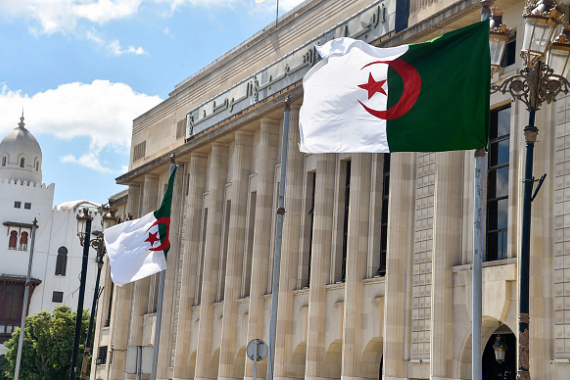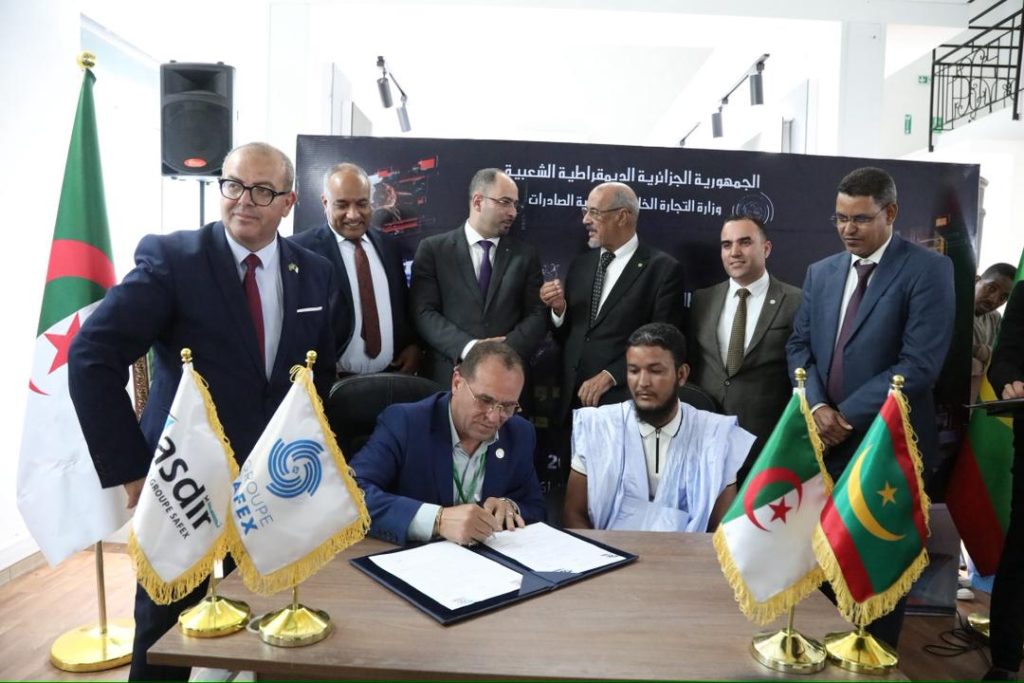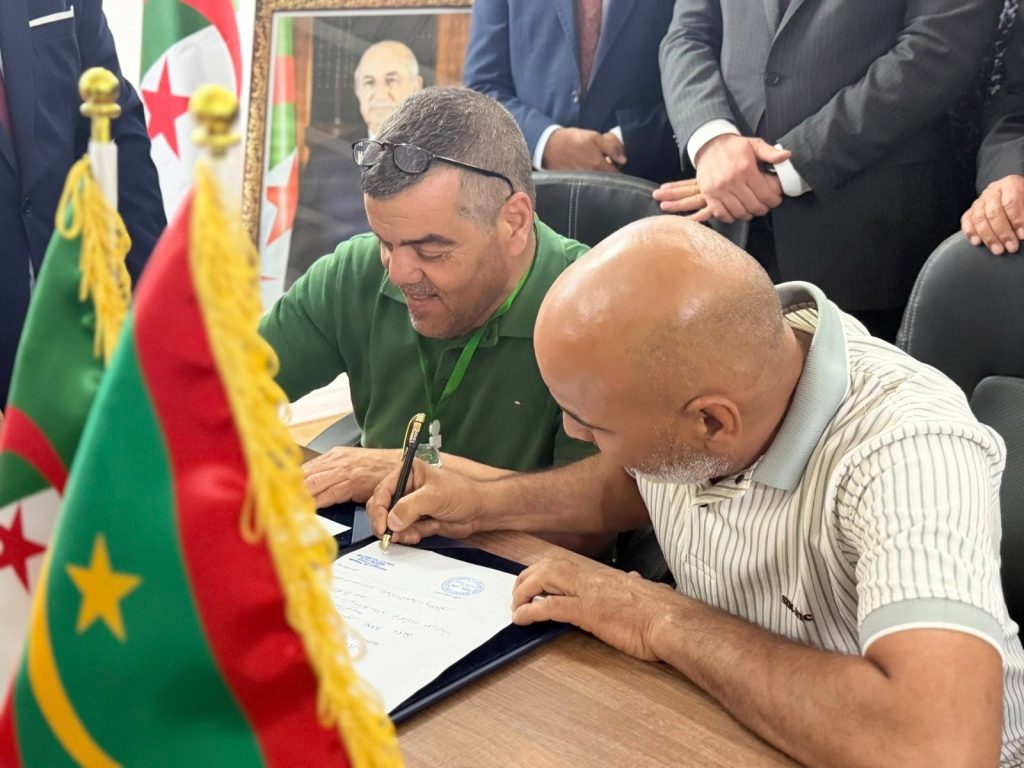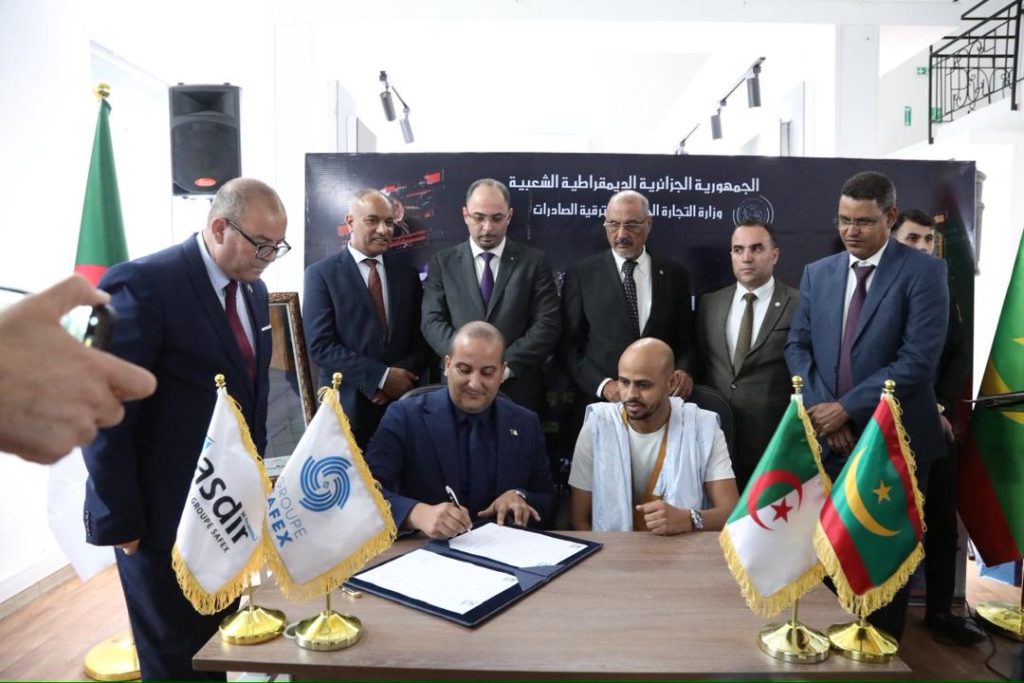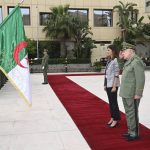


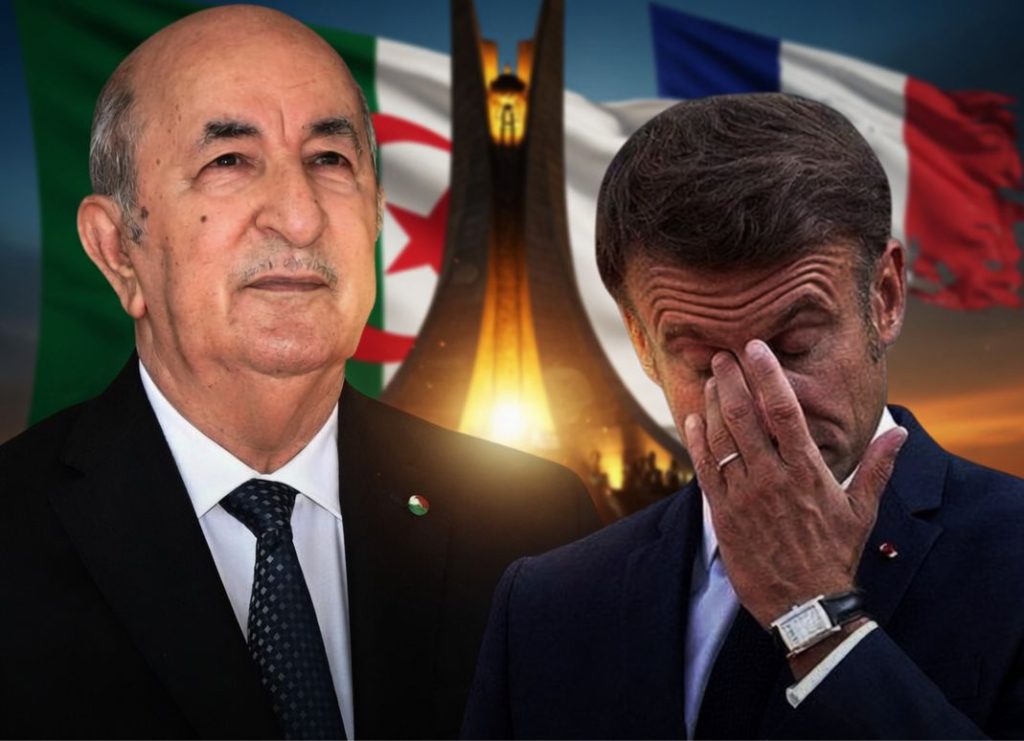
The arrival of a high-level French delegation to the commemorations of the May 8, 1945 massacres in Sétif was not a gesture of diplomatic courtesy. It was a scene heavy with symbolism: the former colonial power standing before the memory it spent decades attempting to suppress. For the first time in years, Paris appeared less like a dominant partner and more like a state cornered by the weight of history itself.
Algeria did not request recognition. It imposed it.
For decades, France tried to bypass the “Memory Files,” treating colonial history as a secondary matter overshadowed by trade deals, strategic interests, and political pragmatism. But the Algeria of 2026 is no longer the Algeria Paris once viewed as its political backyard. Through the diversification of alliances and the strengthening of sovereign partnerships across East and West, Algiers shattered the old equation of dependence.
France suddenly discovered a harsh geopolitical reality:
there could be no privileged access to Algeria without historical accountability.
The message delivered by Algiers became unmistakable:
No strategic partnership without memory.
No economic interests without recognition.
No future while the crimes of the past remain buried.
And eventually, Paris understood.
The ceremony in Sétif carried the atmosphere of a silent political surrender. French officials — representing a state that long avoided confronting the massacres committed under colonial rule — stood before memorials honoring thousands of Algerian victims. The symbolism was impossible to ignore. The same republic that once attempted to erase these massacres from collective consciousness now found itself compelled to acknowledge them on Algerian soil.
This transformation did not emerge from sudden moral awakening.
It emerged from pressure.
From shifting balances of power.
From France’s growing fear of losing strategic influence in a region increasingly shaped by new global actors.
Algeria succeeded in transforming memory into geopolitical leverage — and the strategy worked.
What Paris once dismissed as symbolic or emotional demands have now evolved into unavoidable political realities. Files buried for decades beneath military secrecy — from the consequences of nuclear testing in Reggane to the fate of the disappeared — are no longer untouchable subjects. France now finds itself reacting to Algerian conditions rather than dictating the terms of engagement.
Even inside France, political currents built on colonial nostalgia and hostility toward Algeria appear increasingly weakened by this new diplomatic reality. The era in which Paris monopolized influence over the relationship is visibly fading.
Today, France faces a historic dilemma:
either confront the full brutality of its colonial legacy, or gradually watch its influence diminish in a new Algeria that no longer seeks approval from former powers.
The balance has changed.
This is no longer the era of French dominance.
It is the era of Algerian conditions.
And in this confrontation between memory and denial, history itself has forced Paris to bow.