Sunday, 18 October 2026 • 20:57 Algiers time
Algeria Gate
News Room
Cameron Hudson: UAE is virtually the sole backer of the RSF..without its support the war in Sudan would not continue Algeria-Niger: Official launch of Trans-Saharan fibre optic link Five minutes of lament over Algeria: Amar Belani exposes CNEWS’s real obsession Algerian courts hand down first death sentences under new drugs law Ségolène Royal’s masterclass on Algeria against an ignorant and demagogic journalist President Tebboune and senior officials receive the remains of Boualem Boualem in Algiers NAPEC 2026 in Oran: Algeria at the Heart of Africa’s and the Mediterranean’s New Energy Landscape Pegasus Files: Amnesty Uncovers Morocco’s Espionage Against Spain President Tebboune Orders Salary Increases in Algeria’s 2027 Budget, Rules Out New Taxes on Citizens Algeria Emerges as a Trusted Power for Regional Peace and Stability
Share this post

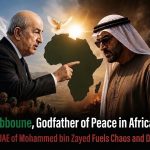
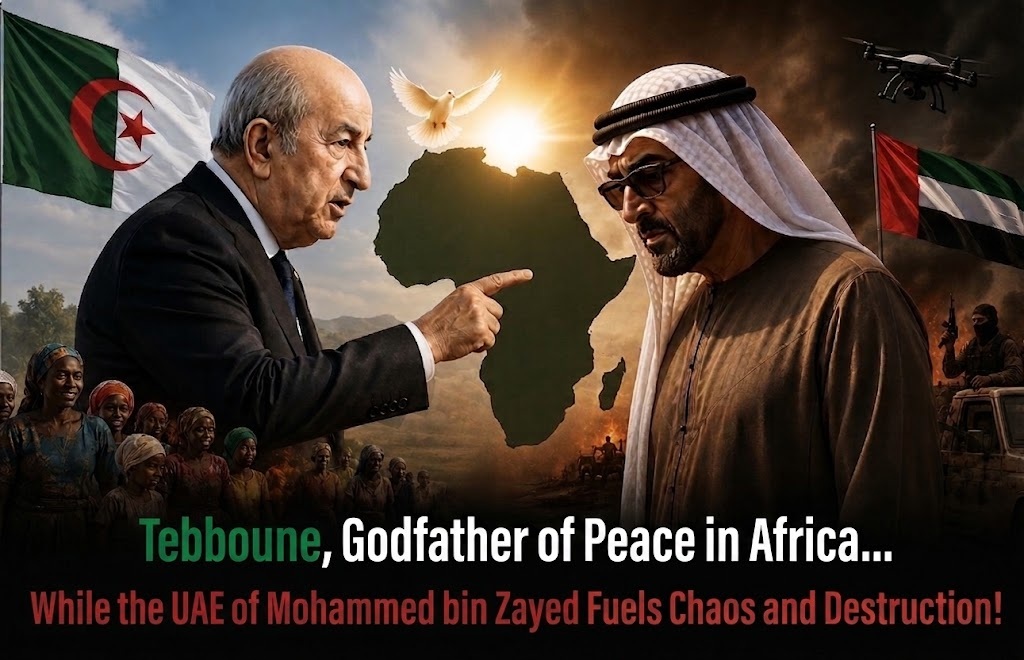
Tebboune, Godfather of Peace in Africa… While the UAE of Mohammed bin Zayed Fuels Chaos and Destruction!

• Author: Lys Iwannughen • 0 comments • 99 views
Tebboune, Godfather of Peace in Africa… While the UAE of Mohammed bin Zayed Fuels Chaos and Destruction!

Algeria Gate: Two years ago, the warnings issued by Algerian President Abdelmadjid Tebboune, who was among the first to expose the true face of the UAE’s destructive role in the Sahel region, were not mere political rhetoric or populist posturing. They reflected a precise reading of the dangers posed by the expansion of Emirati money and influence in the region.

As international investigations have continued to unfold, the outlines of these networks have become increasingly clear, matching President Tebboune’s warnings about the threat Abu Dhabi poses to the African Sahel. The most recent evidence came from Britain’s Daily Telegraph and Financial Times, which exposed the UAE of Mohammed bin Zayed over its role in bringing in mercenaries and financing armed conflict in Libya and Sudan, in addition to suspicious activities affecting the Sahel region.
Tebboune, Godfather of Peace in Africa… While the UAE of Mohammed bin Zayed Fuels Chaos and Destruction!

The Daily Telegraph‘s investigative report revealed the existence of a network of secret Emirati camps in eastern and southern Libya, which the paper said are used to train fighters and mercenaries, including members of Sudan’s Rapid Support Forces militia, in the use of drones and heavy weapons. This development highlights the danger of turning Libyan territory into a rear base for training fighters and redistributing them to regional flashpoints. Meanwhile, the Financial Times, in an extensive investigation, detailed a network for recruiting and transporting around two thousand Colombian fighters to Sudan to fight alongside the Rapid Support Forces, through a company called GSSG, based in the UAE.

This information has renewed attention to the warnings issued by President Tebboune regarding the role played by the UAE in igniting tensions around Algeria’s periphery, turning the crises of Sahel countries into open arenas for influence, mercenaries, and arms trafficking.

President Tebboune: “Patience Has Its Limits”

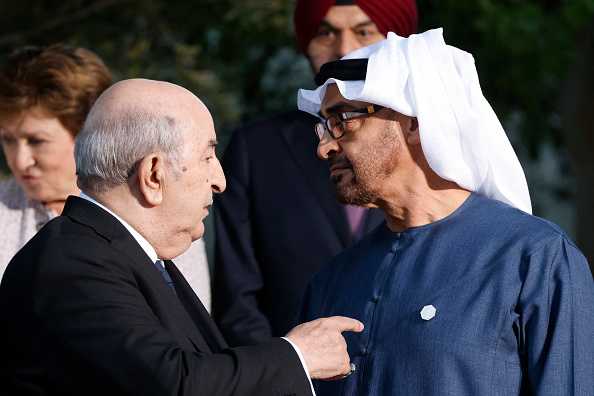
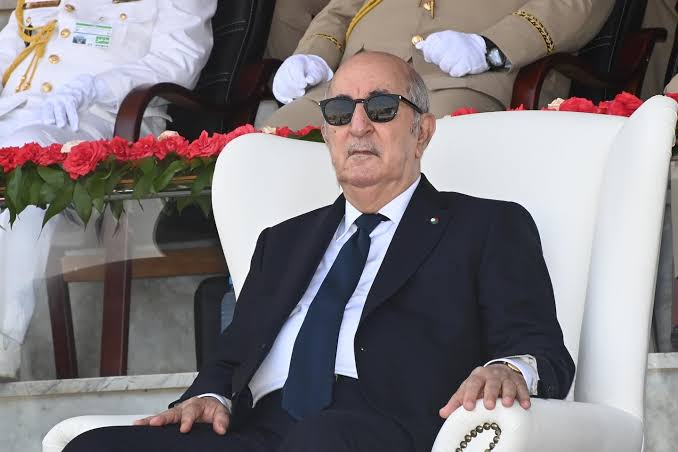
President Tebboune sent clear messages to those lying in wait for Algeria; an apparent reference to the UAE, affirming that the patience of the Algerian state is not limitless, and that its history and the price of its independence make it immune to blackmail and threats. The President said: “To whoever is still lying in wait for us, patience has its limits. Algeria paid more than 5 million martyrs for its freedom, and whoever wants to take the risk can try approaching Algeria,” stressing that whoever allocates vast sums of money for sabotage and stirring strife “is cursed.”
Tebboune, Godfather of Peace in Africa… While the UAE of Mohammed bin Zayed Fuels Chaos and Destruction!

In an even more explicit statement, Tebboune affirmed that this unnamed small state, which engages in hostile actions against Algeria wherever conflict exists, always has its money present in neighboring countries — Mali, Libya, and Sudan. He added: “We harbor no hostility toward anyone, because we need God Almighty and the Algerian people. We want good relations with everyone, but for whoever wants to attack us, patience has its limits.”

Warmth Returns to Diplomatic Relations on the Algeria–Mali Axis

In contrast to the UAE model; built on pumping money into conflict zones and feeding mercenary networks, Algeria, under the leadership of Abdelmadjid Tebboune, who succeeded in keeping the specter of war away from the Sahel region through his skill and sound diplomacy, is pursuing an entirely different approach toward the Sahel: one based on political dialogue, rejection of interference in the internal affairs of states, support for stability, and opening the way for economic partnerships capable of creating shared interests instead of turning the region into a market for weapons and mercenaries.

Thus, President Tebboune called on the Malian authorities to engage in dialogue with the Malian people, affirming the deep bonds of brotherhood, history, and neighborliness linking Algeria and Mali; a step aimed at removing the specter of confrontation from the region and restoring communication channels to their political track.

Algeria Resets the Sahel’s Cards

Algeria has reset the Sahel’s cards through a broader diplomatic and economic approach, after having managed the period of tension with Mali while maintaining its presence in the region, alongside strengthening relations with neighboring countries and opening new avenues for economic cooperation.

Economically, Algeria is betting on turning its geographic depth and strategic location into tools of soft and sustainable influence, through regional connectivity, energy, and infrastructure projects; foremost among them the Trans-Saharan Gas Pipeline project linking Nigeria to Algeria via Niger, which opens the door to linking the interests of regional countries through long-term development projects.

Algeria is also seeking to expand its partnerships with Niger, Chad, Nigeria, and other Sahel countries through cooperation in energy, infrastructure, and trade, based on the conviction that the region’s security cannot be built through mercenaries and drones, but rather through development, stability, and the creation of shared economic interests.

As the details of recruitment, financing, and movement networks across the Sahel and North Africa continue to come to light, Tebboune’s warnings stand out more than ever. Algeria does not view what is happening in Mali, Libya, and Sudan as separate crises, but as part of a highly sensitive security environment that, if exploited through money, weapons, and mercenaries, could become a direct threat to the stability of the entire region.

Hence Algeria’s emphasis that the Sahel needs dialogue, development, and economic partnerships, not projects of influence and chaos, and that Algeria’s own security also begins with fortifying its regional surroundings against powers seeking to turn its crises into instruments of leverage and bargaining.

#Algeria#President tebboune#UAE
Author
Lys Iwannughen
View my articles

Leave a comment

Your email address will not be published. Required fields are marked *

Algeria
Share this post

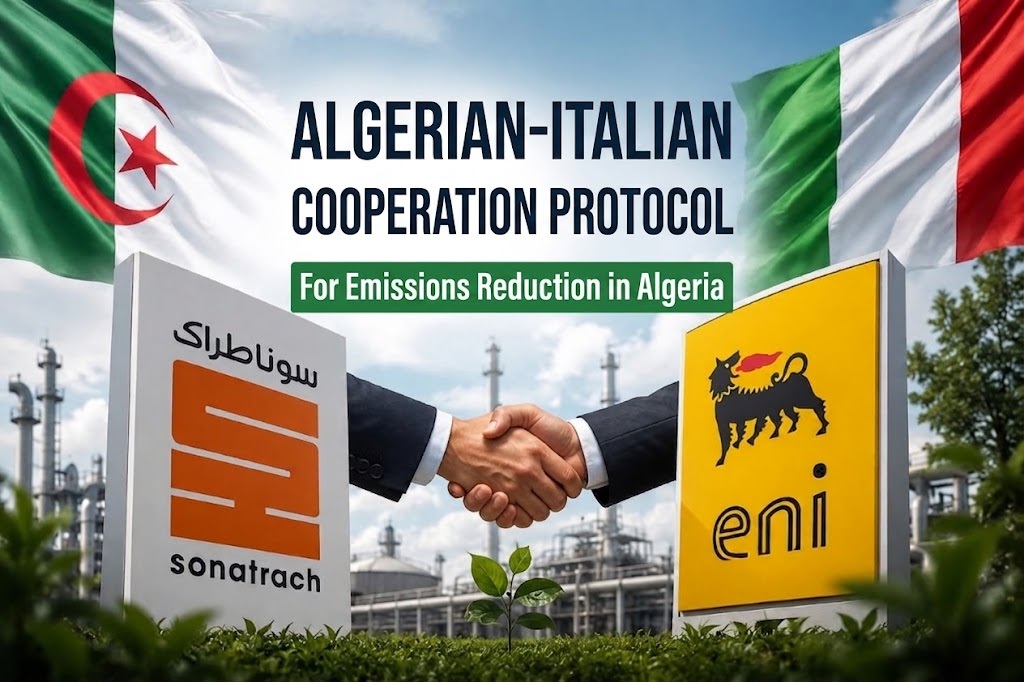
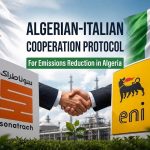
Sonatrach and Eni Sign New Memorandum to Reduce Emissions in Algeria’s Oil and Gas Sector

Sonatrach and Eni Sign New Memorandum to Reduce Emissions in Algeria’s Oil and Gas Sector

Algeria Gate: Algeria’s state energy group Sonatrach and Italy’s Eni have signed a new memorandum of intent aimed at cutting greenhouse gas emissions, including methane, across Algeria’s oil and gas sector. The agreement targets concrete decarbonization opportunities and initiatives, drawing on international best practices adopted across the global oil and gas industry.

Building on the 2023 Sonatrach-Eni Partnership

According to a Sonatrach statement, the new protocol extends work carried out under a 2023 memorandum of intent between the two companies, which focused on technological cooperation to reduce and make better use of flared gas, along with developing emissions-reduction technologies.

Energy audits and technical assessments carried out under that earlier agreement identified opportunities of mutual interest and paved the way for concrete emissions-reduction measures on the ground.

Joint Emissions-Reduction Initiatives

As part of the ongoing partnership, Sonatrach and Eni carried out a structured program of joint activities, including:

  • Technical analyses of emissions sources
  • Capacity-building initiatives and staff training
  • Field visits to operational sites

Targeted training courses were also developed for immediate rollout, alongside precise technical measures required at individual production sites.

Leak Detection and Repair Campaign Cuts Fugitive Emissions

The implementation of the 2023 memorandum already enabled a joint leak detection and repair (LDAR) campaign, which significantly reduced fugitive methane emissions across shared operations.

Leak detection and repair measurement campaigns are now carried out on a regular, systematic basis at gas complexes jointly operated by Sonatrach and Eni. A baseline emissions assessment has also been completed across six facilities run jointly by the two companies in Algeria.

What the New Protocol Means Going Forward

The newly signed protocol allows Sonatrach and Eni to continue the emissions-reduction work launched in 2023 while exploring new areas for further initiatives. It also strengthens cooperation on natural carbon dioxide capture, including through a dedicated reforestation project, expanding the partnership beyond technical fixes to nature-based climate solutions.

#Algeria#Italy#sonatrach
Author
Lys Iwannughen
View my articles
Algeria
Share this post

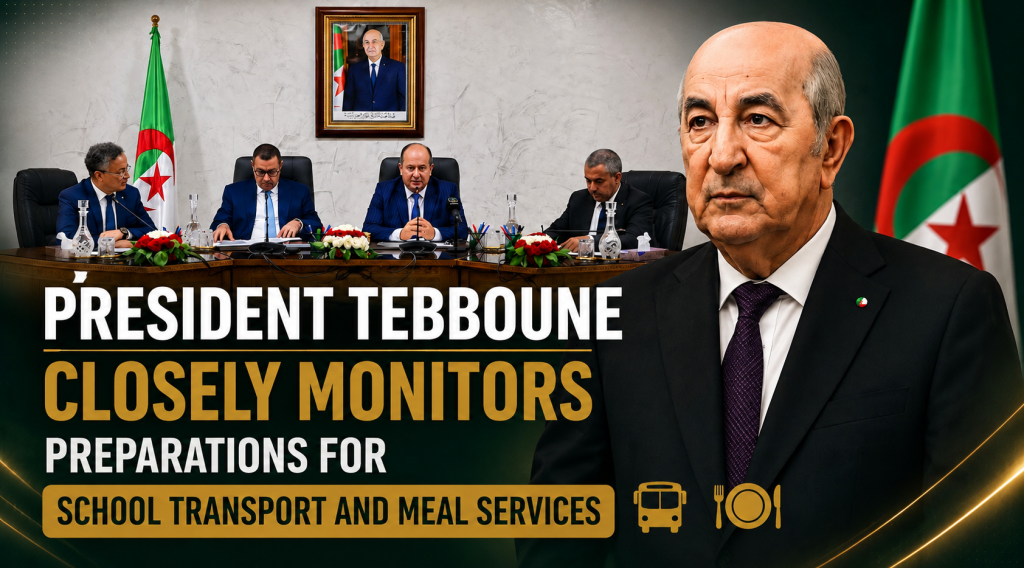
President Tebboune Closely Monitors Preparations for School Transport and Meal Services

President Tebboune Closely Monitors Preparations for School Transport and Meal Services

Algeria Gate: Ahead of the 2026–2027 school year, Algerian authorities are stepping up preparations to ensure the best possible conditions for students. President of the Republic Abdelmadjid Tebboune is paying particular attention to setting up school transport and meal services.

In this regard, Prime Minister Sifi Ghrieb chaired, on Monday, August 17th, 2026, a videoconference meeting with the country’s wilaya governors. The meeting focused notably on the progress of preparations for the start of the university year, as well as the availability of school transport and meal services.

Several government members concerned with these sectors took part in the meeting, including the ministers in charge of the Interior-Transport, National Education, and Higher Education. This coordination aims to anticipate potential difficulties and address shortcomings identified on the ground before classes resume.

The instructions given in this context emphasize the need to ensure the normal functioning of school transport and meal services from the very start of the school year. Particular attention is also being given to rural areas and regions where these services are essential to ensuring students can attend school under good conditions.

Through this follow-up, the authorities intend to make the upcoming school year a better-organized undertaking, not limited to pedagogical aspects but also giving importance to the daily conditions of schooling.

The stated objective is clear: to allow Algerian students to return to their schools in a stable environment, with transport and meal services operational from the very first days of the new school year.

#Algeria#President tebboune
Author
Lys Iwannughen
View my articles
Algeria
Share this post

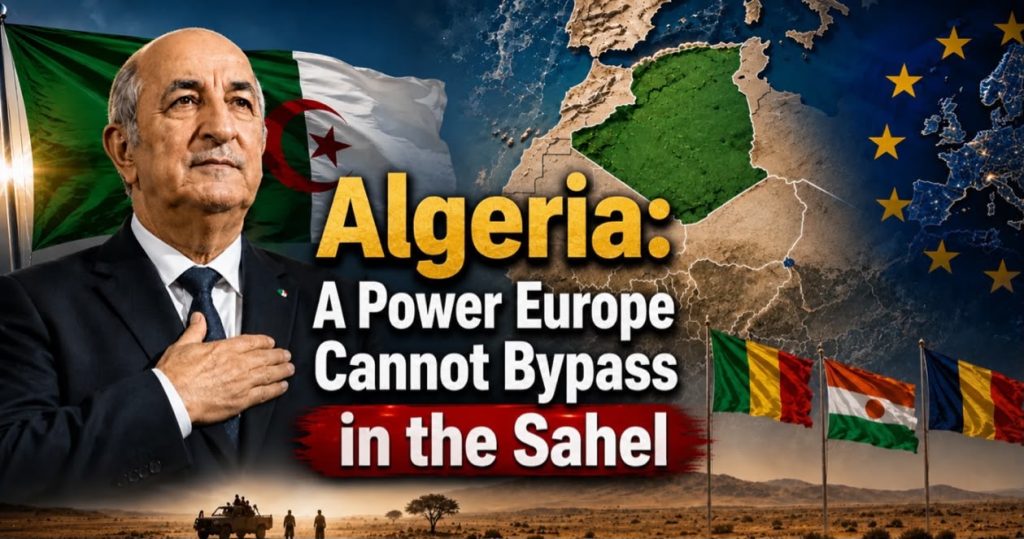
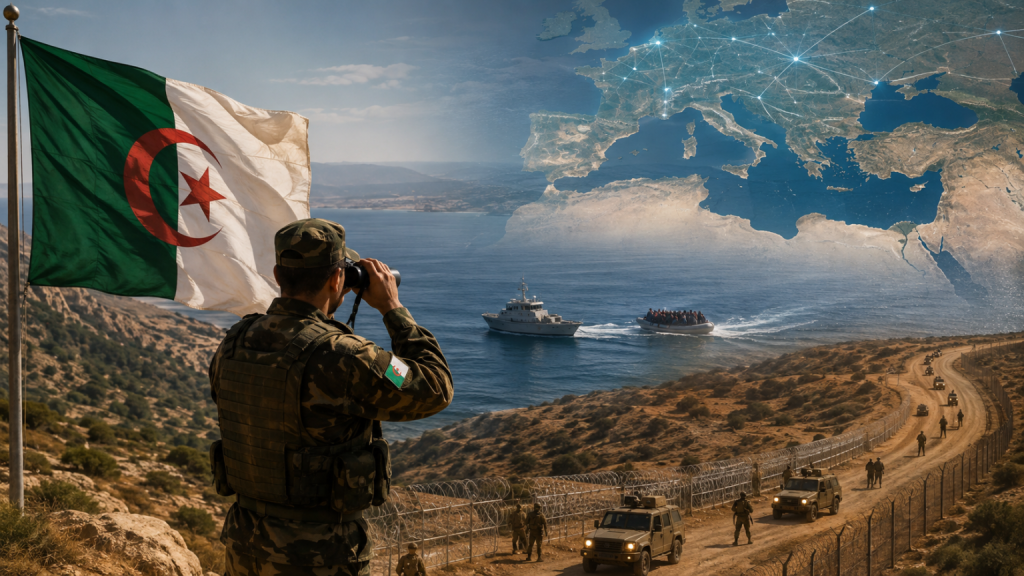
Algeria: A Power Europe Cannot Bypass in the Sahel

Algeria: A Power Europe Cannot Bypass in the Sahel

Algeria Gate: The rapid transformations in the Sahel no longer allow Europe to treat Algeria as merely a neighboring country to the region or a traditional partner on energy and migration files. With the decline of direct European presence, shifting power balances, and the rise of new international actors, Algeria has imposed itself as a difficult number in any calculations related to Sahel security and the future of the region.

Algeria does not only possess an exceptional geographic position that makes it the northern gateway to the Sahel; it also combines African depth, security expertise, diplomatic weight, and a network of relationships that allow it to communicate with multiple parties, including those whose relations with European capitals have become more complicated.

In this equation, Europe faces a reality that is hard to ignore: one may differ with Algeria politically, but it cannot be bypassed geographically, security-wise, or strategically.

The Sahel Is Changing… and Europe Is Recalculating

In recent years, the Sahel has undergone deep transformations that overturned many of the equations that once governed the region’s relationship with Western powers. French influence has declined, direct European military presence has receded, while countries in the region have sought new partnerships, and Russia has emerged as an influential actor on the security and political scene.

Algeria: A Power Europe Cannot Bypass in the Sahel

This reality has placed Europe before a real dilemma: how to protect its interests in a region where it has lost a significant part of its traditional tools of influence. Here, Algeria stands out as a country that possesses what some external powers lack: geography, relationships, and the capacity for communication.

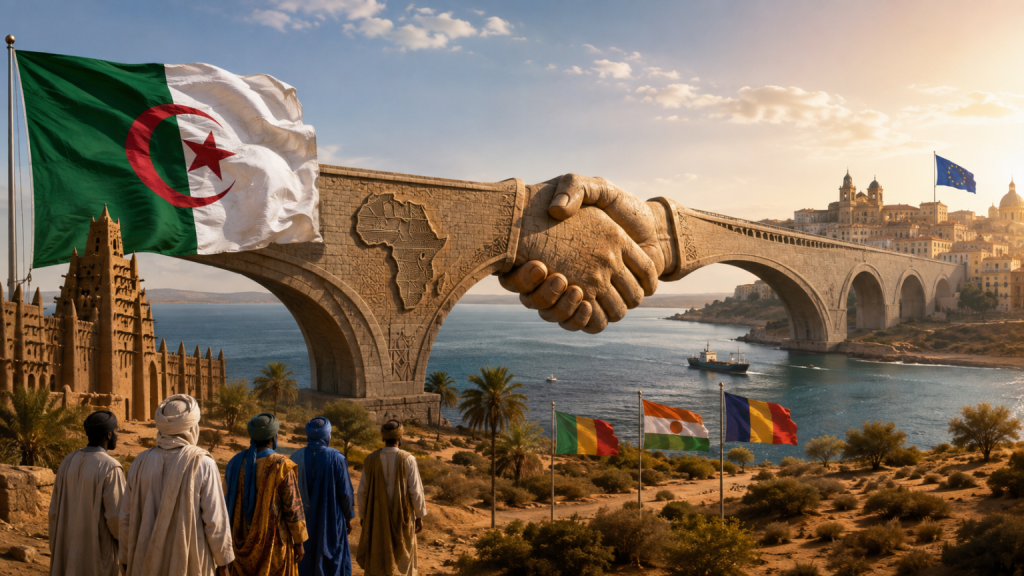
Algeria… A Bridge Europe Cannot Bypass

One of Algeria’s most important strengths lies in its ability to engage with Sahel countries from the position of a neighboring African state, rather than that of an external power.

At a time when channels of communication between some European capitals and Sahel authorities have become more difficult, Algeria maintains deep political, security, and geographic ties with the region. In this context, Algeria can play a role that goes beyond traditional mediation: it is capable of serving as a channel for dialogue, an important party in security arrangements, or a partner in addressing regional crises, without necessarily becoming subordinate to any international power. This grants Algerian diplomacy a wide margin of maneuver.

Algeria: A Power Europe Cannot Bypass in the Sahel

In August 2026, this role re-emerged with the arrival of four Algerian helicopters in Niger within the framework of defense cooperation—a step that reflects Algeria’s continued engagement in its immediate security environment, but through the gateway of cooperation with the countries of the region themselves.

The message here goes beyond the value of the military assistance. Algeria is saying, in practical terms, that it wants Sahel security to be part of the responsibility of the region’s own states, while keeping regional cooperation open to international partners.

European Security Begins South of the Mediterranean

For Europe, the importance of the Sahel does not stop at the borders of the African continent. Armed groups, organized crime networks, human and drug trafficking, and irregular migration are all issues whose effects can move from the Sahel to North Africa and then to the Mediterranean.

Consequently, any European strategy for Mediterranean security cannot be separated from security developments south of the Sahara. Here, Algeria, by virtue of its borders and location, becomes part of the equation.

Algeria has extensive land borders with the Sahel region and has for years dealt with security challenges linked to its southern frontiers. It has also accumulated significant experience in combating terrorism and armed groups.

For Europe, this expertise represents added value at a time when it is searching for a new approach to Sahel security after the decline of the model of direct military intervention.

Migration… Another Card That Makes Algeria Essential

Another factor of no less importance is migration. Europe views the Sahel as one of the main sources of demographic and security pressures reaching the Mediterranean.

But addressing migration does not begin on European shores; it begins in the countries of origin and transit, foremost among them the Sahel and North African states. From this perspective, cooperation with Algeria becomes part of any serious European strategy to curb irregular migration.

Algeria is not merely a transit country. Its location makes it an influential party in the Mediterranean security equation, and its relations with neighboring countries give it the ability to understand the transformations taking place south of the Sahara in a direct manner.

The German National… An Example of the Value of Algeria’s Role

The recovery of the German national who was kidnapped in Niger provides a practical example of the kind of role Algeria can play. The issue is not only about a German citizen returning to his country; it reveals that a European state can find in Algeria a party capable of operating within a complex security environment in the Sahel.

Here, a different value of Algerian diplomacy becomes apparent, not merely in issuing statements or proposing political initiatives, but in possessing the capacity to act when crises become more complicated.

#Algeria#Europe#Sahel
Author
Lys Iwannughen
View my articles