Faced with Corruption Charges Linked to Libyan Funds, Former French Leader Shifts Blame to Top Aides Guéant and Hortefeux
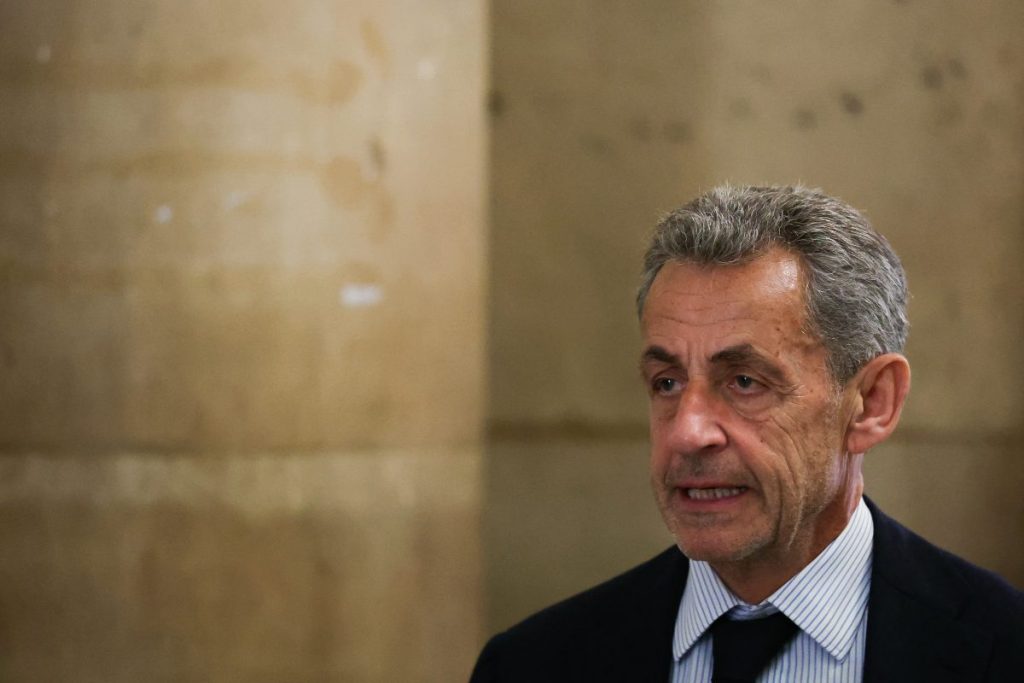
PARIS – The ongoing appeal trial of former French President Nicolas Sarkozy has taken a dramatic and dishonorable turn. Once known for his aggressive and defiant stance, Sarkozy has now resorted to a “scorched earth” legal strategy, openly turning against his closest collaborators and lifelong political allies in a frantic attempt to avoid a confirmed prison sentence.
Facing five years of firm imprisonment for “criminal association,” corruption, and illegal campaign financing, the former head of state has abandoned his former bravado. During his testimonies at the Paris Court of Appeal, Sarkozy shifted the entirety of the legal burden onto his former Chief of Staff, Claude Guéant, and his close friend, Brice Hortefeux.
Denial of Responsibility Sarkozy claimed total ignorance regarding the actions of his inner circle, particularly concerning the suspicious movement of Libyan funds. He asserted that he was unaware of Guéant’s financial dealings—including the purchase of luxury apartments and the handling of massive amounts of cash—despite Guéant being his most trusted aide during his presidency.
Furthermore, Sarkozy distanced himself from the controversial exfiltration of Bechir Saleh, Gaddafi’s former financier, and the high-level meetings at the Élysée Palace involving dubious intermediaries like Alexandre Djouhri and Ziad Takieddine.
Geopolitical Implications For observers in the region, particularly in Algeria, this trial sheds light on the dark undercurrents of a presidency that spearheaded the 2011 military intervention in Libya—a move that severely impacted regional security. The current legal proceedings reveal a pattern of “political opportunism” and a lack of accountability within the highest echelons of the French state during that period.
A Shrinking Defense Sarkozy even expressed “regret” for his previous attacks on the French judiciary, which he had once accused of harboring “limitless hatred” against him. This tactical retreat suggests that the former president now realizes the gravity of his situation as he faces charges of passive corruption and the concealment of embezzled public funds.
As the trial continues until June 3rd, with a final verdict expected in late November, the image of the “invincible leader” has been replaced by that of a man willing to sacrifice his most loyal soldiers to save himself from the “descent into hell” that began with his first conviction.
Editorial Note: This report highlights the internal collapse of a political era characterized by controversial foreign policies and domestic scandals.
Source: Analysis of International Judicial Reports / Ledger Journal