Monday, 19 October 2026 • 00:46 Algiers time
Algeria Gate
News Room
Cameron Hudson: UAE is virtually the sole backer of the RSF..without its support the war in Sudan would not continue Algeria-Niger: Official launch of Trans-Saharan fibre optic link Five minutes of lament over Algeria: Amar Belani exposes CNEWS’s real obsession Algerian courts hand down first death sentences under new drugs law Ségolène Royal’s masterclass on Algeria against an ignorant and demagogic journalist President Tebboune and senior officials receive the remains of Boualem Boualem in Algiers NAPEC 2026 in Oran: Algeria at the Heart of Africa’s and the Mediterranean’s New Energy Landscape Pegasus Files: Amnesty Uncovers Morocco’s Espionage Against Spain President Tebboune Orders Salary Increases in Algeria’s 2027 Budget, Rules Out New Taxes on Citizens Algeria Emerges as a Trusted Power for Regional Peace and Stability
Share this post

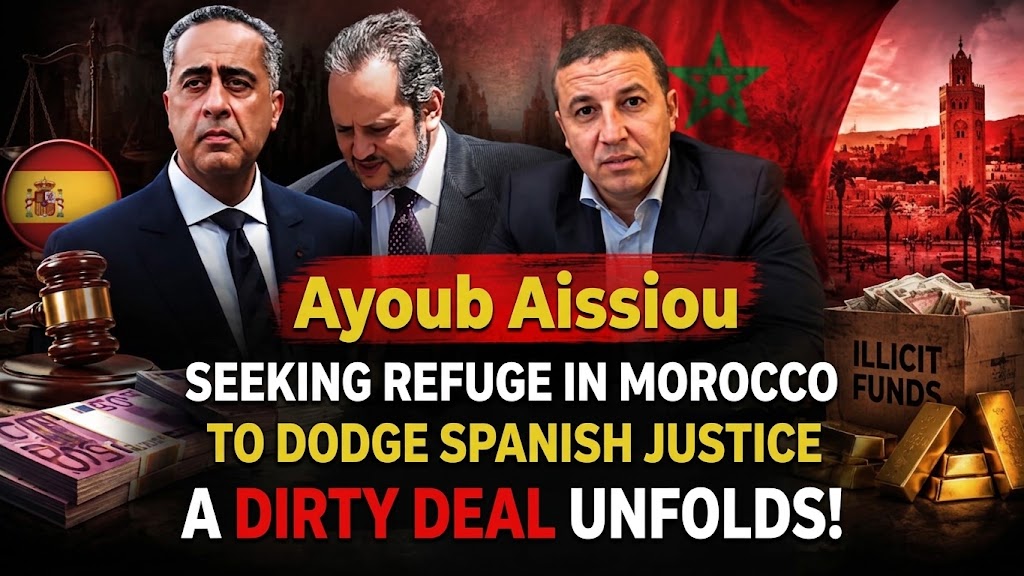
Ayoub Aissiou Seeks Refuge in Morocco to Dodge Spanish Justice: A Dirty Deal Unfolds

• Author: Lys Iwannughen • 0 comments • 95 views
Ayoub Aissiou Seeks Refuge in Morocco to Dodge Spanish Justice: A Dirty Deal Unfolds

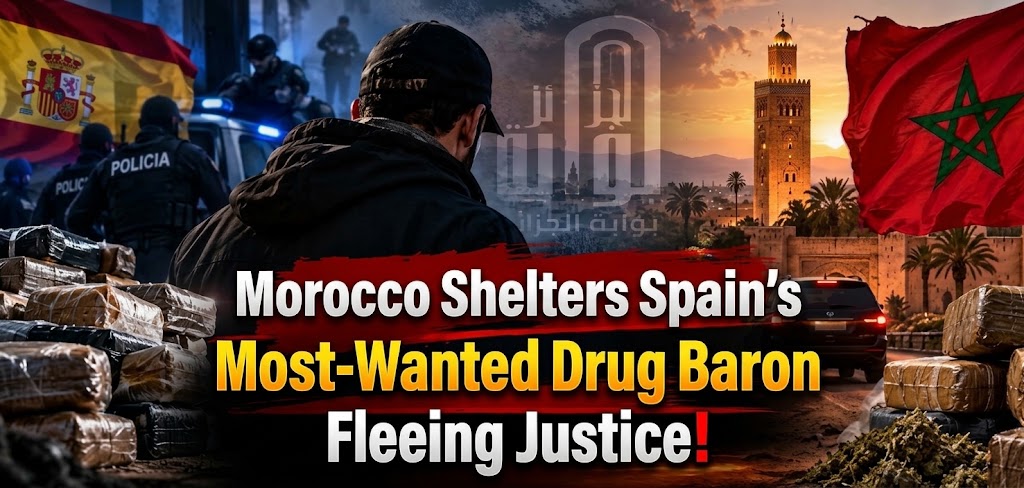
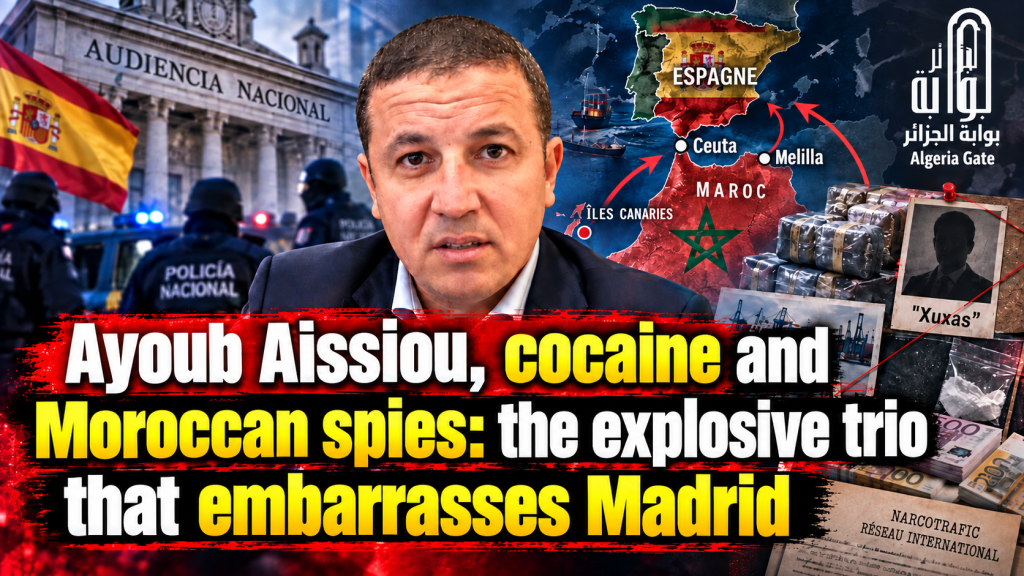
Algeria Gate: Ayoub Aissiou has reportedly pledged Morocco the entirety of his wealth smuggled out of Algeria should he succeed in escaping the grip of Spanish justice.

The dual national (Liberian-Algerian), who has long posed as an Algerian businessman, recently sought refuge in Morocco and appealed for protection from the Zionist lobby.

Aissiou, a fugitive from Algerian justice, is said to believe that Zionist influence runs deep within the Moroccan power structure.
Following advice from his team of French lawyers, he is preparing to request asylum and settle in Morocco, convinced that extradition to Algeria would be impossible in exchange for transferring substantial sums of money from France to Morocco under the guise of investment.

https://youtu.be/08N3rHMCoBs?si=mGHIWFyqZpz9ydbQ

This move is alleged to have prompted the Zionist lobby, said to hold significant sway within the royal palace, to push for the disruption of maritime border controls and their effective opening to Moroccan irregular migrants (harraga) immediately after Aissiou fell into the hands of Spanish security and judicial authorities.

The calculation, according to these claims, is that a fugitive from Algerian justice is not a priority for humanrights protection, allowing the Makhzen mafia, in coordination with Paris, to seize control of the funds he smuggled from Algeria.


Spanish justice now stands at a historic crossroads: it has the opportunity to dismantle a tripartite scheme aimed at appropriating illicit funds that rightfully belong to the Algerian people.

Under the reported plan of the Zionist-Moroccan lobby, Aissiou is to be presented as a legitimate businessman. In reality, sources claim, he is a professional money smuggler and launderer who has simply assumed the identity of an entrepreneur.

Ayoub Aissiou Seeks Refuge in Morocco to Dodge Spanish Justice: A Dirty Deal Unfolds

Spanish judicial authorities are in a position to verify that none of the investment projects for which he obtained bank loans were ever completed, and that the funds have since vanished. These include the rehabilitation of the iron factory in M’sila, a milk-production and cattle-import project in Djelfa, and an almond-tree cultivation scheme in the same province.

The only projects that saw partial completion were real-estate developments whose apartments were distributed to a number of officials and their children several of whom later ended up in prison.


#justice#Morocco#Spain
Author
Lys Iwannughen
View my articles

Leave a comment

Your email address will not be published. Required fields are marked *

Europe
Share this post

New escalation against Algeria!.. The Makhzen strikes again, expelling French “Mediapart” journalist mere hours after interrogating her

New escalation against Algeria!.. The Makhzen strikes again, expelling French “Mediapart” journalist mere hours after interrogating her

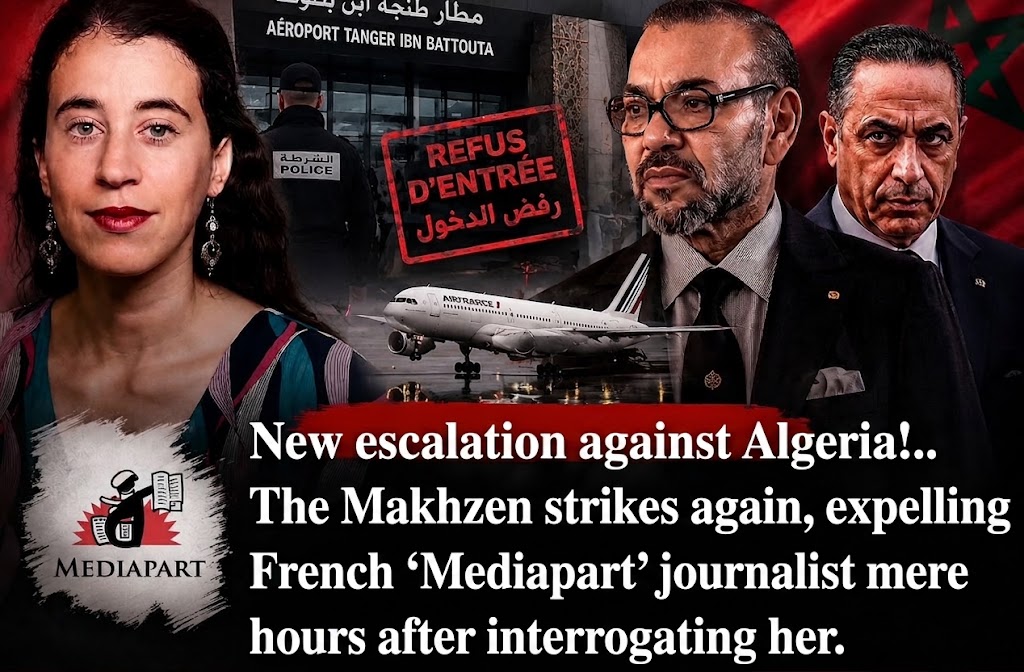
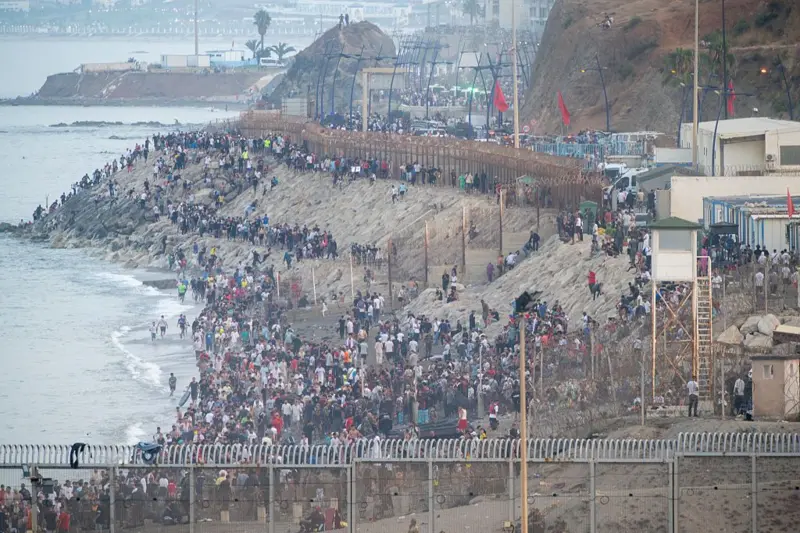
Algeria Gate: In yet another escalation exposing Rabat’s hostile campaign against Algerians and French nationals of Algerian descent, Moroccan authorities moved swiftly to expel French Mediapart journalist Nejma Brahim the moment she landed at Tangier airport. Her crime? Intending to cover the Ceuta crisis; the exodus of nearly 70,000 Moroccans who fled the misery of life at home, desperate for any route into Europe.

New escalation against Algeria!.. The Makhzen strikes again, expelling French “Mediapart” journalist mere hours after interrogating her

This comes as no shock; it’s just the latest move in the Makhzen’s relentless campaign to bury the truth, whitewash the grim reality inside Morocco, and shut journalists out from witnessing, documenting, or exposing the suffering of victims to the world.
The moment Nejma Brahim set foot in Tangier on August 13th, she was seized and grilled for five straight hours by Morocco’s General Directorate of National Security.

New escalation against Algeria!.. The Makhzen strikes again, expelling French “Mediapart” journalist mere hours after interrogating her


The journalist had clearly explained that her mission was to gather testimonies, from the Moroccan side, from families who had lost members during the migration tragedy linked to Ceuta.

In the end, the journalist was sent back to Paris without any official explanation being given, and her passport was not returned to her until she had boarded the plane. Even more controversial is that the document refusing her entry included the phrase “French of Algerian origin” under the “nationality” field, despite the fact that Nejma Brahim holds French nationality.

New escalation against Algeria!.. The Makhzen strikes again, expelling French “Mediapart” journalist mere hours after interrogating her

Mediapart condemned what it considered a violation of “the public’s right to know,” arguing that preventing journalists from accessing the field deprives public opinion of learning the truth of what is happening.

Nejma Brahim’s case is not an isolated one; the newspaper, run by Edwy Plenel, reported that journalists from Spanish public broadcaster TVE and news agency EFE were likewise expelled from their hotel on August 15th, while covering events unfolding near Ceuta.

Author
Lys Iwannughen
View my articles
International press
Share this post

A Perfect Storm for the UAE: Tourism Slump, Economic Pressure and Regional Tensions

A Perfect Storm for the UAE: Tourism Slump, Economic Pressure and Regional Tensions

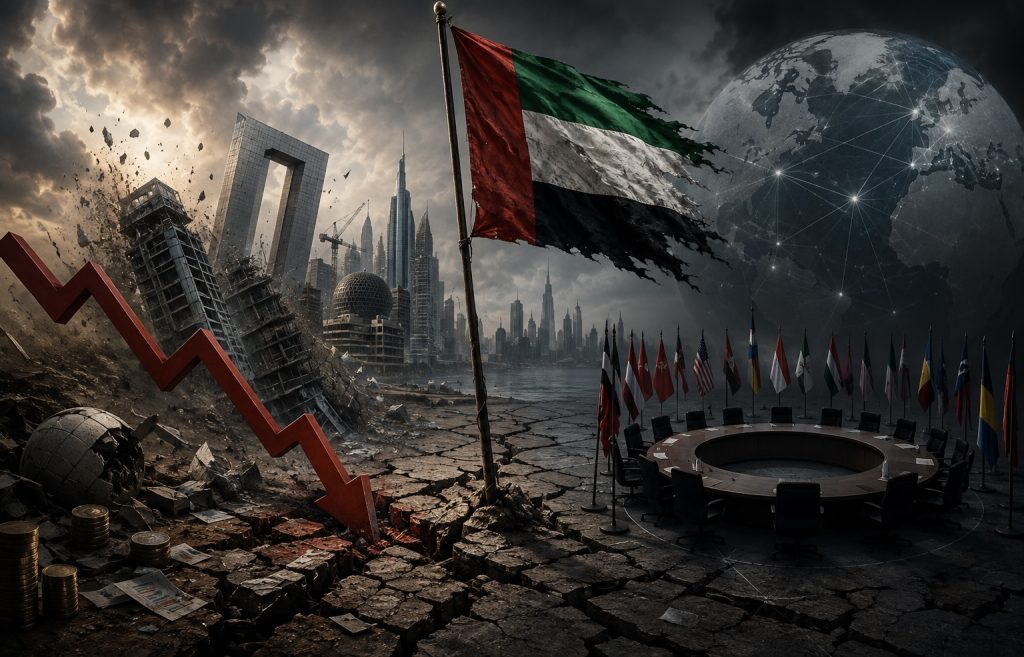
Algeria Gate: The United Arab Emirates is confronting a sharp economic and diplomatic downturn, marked by collapsing hotel occupancy rates, a weakening job market, falling property prices, and tightened financial restrictions from neighboring countries.

International media reports highlight the impact of regional security issues on the UAE’s economy, while rising scrutiny of cross-border money flows signals growing friction with Saudi Arabia.

Sharp Decline in Dubai Hotel Occupancy and Tourism Sector

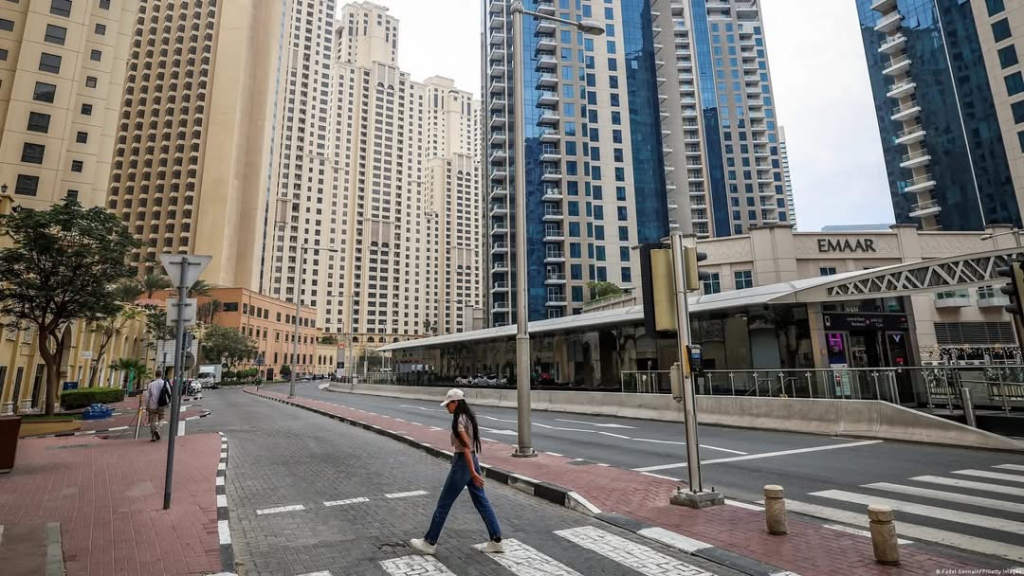
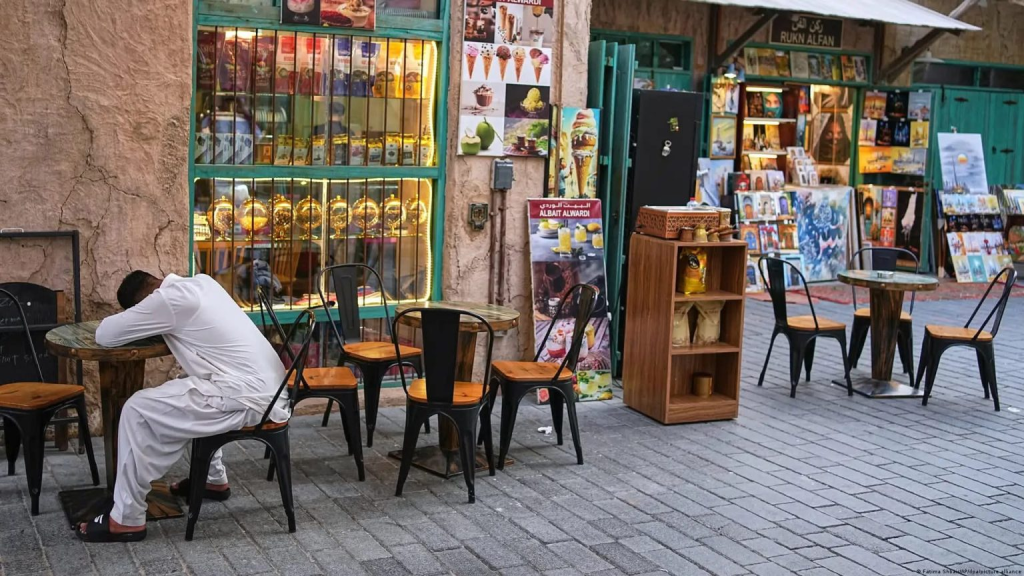
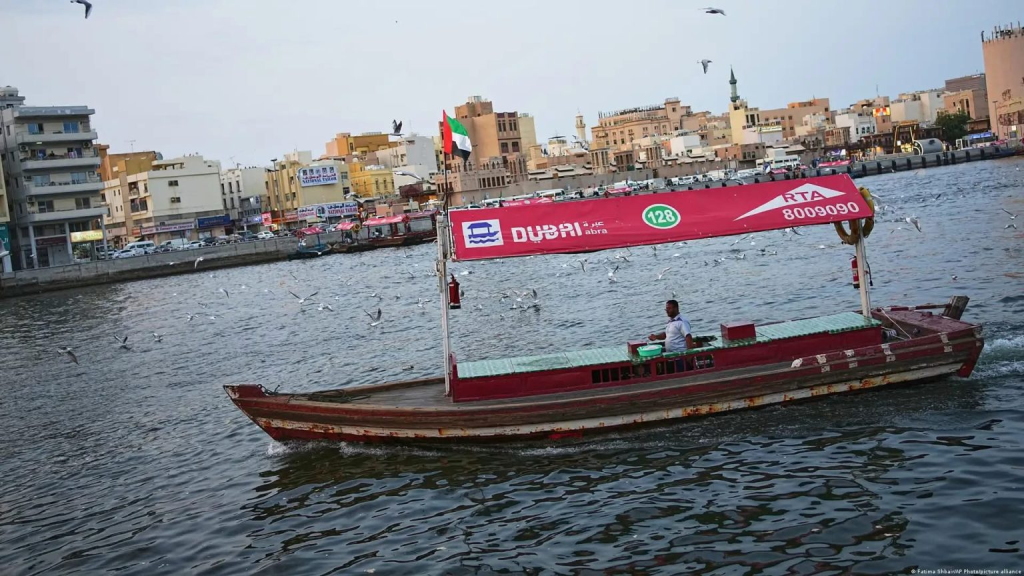
According to a recent analysis by Germany’s Deutsche Welle (DW), hotel occupancy rates in Dubai have plummeted from around 80 percent to approximately 10 percent. Many hotels have closed earlier than scheduled, citing “planned renovations,” while others have shifted focus toward attracting local Emirati residents rather than international visitors.

A Perfect Storm for the UAE: Tourism Slump, Economic Pressure and Regional Tensions

The tourism and hospitality sectors, long central to Dubai’s economic model, are under severe pressure. Low-wage foreign workers face particular hardship amid scarce job opportunities. Reports cited by DW, drawing on New York Times coverage, describe journalists in Dubai observing people moving from place to place in search of employment as positions in hotels and related services dry up.

Inflationary pressures have compounded the difficulties. Prices of basic goods and imports have risen, while property values across the UAE have declined. Analysts note that published figures and the authorities’ responses suggest the economy is under significant strain.

Dubai Real Estate Market Shows Clear Weakness

Belgian newspaper Le Soir reported in July that Dubai’s housing market is struggling. Residential sales in the second quarter fell 31 percent by volume and 45 percent by value year-on-year, with the luxury segment experiencing an especially sharp drop. This decline aligns with broader signs of cooling demand and reduced investor confidence in the property sector.

A Perfect Storm for the UAE: Tourism Slump, Economic Pressure and Regional Tensions

Saudi Arabia Tightens Controls on Financial Transfers to the UAE

Diplomatic and financial pressures are adding to the challenges. Reuters reported that Saudi Arabia has placed bank transfers to the UAE under additional layers of regulatory scrutiny typically reserved for countries deemed high-risk for illicit financial flows. Multiple sources with direct knowledge of the measures confirmed that many companies have faced difficulties moving funds from Saudi accounts to the UAE in recent months.

These unannounced restrictions, first highlighted by Bloomberg and the Financial Times in July, have led to payments being returned or blocked since May. Saudi banks have reportedly rejected or delayed transfers to UAE-based accounts held by companies and individuals in Dubai. Middle East Eye described the move as the latest indicator of escalating tensions between the two Gulf states, effectively placing the UAE in a higher-risk category for financial crime concerns from Riyadh’s perspective.

Broader Diplomatic and Security Context

International media have also circulated accounts alleging UAE involvement in activities linked to regional instability. These reports form part of the backdrop against which economic indicators have deteriorated and financial controls have tightened. Combined with the tourism collapse and property market correction, the developments point to a period of unusual stress for the UAE’s open, trade-oriented economy.

A Perfect Storm for the UAE: Tourism Slump, Economic Pressure and Regional Tensions

The combination of reduced visitor numbers, constrained capital flows, and strained regional relationships has created a challenging environment. While official responses have included measures such as early hotel closures framed as renovations and efforts to support local demand, independent reporting underscores the scale of the difficulties facing both businesses and foreign workers.

As regional dynamics continue to evolve, the UAE’s ability to stabilize its key economic pillars; tourism, real estate, and cross-border finance, will remain under close watch by markets and international observers.

#UAE
Author
Lys Iwannughen
View my articles
International press
Share this post

The Dark Side of Morocco’s 2030 World Cup: Homes Razed, Citizens Displaced

The Dark Side of Morocco’s 2030 World Cup: Homes Razed, Citizens Displaced

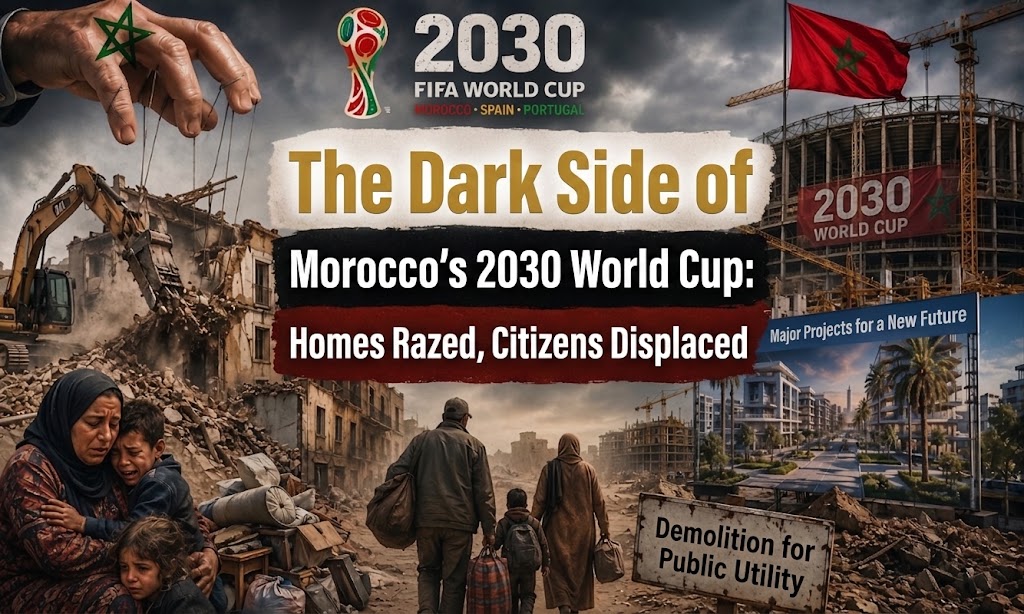
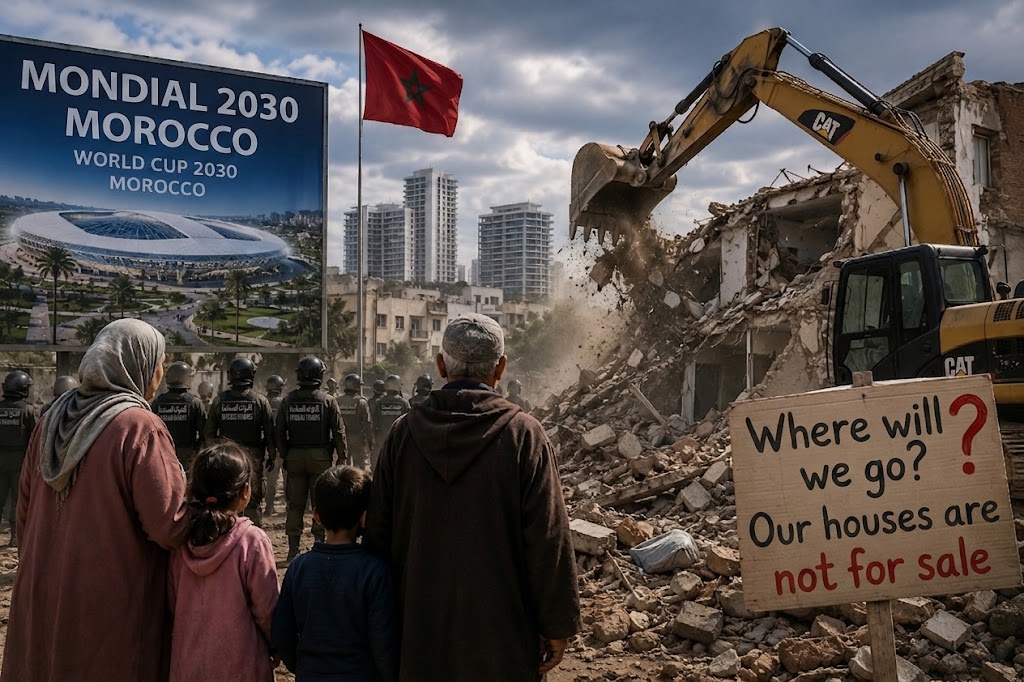
Algeria Gate: Morocco wants the world to see a modern state ready to host football’s biggest event. Media reports show another picture: World Cup preparations built on urban modernization projects that leave Moroccan families facing eviction from their homes and communities.

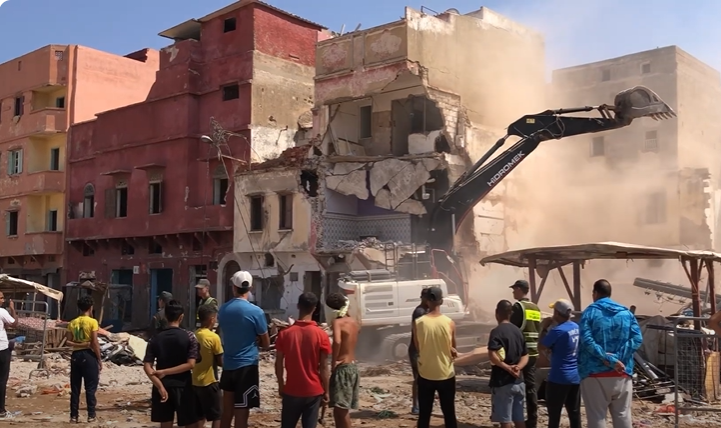
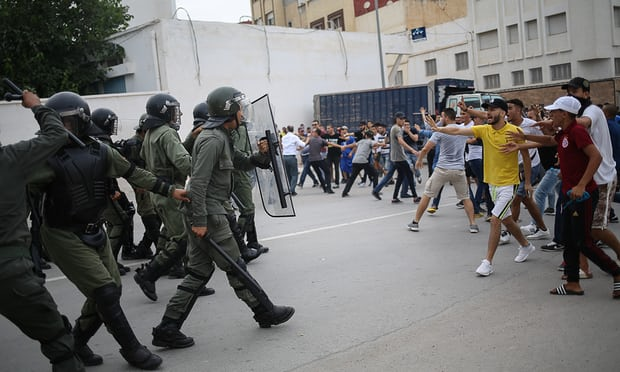
In an investigation published by the Belgian newspaper De Standaard on August 13th 2026, hundreds of buildings were reported to have been demolished over the past year, particularly in Rabat, in the context of projects to reshape the urban space and exploit land for new projects linked, according to the investigation, to the preparations and investments accompanying the organisation of the World Cup.

The Dark Side of Morocco’s 2030 World Cup: Homes Razed, Citizens Displaced

Here the most embarrassing question for the Moroccan authorities arises: what image does Morocco want to display to the world in 2030 if some families are paying the price of that image with their homes and stability?

The authorities that spend and plan to complete huge facilities and tourism and urban projects are supposed to place the citizen at the heart of this process, not to make the improvement of the urban façade a priority that advances ahead of protecting the affected families and guaranteeing their rights.

The bigger problem in this issue lies in the way these transformations take place when the citizen becomes the weakest link and finds himself facing bulldozers and administrative decisions in search of an alternative to a home in which he has lived for many years.

The Dark Side of Morocco’s 2030 World Cup: Homes Razed, Citizens Displaced

In a country that is betting on the World Cup to present a prosperous and modern image, the paradox appears harsh: stadiums are being built to receive the world, while families fear losing their homes; hotels and investment projects expand, while citizens wonder about their fate and their place in this development.

This opens the door to broader criticism of the way priorities are managed inside Morocco. Development cannot be reduced to concrete, major projects and official images, nor can the state be considered successful merely because it is capable of building huge facilities, while pressing social and economic files remain waiting for real solutions.

The Dark Side of Morocco’s 2030 World Cup: Homes Razed, Citizens Displaced

If the Moroccan authorities want to turn the 2030 World Cup into a showcase for their achievements, they must first answer the questions raised by human-rights and media reports concerning the affected families: where will they live? What is the size of the compensation they have received? And were the eviction operations carried out with sufficient legal and social guarantees?

The most dangerous thing that can happen is that the World Cup turns from an opportunity to improve the lives of Moroccans into a project to improve only the image of Morocco. A state that wants to convince the world that it is modern and advanced is required to prove that first in its treatment of its own citizens, especially the most vulnerable categories.

The Dark Side of Morocco’s 2030 World Cup: Homes Razed, Citizens Displaced

In the end, Morocco does not need only beautiful façades in order to appear successful before the world; it needs to address the social, urban and economic imbalances that its citizens live with. If Morocco’s image in 2030 is to be built on luxurious stadiums and modern streets, the question that arises is: where is the place of the citizen in this image? And is development built for him, or is he merely asked to pay its price?

#Makhzen#Morocco#World Cup
Author
Lys Iwannughen
View my articles