Sunday, 18 October 2026 • 23:56 Algiers time
Algeria Gate
News Room
Cameron Hudson: UAE is virtually the sole backer of the RSF..without its support the war in Sudan would not continue Algeria-Niger: Official launch of Trans-Saharan fibre optic link Five minutes of lament over Algeria: Amar Belani exposes CNEWS’s real obsession Algerian courts hand down first death sentences under new drugs law Ségolène Royal’s masterclass on Algeria against an ignorant and demagogic journalist President Tebboune and senior officials receive the remains of Boualem Boualem in Algiers NAPEC 2026 in Oran: Algeria at the Heart of Africa’s and the Mediterranean’s New Energy Landscape Pegasus Files: Amnesty Uncovers Morocco’s Espionage Against Spain President Tebboune Orders Salary Increases in Algeria’s 2027 Budget, Rules Out New Taxes on Citizens Algeria Emerges as a Trusted Power for Regional Peace and Stability
Share this post

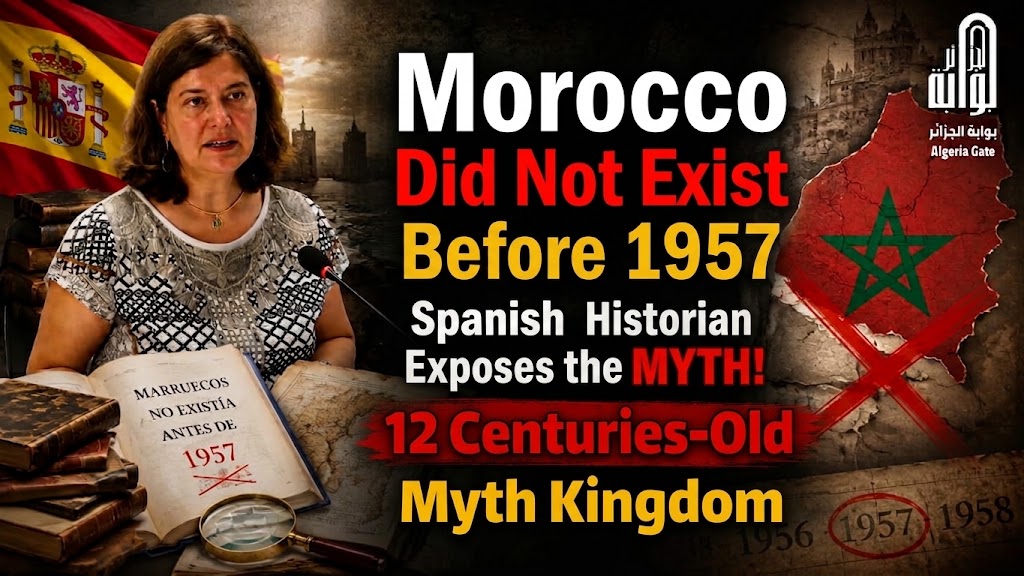
Morocco Did Not Exist Before 1957… Spanish Historian Exposes the Myth of a 12-Century-Old Kingdom!

• Author: Lys Iwannughen • 0 comments • 32 views
Morocco Did Not Exist Before 1957… Spanish Historian Exposes the Myth of a 12-Century-Old Kingdom!

Algeria Gate: Historian Margarita Torres said that the Kingdom of Morocco did not exist before 1957, stressing: “We will not lose the two Spanish cities of Ceuta and Melilla, which have never been Moroccan.”

Speaking on La Tarde, a program broadcast by Spanish radio station COPE, the historian reviewed the three-thousand-year history of the two cities and compared it with the relatively recent emergence of the Alaouite Kingdom.

Historian Margarita Torres analyzed the historical foundations of Spanish sovereignty over the cities of Ceuta and Melilla during her appearance on La Tarde on COPE. Commenting on claims made by the Makhzen authorities regarding the two autonomous Spanish cities, the historian described those claims as “wild fantasy” lacking documentary evidence and historical logic.

Torres noted that both locations have continuous histories stretching back more than 3,000 years.

“This is the first thing Spaniards must understand clearly: the Kingdom of Morocco did not exist before 1957,” the historian said, comparing the modern emergence of the neighboring country with the Phoenician past of the two cities, known historically as “Abila” and “Russadir.”

When discussing Morocco’s independence from the French protectorate in 1956 under Francisco Franco, the professor drew a comparison with the 1975 Green March.

“If the people of Ceuta and Melilla, and all Spaniards, want to understand what is currently happening in Ceuta, they should study the Green March of 1975,” she warned on COPE.

The historian further warned that pressure at the borders and disputes over territorial waters are not limited to North Africa, but also point directly toward the Canary Islands.

Assessing Moroccan territorial claims and legislative moves, she stated: “Ceuta is the first step, Melilla is the second, and the Canary Islands are the third.”

Regarding the population’s longstanding connection to the cities, Torres said local residents defend their sovereignty because they “understand the side with which they have been connected for centuries and thousands of years.”

At the same time, she criticized shortcomings in the current education system for failing to include Mauretania Tingitana on school maps depicting Roman Spain.

At the conclusion of her remarks, Torres stressed the need to preserve historical memory and territorial sovereignty in the face of any external strategy, including what she described as the Makhzen regime’s expansionist plans.

She concluded firmly on La Tarde: “Of course, we will not lose the two Spanish cities of Ceuta and Melilla, which have never been Moroccan.”

#Morocco#Spain
Author
Lys Iwannughen
View my articles

Leave a comment

Your email address will not be published. Required fields are marked *

Algeria
Share this post

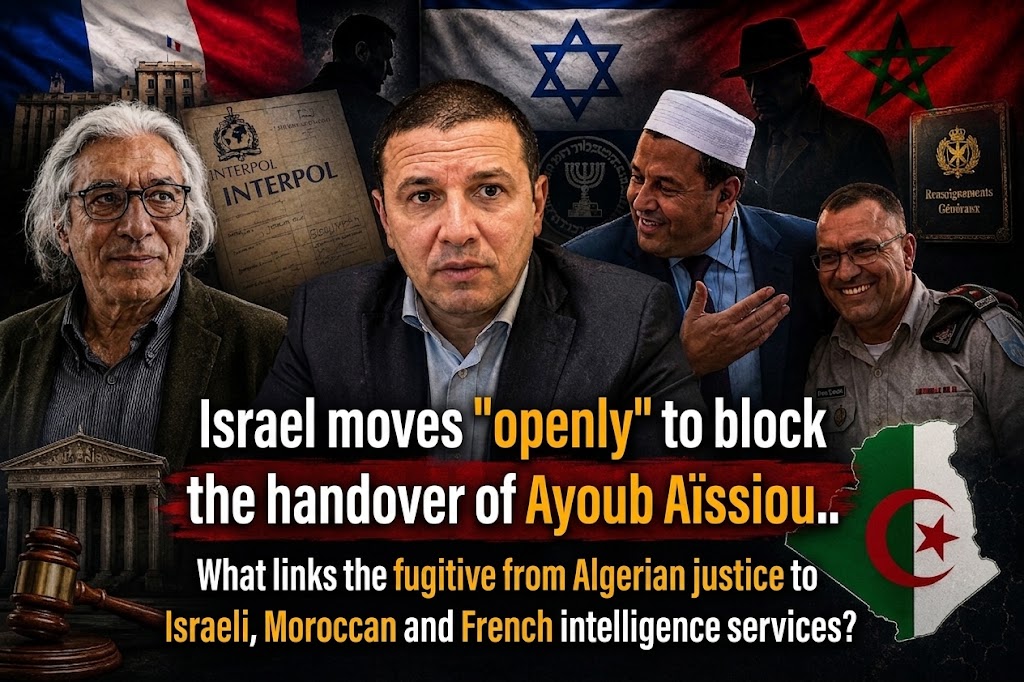
Israel moves “openly” to block the handover of Ayoub Aïssiou.. What links the fugitive from Algerian justice to Israeli, Moroccan and French intelligence services?

Israel moves “openly” to block the handover of Ayoub Aïssiou.. What links the fugitive from Algerian justice to Israeli, Moroccan and French intelligence services?

Algeria Gate: In a striking development suggesting that the self-proclaimed businessman known as Ayoub Aissiou is in reality nothing more than a long-time secret agent of Israel, according to observers, can one explain the open emergence of the Zionist lobby in France with a petition signed by several activist figures from the so-called Representative Council of Jewish Institutions in France (CRIF)?

This organisation has long influenced political decision-making in France and has become one of Israel’s most important tools for defending its interests and advancing its agenda.

What is particularly noteworthy is the publication of the petition on websites belonging to Vincent Bolloré’s empire, such as the newspaper Le JDD.

Even more surprising is the haste of the pro-Zionist imam of Tunisian origin, Hassan Chalghoumi, who is supported by the UAE, in declaring what he called his rejection of Spain’s extradition of the Algerian citizen Ayoub Issiou and in calling on the French authorities to intervene with Madrid to prevent the handover.

This raises the question: is Ayoub Aissiou a French citizen?

Israel moves “openly” to block the handover of Ayoub Aïssiou.. What links the fugitive from Algerian justice to Israeli, Moroccan and French intelligence services?

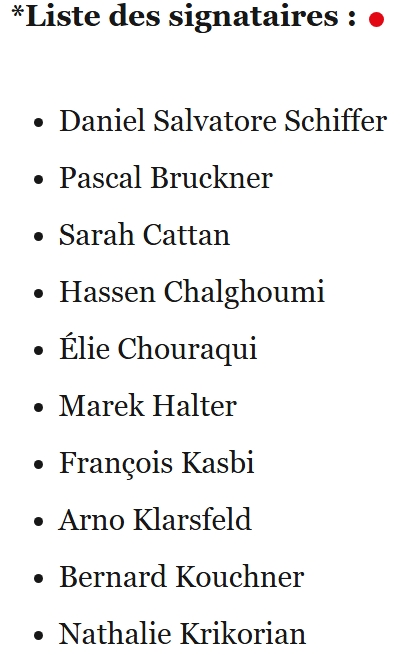
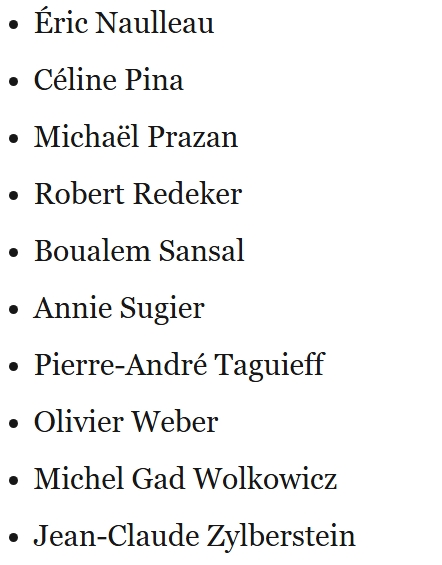
The traitor and mercenary Boualem Sansal has also entered the fray, signing the petition alongside a group of pro-Zionists linked to the Union of Jewish Students of France (UEJF). The petition is both ridiculous and revealing: it exposes Ayoub Issiou’s suspicious links to French, Israeli, Moroccan and Emirati intelligence services, while also highlighting other names active in Jewish associations with an extreme Zionist orientation, such as “Betar,” which also signed the petition.

As the decisive moment approaches in the case of the Algerian businessman Ayoub Issiou, who has been detained in Barcelona since 25 July on the basis of an international arrest warrant, the Israeli lobby in France, together with controversial French political and media figures, has mobilised to prevent his extradition to Algeria.

This move raises numerous questions about the alleged Algerian businessman’s ties to Israeli and Moroccan intelligence. Aissiou is being pursued by the Algerian judiciary in cases involving financial and commercial offences, including violations of legislation governing the movement of capital to and from abroad, illicit currency transfers, money laundering and the concealment of proceeds linked to corruption, among other charges.

What is striking is not only the nature of these moves, but also the identity of some of those involved and the way the case is being presented to European public opinion.

Israel moves “openly” to block the handover of Ayoub Aïssiou.. What links the fugitive from Algerian justice to Israeli, Moroccan and French intelligence services?

French novelist Pascal Bruckner, known for his strongly pro-Israel positions, has joined the campaign. He is joined by Boualem Sansal, convicted in Algeria on charges related to undermining national unity, and by the controversial Tunisian imam of Jewish origin, Hassan Chalghoumi.

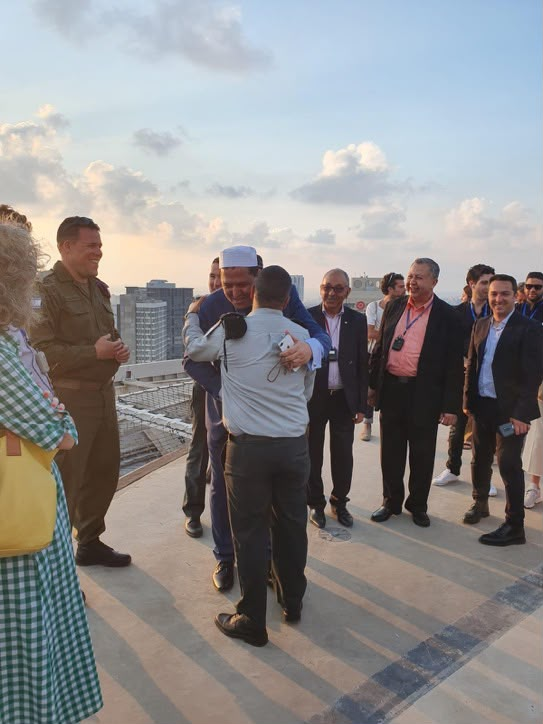
Chalghoumi heads a French Islamic foundation supported by the UAE. He has previously visited Israel, where Israeli media photographed him embracing soldiers in Tel Aviv while claiming that the entity does not oppose Muslims.

Media support has also come from the outlets of French businessman Vincent Bolloré, whose platforms are steeped in narratives hostile to Algeria. The newspaper JDD, in particular, quickly published the alleged petition calling on French President Emmanuel Macron and Spanish Prime Minister Pedro Sánchez to intervene and prevent Aissiou’s extradition to Algeria.

Remarkably, this campaign seeks to reframe Aissiou as a “political opponent,” in an attempt to recharacterize the case away from its judicial core. The question that arises here is clear: are we dealing with a matter of freedom of opinion, or with a political attempt to reframe a judicial and financial file and give it a political cover?
According to the nature of the judicial files attributed to him, Aissiou is not a journalist imprisoned for an article, nor a writer pursued for a book, nor a political activist punished for his views. He is a businessman pursued in financial and economic cases; a fundamental difference that cannot be overlooked simply by applying the label of “political opponent.”

Even more questionable is the fact that the same circles that turned Boualem Sansal’s case into a symbolic battle under the banner of “freedom of expression” are now trying to apply the same logic to the case of a businessman.

This man has an economic trajectory and extensive networks of relationships.

The matter appears to go beyond mere humanitarian solidarity or legal defence. The political reframing of Issiou could have direct consequences for the course of his extradition, as well as for the Algerian judiciary’s ability to question him and investigate the files against him.

The man is not unknown within Algeria’s economic and media systems. His professional path brought him into contact with business circles and complex networks of influence in France and Morocco.

This is precisely what makes his file more sensitive, given the volume of information he may possess.

His return to Algeria could open the door to revealing precise details about money trails, companies and intermediaries, as well as the relationships of businessmen with political circles, and the protection and influence networks that accumulated privileges during the era of the “gang.” His statements could also help track capital flows and uncover relationships and interests that have remained in the shadows, and perhaps lift the veil on names and networks that targeted Algeria and extend into France and Morocco.

The fugitive businessman Ayoub Aissiou, who holds dual nationality (Liberian–Algerian), has for years posed as an Algerian businessman.

He transferred part of the funds he smuggled out of Algeria during the era of the “gang” to Morocco, seeking guarantees and protection from the Zionist lobby.

Aissiou, who is fleeing Algerian justice, knows full well that the Zionists control the Moroccan regime from top to bottom. He therefore planned to seek refuge in Morocco and settle there permanently, convinced that extradition to Algeria would be impossible.

This strategy followed the advice of his team of French lawyers, in exchange for transferring large sums of money from France to Morocco under the guise of investment, as Algeria Gate exclusively revealed in a series of earlier articles.

On this basis, according to a well-informed Algerian source, the plan of the Zionist-Moroccan lobby is to present Ayoub Aissiou as a businessman. In reality, he is a professional money-smuggler and launderer merely posing as one.

The Spanish judicial authorities can verify that none of the investment projects for which he obtained bank loans were ever completed. The funds have simply vanished to this day.

This applies whether to the project to rehabilitate the iron plant in M’Sila, the milk-production and cattle-import project in Djelfa, or the stone-fruit trees project in the same province.

The only projects that were partially completed were real-estate promotion apartments. These were distributed to a number of officials and their children, who later went to prison.

#Algeria#France#Israel#Morocco
Author
Lys Iwannughen
View my articles
Europe
Share this post

New escalation against Algeria!.. The Makhzen strikes again, expelling French “Mediapart” journalist mere hours after interrogating her

New escalation against Algeria!.. The Makhzen strikes again, expelling French “Mediapart” journalist mere hours after interrogating her

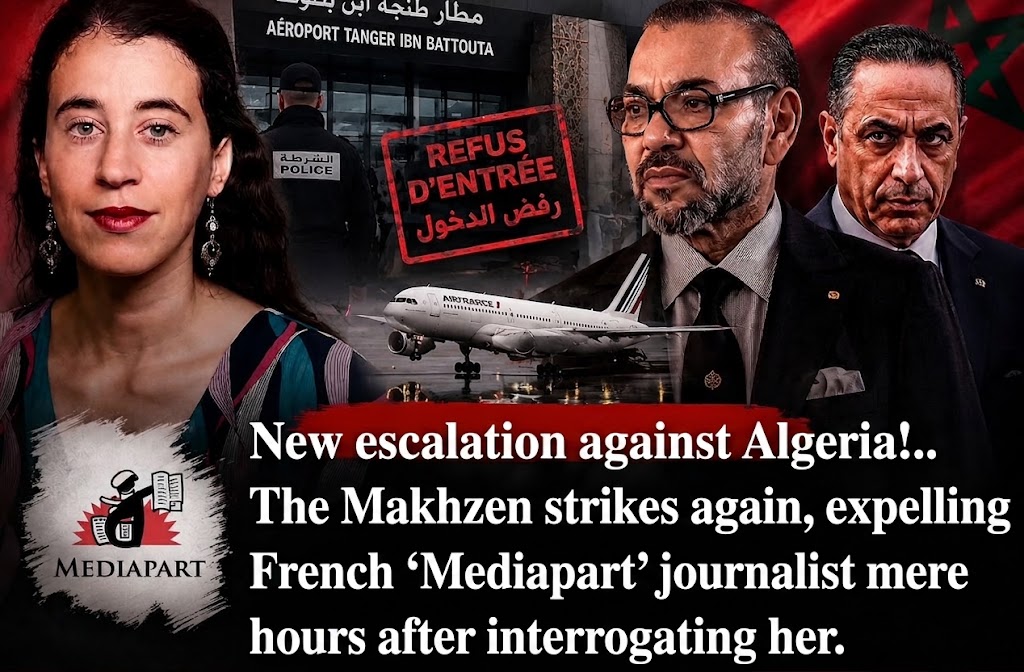
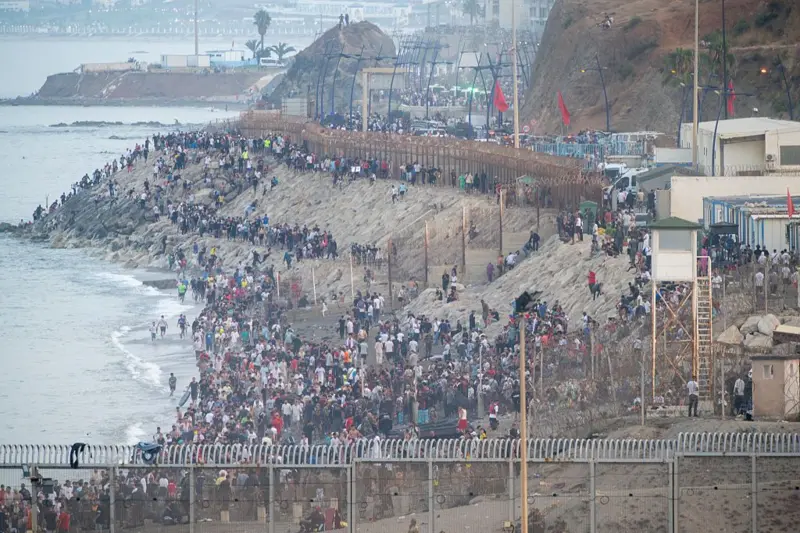
Algeria Gate: In yet another escalation exposing Rabat’s hostile campaign against Algerians and French nationals of Algerian descent, Moroccan authorities moved swiftly to expel French Mediapart journalist Nejma Brahim the moment she landed at Tangier airport. Her crime? Intending to cover the Ceuta crisis; the exodus of nearly 70,000 Moroccans who fled the misery of life at home, desperate for any route into Europe.

New escalation against Algeria!.. The Makhzen strikes again, expelling French “Mediapart” journalist mere hours after interrogating her

This comes as no shock; it’s just the latest move in the Makhzen’s relentless campaign to bury the truth, whitewash the grim reality inside Morocco, and shut journalists out from witnessing, documenting, or exposing the suffering of victims to the world.
The moment Nejma Brahim set foot in Tangier on August 13th, she was seized and grilled for five straight hours by Morocco’s General Directorate of National Security.

New escalation against Algeria!.. The Makhzen strikes again, expelling French “Mediapart” journalist mere hours after interrogating her


The journalist had clearly explained that her mission was to gather testimonies, from the Moroccan side, from families who had lost members during the migration tragedy linked to Ceuta.

In the end, the journalist was sent back to Paris without any official explanation being given, and her passport was not returned to her until she had boarded the plane. Even more controversial is that the document refusing her entry included the phrase “French of Algerian origin” under the “nationality” field, despite the fact that Nejma Brahim holds French nationality.

New escalation against Algeria!.. The Makhzen strikes again, expelling French “Mediapart” journalist mere hours after interrogating her

Mediapart condemned what it considered a violation of “the public’s right to know,” arguing that preventing journalists from accessing the field deprives public opinion of learning the truth of what is happening.

Nejma Brahim’s case is not an isolated one; the newspaper, run by Edwy Plenel, reported that journalists from Spanish public broadcaster TVE and news agency EFE were likewise expelled from their hotel on August 15th, while covering events unfolding near Ceuta.

Author
Lys Iwannughen
View my articles
Europe
Share this post

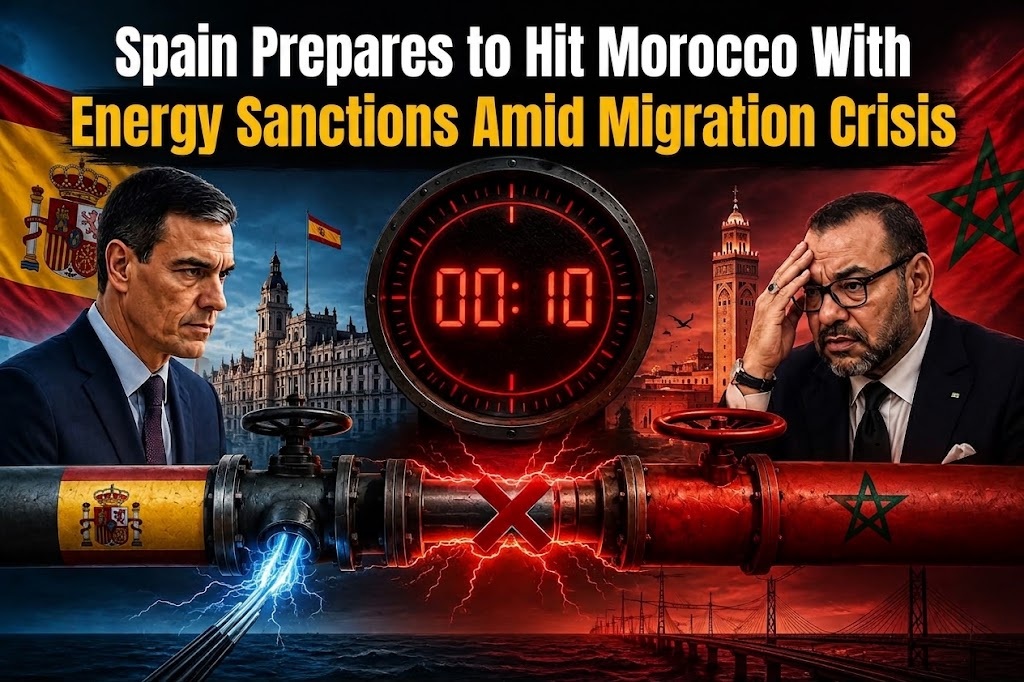
Spain Prepares to Hit Morocco With Energy Sanctions Amid Migration Crisis

Spain Prepares to Hit Morocco With Energy Sanctions Amid Migration Crisis

Algeria Gate: With tensions between Spain and Morocco escalating, Spanish broadcaster RTVE reports that Prime Minister, Pedro Sánchez’s government is preparing an “emergency plan” that could include economic sanctions and other measures aimed at pressuring Rabat over its policies toward Spain and the wider region

https://twitter.com/algatedzEng/status/2089743688456871976?s=20

According to the report, Spanish authorities are currently considering measures to deter Rabat if Morocco is found to be involved in new waves of migration.

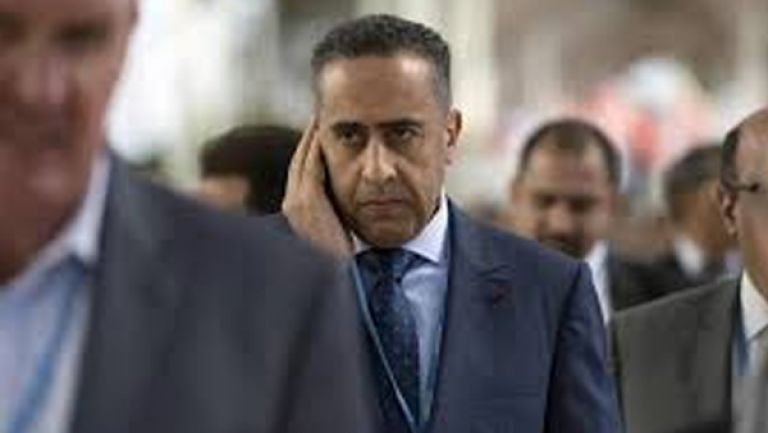
The Spanish move follows several media and security reports alleging the involvement of Abdelatif Hammouchi’s intelligence apparatus in facilitating the passage of around 70,000 Moroccan irregular migrants toward the Spanish city of Ceuta, as well as accusations that Morocco has used migration as a tool of political pressure.

According to information circulating in Spanish media, the government is examining a comprehensive emergency plan targeting Morocco. The energy sector has reportedly been tasked with preparing a detailed assessment of possible measures to deter Rabat in the event of renewed migration crises.

https://twitter.com/algatedzEng/status/2089735202071335351?s=20

Algeria Previously Cut Energy Supplies to Morocco

In 2021, Algeria moved to halt energy supplies to Morocco, prompting Rabat to rely on Spanish infrastructure to receive gas imported through the Spanish market following major changes to the region’s energy supply system.

The move came after Algeria decided not to renew the Maghreb–Europe Gas Pipeline (MEG) agreement.

The MEG pipeline previously transported Algerian natural gas through Moroccan territory to Spain. However, the deterioration of Algerian-Moroccan relations and the subsequent end of the pipeline agreement changed the flow of gas supplies.

Algeria subsequently increased deliveries to Spain through the Medgaz pipeline, which directly connects Algeria and Spain, while Morocco began relying on gas imported through Spain and transported back into Moroccan territory.

Energy Becomes a Key Pressure Point

The energy issue is particularly significant for Morocco because of the close interconnection between the Spanish and Moroccan electricity grids.

The two countries are linked by two submarine electricity cables connecting the Tarifa area in southern Spain with Morocco’s northern coast. These connections allow electricity to be exchanged between the two countries and contribute to the stability of Morocco’s power grid.

As a result, significant electricity flows can be recorded from Spain toward Morocco, making energy interdependence a potentially important factor in Madrid’s response to any future migration crisis.

#Morocco#Spain
Author
Lys Iwannughen
View my articles