
Sunday, 6 September 2026 12:35 Algiers time
Algeria Gate
News Room
$50B Revival: Algeria Spearheads Africa’s Economic Awakening Tiny Emirate Trapped by Hormuz, Continental Algeria’s Oil Crushes UAE’s Fragile India Bet 5.6 Million Cubic Meters per Day by 2030… Algeria Moves Desalination to the Heart of the Economy Algerian “INATEL” Enters the New Kinshasa City Project Covering 43,300 Hectares From VIP Glitter on Screens… to the Dark Shadows of Drug Networks! Tiny Companies, Astronomical Figures: AI Exposes $130 Billion Import Scam in Algeria Algeria Declares War on Cartels: Cutting Supply Lines and Choking Cash Flow After Algeria… Morocco tries to flood Spain with 3 tons of cocaine! Emirati fixer in Spain on a last-ditch bid to rescue Ayoub Aissiou! UAE falls into the trap… Algerian retaliation is coming hard! Algeria-Qatar’s Baladna project pumps $1.2 billion into the treasury every year… and buries the French import lobby!
Share this post

Tunisia Thanks Sonelgaz for Safeguarding Its Power Grid

Author: yasmine ouazib 0 comments 37 views
Tunisia Thanks Sonelgaz for Safeguarding Its Power Grid

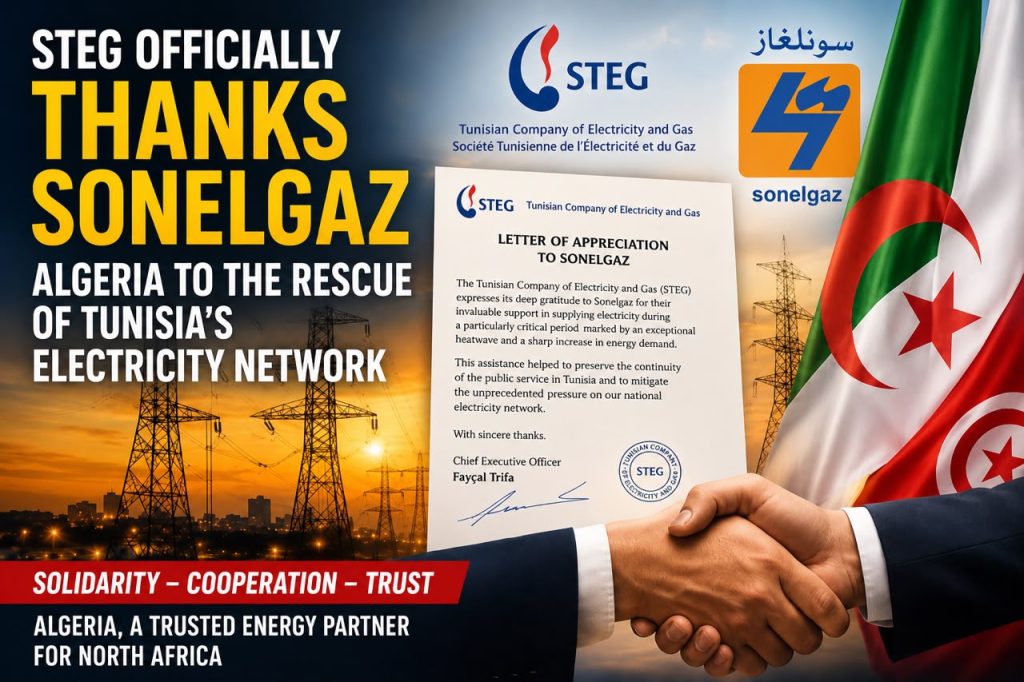
Algeria Gate: Energy cooperation between Algeria and Tunisia has reached a new milestone. Tunisia’s National Electricity and Gas Company (STEG) has officially sent a letter of appreciation to Sonelgaz, praising its crucial support in ensuring electricity supplies during a particularly critical period marked by an exceptional heatwave and a sharp surge in energy demand.

In the official message, STEG Chief Executive Officer Fayçal Trifa expressed his sincere gratitude to the leadership, executives, and employees of Sonelgaz for their swift response and unwavering commitment. He emphasized that this assistance helped maintain the continuity of Tunisia’s public electricity service and eased the unprecedented pressure on the country’s national power grid.

This official recognition highlights Algeria’s strategic role in supporting Tunisia’s energy security. Thanks to Sonelgaz’s generation capacity and the electricity interconnection linking the two countries, Algeria was able to respond rapidly to Tunisia’s needs as electricity demand reached record levels.

Beyond its technical dimension, this gesture reflects the strength of the longstanding partnership between Algiers and Tunis. The two countries enjoy close cooperation in the energy sector, built on solidarity, mutual trust, and shared interests aimed at reinforcing regional energy stability.

This latest expression of appreciation from STEG also reaffirms Sonelgaz’s position as a leading player in North Africa’s energy sector. By supporting Tunisia during a period of exceptional strain on its electricity network, the Algerian public utility has once again demonstrated Algeria’s ability to act as a reliable partner and a strategic energy provider committed to advancing regional cooperation.

Author
yasmine ouazib

Leave a comment

Your email address will not be published. Required fields are marked *

Algeria
Share this post

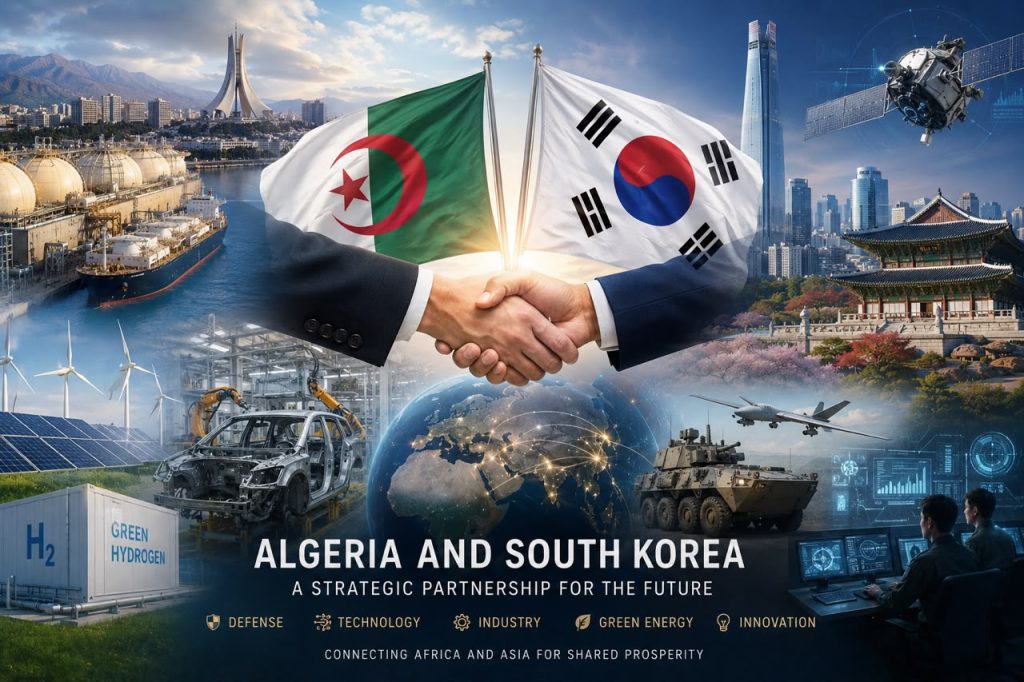
Algeria and South Korea: A Strategic Partnership Spanning Defense, Technology, and the Industries of the Future

Algeria and South Korea: A Strategic Partnership Spanning Defense, Technology, and the Industries of the Future

As the international order undergoes profound transformation and global supply chains and economic alliances are reshaped, relations between Algeria and the Republic of Korea have emerged as a compelling model of a multidimensional strategic partnership. Built on economic complementarity, industrial cooperation, political coordination, defense collaboration, and growing ties in education, culture, and innovation, the relationship continues to gain strategic significance.

https://twitter.com/algatedzEng/status/2085107523351150748?s=20

Since establishing diplomatic relations in 1990, Algeria and South Korea have steadily elevated their cooperation, culminating in Algeria becoming South Korea’s only strategic partner in Africa a designation that reflects the mutual trust, geopolitical importance, and long-term vision shared by both nations.

Political Partnership Built on Dialogue and Stability

Recent years have witnessed an accelerated pace of high-level exchanges, underscoring the shared determination of both governments to broaden bilateral cooperation.

In January 2026, Algeria welcomed a delegation from the Korea–Algeria Parliamentary Friendship Group. Discussions focused on strengthening political, economic, and parliamentary relations while promoting greater institutional exchanges and legislative cooperation.

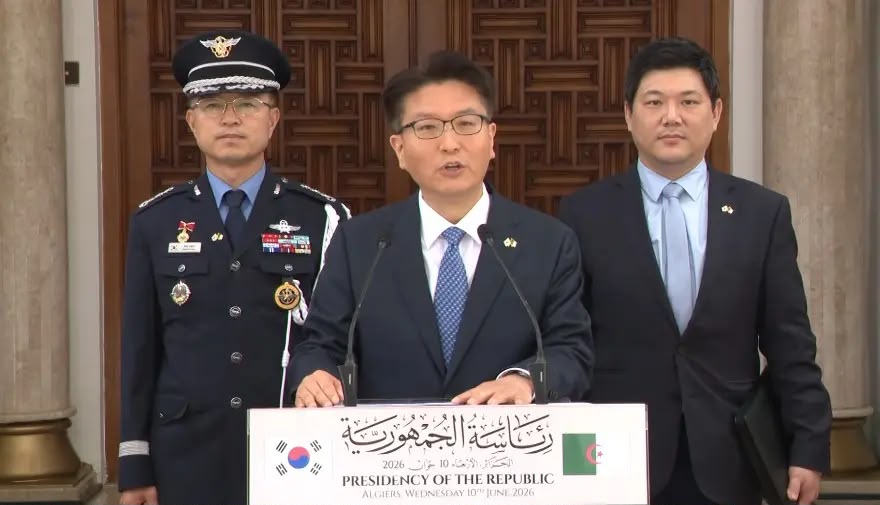
In APRIL 2026, Algeria’s Secretary-General of the Ministry of Foreign Affairs, Lounès Magramane, received South Korean Vice Minister of Foreign Affairs for Economic Affairs Park Jong-han. Their talks centered on expanding Korean investment in Algeria, revitalizing the Joint Economic Committee, and marking two decades of the strategic partnership between the two countries.

Beyond bilateral issues, Algiers and Seoul share common positions on numerous international challenges, including support for multilateralism, sustainable development, and reforms aimed at strengthening global economic governance.

Economic Cooperation: Where Natural Resources Meet Advanced Technology

Algeria is among South Korea’s key suppliers of liquefied natural gas (LNG), while South Korea contributes advanced technology, industrial expertise, and engineering capabilities that support Algeria’s modernization agenda.

Leading Korean companies including Hyundai Engineering & Construction, Samsung C&T, and Daewoo Engineering & Construction—have played major roles in strategic Algerian projects involving power generation, ports, industrial facilities, and critical infrastructure. These investments have also facilitated technology transfer and the development of Algerian technical expertise.

As Algeria accelerates its economic diversification strategy, South Korea has become an increasingly important partner in manufacturing, renewable energy, digital transformation, and innovation-driven industries.

Industrial Cooperation: From Import Dependence to Technology Transfer

Algeria’s ambition to establish a competitive industrial base aligns closely with South Korea’s globally recognized manufacturing model.

This complementarity creates significant opportunities for joint ventures in key sectors, including:

  • Automotive manufacturing and components;
  • Electronics and household appliances;
  • Mechanical industries;
  • Digital technologies and artificial intelligence;
  • Semiconductors and other advanced technologies.

Technology transfer and workforce development remain central priorities for Algeria as it seeks to build internationally competitive domestic industries capable of serving regional and global markets.

Expanding Defense Cooperation

Defense cooperation has emerged as one of the fastest-growing dimensions of bilateral relations.

In May 2025, Algeria and South Korea exchanged a Memorandum of Understanding on defense cooperation between their respective Ministries of National Defense. The agreement laid the foundation for expanded collaboration in defense industries, military technology, training, and capacity building.

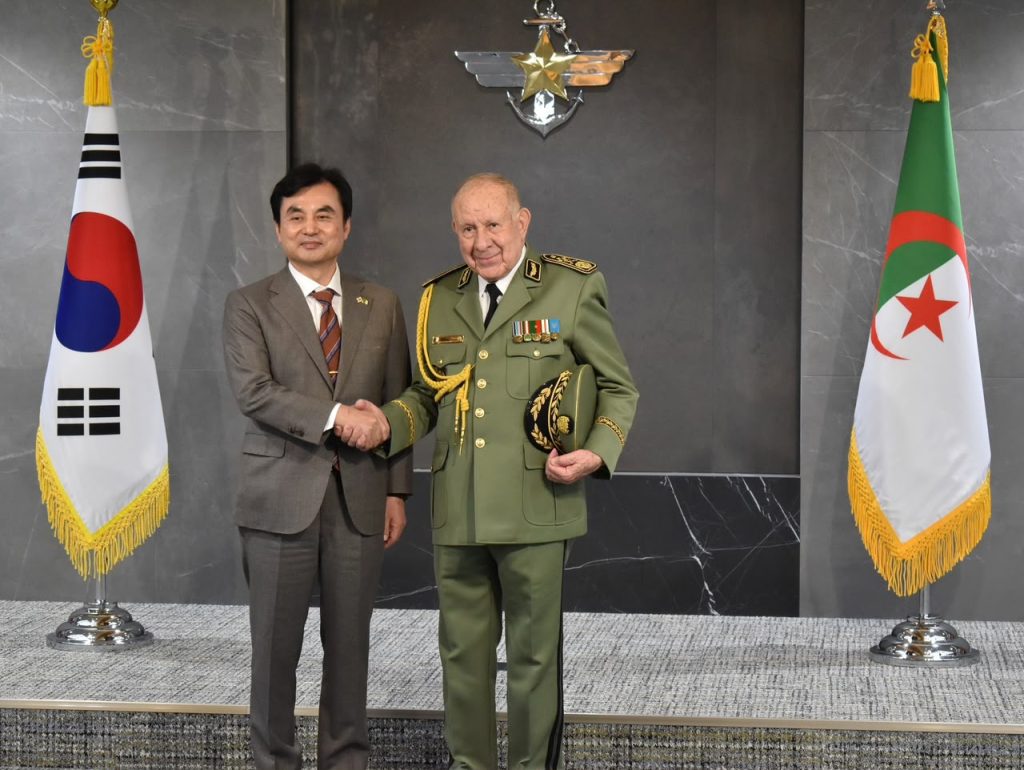
Later, in October 2025, General Saïd Chengriha, Algeria’s Minister Delegate to the Minister of National Defence and Chief of Staff of the People’s National Army, paid an official visit to Seoul, where he met South Korea’s Minister of National Defense and the Chairman of the Joint Chiefs of Staff. Their discussions focused on advancing defense-industrial cooperation, expanding technology transfer, strengthening military education and training, and exploring new opportunities in defense manufacturing.

General Chengriha also attended ADEX 2025 one of Asia’s premier aerospace and defense exhibitions where he reviewed cutting-edge defense systems, unmanned aerial platforms, cybersecurity technologies, and next-generation military innovations, reflecting Algeria’s commitment to modernizing its defense capabilities through strategic international partnerships.

Green Energy and Sustainable Development

Bilateral cooperation has expanded well beyond conventional energy into the fields of green growth and sustainable development.

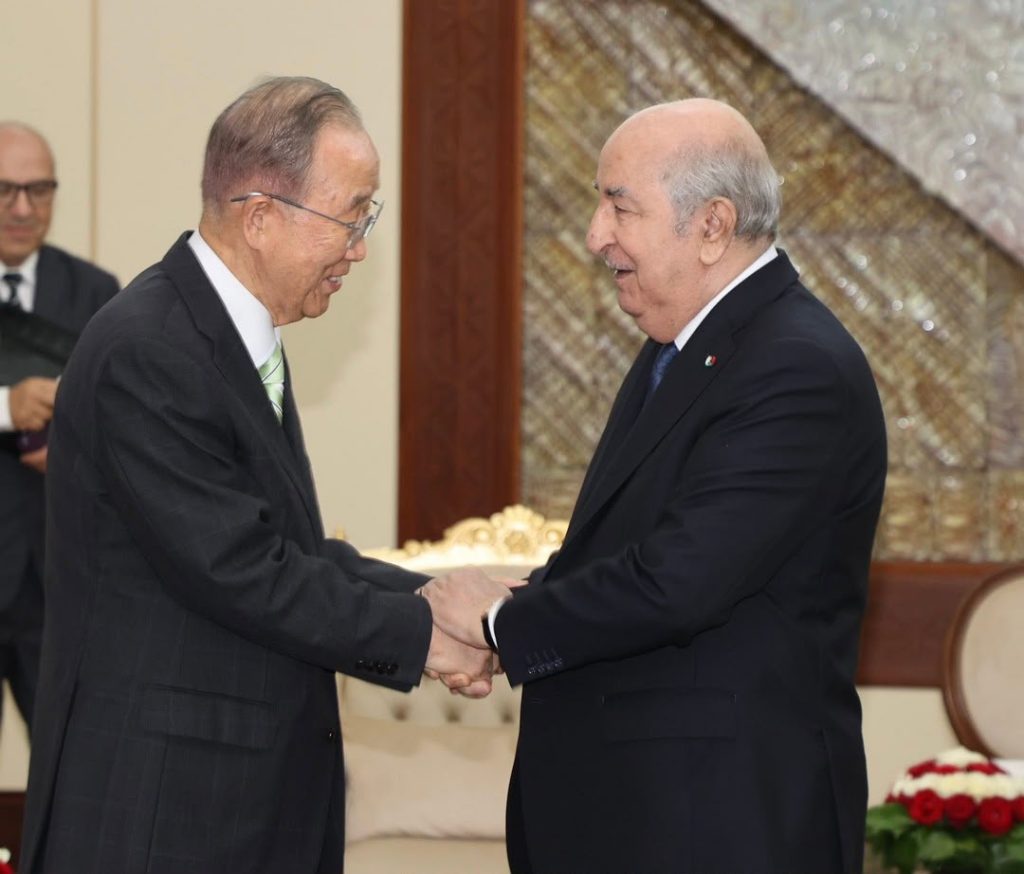
In June 2026, former United Nations Secretary-General Ban Ki-moon visited Algeria in his capacity as President and Chair of the Global Green Growth Institute (GGGI). Discussions with Algerian officials focused on sustainable development, green economic transformation, energy transition, and environmental innovation.

These priorities complement Algeria’s national strategy to expand renewable energy production and develop a green hydrogen industry, while drawing on South Korea’s internationally recognized expertise in clean technologies and sustainable industrial development.

Education, Culture, and Soft Power

People-to-people exchanges continue to strengthen bilateral relations.

Interest in the Korean language and culture has grown steadily among Algerian youth, accompanied by expanding scholarship opportunities, academic exchanges, and university cooperation.

Meanwhile, the Embassy of the Republic of Korea in Algeria regularly organizes cultural events showcasing Korean cinema, music, visual arts, and cuisine, reinforcing mutual understanding and strengthening the bonds between the two societies.

A Strategic Bridge Between Asia and Africa

For South Korea, Algeria offers a strategic gateway to African markets through its geographic position, expanding logistics infrastructure, and status as Africa’s largest country by land area.

For Algeria, South Korea represents a global leader in manufacturing excellence, technological innovation, digital transformation, and industrial competitiveness.

As bilateral relations enter a new phase, the Algeria–South Korea partnership has evolved beyond traditional trade into a comprehensive long-term strategic relationship encompassing security, advanced manufacturing, energy, scientific research, innovation, and the green economy.

At a time when technological leadership and industrial resilience are reshaping global power dynamics, Algeria and South Korea are uniquely positioned to build one of the most significant Africa Asia partnerships of the twenty-first century one founded on knowledge transfer, joint industrial development, sustainable investment, and shared prosperity, while reinforcing both countries’ roles within the evolving global economy.

Author
yasmine ouazib
Algeria
Share this post

Algeria Builds an Integrated Automotive Industry

Algeria Builds an Integrated Automotive Industry

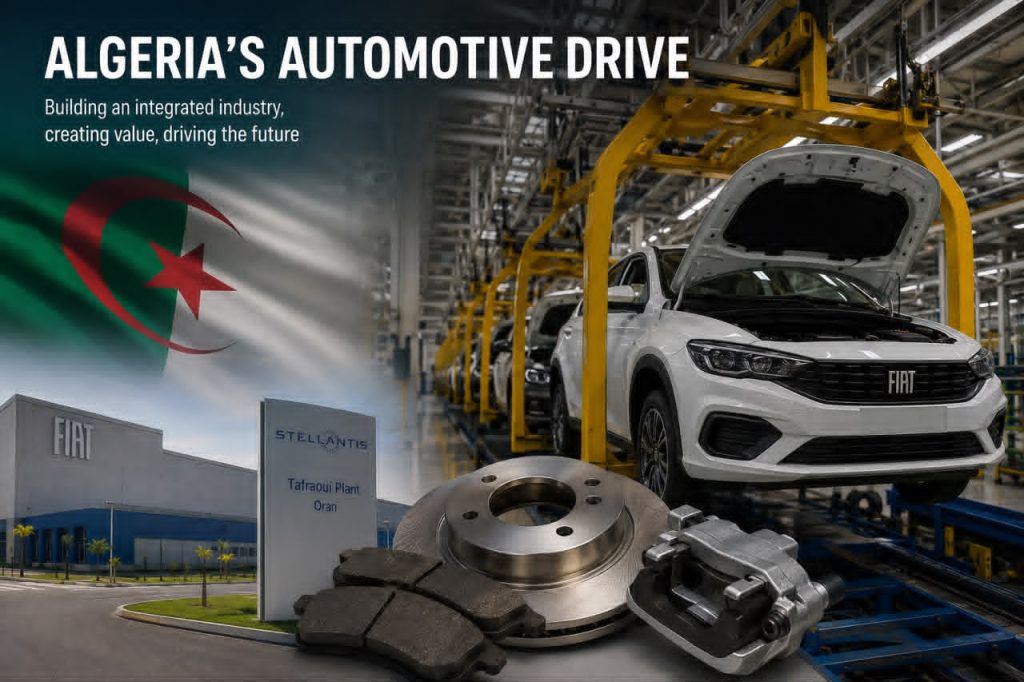
Algeria’s automotive strategy has evolved beyond attracting vehicle assembly plants into a broader industrial vision focused on building a fully integrated manufacturing ecosystem. The country is investing in vehicle production, local component manufacturing, and a national network of suppliers to increase industrial integration, reduce imports, and position Algeria as a regional automotive manufacturing hub.

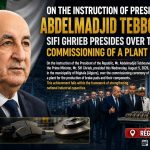
In line with this strategy, Prime Minister Seifi Ghrieb, on behalf of President Abdelmadjid Tebboune, inaugurated a brake pads and automotive accessories manufacturing plant in Reghaïa, Algiers, on August 5, 2026. The new facility represents another step toward strengthening Algeria’s automotive supply chain by expanding domestic production of key vehicle components.

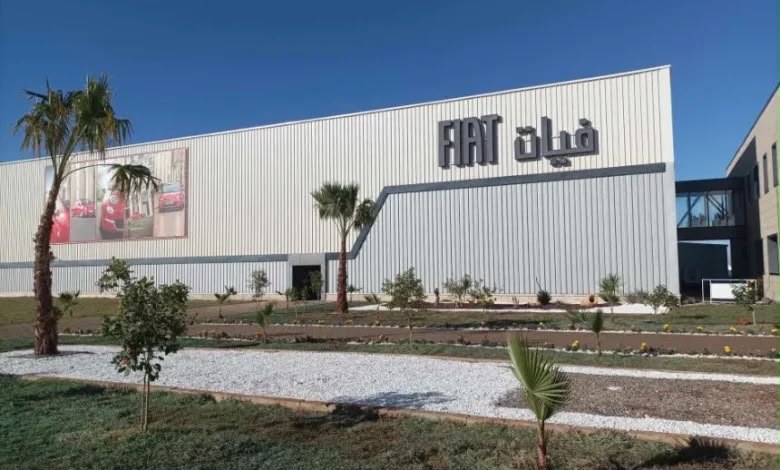
The project builds on the momentum created by FIAT’s Tafraoui plant in Oran, which began production at the end of 2023 and has become the cornerstone of Algeria’s modern automotive industry. Since then, the facility has continued expanding its industrial capabilities through the addition of body welding and paint workshops while progressively increasing local integration. Stellantis aims to raise the plant’s annual production capacity to 135,000 vehicles by 2028.

Alongside vehicle manufacturing, Algeria is developing a domestic network of automotive suppliers. In this context, Stellantis Algeria signed a strategic partnership with IKAM Auto Industry to manufacture brake pads locally, supporting both the after-sales market and, eventually, the FIAT Tafraoui plant. The agreement reflects the country’s commitment to increasing the use of locally manufactured components that meet international quality standards.

The sector has also attracted growing interest from international automakers. Companies including Chery, Geely, and JAC Motors have announced investment plans for production projects in Algeria, highlighting increasing confidence in the country’s industrial policy and long-term automotive ambitions.

Together, these developments demonstrate Algeria’s transition from an import dependent automotive market to a country building a comprehensive automotive industry. By combining vehicle manufacturing with local production of components and spare parts, the country is laying the foundations for a competitive industrial sector capable of serving both domestic demand and export markets across Africa and the Mediterranean.

Author
yasmine ouazib
Algeria
Share this post

Algeria Reinforces Its Climate Commitment by Submitting Its Nationally Determined Contribution to the United Nations

Algeria Reinforces Its Climate Commitment by Submitting Its Nationally Determined Contribution to the United Nations

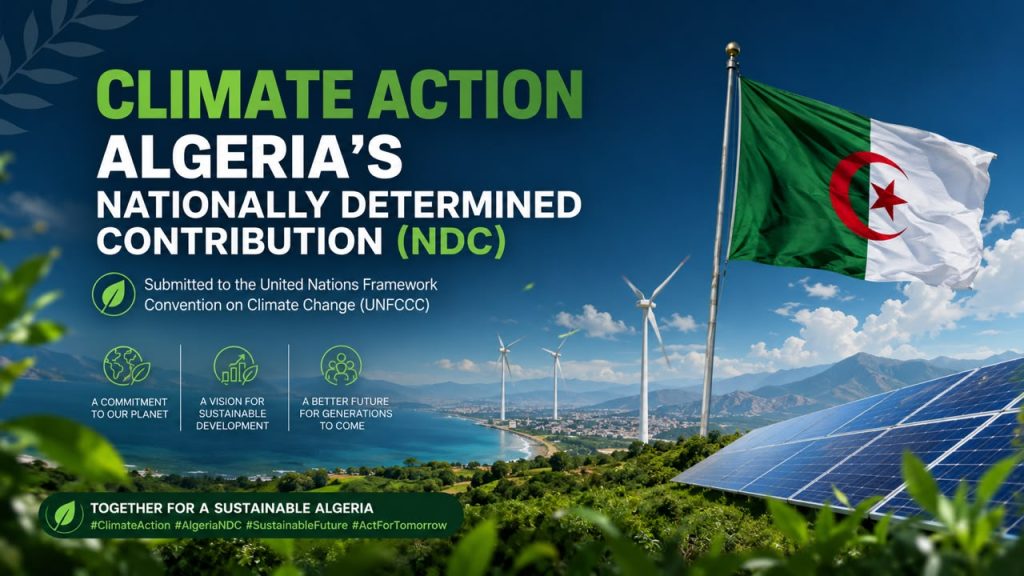
In a significant step reflecting its continued commitment to addressing climate change, Algeria has officially submitted its updated Nationally Determined Contribution (NDC) to the United Nations Framework Convention on Climate Change (UNFCCC), in line with its obligations under the Paris Agreement.

The announcement was welcomed by the European Union Delegation to Algeria and the German Agency for International Cooperation (GIZ), which described the submission as a major milestone in implementing Algeria’s climate commitments and advancing international cooperation on environmental protection.

The Nationally Determined Contribution is the official document through which countries outline their targets and strategies to reduce greenhouse gas emissions, strengthen climate resilience, and adapt to the impacts of climate change, with regular updates reflecting evolving national priorities and global climate objectives.

Algeria’s updated climate strategy focuses on several key priorities, including reducing greenhouse gas emissions, enhancing climate adaptation, improving sustainable water resource management, protecting forests and biodiversity, and accelerating the transition toward renewable energy and green hydrogen.

The submission builds on a series of reforms and initiatives launched by Algeria in recent years to promote sustainable development. These include expanding solar energy capacity, developing green hydrogen projects, improving energy efficiency, combating desertification through reforestation programs, and supporting a more diversified, low-carbon economy.

As one of Africa’s leading energy producers, Algeria is increasingly positioning itself as a regional hub for clean energy while maintaining its role as a reliable supplier of natural gas. The country’s climate strategy reflects its ambition to balance economic growth with environmental responsibility and contribute to global efforts to combat climate change.

The European Union and GIZ’s recognition of Algeria’s submission highlights growing international confidence in the country’s environmental agenda and opens new opportunities for technical cooperation, climate finance, and sustainable development partnerships aimed at building a more resilient and environmentally responsible future.

Author
yasmine ouazib