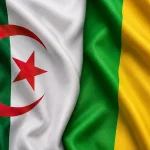

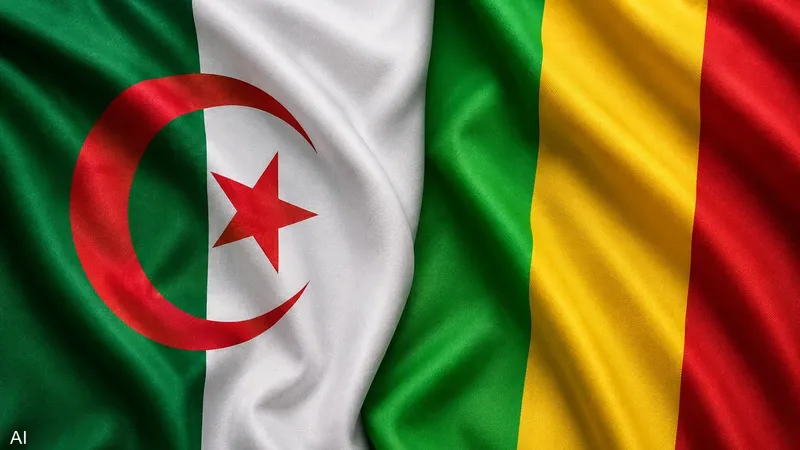
In politics, relations may be frozen, but geography never is. After fifteen months of unprecedented tensions, Algeria and Mali on Friday reopened their airspace and fully restored diplomatic relations, bringing to an end one of the most sensitive disputes in the Sahel in recent years.
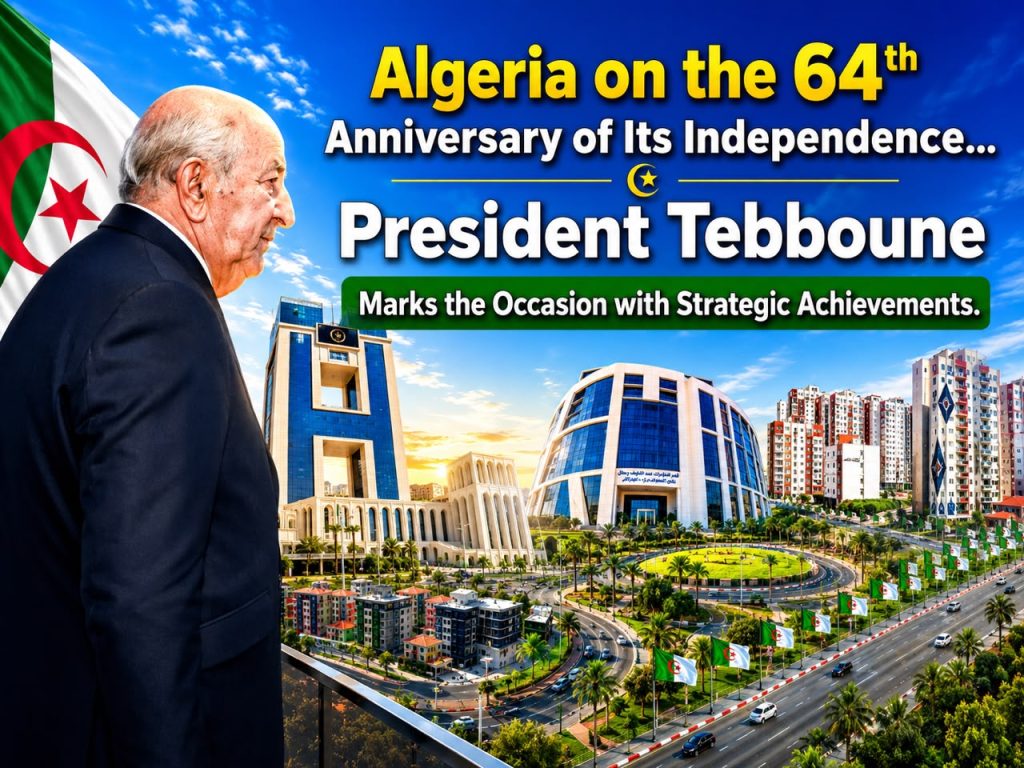
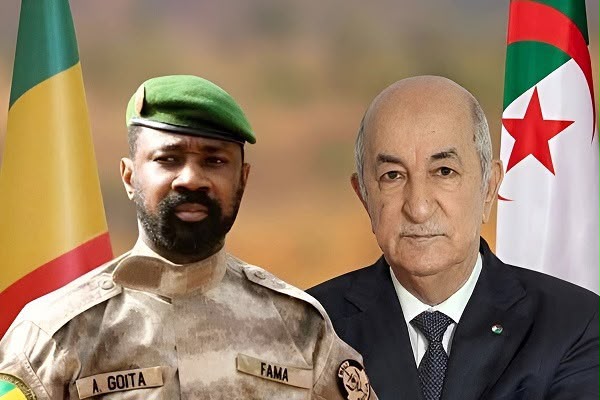
President Abdelmadjid Tebboune also appointed Kamel Retieb as Algeria’s Ambassador Extraordinary and Plenipotentiary to Mali, signaling both countries’ willingness to turn the page. Yet this development represents far more than a diplomatic breakthrough it underscores a geopolitical reality shaped by geography and shared security interests: it is difficult to envision lasting stability in the Sahel without Algeria playing a significant role.
The Drone Incident: Fifteen Months of Diplomatic Rupture
The crisis began in April 2025 after Algeria announced that it had shot down a Malian military surveillance drone for violating its airspace, while Bamako maintained that the aircraft had crashed within Malian territory. The dispute quickly escalated into reciprocal airspace closures, the recall of ambassadors, and one of the sharpest diplomatic confrontations between the two neighboring countries in decades.
The crisis unfolded as Mali was reshaping its regional alliances through the Alliance of Sahel States (AES) while strengthening its partnership with Russia amid the decline of traditional French influence across the region. Yet the past fifteen months have demonstrated that political disagreements cannot erase geographical realities. Shared challenges including terrorism, transnational organized crime, irregular migration, and arms trafficking make sustained coordination between the two countries a strategic necessity.
Why Are Relations Being Restored Now?
The normalization did not occur in a vacuum. After more than a year of diplomatic estrangement, both countries were confronted with an increasingly complex regional security environment. Threats in the Sahel transcend political borders, and any prolonged absence of cooperation directly affects regional stability.
For Algeria, stability in Mali is closely linked to its own national security. Sharing one of the region’s longest borders, Algeria has consistently viewed dialogue and coordination with Bamako as strategic imperatives that serve the interests of both nations.
Algeria: A Regional Partner Difficult to Overlook
For decades, Algeria has been more than a neighboring observer of Mali’s crises. It has played a central mediating role, hosting negotiations that culminated in the 2015 Algiers Peace and Reconciliation Agreement, which remains one of the principal diplomatic reference points for efforts to resolve the Malian conflict.
Algeria’s engagement also extends beyond mediation. Intelligence cooperation, border security coordination, humanitarian assistance, and development initiatives in frontier regions reflect Algiers’ long-standing belief that sustainable peace cannot be achieved through military means alone. Political dialogue, economic development, and addressing the root causes of instability remain essential pillars of lasting security.
International Competition, Regional Relevance
As the Sahel becomes an arena of growing competition among international and regional powers including Russia through Africa Corps, France’s renewed regional engagement, and evolving American security strategies Algeria continues to stand out as one of the region’s most influential actors.
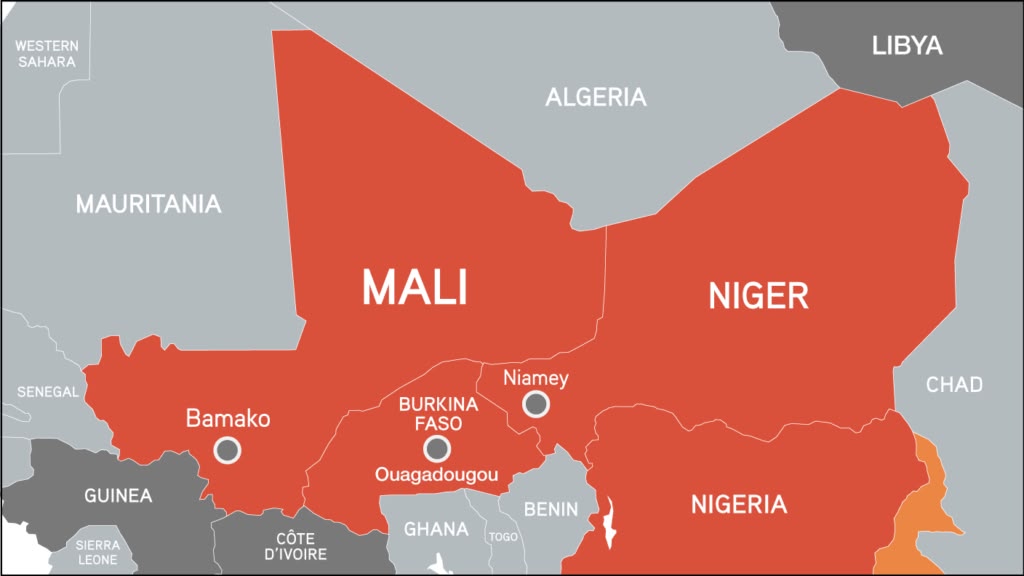
Its geographical position, extensive diplomatic experience, security capabilities, and longstanding relationships across the Sahel give it a role that remains difficult to replace. Consequently, any regional security framework that overlooks Algeria is likely to face significant limitations in achieving durable results.
More Than a Diplomatic Reconciliation
The reopening of airspace and the restoration of ambassadors represent far more than the end of a diplomatic dispute. They reflect a shared recognition that the security of the Sahel cannot be built on prolonged political estrangement.
Alliances may evolve, regional power dynamics may shift, and external actors may expand their influence, but geography remains constant. Against this backdrop, the restoration of relations between Algeria and Mali is more than a bilateral diplomatic achievement it is a reminder that dialogue, cooperation, and regional coordination will remain indispensable to any credible vision for peace, security, and long Term stability in the Sahel.