Sunday, 8 November 2026 • 22:20 Algiers time
Algeria Gate
Share this post

Algeria’s Return to Mali: Why Bamako Cannot Easily Bypass Algeria’s Regional Role

• Author: بوابة الجزائر • 0 comments • 70 views
Algeria’s Return to Mali: Why Bamako Cannot Easily Bypass Algeria’s Regional Role

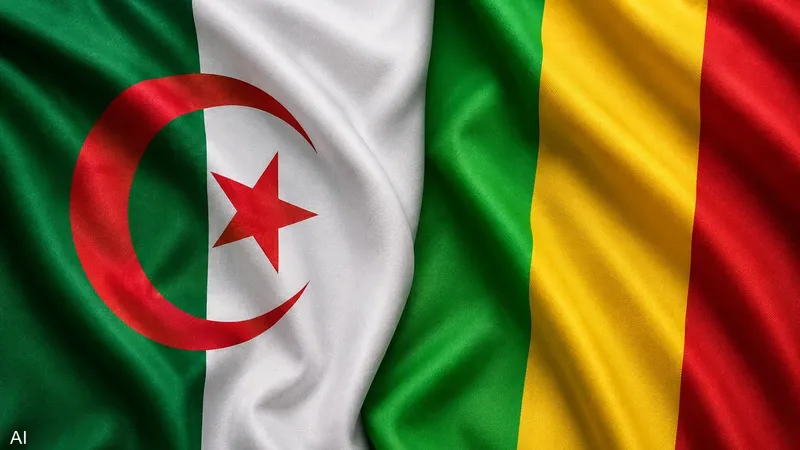
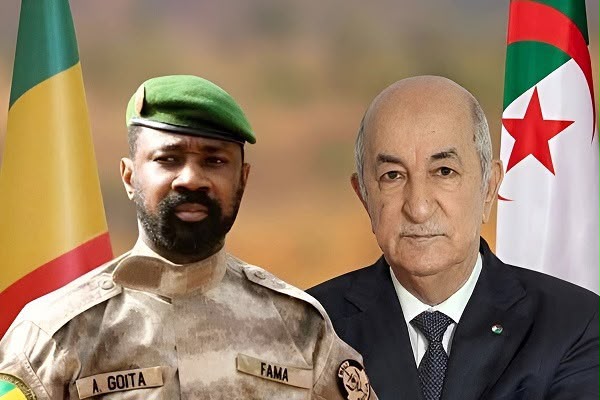
In politics, relations may be frozen, but geography never is. After fifteen months of unprecedented tensions, Algeria and Mali on Friday reopened their airspace and fully restored diplomatic relations, bringing to an end one of the most sensitive disputes in the Sahel in recent years.

President Abdelmadjid Tebboune also appointed Kamel Retieb as Algeria’s Ambassador Extraordinary and Plenipotentiary to Mali, signaling both countries’ willingness to turn the page. Yet this development represents far more than a diplomatic breakthrough it underscores a geopolitical reality shaped by geography and shared security interests: it is difficult to envision lasting stability in the Sahel without Algeria playing a significant role.

https://twitter.com/algatedzEng/status/2075688965827633354?s=20

The Drone Incident: Fifteen Months of Diplomatic Rupture

The crisis began in April 2025 after Algeria announced that it had shot down a Malian military surveillance drone for violating its airspace, while Bamako maintained that the aircraft had crashed within Malian territory. The dispute quickly escalated into reciprocal airspace closures, the recall of ambassadors, and one of the sharpest diplomatic confrontations between the two neighboring countries in decades.
Algeria’s Return to Mali: Why Bamako Cannot Easily Bypass Algeria’s Regional Role

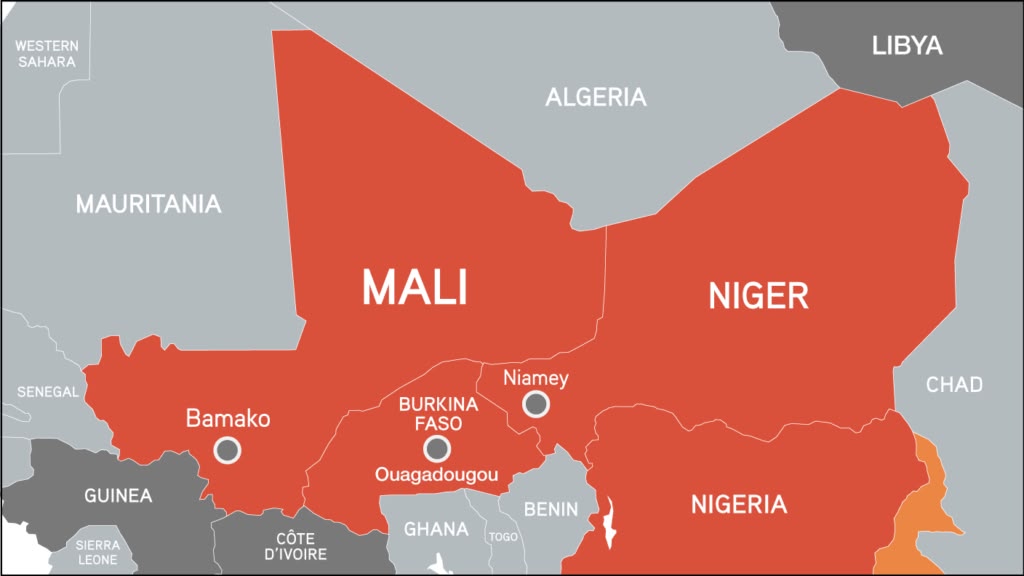
The crisis unfolded as Mali was reshaping its regional alliances through the Alliance of Sahel States (AES) while strengthening its partnership with Russia amid the decline of traditional French influence across the region. Yet the past fifteen months have demonstrated that political disagreements cannot erase geographical realities. Shared challenges including terrorism, transnational organized crime, irregular migration, and arms trafficking make sustained coordination between the two countries a strategic necessity.

Why Are Relations Being Restored Now?

The normalization did not occur in a vacuum. After more than a year of diplomatic estrangement, both countries were confronted with an increasingly complex regional security environment. Threats in the Sahel transcend political borders, and any prolonged absence of cooperation directly affects regional stability.

For Algeria, stability in Mali is closely linked to its own national security. Sharing one of the region’s longest borders, Algeria has consistently viewed dialogue and coordination with Bamako as strategic imperatives that serve the interests of both nations.

https://twitter.com/AlgeriaGatePlus/status/2075666262680653899?s=20

Algeria: A Regional Partner Difficult to Overlook

For decades, Algeria has been more than a neighboring observer of Mali’s crises. It has played a central mediating role, hosting negotiations that culminated in the 2015 Algiers Peace and Reconciliation Agreement, which remains one of the principal diplomatic reference points for efforts to resolve the Malian conflict.

Algeria’s engagement also extends beyond mediation. Intelligence cooperation, border security coordination, humanitarian assistance, and development initiatives in frontier regions reflect Algiers’ long-standing belief that sustainable peace cannot be achieved through military means alone. Political dialogue, economic development, and addressing the root causes of instability remain essential pillars of lasting security.

International Competition, Regional Relevance

As the Sahel becomes an arena of growing competition among international and regional powers including Russia through Africa Corps, France’s renewed regional engagement, and evolving American security strategies Algeria continues to stand out as one of the region’s most influential actors.
Algeria’s Return to Mali: Why Bamako Cannot Easily Bypass Algeria’s Regional Role

Its geographical position, extensive diplomatic experience, security capabilities, and longstanding relationships across the Sahel give it a role that remains difficult to replace. Consequently, any regional security framework that overlooks Algeria is likely to face significant limitations in achieving durable results.

More Than a Diplomatic Reconciliation

The reopening of airspace and the restoration of ambassadors represent far more than the end of a diplomatic dispute. They reflect a shared recognition that the security of the Sahel cannot be built on prolonged political estrangement.

Alliances may evolve, regional power dynamics may shift, and external actors may expand their influence, but geography remains constant. Against this backdrop, the restoration of relations between Algeria and Mali is more than a bilateral diplomatic achievement it is a reminder that dialogue, cooperation, and regional coordination will remain indispensable to any credible vision for peace, security, and long Term stability in the Sahel.
Author
بوابة الجزائر
View my articles

Leave a comment

Your email address will not be published. Required fields are marked *

Algeria
Share this post

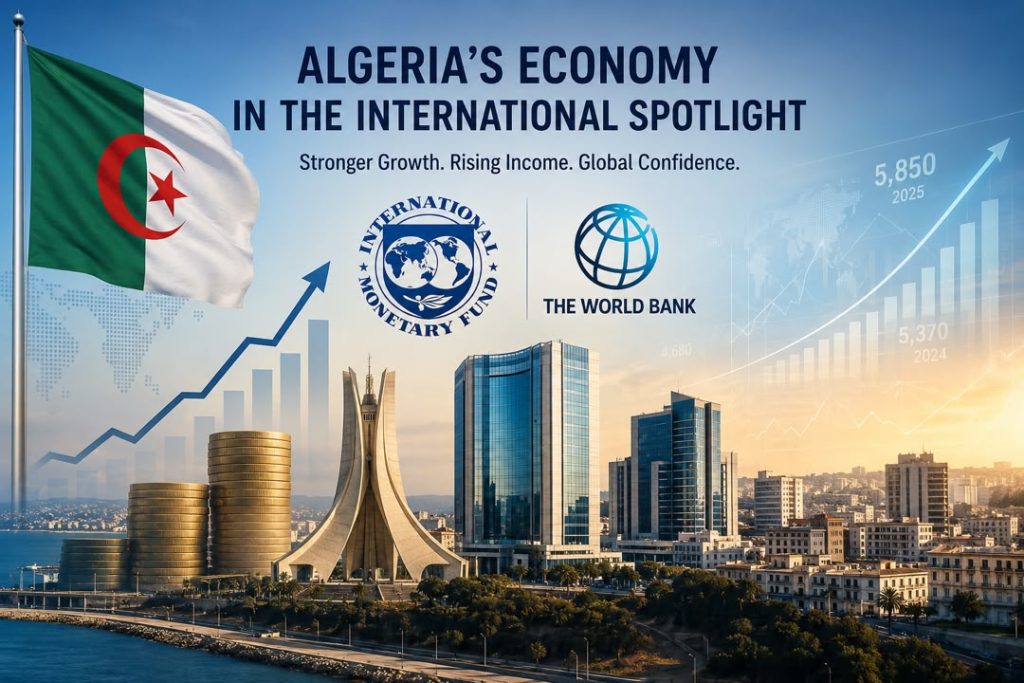
Algeria’s Economy in the International Spotlight

Algeria’s Economy in the International Spotlight

ALGERIA GATE ;Algeria has once again captured the attention of international financial institutions, as the country continues to strengthen its economic standing through sustained reforms, rising national income, and growing confidence in its long-term development strategy. Recent assessments by both the International Monetary Fund (IMF) and the World Bank highlight a positive trajectory, reinforcing Algeria’s position among Africa’s leading economies.

https://twitter.com/algatedzEng/status/2075190374402822350?s=20

In its latest evaluation, the International Monetary Fund (IMF) praised Algeria’s economic resilience despite a challenging global environment. The Fund highlighted the country’s progress in advancing structural reforms, particularly efforts to diversify the economy beyond hydrocarbons. It also commended the continued development of the mining and agricultural sectors, which are increasingly contributing to economic growth and reducing dependence on oil and gas revenues.

The IMF further acknowledged Algeria’s prudent macroeconomic policies, sustained public investment, and measures aimed at strengthening public financial management. At the same time, it encouraged authorities to continue reforms that improve the business climate, enhance private sector participation, and increase the efficiency of public spending to ensure long-term, sustainable growth.

Complementing the IMF’s assessment, the World Bank Group confirmed that Algeria has retained its status as an upper middle-income country for the third consecutive year. The classification, based on Gross National Income (GNI) per capita across 218 economies for 2025, reflects the country’s steady economic progress.

According to the latest figures, Algeria’s GNI per capita increased to USD 5,850 in 2025, up from USD 5,370 in 2024, marking a notable improvement in income levels. The World Bank attributes this performance to continued economic growth, increased public investment, and ongoing efforts to improve fiscal governance.

Author
بوابة الجزائر
View my articles
Algeria
Share this post

Algeria Redraws Its Economic Map Through New Global Partnerships

Algeria Redraws Its Economic Map Through New Global Partnerships

Algeria Gate; As major economic powers compete to secure new markets and more resilient supply chains, Algeria is rapidly emerging as one of North Africa’s most attractive investment gateways. This transformation is no longer merely a matter of political analysis; it is increasingly reflected in official visits, economic agreements, and a growing number of strategic cooperation projects.

https://twitter.com/algatedzEng/status/2074826963869434193?s=20

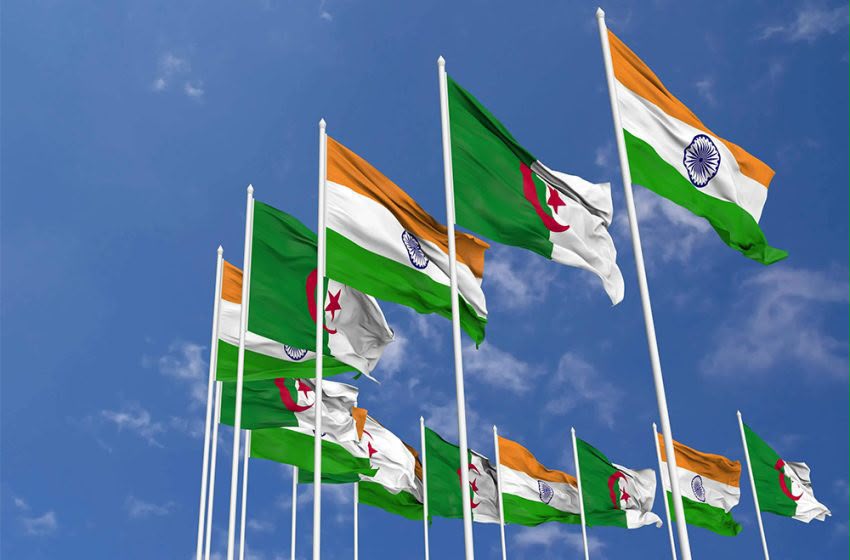
The launch of the first direct flight between Algiers and New Delhi, scheduled for the end of October 2026, carries significance far beyond air transportation. Direct air links pave the way for stronger economic relations by reducing travel time and costs while facilitating the movement of business leaders, investors, and official delegations.

https://twitter.com/algatedzEng/status/2074834978295218434?s=20

INDIA : A Production Partner Rather Than Just a Trading Partner

India is now one of the world’s fastest growing economies, a global leader in pharmaceutical manufacturing, a major hub for software and digital services, and a key producer of automotive components and industrial machinery. These sectors closely align with Algeria’s economic priorities as it seeks to reduce import dependence, strengthen domestic manufacturing, and increase industrial integration.

The Indian Ambassador to Algeria highlighted promising opportunities for cooperation in pharmaceuticals, medical devices, automotive components, and food processing, underscoring that both countries are aiming to build long-term productive partnerships rather than limiting their relationship to conventional trade.

From Infrastructure Development to Technology Transfer

The nature of Asia’s presence in Algeria has undergone a significant transformation. What was once primarily focused on infrastructure projects has expanded to include industrial manufacturing, technology transfer, workforce development, value-added industries, and investment in the digital economy.

This shift reflects Algeria’s broader strategy of transitioning from an import-driven economy to one centered on production, industrial diversification, and higher value creation.

Why Algeria Is Attracting Asian Investors

Several competitive advantages have strengthened Algeria’s appeal as an investment destination:

  • A strategic location linking Europe and Africa.
  • The largest territory on the African continent.
  • Abundant energy and mineral resources.
  • A consumer market of more than 46 million people.
  • A young and dynamic workforce.
  • Membership in the African Continental Free Trade Area (AfCFTA), providing investors with access to a market of more than one billion consumers.

Competition Has Moved Beyond Energy

Global competition is no longer limited to access to energy resources. Today, countries are competing for markets, ports, supply chains, strategic minerals, and advanced industries.

Within this evolving landscape, Algeria is positioning itself as a strategic industrial and logistics hub connecting Europe, Africa, and Asia, gradually expanding its role beyond that of a traditional energy supplier.

A Real Opportunity, Dependent on Domestic Reforms

Algeria’s ability to capitalize on this opportunity will depend not only on growing international interest but also on domestic reforms. Accelerating economic modernization, improving the business environment, strengthening logistics infrastructure, and developing a highly skilled workforce remain essential priorities.

Major investments are attracted not only by market potential but also by stable and competitive environments capable of supporting long-term industrial and technological growth.

The direct air connection between Algiers and New Delhi represents just one step within Algeria’s broader strategy of diversifying international partnerships, deepening engagement with emerging economies, and promoting investment and industrial cooperation over traditional trade. As the global economic landscape continues to evolve, Algeria has a genuine opportunity to strengthen its position as a strategic economic hub linking Africa, Europe, and Asia provided that these partnerships translate into productive investments, technology transfer, sustainable growth, and quality employment opportunities.

Author
بوابة الجزائر
View my articles
Algeria
Share this post

Algeria Celebrates Independence by Building the Future

Algeria Celebrates Independence by Building the Future

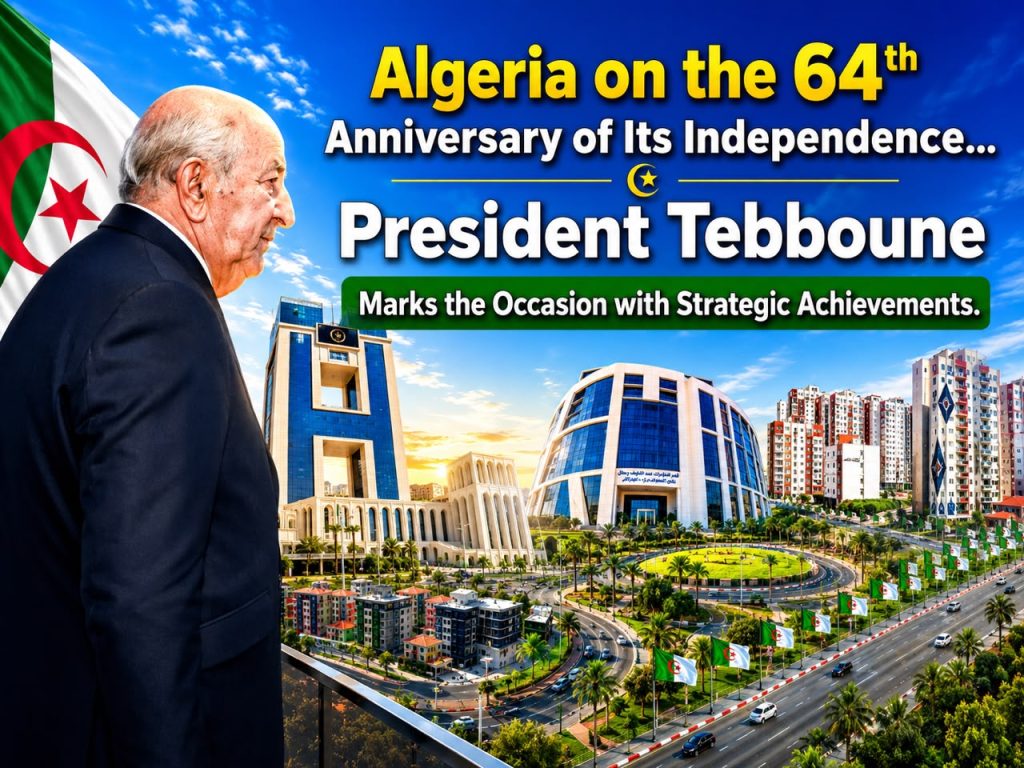
Algeria gate : On the 64th anniversary of Independence Day and the restoration of national sovereignty, Algeria chose to celebrate in its own way: through construction rather than slogans, and through achievement rather than merely recalling the past.

On the occasion of July 5, President of the Republic Abdelmadjid Tebboune inaugurated and launched a series of strategic projects that touch various aspects of citizens’ lives and reflect the modern meaning of independence. In the field of digital sovereignty, he inaugurated the Algerian National Center for Digital Services in Mohammadia, a step aimed at strengthening the country’s digital independence and securing national data. In the healthcare secto

https://twitter.com/algatedzEng/status/2073744548551934448?s=20

he also inaugurated the specialized hospital “Ammar Boujellab” in Mahelma, a modern medical facility dedicated to pediatric cardiology and cardiac surgery, enhancing the capacities of the national healthcare system and providing state of the art care for children.

In the field of housing and urban development, the President inaugurated the “Moudjahid Ahmed Taleb Ibrahimi” urban hub in Rahmania, which includes more than 10,000 AADL housing units. He also officially launched the 2026 national housing distribution program across the country, covering more than 179,000 housing units under various schemes. In addition, he inaugurated the new headquarters of the Ministry of Housing, Urban Planning and the City in Aïn Allah and signed its golden register, a symbolic gesture reflecting the importance of this sector in the nation’s development process.

At the same time, dozens of road projects were launched and put into service across several provinces, strengthening connectivity between regions and further driving economic and social development.

This is how Algeria commemorates its independence: not merely by celebrating the victories of the past, but by transforming independence into a continuous process of building, achievement, and sovereignty in the fields of healthcare, digital transformation, housing, and infrastructure. The martyrs restored the nation, and successive generations continue to build it. Thus, July 5 remains an occasion to renew the pledge that the truest tribute to their sacrifices is the construction of a strong, modern, and sovereign Algeria.

Author
بوابة الجزائر
View my articles