Sunday, 18 October 2026 • 23:58 Algiers time
Algeria Gate
News Room
Cameron Hudson: UAE is virtually the sole backer of the RSF..without its support the war in Sudan would not continue Algeria-Niger: Official launch of Trans-Saharan fibre optic link Five minutes of lament over Algeria: Amar Belani exposes CNEWS’s real obsession Algerian courts hand down first death sentences under new drugs law Ségolène Royal’s masterclass on Algeria against an ignorant and demagogic journalist President Tebboune and senior officials receive the remains of Boualem Boualem in Algiers NAPEC 2026 in Oran: Algeria at the Heart of Africa’s and the Mediterranean’s New Energy Landscape Pegasus Files: Amnesty Uncovers Morocco’s Espionage Against Spain President Tebboune Orders Salary Increases in Algeria’s 2027 Budget, Rules Out New Taxes on Citizens Algeria Emerges as a Trusted Power for Regional Peace and Stability
Share this post

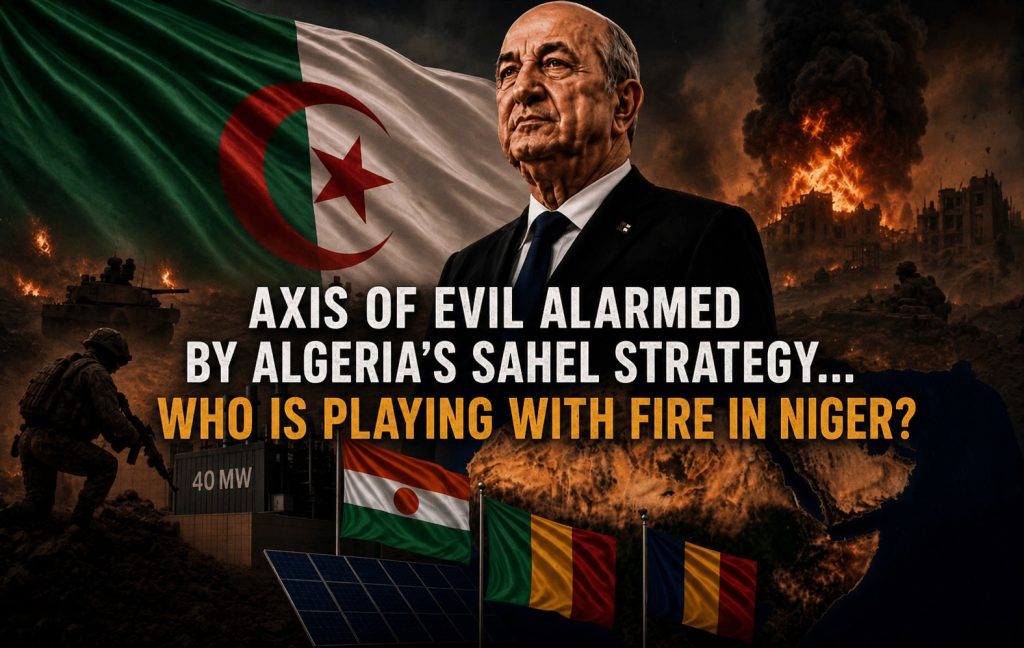
Axis of Evil Alarmed by Algeria’s Sahel Strategy… Who Is Playing with Fire in Niger?

• Author: Lys Iwannughen • 0 comments • 39 views
Axis of Evil Alarmed by Algeria’s Sahel Strategy… Who Is Playing with Fire in Niger?

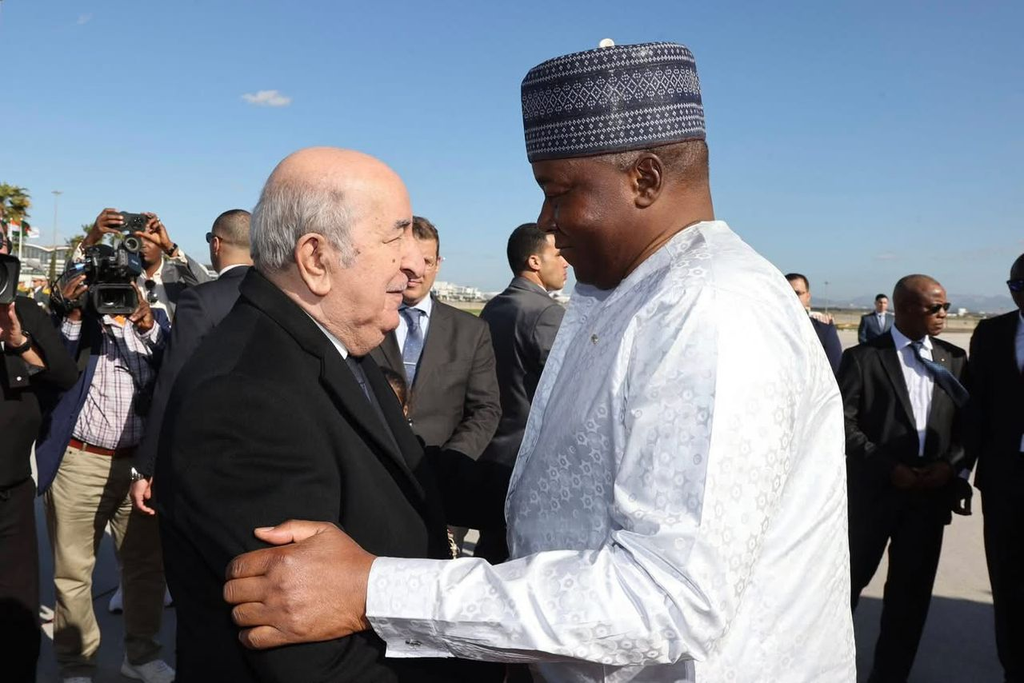
Algeria Gate: Barely hours after Nigerien Prime Minister Ali Lamine Zeine’s visit to Algeria; a visit that underscored the rising momentum in Algerian-Nigerien ties and the Sahel states’ growing embrace of Algerian pragmatism, a serious security incident unfolded. Explosions rocked several districts of the Nigerien capital, Niamey, in the early hours of Saturday morning.

Gunfire was heard around Diori Hamani International Airport in the city and near the presidential palace. Intense exchanges of fire also took place and continued around the presidential palace. French media reported heavy gunfire and explosions at Base 101 at the international airport in Niamey, one of the country’s most important strategic military sites, which houses an air base and the headquarters of the joint force of Niger, Burkina Faso, and Mali.
Axis of Evil Alarmed by Algeria’s Sahel Strategy… Who Is Playing with Fire in Niger?

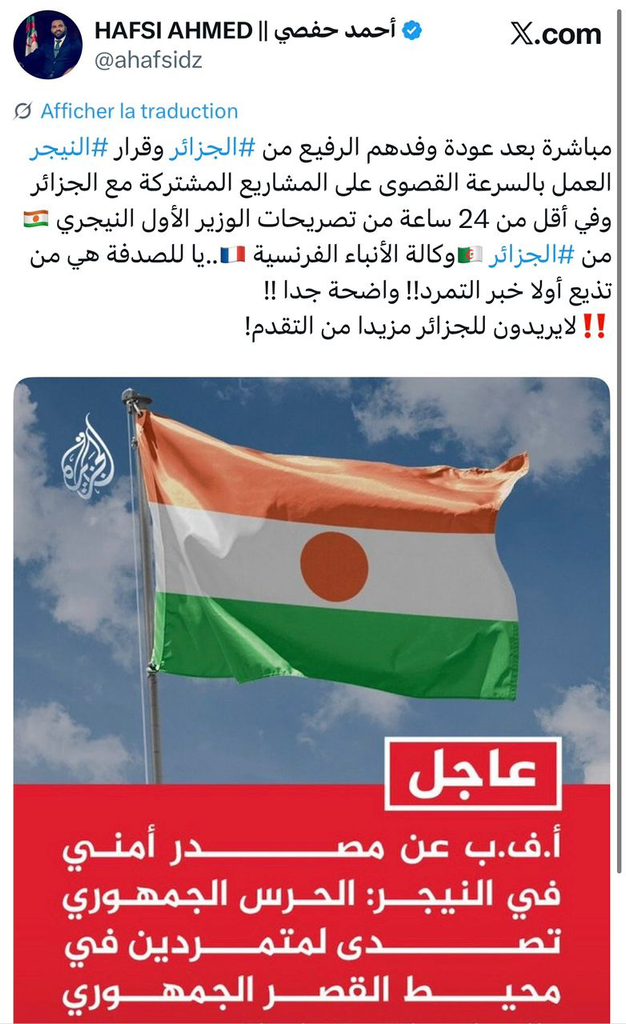
Barely 24 hours after Niger’s Prime Minister spoke in Algeria, and immediately following the return of Niger’s high-level delegation from Algiers and Niamey’s decision to fast-track joint projects with Algeria, a striking development unfolded: AFP was the first to break the news of an alleged rebellion in Niger. The timing raises serious questions.
Axis of Evil Alarmed by Algeria’s Sahel Strategy… Who Is Playing with Fire in Niger?

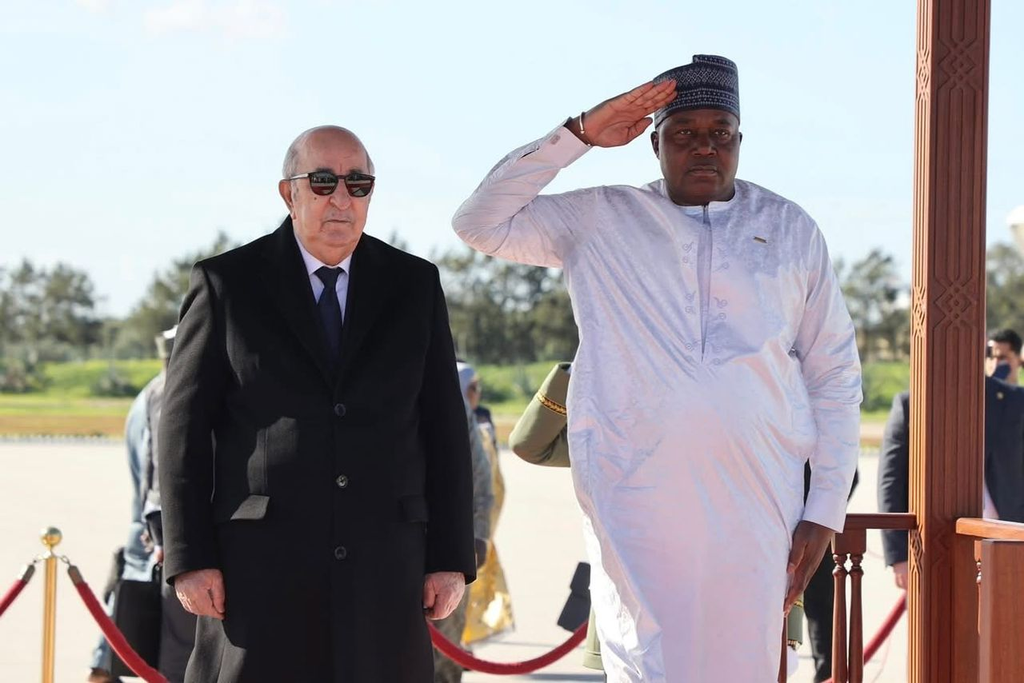
It appears that the axis of evil, led by the UAE and Morocco, which is playing with fire on Algeria’s borders, has been disturbed by Algeria’s policy toward the Sahel countries and its tightening grip on the stability and security of its vast borders, which it shares with seven countries, most of which are security-unstable.
Axis of Evil Alarmed by Algeria’s Sahel Strategy… Who Is Playing with Fire in Niger?

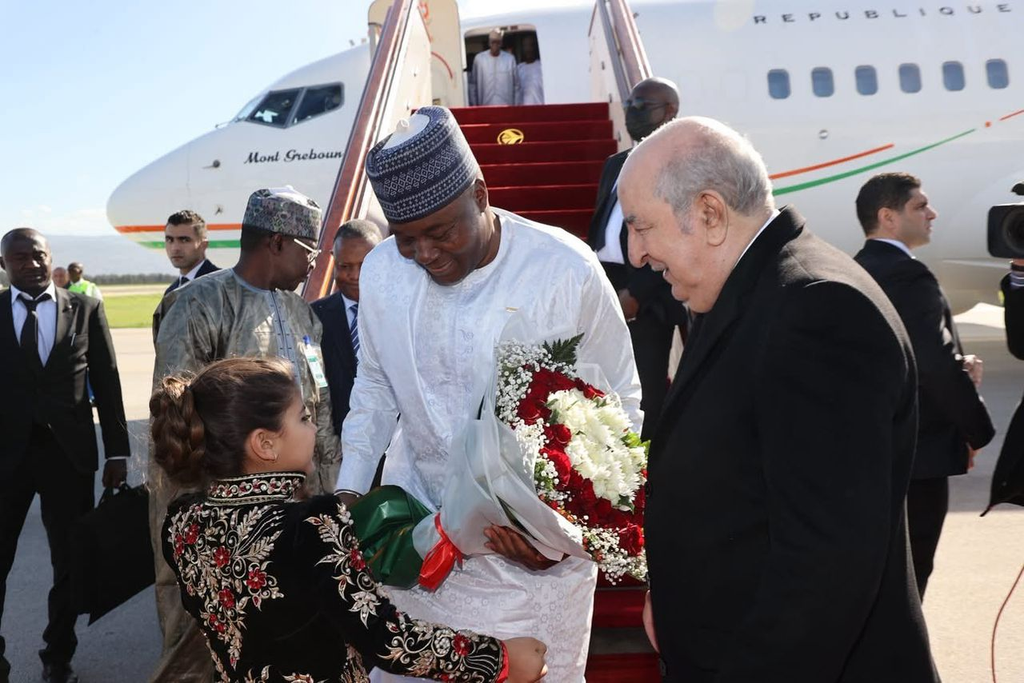
According to observers, the growing pressure on Algeria, driven by its strategic Mediterranean position, African depth, and independent political choices, is part of a broader struggle over the Sahel, trade and energy routes, and regional influence. Algeria has become increasingly difficult to sideline in efforts to reshape the region’s geopolitical and economic landscape, particularly as it seeks to transform its geography from a border between North Africa and the Sahel into a strategic bridge linking Africa to the Mediterranean through roads, ports, infrastructure, and trans-Saharan trade and energy corridors. In this regard, the instability in Niger, Mali, Chad, and Libya appears increasingly connected to a wider contest over the region’s strategic routes, energy flows, and balance of power.
Axis of Evil Alarmed by Algeria’s Sahel Strategy… Who Is Playing with Fire in Niger?

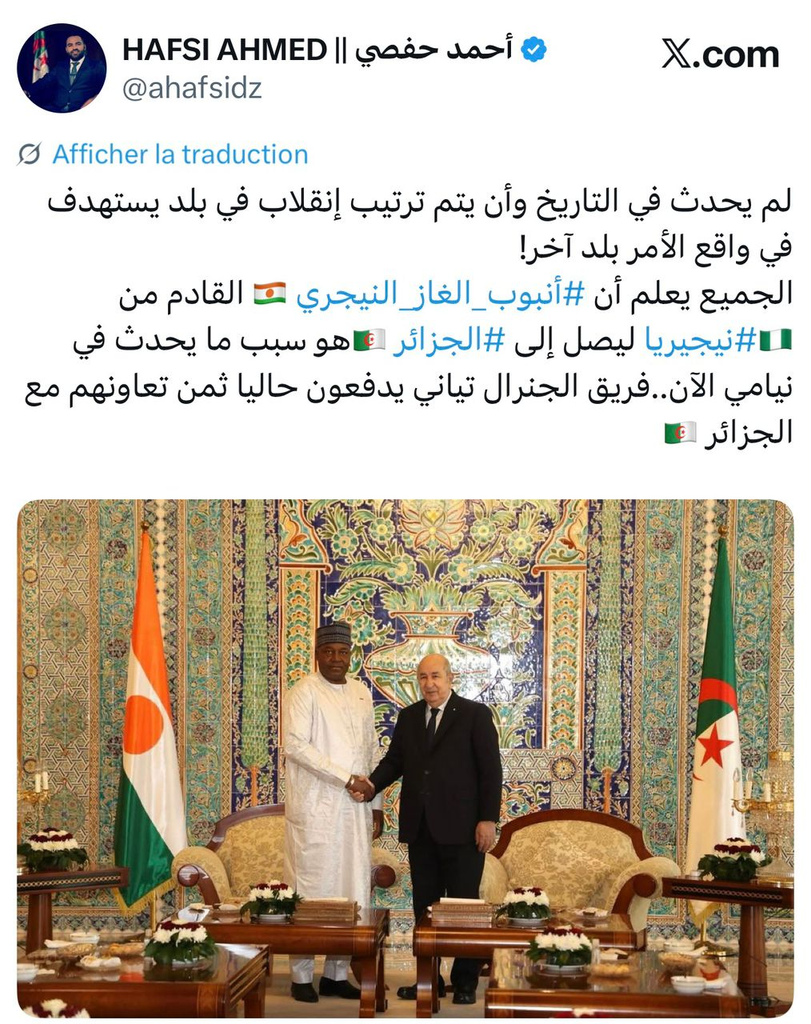
Strangling Algeria begins with keeping its regional surroundings in a state of turmoil and draining its borders. When external pressure fails, the internal battle begins by targeting society with drugs, rumors, fake news, and pessimistic discourse. Algeria’s firm hold on regional decision-making has disturbed the conspirators, who have mobilized their terrorist militias on the borders with Algeria.
Axis of Evil Alarmed by Algeria’s Sahel Strategy… Who Is Playing with Fire in Niger?

Algerian diplomat Amar Belani had previously warned of Emirati penetration in the Republic’s surroundings. In coordination with its strategic partners, foremost among them Israel and Morocco, Abu Dhabi seeks to expand its economic and financial presence in several countries of the Sahel Alliance and to build new networks there. The stake is not limited to investments alone but also extends to infrastructure and commercial and financial networks.

According to the former Algerian ambassador, this penetration is positioned in a space that constitutes Algeria’s natural strategic depth, reflecting a deliberate and unfriendly will to limit Algeria’s ability to defend its interests in its southern surroundings.
Axis of Evil Alarmed by Algeria’s Sahel Strategy… Who Is Playing with Fire in Niger?

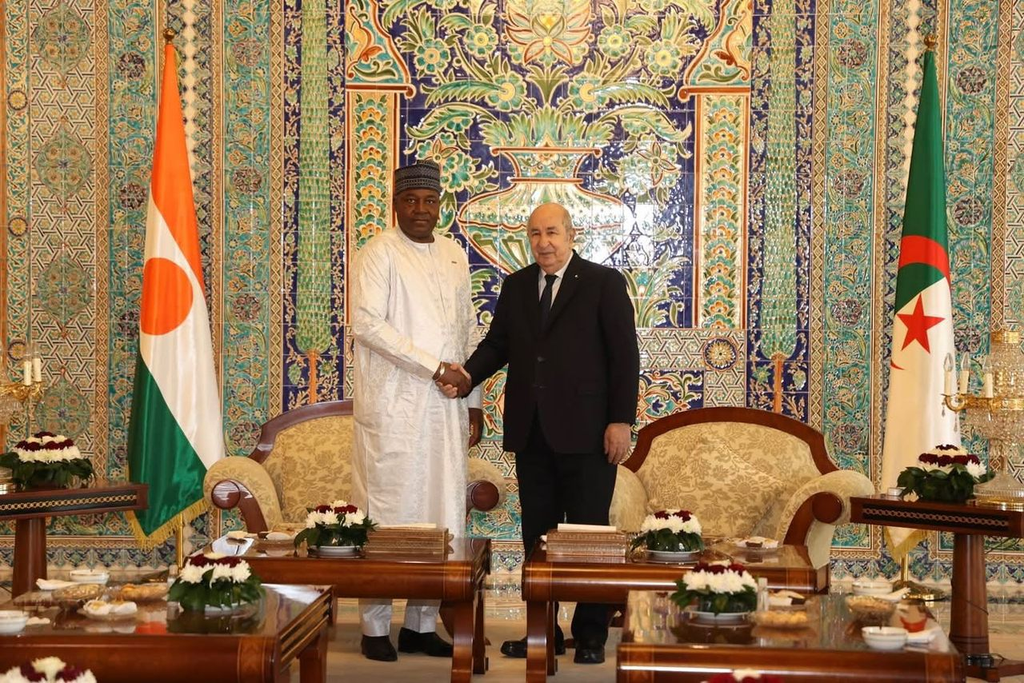
Algeria had recalled its ambassador in Niamey for consultations, in application of the principle of reciprocity, on 7 April 2025, after Niger, Burkina Faso, and Mali (the Sahel Alliance countries) withdrew their ambassadors from Algeria in protest against the Algerian army’s downing, on the night of March 31st 2025, of a Malian drone after it penetrated Algerian airspace by 2 kilometers. This was a qualitative operation that confirms the high vigilance and constant readiness of the units of the People’s National Army in protecting Algeria’s vast land, air, and sea borders from any threat to national sovereignty.

Algeria has succeeded, under the wise leadership of President Abdelmadjid Tebboune, who has recalibrated the Sahel cards, in thwarting the schemes and intrigues aimed at stoking chaos and disputes on its borders in a desperate attempt to weaken Africa’s largest power and second-strongest army by the forces of evil.

In recent days, Algeria has witnessed unprecedented high-level visits, the latest being that of the Nigerien Prime Minister, as well as Malian Prime Minister Abdoulaye Maïga, amid unprecedented rapprochement with Chad, in parallel with the advancement of joint strategic projects between Algeria and neighboring countries, reflecting rising dynamism in regional cooperation.


#Algeria#Niger#Sahel
Author
Lys Iwannughen
View my articles

Leave a comment

Your email address will not be published. Required fields are marked *

African coast
Share this post

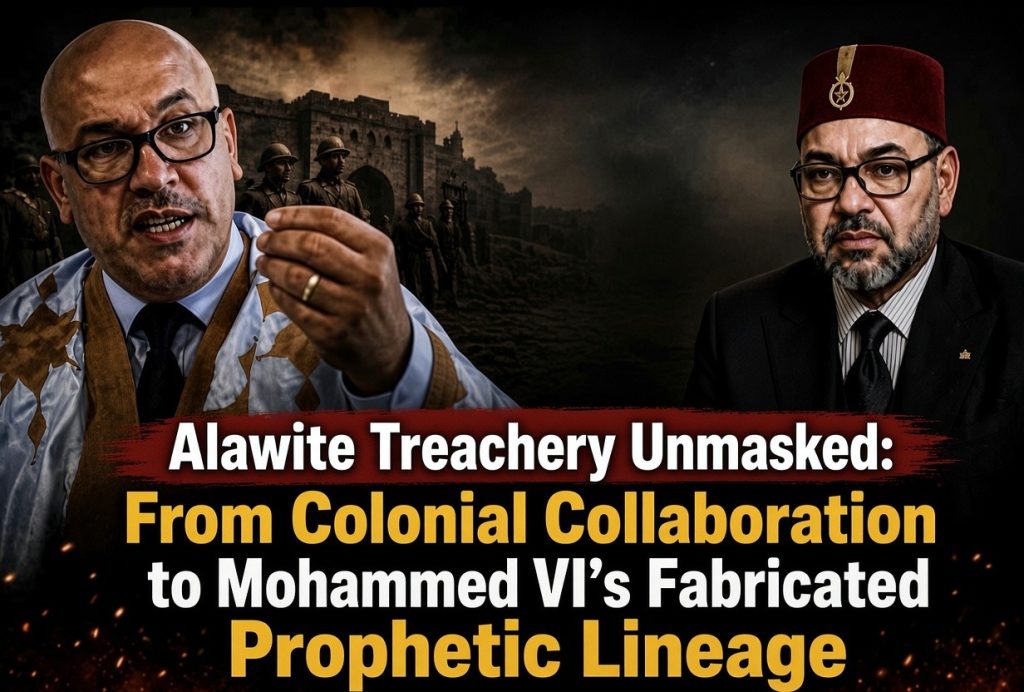
Alawite Treachery Unmasked: From Colonial Collaboration to Mohammed VI’s Fabricated Prophetic Lineage

Alawite Treachery Unmasked: From Colonial Collaboration to Mohammed VI’s Fabricated Prophetic Lineage

Algeria Gate: A prominent Mauritanian writer has laid bare what he describes as decades of calculated treachery by Morocco’s Makhzen regime. According to his account, the Alawite dynasty, from Mohammed V through Hassan II, Mohammed VI, and Crown Prince Hassan, did not merely fail to resist foreign domination. They actively invited it.

Who brought France into Morocco? The Alawites. Who helped Spain crush the independent Rif Republic? The Alawites. Who opened the gates of North Africa to Israel? The Alawites. Who backed France’s occupation of Algeria? Once again, the Alawites.

These are not isolated accusations. They form a consistent historical pattern of betrayal that has repeatedly targeted Algeria and the broader Maghreb. The same regime that today hosts Israeli officials threatening Algeria from Moroccan soil is the direct heir of sultans who broke treaties, abandoned allies, and handed resistance leaders to colonial powers.

Alawite Treachery Unmasked: From Colonial Collaboration to Mohammed VI’s Fabricated Prophetic Lineage

A System Built on Betrayal

The Makhzen’s record against Algeria stretches across generations. It begins with Emir Abdelkader, continues through the revolt of Ouled Sidi Cheikh, and reaches the infamous hijacking of the aircraft carrying the leaders of Algeria’s liberation revolution. Each episode reveals the same instinct: prefer the foreign occupier over the Arab and Muslim neighbor.

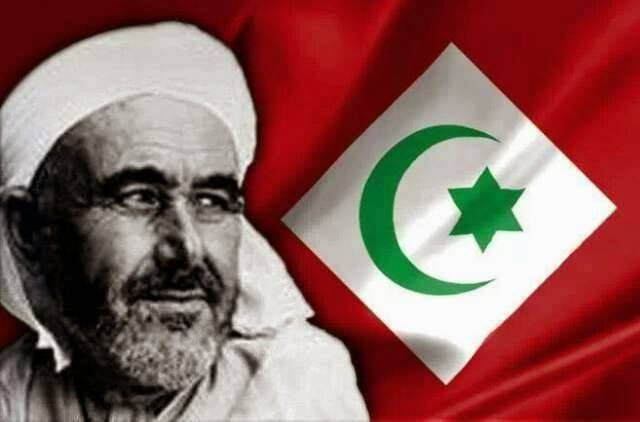
Political scientist Ahmed Kateb has been blunt. Emir Abdelkader fought for the independence of both Algeria and Morocco. Sultan Moulay Abderrahmane repaid that struggle with betrayal. Kateb describes the Makhzen as a system of collaboration and historical repression ; one that, from father to son, shows greater loyalty to outsiders than to its own people. The same pattern appears in the fate of Abdelkrim Al-Khattabi, the Lion of the Rif. The Moroccan sultan offered him as a gift to France and Spain in a tripartite alliance that destroyed the dream of the Rif Republic.

The Forged Claim of Sharifian Blood

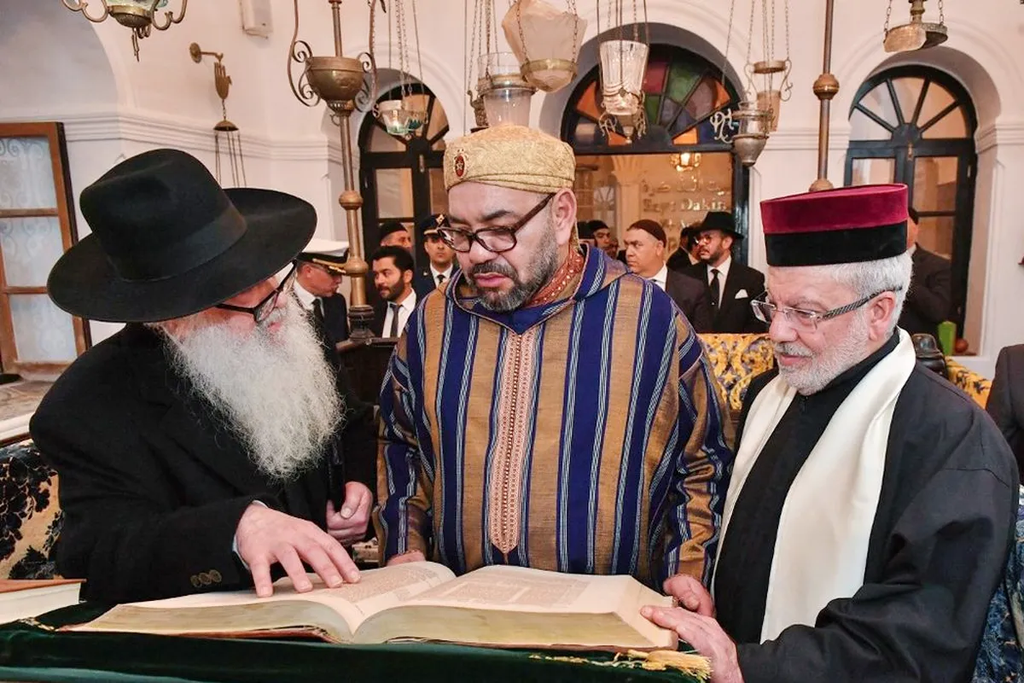
Mohammed VI continues to present himself as a descendant of the Prophet Muhammad (peace be upon him). The claim is not cultural ornament. It is the central pillar of political legitimacy used to silence dissent and demand obedience from the Moroccan people.

Yet the Prophet’s own words leave little room for fabrication:

“There is no man who claims a father other than his own while knowing it, except that he has disbelieved; and whoever claims what is not his is not of us, and let him take his seat in the Fire…”

Algerian researcher Mohamed Doumir examined the official genealogical tree published on the Moroccan royal website. After comparing the names with established biographies and historical sources, he identified two clear forgeries that no serious historian, Moroccan or otherwise, can accept.

Historical consensus holds that Muhammad al-Nafs al-Zakiyya had only one son who left descendants: Abd Allah. Mohammed VI’s lineage, however, claims descent through al-Qasim, a son whose existence in the royal tree rests solely on books written by Alawite court historians. The discrepancy is not a minor scholarly debate. It is evidence of deliberate construction.

The Poisoned Dagger Against Emir Abdelkader

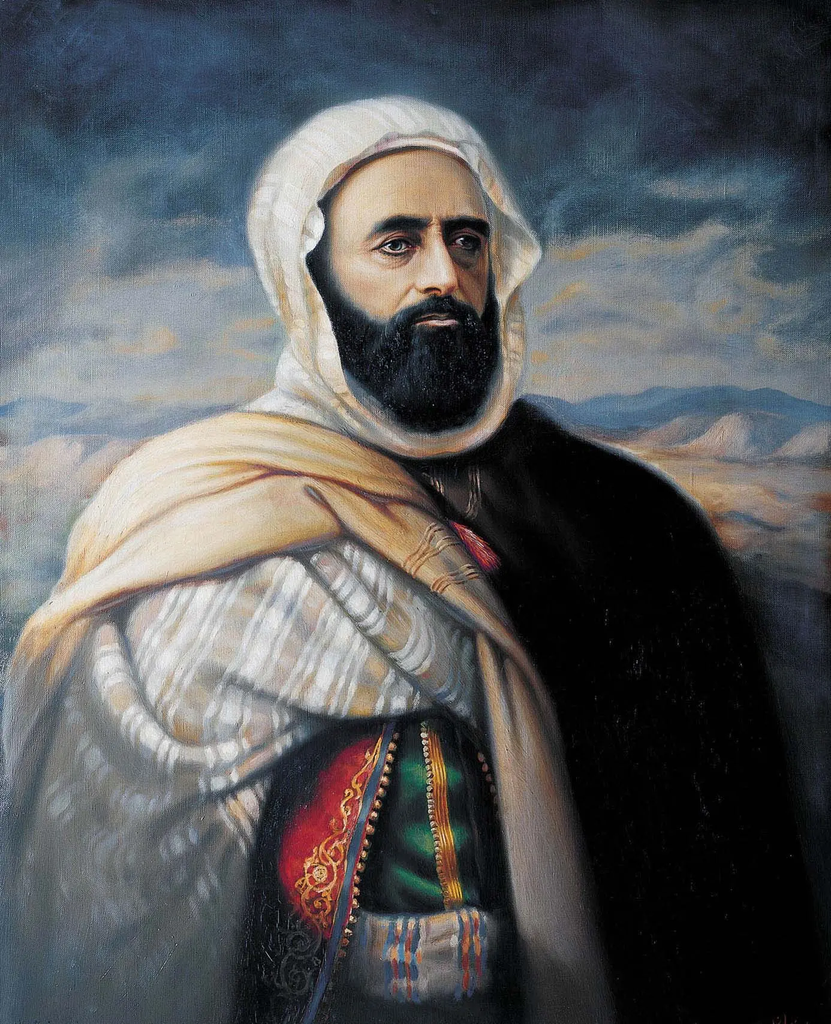
In 1847, under relentless French pressure, Emir Abdelkader crossed into Moroccan territory. He appealed directly to Sultan Abderrahmane ibn Hisham, warning that the fall of Algeria would mean the fall of Morocco. He asked for reinforcement. The Sultan refused. Instead, he struck a deal with the French that helped surround the Emir’s forces and forced his surrender.

Alawite Treachery Unmasked: From Colonial Collaboration to Mohammed VI’s Fabricated Prophetic Lineage

Abdelkader had shown respect for the Moroccan throne. He initially refused the title of Emir out of deference. It made no difference. The Sultan delivered him to the French occupier. The Emir negotiated safe passage for his soldiers and tribes, then chose exile; first Alexandria, later Acre, carrying with him the bitterness of a trust betrayed and the lives of thousands of Algerians sacrificed.

His letter to the scholars of Egypt, complaining of the desertion of the Sultan of the Far Maghreb, remains one of the clearest contemporary testimonies of Moroccan hostility toward Algeria.

The Crushing of the Rif Republic

The same logic governed the destruction of Abdelkrim Al-Khattabi’s Rif Republic. After the stunning Riffian victory over Spain at the Battle of Anoual in 1921, the Republic became a direct threat to French colonial designs. Marshal Hubert Lyautey, architect of the French Protectorate, coordinated with Sultan Moulay Youssef. France and Spain combined forces. Aerial bombardment intensified. Chemical weapons were deployed against Riffian villages. By May 1926, facing overwhelming force, Al-Khattabi surrendered to spare his people further slaughter. He was exiled to Réunion, later settling in Cairo, where he continued the struggle until his death in 1963.

Alawite Treachery Unmasked: From Colonial Collaboration to Mohammed VI’s Fabricated Prophetic Lineage

The Moroccan palace did not merely stand aside. It actively collaborated in extinguishing the most successful indigenous resistance movement of the era.

History’s Verdict

The pattern is consistent: when a genuine independence project emerged in the Maghreb, the Alawite sultans chose the colonial side. When Algeria fought for its freedom, Morocco’s rulers preferred accommodation with the occupier. When the Rif rose, the palace helped strangle it. When Israel sought a foothold in North Africa, the same regime opened the door.

Mohammed VI’s insistence on Sharifian descent is therefore not a matter of private genealogy. It is the latest chapter in a long strategy of political self-legitimation built on contested bloodlines and a documented history of collaboration. The historical record, the primary sources, and the testimony of those who paid the price; Abdelkader, Al-Khattabi, and generations of Algerians, leave little room for another reading.

#Morocco
Author
Lys Iwannughen
View my articles
African coast
Share this post

President Tebboune receives the Nigerien Prime Minister: a minute of silence in tribute to the fire victims

President Tebboune receives the Nigerien Prime Minister: a minute of silence in tribute to the fire victims

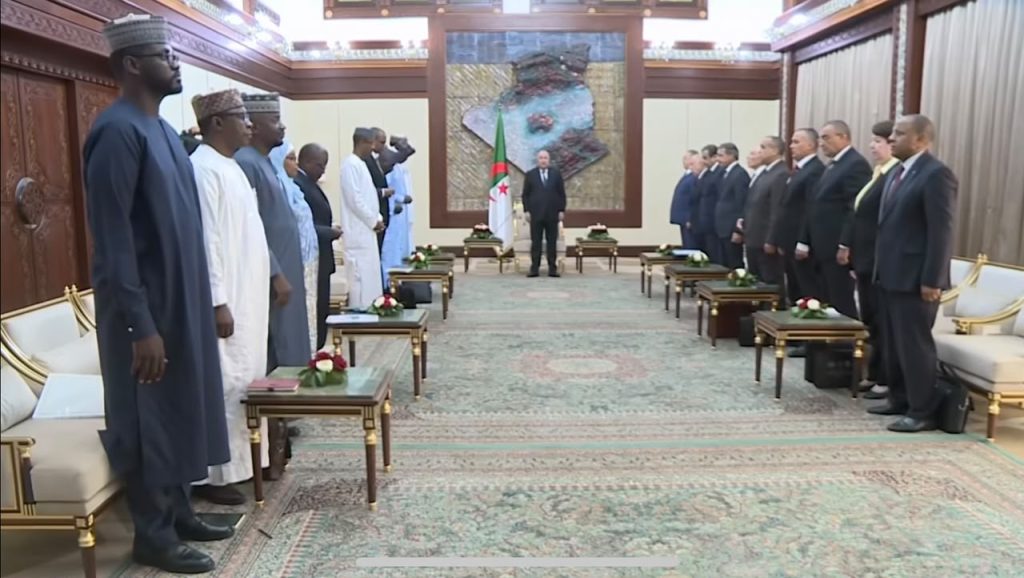
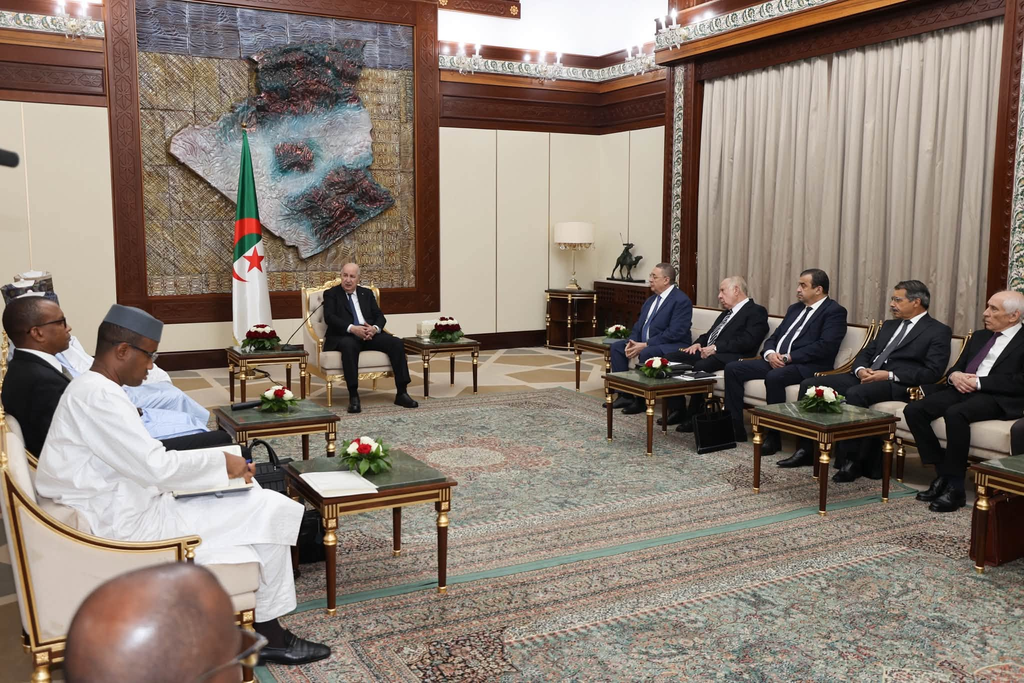
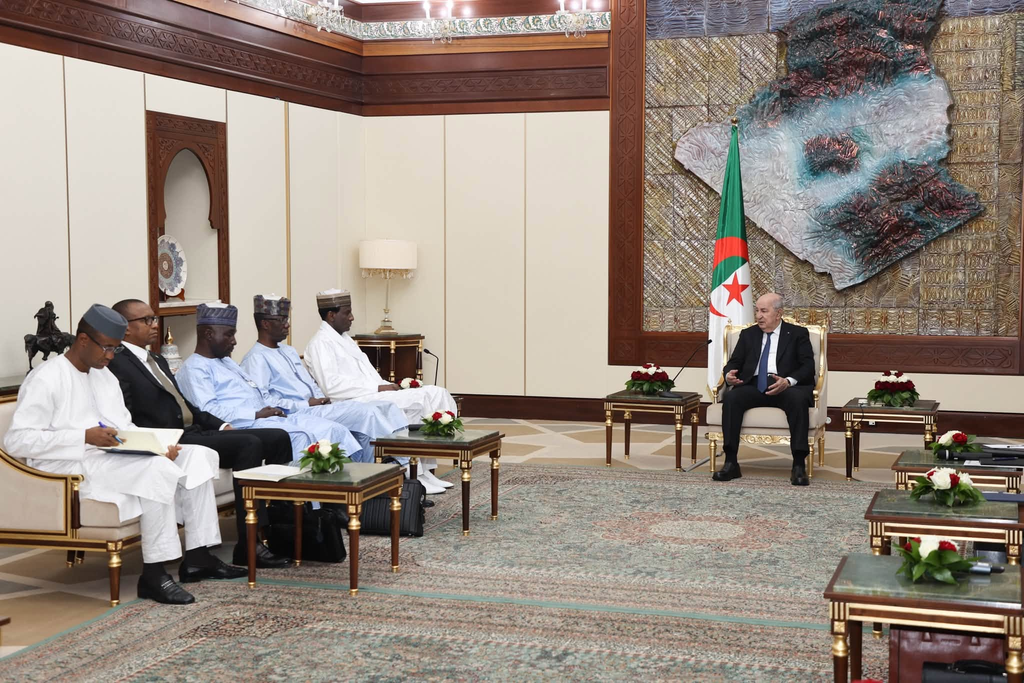
Algeria Gate: The President of the Republic, Abdelmadjid Tebboune, received on Thursday at the El Mouradia Palace the Nigerien Prime Minister, who arrived in Algeria at the head of a large ministerial delegation as part of efforts to strengthen relations between Algiers and Niamey.

This visit comes as Algeria is going through a painful period following the violent fires that have affected several wilayas in the center and east of the country.

At the beginning of the meeting, Abdelmadjid Tebboune and the Nigerien official observed a minute of silence in memory of the victims of these fires, in a gesture of solidarity and contemplation in the face of this national tragedy.

https://twitter.com/algatedzEng/status/2092998583888785607?s=20

These fires, which broke out in several regions of the country, claimed several lives and mobilized significant human and material resources to bring the various blazes under control. The Algerian authorities also announced three days of national mourning, with flags flown at half-mast throughout the national territory.

President Tebboune receives the Nigerien Prime Minister: a minute of silence in tribute to the fire victims

The meeting between the two officials also highlighted the depth of relations between Algeria and Niger, based in particular on solidarity, good neighborliness and cooperation. This new step confirms the determination of both countries to strengthen their partnership and coordination on issues of common interest.

President Tebboune receives the Nigerien Prime Minister: a minute of silence in tribute to the fire victims

In this context particularly marked by mourning, the shared moment of silence at El Mouradia gave a strong human and symbolic dimension to this diplomatic encounter between Algeria and Niger.

#Algeria#Niger#President tebboune
Author
Lys Iwannughen
View my articles
African coast
Share this post

Three major strategic projects at the heart of high-level Algerian-Nigerien discussions

Three major strategic projects at the heart of high-level Algerian-Nigerien discussions

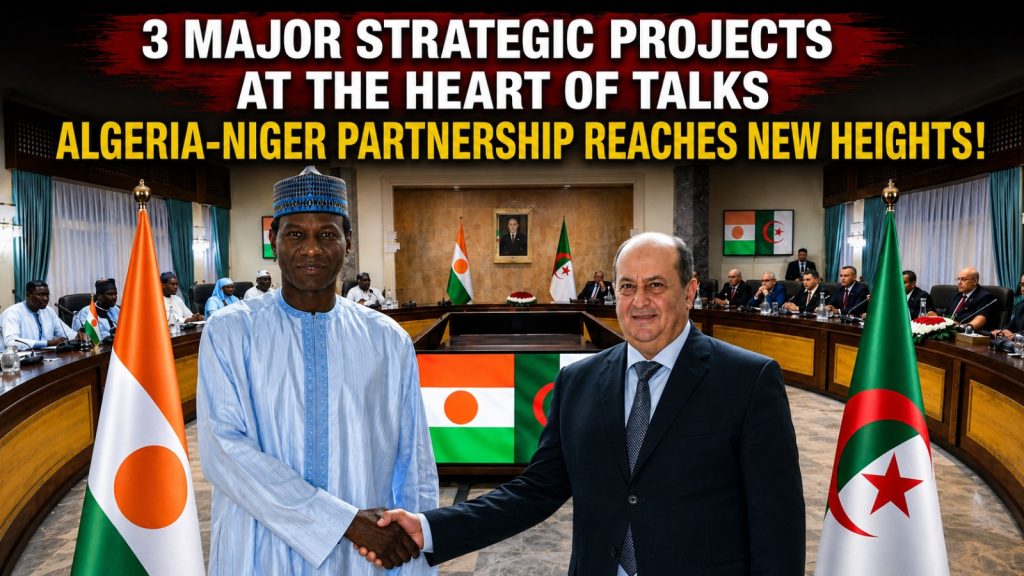
Algeria Gate: Algerian Prime Minister Sifi Ghrieb held bilateral talks today at the Government Palace with the Prime Minister of the Republic of Niger, Ali Mahamane Lamine Zeine, who is on a working visit to Algeria at the head of a large delegation.

Following these discussions, an expanded meeting with the delegations of both countries made it possible to examine the various aspects of Algerian-Nigerien cooperation and to exchange views on several issues of common interest.

The two sides underlined the depth of the bonds of brotherhood, solidarity and good neighborliness that unite Algeria and Niger, hailing the unprecedented momentum that bilateral relations are experiencing in several fields, driven by the political will of President Abdelmadjid Tebboune and Nigerien President Abdourahamane Tiani.

Discussions also covered the state of progress of the agreements and joint projects concluded during the second session of the Algerian-Nigerien Joint Great Commission, held last March. The two countries reaffirmed their determination to accelerate the implementation of projects still underway.

In this framework, Algiers and Niamey intend to further strengthen their partnership and exploit their significant potential in the service of development and stability for the entire Sahel region.

Among the major continental projects mentioned are notably the Trans-Saharan gas pipeline, the Trans-Saharan road and the strategic Trans-Saharan fiber-optic link, regarded as major projects to strengthen regional integration and exchanges between the two countries.

#Algeria#Niger
Author
Lys Iwannughen
View my articles