Sunday, 18 October 2026 • 21:34 Algiers time
Algeria Gate
News Room
Cameron Hudson: UAE is virtually the sole backer of the RSF..without its support the war in Sudan would not continue Algeria-Niger: Official launch of Trans-Saharan fibre optic link Five minutes of lament over Algeria: Amar Belani exposes CNEWS’s real obsession Algerian courts hand down first death sentences under new drugs law Ségolène Royal’s masterclass on Algeria against an ignorant and demagogic journalist President Tebboune and senior officials receive the remains of Boualem Boualem in Algiers NAPEC 2026 in Oran: Algeria at the Heart of Africa’s and the Mediterranean’s New Energy Landscape Pegasus Files: Amnesty Uncovers Morocco’s Espionage Against Spain President Tebboune Orders Salary Increases in Algeria’s 2027 Budget, Rules Out New Taxes on Citizens Algeria Emerges as a Trusted Power for Regional Peace and Stability
Share this post

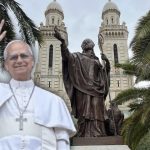
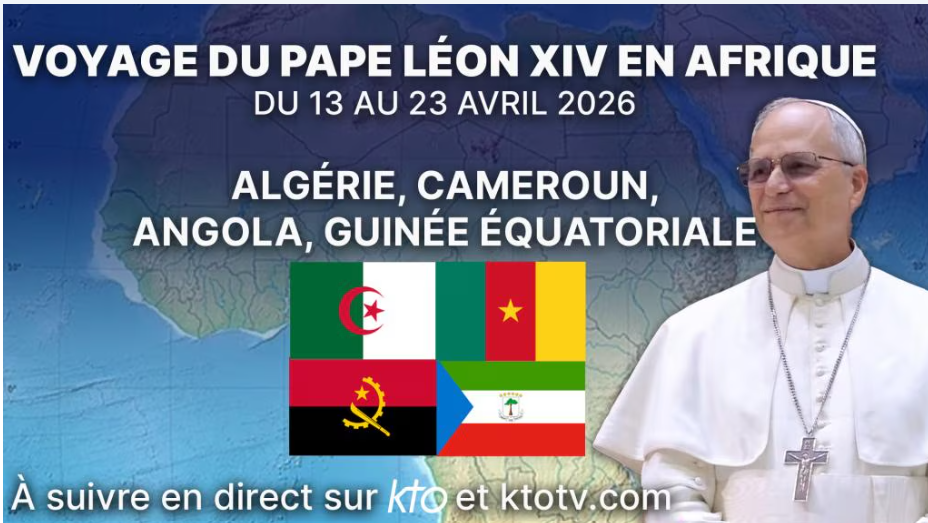
Pope Leo XIV to Embark on 11-Day Apostolic Journey Across Africa Tomorrow

• Author: بوابة الجزائر • 0 comments • 77 views
Pope Leo XIV to Embark on 11-Day Apostolic Journey Across Africa Tomorrow

The Four-Nation Tour Begins in Algeria Before Heading to Cameroon, Angola, and Equatorial Guinea to Promote Peace and Dialogue

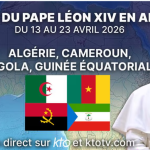
From April 13 to April 23, 2026, the Pope will undertake a major apostolic journey to Africa, covering Algeria, Cameroon, Angola, and Equatorial Guinea. As a “son of Saint Augustine,” the Pope has made the significant choice to spend 11 days visiting the African continent. The itinerary includes Masses, political meetings, social visits, and calls for peace in sensitive regions. The entire journey will be broadcast live on KTO and ktotv.com.

Responding to invitations from Heads of State and the respective ecclesiastical authorities, his journey is scheduled as follows:

  • Algeria (April 13–15): Visiting Algiers and Annaba.
  • Cameroon (April 15–18): Visiting the cities of Yaoundé, Bamenda, and Douala.
  • Angola (April 18–21): Visiting Luanda, Muxima, and Saurimo.
  • Equatorial Guinea (April 21–23): Concluding the tour in Malabo, Mongomo, and Bata.

Author
بوابة الجزائر
View my articles

Leave a comment

Your email address will not be published. Required fields are marked *

African coast
Share this post

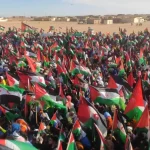
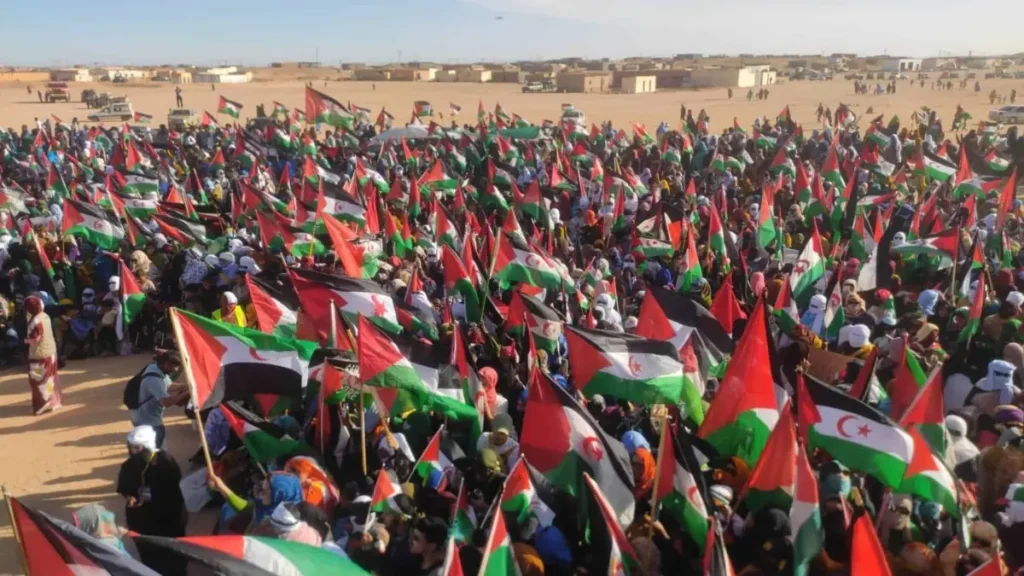
Western Sahara: Renewed Calls to Enforce International Law and Uphold Self-Determination

Western Sahara: Renewed Calls to Enforce International Law and Uphold Self-Determination

Rome – Legal experts have reiterated the necessity of enforcing obligations arising from international law in Western Sahara in a manner that guarantees the legitimate rights of its people, particularly the right to self-determination and independence in accordance with international legitimacy.

In this context, Italian journalist and political affairs specialist Elena Rosca affirmed that “the current situation in Western Sahara calls for the enforcement of international law to bring an end to the reality of occupation that Morocco is attempting to consolidate, in blatant violation of UN resolutions and charters.”

In an analytical article recently published in the Chilean newspaper Clarín de Chile under the title “When International Law Collapses,” Rosca—who is also a human rights advocate—stated that the conflict in Western Sahara represents “a real test of the applicability of international law in achieving international peace and security, and in delivering justice to the Sahrawi people by enabling their right to self-determination.”

Within the same framework, the Italian writer criticized the silence of the international community in the face of serious human rights violations committed by Moroccan authorities in the occupied part of Western Sahara, as well as what she described as “double standards” reflected in the selective handling of global crises.

She further denounced the European Union’s conclusion of trade agreements with Morocco as “illegal,” describing them as a clear breach of international law despite relevant court rulings affirming that Western Sahara and Morocco are “separate territories.” She also pointed to the “contradictions” in the positions of certain EU member states, which “ignore international law in Western Sahara while defending it in other conflicts.”

On another front, the Italian journalist highlighted the “significant” legal gains achieved by the Polisario Front in favor of the Sahrawi cause, noting its reliance on a form of diplomacy “based on recourse to European courts and the building of alliances with civil society and trade union organizations.”

For his part, Joseph Huddleston, a researcher specializing in diplomacy and international relations, stressed in an analytical study that the continuation of Morocco’s occupation of Western Sahara “without sanctions or serious pressure” from the international community could encourage the persistence of the current colonial situation.

He warned that failure to resolve the conflict stems from a “policy of fait accompli” imposed by Morocco, particularly through its continued obstruction of any referendum on self-determination for the Sahrawi people and its prevention of the UN Mission for the Referendum in Western Sahara (MINURSO) from fully carrying out its mandate.

The researcher considered that supporting a “genuine” referendum to resolve the conflict represents a “strategic opportunity” to preserve global peace and security.

Meanwhile, the news platform “Don’t Forget Western Sahara” underscored the importance of enforcing international law in the territory by enabling the Sahrawi people to exercise their right to self-determination.

In an article titled “After 50 Years: An Unfinished Decolonization,” the platform noted that, after five decades, the conflict remains without a definitive political solution.

The right to self-determination remains unrealized amid the international community’s failure to fulfill its commitments and compel Morocco to organize a referendum, as agreed upon by the two parties to the conflict (Morocco and the Polisario Front) in 1991 under UN auspices.

The article concluded that the Sahrawi people remain divided between exile, occupation, and liberated territories, reflecting the urgent need for the effective implementation of international law in Western Sahara.

Author
بوابة الجزائر
View my articles