Sunday, 18 October 2026 • 23:17 Algiers time
Algeria Gate
News Room
Cameron Hudson: UAE is virtually the sole backer of the RSF..without its support the war in Sudan would not continue Algeria-Niger: Official launch of Trans-Saharan fibre optic link Five minutes of lament over Algeria: Amar Belani exposes CNEWS’s real obsession Algerian courts hand down first death sentences under new drugs law Ségolène Royal’s masterclass on Algeria against an ignorant and demagogic journalist President Tebboune and senior officials receive the remains of Boualem Boualem in Algiers NAPEC 2026 in Oran: Algeria at the Heart of Africa’s and the Mediterranean’s New Energy Landscape Pegasus Files: Amnesty Uncovers Morocco’s Espionage Against Spain President Tebboune Orders Salary Increases in Algeria’s 2027 Budget, Rules Out New Taxes on Citizens Algeria Emerges as a Trusted Power for Regional Peace and Stability
Share this post

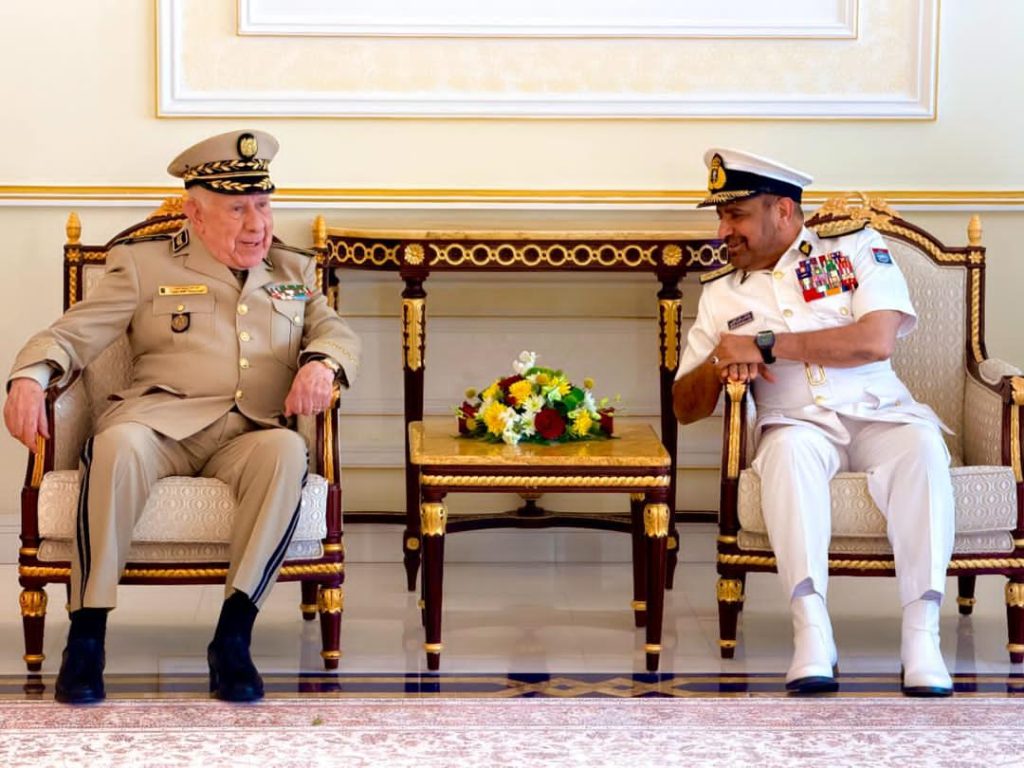
Algeria’s Defense Chief General Saïd Chanegriha’s Visit to Oman: Quiet Diplomacy in an Era of Loud Polarization”

• Author: بوابة الجزائر • 0 comments • 117 views
Algeria’s Defense Chief General Saïd Chanegriha’s Visit to Oman: Quiet Diplomacy in an Era of Loud Polarization”

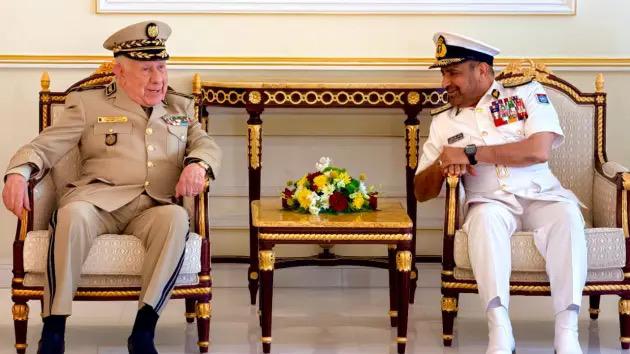
The visit of General Saïd Chanegriha, Chief of Staff of the Algerian People’s National Army, to the Sultanate of Oman is far from a routine diplomatic or military stop on an official itinerary. It is a carefully calibrated move that carries political and security messages extending well beyond formal meetings and protocol photographs — and understanding it requires placing it within a complex regional environment rather than viewing it in isolation.

https://twitter.com/mdngovdz/status/2061471401127657754?s=46

Context First: Algeria in a Rising Polarized Environment

Today, Algeria operates in a regional landscape shaped by three overlapping pressures.

First, the Algerian–Moroccan rivalry, which has moved beyond traditional diplomatic tension since 2021, following the severing of diplomatic relations and the intensification of the Western Sahara dispute. Morocco’s growing security alignment with Israel through the Abraham Accords has added a new strategic layer to an already sensitive western frontier.

https://twitter.com/algatedz/status/2061562764074570059?s=20

Second, the expanding Emirati footprint across Africa, where Abu Dhabi and Algiers are increasingly perceived as competing for influence in the Sahel region, amid the broader collapse of French influence and the ongoing reconfiguration of alliances in Mali, Niger, and Burkina Faso.

Third, renewed Western pressure on Algeria to adopt clearer positions on the Ukraine conflict and energy-related geopolitical alignments, counterbalanced by incentives tied to European and American partnership frameworks.

In this climate, Algeria’s priority is to preserve strategic flexibility by engaging partners that do not force alignment within rigid geopolitical blocs.

Why Oman Specifically?

The choice of Muscat is far from incidental; it reflects a precise reading of Oman’s unique diplomatic identity.

Oman remains the only Gulf state that has maintained open channels with Iran for decades, often serving as a discreet mediator in sensitive negotiations, including the groundwork that led to the 2013 nuclear agreement. It has also consistently avoided participation in regional military coalitions, most notably in Yemen. This model of quiet neutrality and pragmatic mediation closely mirrors the diplomatic posture Algeria seeks to project.

In this sense, Algeria is not pursuing confrontation-based alliances, but rather seeking partners that embody balanced engagement and strategic restraint.

The Deeper Message: Managing Strategic Ambiguity

At its core, this visit reflects Algeria’s broader doctrine of “controlled strategic ambiguity.” The country is neither fully aligned with the Riyadh–Abu Dhabi axis, nor with the Tehran–Ankara sphere of influence, nor with Western blocs, nor entirely within the Russia–China strategic orbit.

This ambiguity is not a weakness, but a tool. It allows Algeria to maintain room for maneuver, negotiate across multiple power centers, and preserve autonomy in critical dossiers such as the Sahel, Western Sahara, and energy policy.

Engaging with Oman reinforces this logic: building partnerships with actors that share a preference for non-alignment and quiet diplomacy, while expanding Algeria’s security cooperation networks outside high-tension geopolitical fault lines.
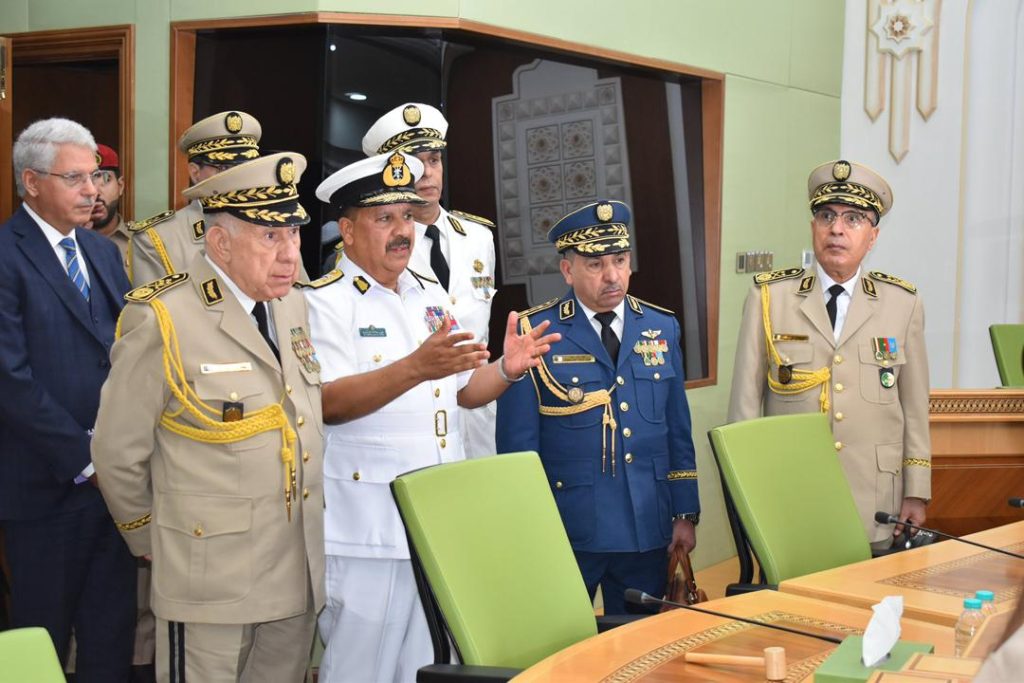
Algeria’s Defense Chief General Saïd Chanegriha’s Visit to Oman: Quiet Diplomacy in an Era of Loud Polarization”

Ultimately, the visit signals not a shift in direction, but a refinement in approach.

Algeria is steadily consolidating a foreign and security policy that avoids alignment politics in favor of calibrated, interest-driven partnerships. In this framework, Oman is not just a destination — it is a mirror of the diplomatic model Algeria is increasingly inclined to follow.

In geopolitics, sometimes the most meaningful signals are not loud declarations, but carefully chosen silences.

https://twitter.com/algatedz/status/2061553716017107323?s=20
Author
بوابة الجزائر
View my articles

Leave a comment

Your email address will not be published. Required fields are marked *

Algeria
Share this post

Arkab in Paris: Energy as a Bridge Between Two Capitals in Search of a New Equilibrium

Arkab in Paris: Energy as a Bridge Between Two Capitals in Search of a New Equilibrium

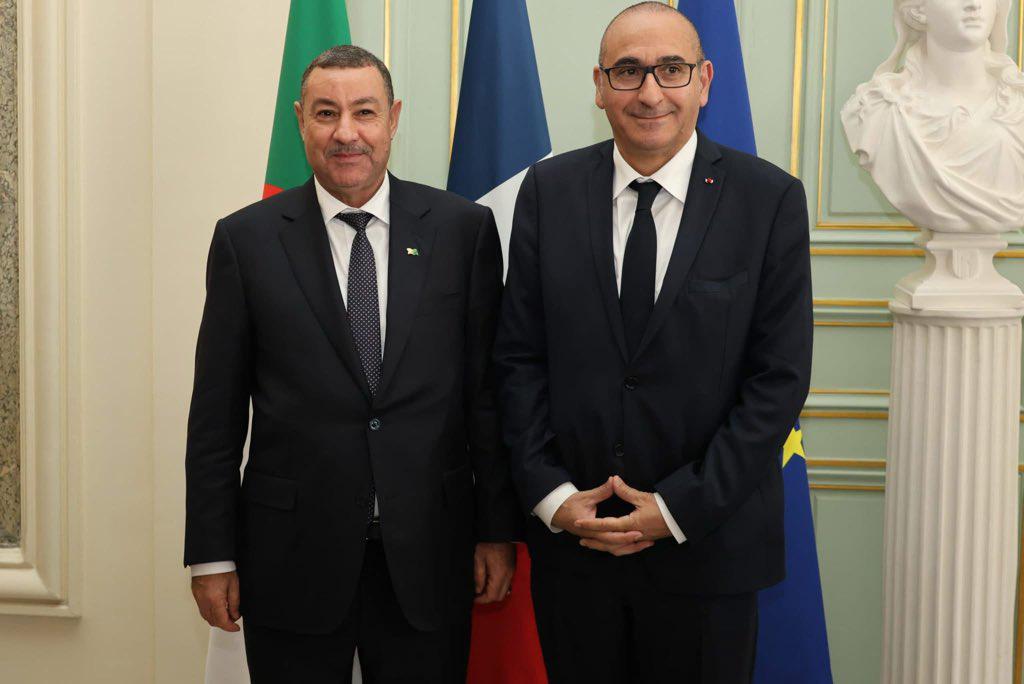
When Mohamed Arkab, Algeria’s Minister of State for Energy, Mines and Renewable Energies, landed in Paris, he carried with him more than a diplomatic agenda. He carried a signal that despite months of political turbulence, both Algiers and Paris are unwilling to let economic necessity fall victim to political disagreement.

https://twitter.com/algatedzEng/status/2061419258903433561?s=20

The visit is among the most consequential high-level exchanges between the two countries since the diplomatic rupture of 2024, when mutual accusations over visas, memory politics and regional alignments pushed bilateral relations to one of their lowest points in years. That context makes Arkab’s presence in the French capital all the more striking and all the more deliberate.

https://twitter.com/algatedzEng/status/2061408371324981316?s=20

Energy: The One Thread That Never Breaks

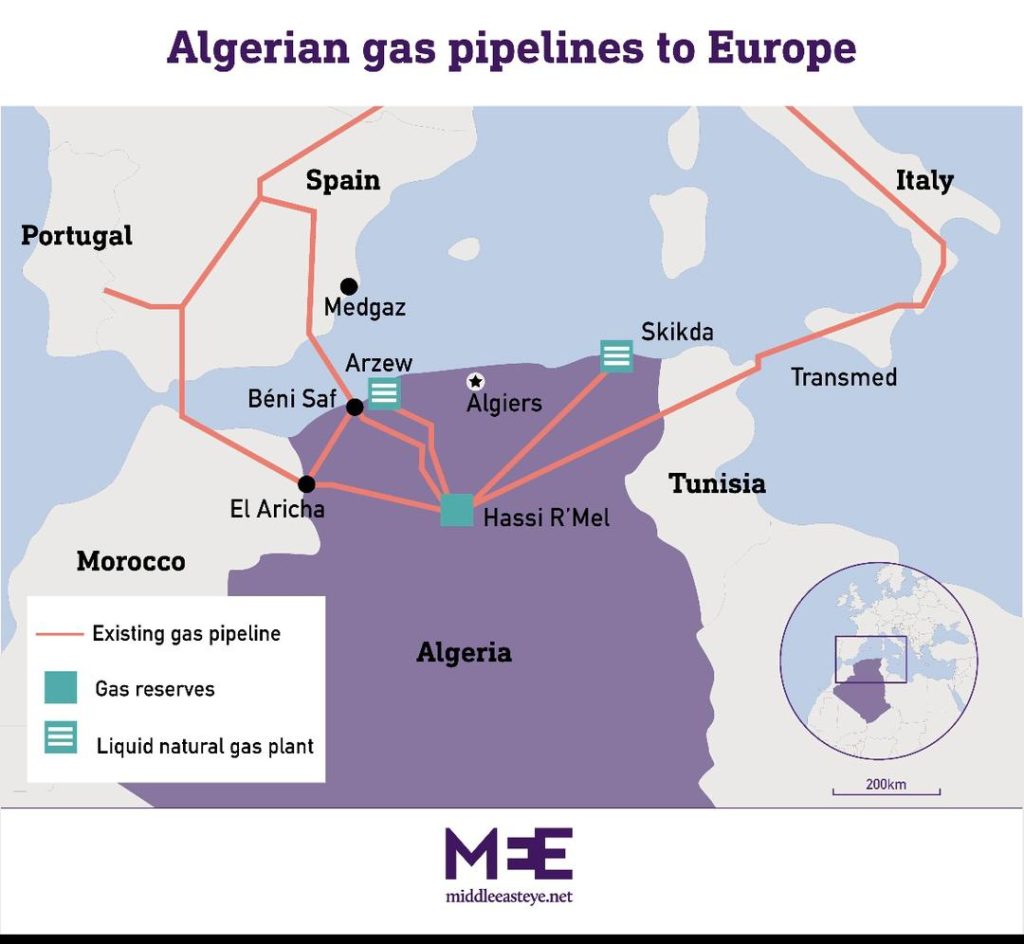
Algeria supplies roughly 9% of Europe’s natural gas imports, and France remains one of its most strategically significant partners on the continent. Even during periods of acute political tension, the energy corridor between the two countries has functioned as a quiet lifeline insulating economic cooperation from the noise of diplomatic friction.

Arkab in Paris: Energy as a Bridge Between Two Capitals in Search of a New Equilibrium

Now, with Europe still navigating the aftershocks of its energy crisis and accelerating the transition toward renewables, the stakes have shifted. Arkab’s discussions in Paris are expected to cover not only the existing natural gas framework, but also emerging opportunities in green hydrogen, solar energy and critical minerals sectors where Algeria holds considerable untapped potential and where French industrial groups have expressed growing interest.

Pragmatism Over Principle

What makes this visit notable is not what it celebrates, but what it reveals: that both governments have quietly chosen economic pragmatism over the paralysis of unresolved political grievances.

For Algeria, the trip reinforces its positioning as an indispensable energy actor in the Mediterranean one that is actively courted, not merely tolerated. For France, it represents an effort to secure and deepen a partnership that no alternative in the region can fully replace.

Yet questions remain. Will the meetings produce binding agreements, or will they generate the kind of joint communiqués that promise momentum without delivering it? And can energy cooperation alone sustain a relationship that continues to be weighed down by historical memory, competing regional interests and unresolved political disputes?

A Relationship Too Costly to Abandon, Too Complex to Repair Easily

Algeria and France share a relationship that defies simple categorization. It is neither a partnership in the full sense, nor a rivalry in any conventional one. It is something more specific: a structural interdependence, shaped by geography, history and mutual economic interest, that neither side has found a credible way to exit.

Arkab’s visit will not resolve that complexity. But it may do something equally important — demonstrate that both capitals still believe the relationship is worth managing carefully, even when it is too difficult to celebrate openly.

In diplomacy, that is sometimes the most honest signal of all.

Author
بوابة الجزائر
View my articles
Algeria
Share this post

Chanegriha in Muscat: A Strategic Message in Military Language

Chanegriha in Muscat: A Strategic Message in Military Language

General Said Chanegriha, Algeria’s Deputy Minister of National Defence and Chief of Staff of the People’s National Army, has arrived in Oman on an official visit — one that carries as much symbolism as it does substance. The invitation came from his Omani counterpart, Admiral Abdullah bin Khamis Al-Raisi, Chief of Staff of the Sultan’s Armed Forces, a detail that signals parity and mutual respect between two established military institutions.

https://twitter.com/mdngovdz/status/2061119440662466787?s=46

This is not a courtesy call. The visit reflects a deliberate strategic direction Algeria has been pursuing methodically expanding its defence partnerships across the Gulf. Oman holds a particular place in that calculus. The two countries share a quiet but meaningful alignment on key regional issues: a preference for dialogue over confrontation, and a firm belief in state sovereignty as a non-negotiable principle.

On the agenda are high-level meetings with Omani military commanders, focused on broadening cooperation in training, security, and institutional knowledge exchange. But seasoned observers suggest the real value lies not in what will be announced, but in what will be quietly built — the kind of trust and behind-the-scenes coordination that no press release can fully capture.

https://twitter.com/mdngovdz/status/2061150905836134504?s=46

Algeria is no longer waiting at the sidelines of regional security conversations. It is showing up, engaging on its own terms, and playing a longer game than most.

Author
بوابة الجزائر
View my articles
Algeria
Share this post

Algeria and Azerbaijan: A New Energy Partnership Strengthening Sonatrach’s Position in Europe

Algeria and Azerbaijan: A New Energy Partnership Strengthening Sonatrach’s Position in Europe

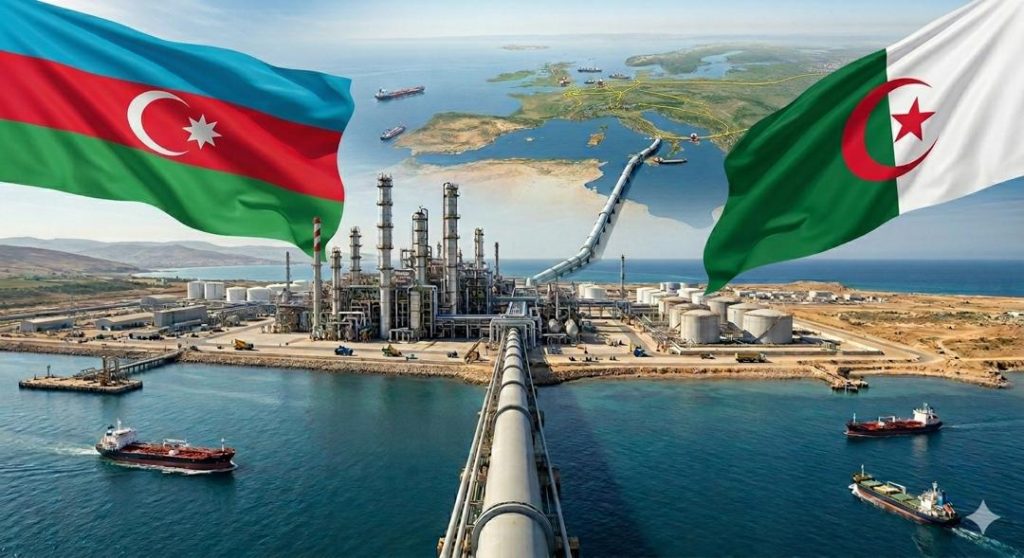
The agreement carries significant strategic value as it goes beyond conventional hydrocarbon cooperation. It covers a broad range of activities, including onshore and offshore exploration and production, the development of oil and gas projects, petrochemical industries, transportation, marketing and distribution of energy products, as well as research, innovation, training, and human resource development.

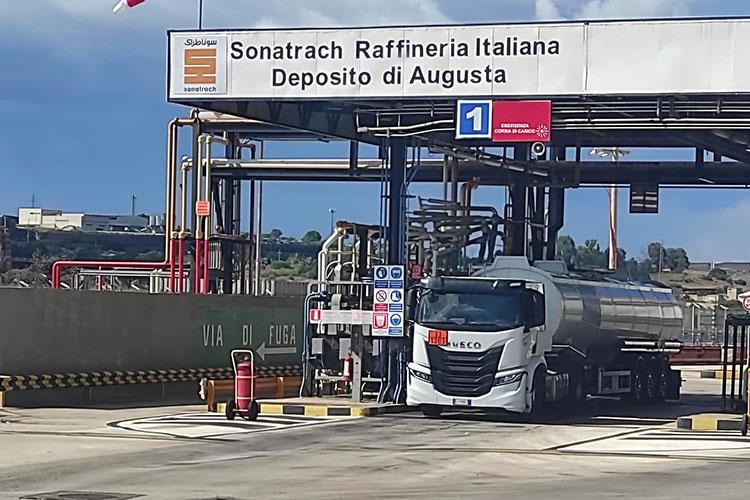
Augusta Refinery at the Heart of the Partnership

Algeria and Azerbaijan: A New Energy Partnership Strengthening Sonatrach’s Position in Europe

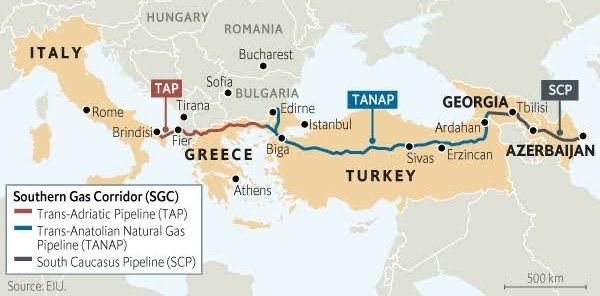
One of the most significant provisions of the agreement is the establishment of a long-term supply of Azerbaijani crude oil to Sonatrach Raffineria Italiana, owner of the Augusta refinery in Sicily, Italy.

This provision represents a major step in Sonatrach’s strategy to strengthen its refining activities beyond Algeria’s borders. Azerbaijani crude supplies will provide greater flexibility in securing feedstock for the refinery, diversifying crude sources, enhancing operational stability, and improving competitiveness in European markets.

The arrangement is also expected to strengthen Algeria’s presence in the European and Mediterranean petroleum products market by leveraging Augusta’s strategic location and refining capacity.

A Partnership Beyond Traditional Hydrocarbons

The agreement is not limited to commercial energy transactions. It reflects a shared ambition to build a long-term partnership between two major energy-producing nations. Algeria remains one of Africa’s leading energy exporters and a key supplier to Europe, while Azerbaijan possesses extensive expertise in developing the Caspian Sea’s hydrocarbon resources through its national energy company, SOCAR, a prominent player in regional and international energy markets.

Algeria and Azerbaijan: A New Energy Partnership Strengthening Sonatrach’s Position in Europe

The partnership opens new opportunities for technology transfer, knowledge exchange, and joint project development, enabling both countries to better navigate the rapidly evolving global energy landscape.

Expanding Algeria’s Energy Influence

The implementation of the agreement highlights Algeria’s broader vision of evolving from a traditional exporter of raw hydrocarbons into an integrated energy player active across the entire value chain—from production and refining to marketing and distribution.

In this context, the Augusta refinery serves as a key strategic asset supporting Sonatrach’s expansion within Europe. Cooperation with Azerbaijan adds a new dimension to this strategy by diversifying partnerships, securing supply sources, and strengthening the energy resilience of Algeria’s international operations.

More than a bilateral agreement, this partnership represents a concrete step toward building an international energy network that reinforces Algeria’s position as a major actor in regional and global energy markets.

#Algeria
Author
بوابة الجزائر
View my articles