
Sunday, 19 July 2026 07:42 Algiers time
Algeria Gate
Share this post

Algeria and Tunisia: A Strategic Energy Partnership Beyond Borders

Published on 26 May 2026 at 13:22 (local time) Author: yasmine ouazib 0 comments 69 views
Algeria and Tunisia: A Strategic Energy Partnership Beyond Borders

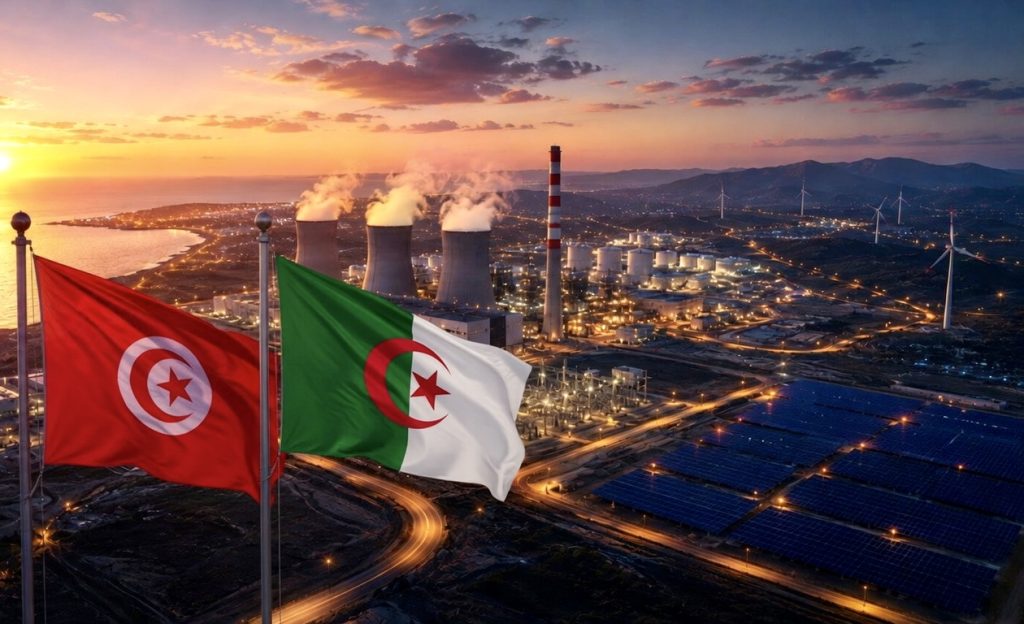
In recent years, the energy cooperation between Algeria and Tunisia has undergone a rapid and qualitative transformation, moving far beyond traditional diplomatic exchanges. This deepening partnership has emerged as a cornerstone of regional integration, reflecting a shared vision for stability, security, and economic resilience in North Africa.


At the heart of this cooperation lies a major strategic initiative: the proposed construction of a 1,400 MW combined-cycle power plant in Tunisia, a collaborative project between Algeria’s Sonelgaz and the Tunisian Company of Electricity and Gas (STEG). Given its massive production capacity and reliance on cutting-edge, high-efficiency technology, this project is widely regarded as one of the most significant energy ventures currently under development on the African continent.
The project is designed to bolster the stability of the Tunisian national grid, particularly during peak summer demand, while simultaneously advancing regional electrical interconnection. By optimizing production efficiency and reducing fuel consumption and emissions, the initiative stands as a dual-purpose model of economic progress and environmental stewardship.
This partnership is a testament to the enduring solidarity between the two nations. Over the past few years, Algeria’s commitment to supplying electricity and providing technical expertise to Tunisia has served as a tangible expression of its broader role as a reliable energy provider and a guarantor of regional stability, reinforcing the significance of South-South cooperation.
Observers argue that this energy alliance is poised to become a strategic axis in North Africa. As both nations pivot toward more integrated infrastructure, this synergy may well pave the way for the establishment of a unified Maghreb energy market.


Ultimately, the Algerian-Tunisian energy collaboration is no longer merely an economic option; it is a strategic imperative. It reflects a firm collective will to build a regional space founded on integration, mutual trust, and shared interests—a decisive stance at a time when energy has become one of the primary levers of global influence, development, and sovereignty.

Author
yasmine ouazib

Leave a comment

Your email address will not be published. Required fields are marked *

Algeria
Share this post

Algeria and Europe: From a Gas Supplier to a Key Player in Energy Security

Algeria and Europe: From a Gas Supplier to a Key Player in Energy Security


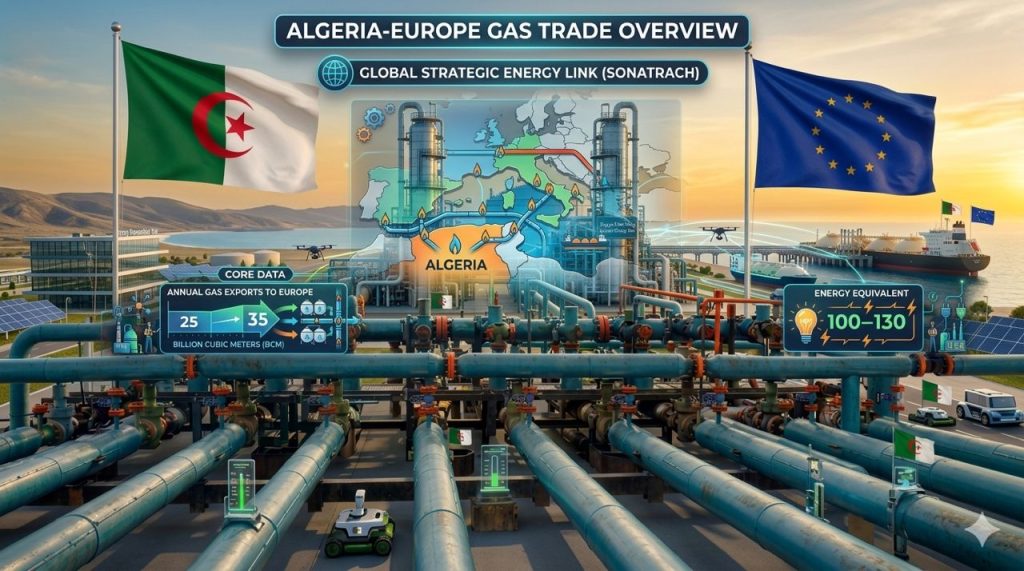
In the wake of rapidly shifting global energy markets, Algeria is emerging as a pivotal player in reshaping European energy security equations. The recent surge in Algerian gas exports via pipeline is not merely a transient economic indicator; it reflects the successful leverage of “energy diplomacy” as a strategic tool to strengthen Algeria’s geopolitical standing in the Mediterranean.

A New Logic for Energy Partnership

European reliance on Algerian gas has transcended the status of a temporary alternative, evolving gradually into a long-term strategic partnership built on geographical stability and technical reliability. In this context, Algerian pipeline networks, particularly “Transmed” and “Medgaz,” have proven to be among the most stable supply routes in the Southern Mediterranean, especially amid increasing pressures on LNG markets and global shipping cost volatilit
Data from the Joint Organisations Data Initiative (JODI) confirms that Algeria remains one of the top gas suppliers to European markets, supported by flexible production capacity and sustained investments in energy infrastructure.

Sonatrach’s Expansion Strategy

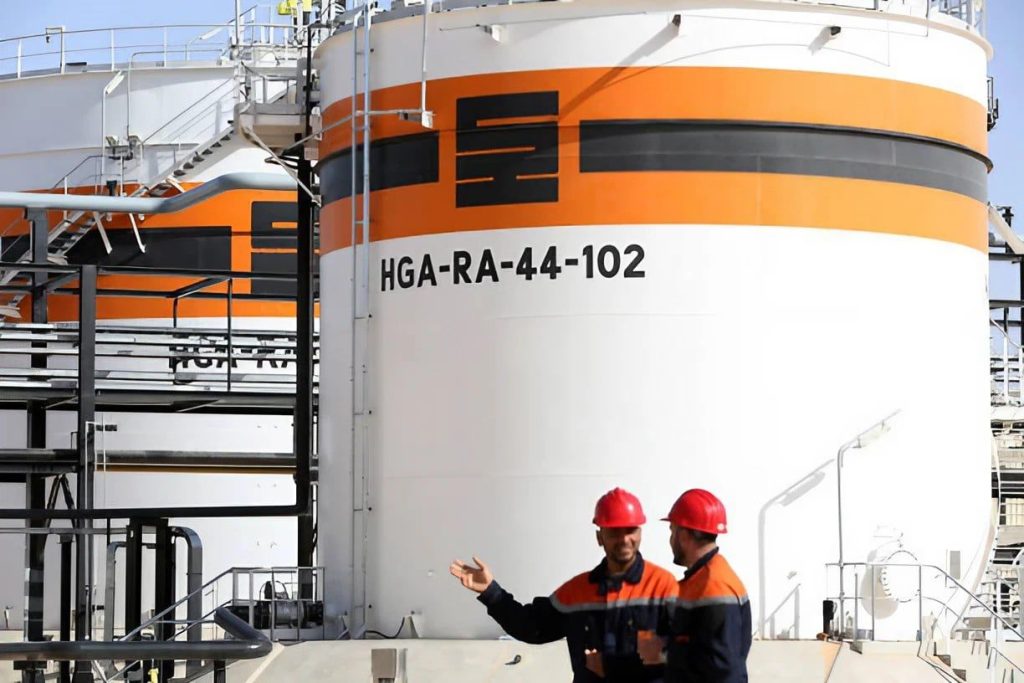
This dynamic cannot be understood in isolation from Sonatrach’s strategy to intensify exploration and develop major fields, most notably Hassi R’Mel. This is complemented by the modernization of extraction technologies and efforts to increase production efficiency.

Furthermore, Algeria has bolstered partnerships with major European firms, notably Italy’s “Eni,” through projects spanning from natural gas to low-carbon energies. This reflects a gradual transition from a “resource export” model to one of “integrated energy partnerships.”

https://attaqa.net/category/energy-research

Beyond Gas: The Green Hydrogen Bet

Current shifts go beyond natural gas, encompassing green hydrogen projects and future energy interconnections with Europe. Algeria possesses the geographical and energy fundamentals to play a central role in this field, especially given the growing European interest in diversifying clean energy sources.

In this framework, Algeria is no longer merely selling raw materials; it is positioning itself to export a sustainable energy model based on long-term industrial and technological collaboration.

https://twitter.com/christophetsh10/status/1636743444818194433?s=46

Internal Sustainability Challenges

Despite these positive indicators, the domestic challenge remains, particularly with the rapid rise in local energy consumption. Maintaining the delicate balance between meeting national demand and expanding export quotas requires continued investment in digitalization, advanced extraction techniques, and improved internal energy efficiency.

Author
yasmine ouazib
Algeria
Share this post

Algeria’s Quiet AI Revolution Is Reshaping North Africa

Algeria’s Quiet AI Revolution Is Reshaping North Africa

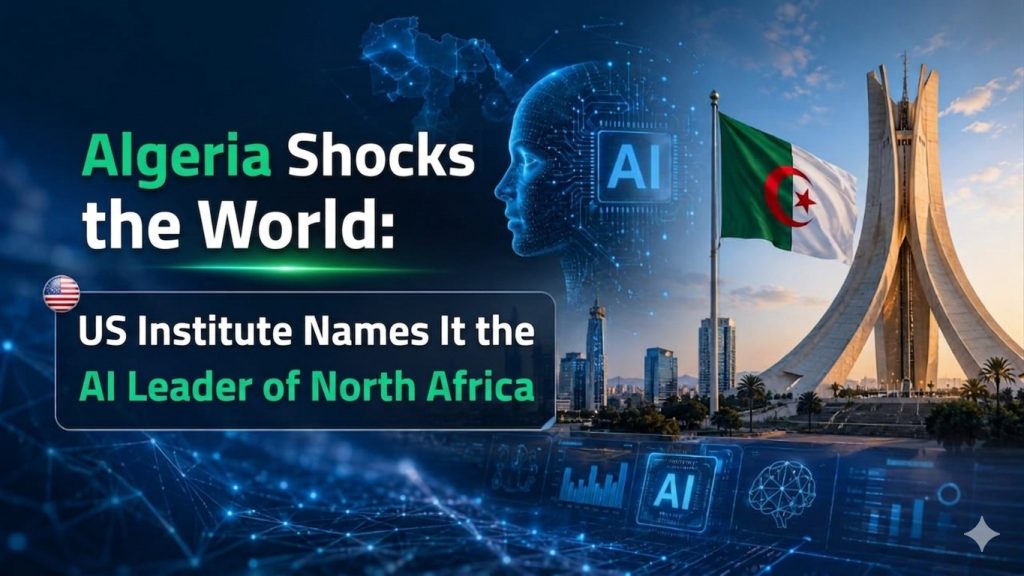
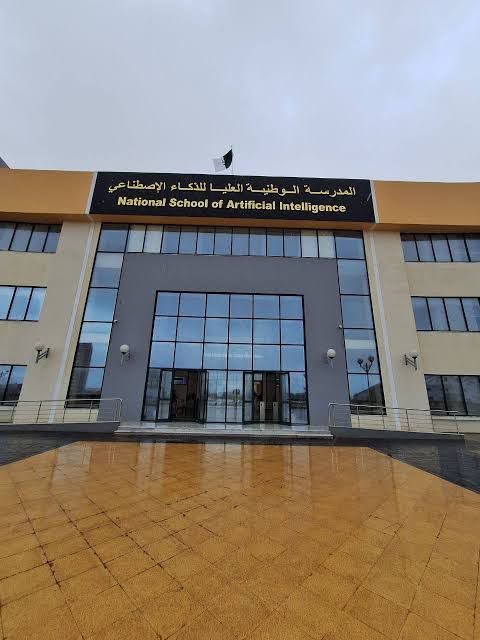
In a remarkable strategic assessment, the American New Lines Institute has identified Algeria as the most promising technological power in the Maghreb, describing it as “the most qualified country to lead Artificial Intelligence development in North Africa.”

Far from being viewed solely as a traditional energy giant, Algeria is increasingly emerging as a state seeking to build genuine strategic autonomy in advanced technologies particularly in Artificial Intelligence.

According to the Washington-based think tank, the country is pursuing a balanced international approach, developing partnerships simultaneously with the United States, China, Italy, and France while avoiding overdependence on any single bloc.

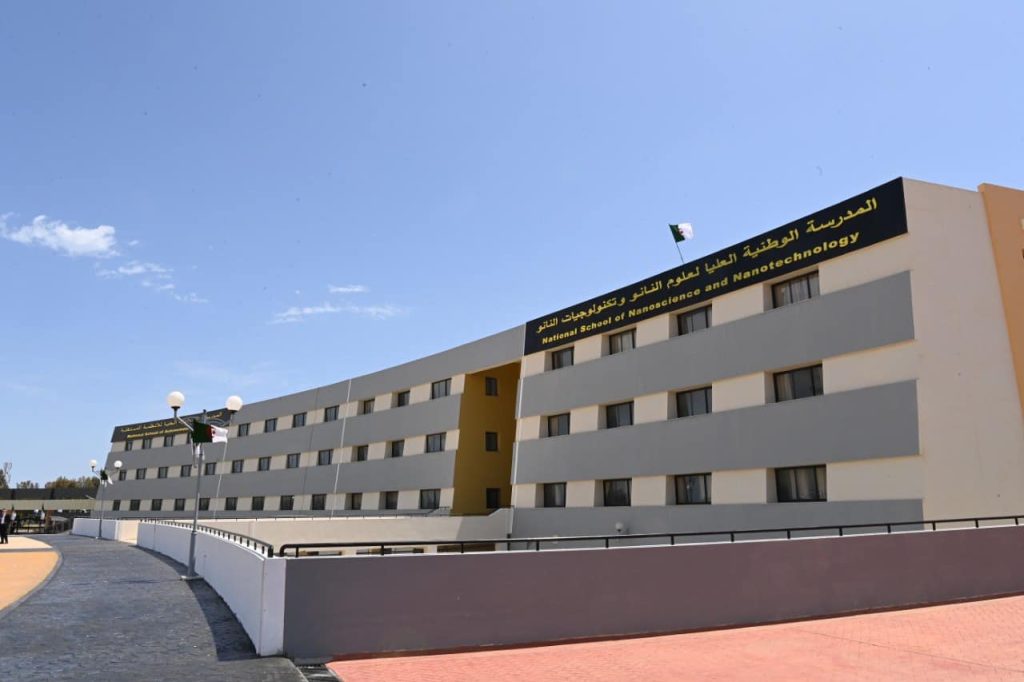
At the core of this transformation lies Algeria’s expanding educational and scientific ecosystem. The report highlights one of the continent’s strongest academic foundations in computer science and AI, with more than 57,000 students currently enrolled in 74 specialized Master’s programs across 52 universities. Algeria also continues to rank among Africa’s leading contributors to international scientific publications, signaling a growing research capacity that extends beyond regional standards.

The study further notes that Algeria is not limiting AI development to theoretical education. Instead, authorities are integrating AI technologies into strategic sectors with direct economic and national impact, particularly agriculture, healthcare, and energy. Analysts project the domestic AI market to expand dramatically from nearly $500 million in 2025 to approximately $1.7 billion by 2030 reflecting the scale of the country’s digital ambitions.

Geopolitically, the report emphasizes Algeria’s unique positioning between Europe and Sub-Saharan Africa. Combined with vast energy resources and increasing diplomatic weight, this location could allow Algeria to become a regional technological hub at a time when global competition over energy security and digital supremacy is intensifying.

https://newlinesinstitute.org/middle-east-center/why-algeria-is-positioned-to-become-north-africas-ai-leader

One of the report’s most notable observations concerns what it describes as a “quiet sovereign transformation” inside Algerian academia. The gradual decline of French linguistic dominance in universities, alongside the growing adoption of English and expanding cooperation with American universities and international scientific programs, is presented as a deeper strategic shift rather than a simple educational reform.

While the institute acknowledges persistent challenges particularly regarding digital infrastructure and internet connectivity it concludes that Algeria possesses a coherent long-term vision capable of transforming it into the most influential technological actor in both the Maghreb and the wider Sahel region over the coming decade.

Algeria may still be at the beginning of its AI journey, but according to this assessment, the country is no longer merely preparing for the future it is actively positioning itself to shape it.

Author
yasmine ouazib
Algeria
Share this post

French Justice Minister Calls Algeria a “Pivotal Actor” in Regional Security

French Justice Minister Calls Algeria a “Pivotal Actor” in Regional Security

A Strategic Political Message

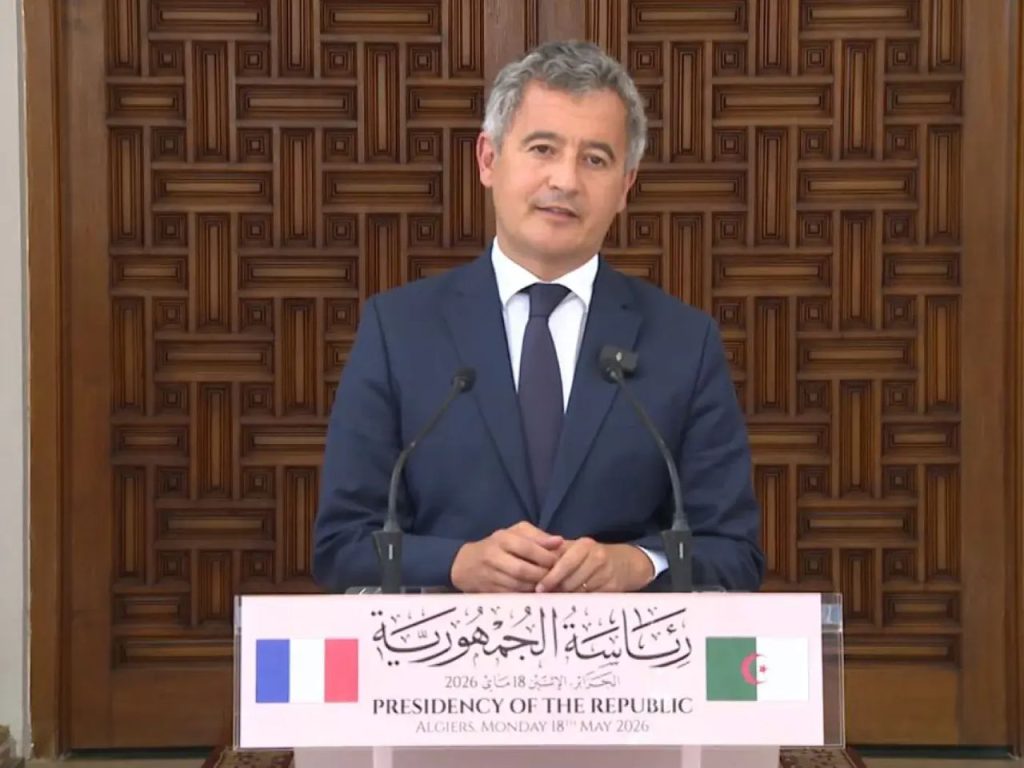
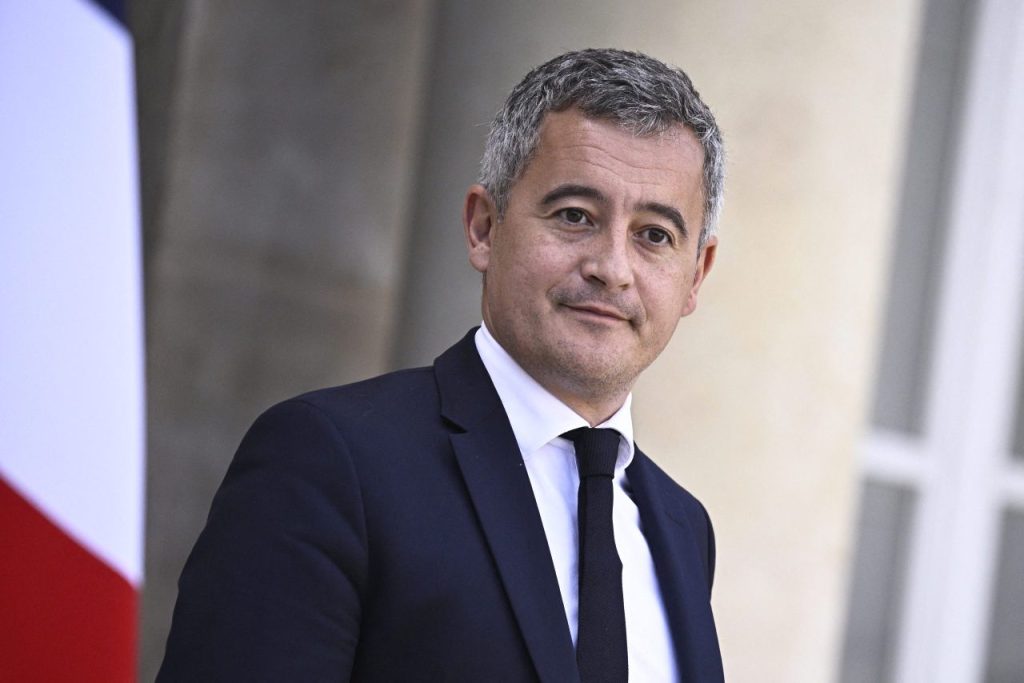
In recent remarks, France’s Minister of Justice, Gérald Darmanin, described Algeria as a “pivotal actor” in regional security, highlighting the country’s growing role in combating transnational threats, particularly cross-border organized crime networks.

Far from being a routine political declaration, the statement carried broader strategic significance. It reflected an effort to connect the national judicial system with wider security imperatives, emphasizing that the judiciary is not merely a legal institution, but a fundamental pillar of stability essential to combating drug trafficking and transnational criminal organizations.

Security Threats Beyond Borders

The Minister stressed that modern security threats are no longer confined within national borders. Instead, they have become increasingly interconnected and trans-regional, requiring deeper coordination between judicial and security institutions at both regional and international levels.

Within this context, Algeria is positioning itself as a proactive regional partner by strengthening legal mechanisms and expanding judicial cooperation with neighboring states to counter destabilizing forces across the region.

Algeria’s Expanding Regional Role

Observers argue that the statement carries implications extending far beyond the legal sphere. First, it reflects Algeria’s determination to consolidate its role as an indispensable actor within the evolving security architecture of the Sahel and North Africa, where instability and security fragmentation remain persistent challenges.

At a time of shifting geopolitical dynamics, Algeria appears intent on reaffirming itself as a central regional actor capable of managing complex and sensitive security challenges.

“Judicial Diplomacy” as a Security Tool

Through what could be described as “judicial diplomacy,” Algeria is signaling that institutional coordination and legal frameworks can serve as sustainable tools for addressing regional crises.

This approach presents an alternative to strategies based solely on military force, highlighting the growing importance of judicial institutions in maintaining long-term regional stability.

https://twitter.com/algatedzEng/status/2058852568416104517?s=20

From Observation to Influence

Ultimately, the Minister’s remarks confirm that Algeria no longer sees itself as a passive observer in regional affairs, but rather as an active force shaping the broader security landscape of North Africa and the Sahel.

By promoting a law-based and institution-driven security model, Algeria is signaling its readiness to confront future challenges with both strategic clarity and institutional depth.

Author
yasmine ouazib