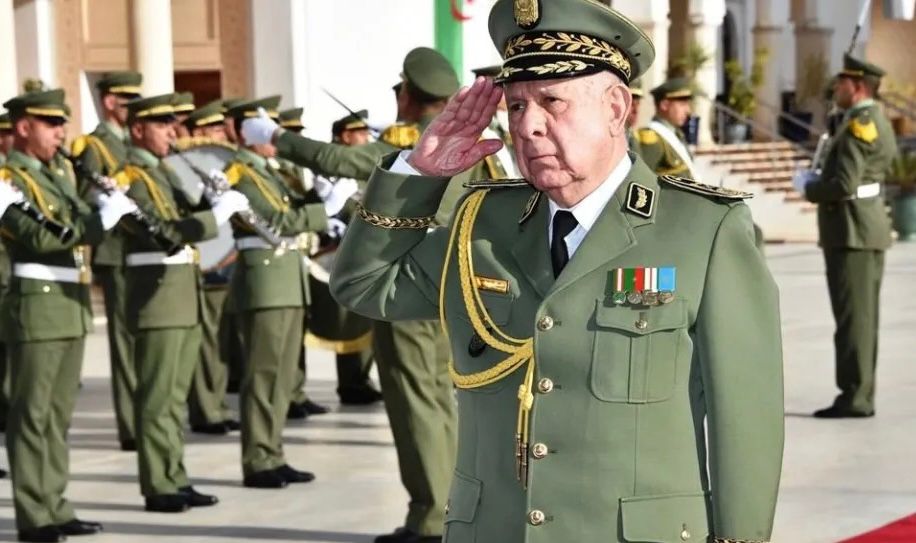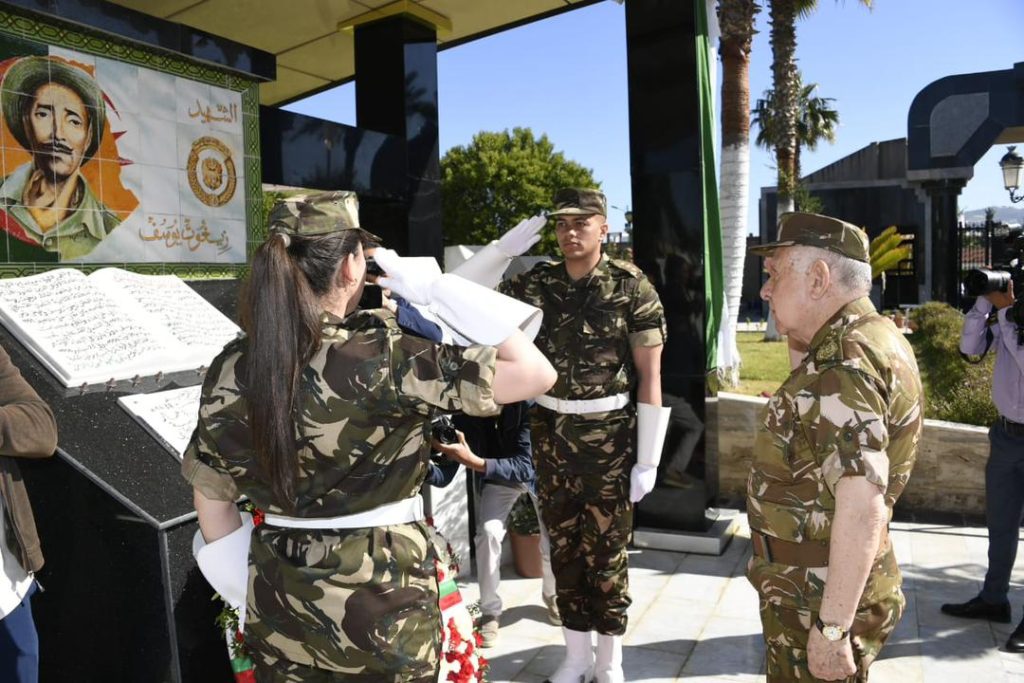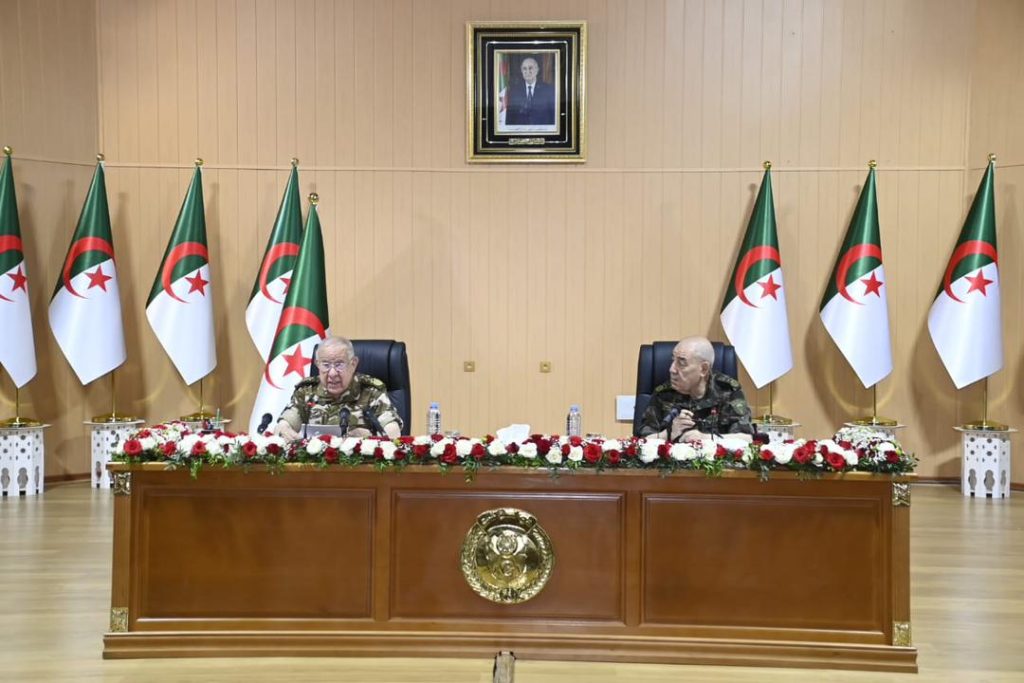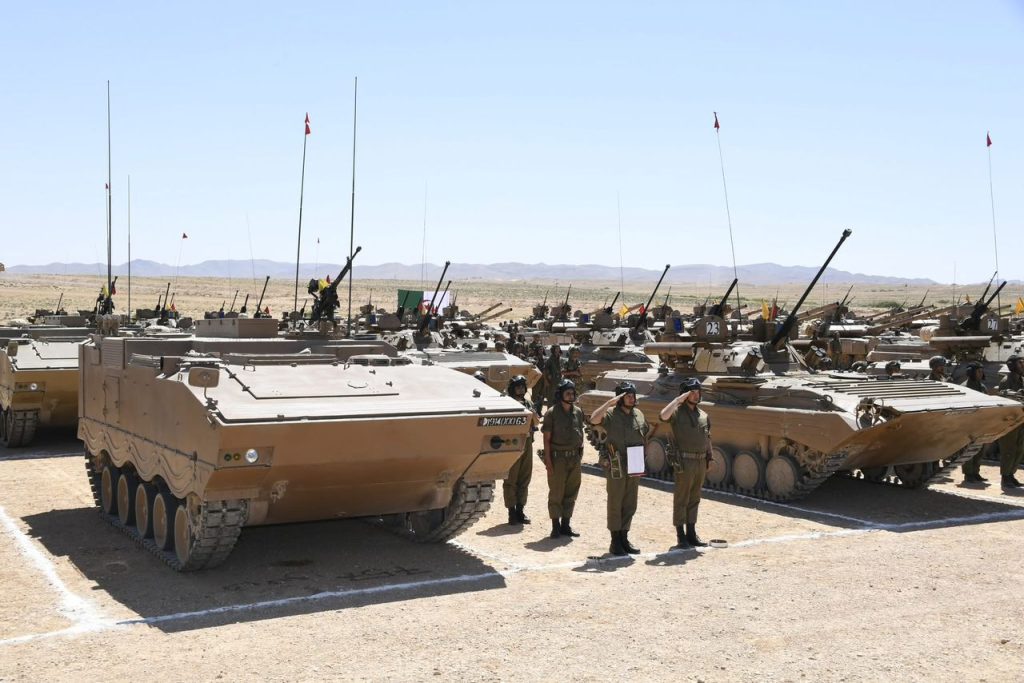
Analytical approaches are intensifying within regional research centers regarding the precise background and implications surrounding the recent tactical exercises conducted by the People’s National Army under the title “Covenant and Pride.” These maneuvers, personally supervised in the field by Army General Saïd Chanegriha, Chief of Staff of the People’s National Army, can no longer be classified as routine military drills. Instead, they have evolved into a substantial subject of strategic analysis, given their timing, scale, and the operational messages carefully embedded within them.
1 The Timing Factor: Readiness in a Turbulent Regional Environment
These intensified field operations come amid an exceptionally complex regional and international climate. An initial reading of the timing indicates that the Algerian military leadership is fully aware of the magnitude of geopolitical shifts unfolding across its borders. This volatile environment shifts the military priority from traditional defense to proactive readiness.
- Technical and Operational Assessment: The Features of a “Modern Army”
The details of the maneuvers revealed a profound transformation in the Algerian Army’s field combat doctrine. This evolution can be analyzed through several key dimensions:
Combined Arms Warfare:The field scenes demonstrated highly precise coordination and rapid responsiveness between ground forces, air units, and air defense systems, reflecting a level of command-and-control (C2) flexibility comparable to that of major military powers.
- Network-Centric Warfare & Intelligence Integration:*The extensive reliance on advanced drone systems for reconnaissance, electronic warfare, and real-time strike guidance illustrates that the General Staff has fully transitioned into the era of modern, interconnected warfare.
- Live Ammunition and Firepower Density: The deployment of strategic and precision weaponry under conditions simulating real combat scenarios reflects the leadership’s confidence in both its tactical stockpiles and the personnel’s ability to master complex military technologies.
- The Strategic and Political Dimensions of the Maneuvers
The significance of the “Covenant and Pride” exercises extends far beyond the purely military sphere, touching on several critical strategic dimensions:
- Regional Deterrence:* The maneuvers delivered a decisive message to both regional and international actors that any attempt to undermine Algeria’s strategic depth or destabilize its security environment would face an immediate and forceful response.
- The Domestic Front:*The exercises also reinforced the symbolic bond between the people and their military institution under the “Nation-Army” doctrine, while projecting reassurance and stability amid intensifying external propaganda campaigns.
- Doctrine of Loyalty to the Covenant:*Beyond the operational dimension, the maneuvers embodied the concept of “Covenant and Pride” as a doctrine rooted in the spirit of the November 1st Declaration, transforming the army’s role from a mere guardian of borders into a protector of Algeria’s strategic sovereignty.
Concluding Analysis: The Field Commander and the Construction of Strategic Prestige
Ultimately, this analytical reading places Army General Saïd Chanegriha in the position of a commander who has succeeded in advancing the People’s National Army toward a stage of absolute deterrence professionalism. His personal presence amid the thunder of artillery and the roar of armored divisions conveyed a clear message to all adversaries: Algeria does not preserve peace through slogans, but imposes it through military strength and the readiness of its men. Consequently, “Covenant and Pride” represents a major turning point in the modern military history of the region.