

A Strategic Political Message
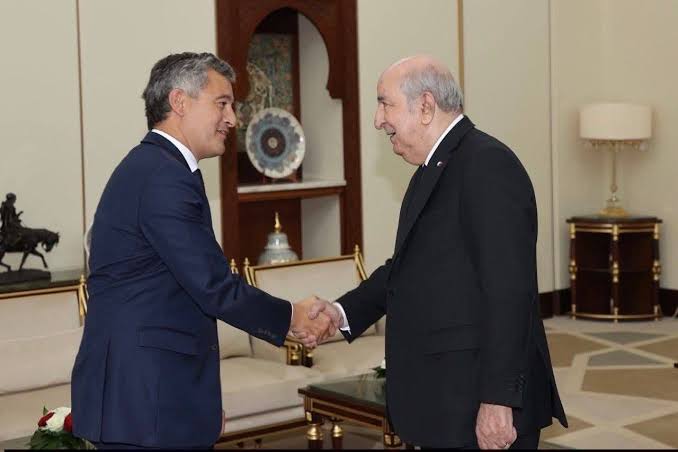
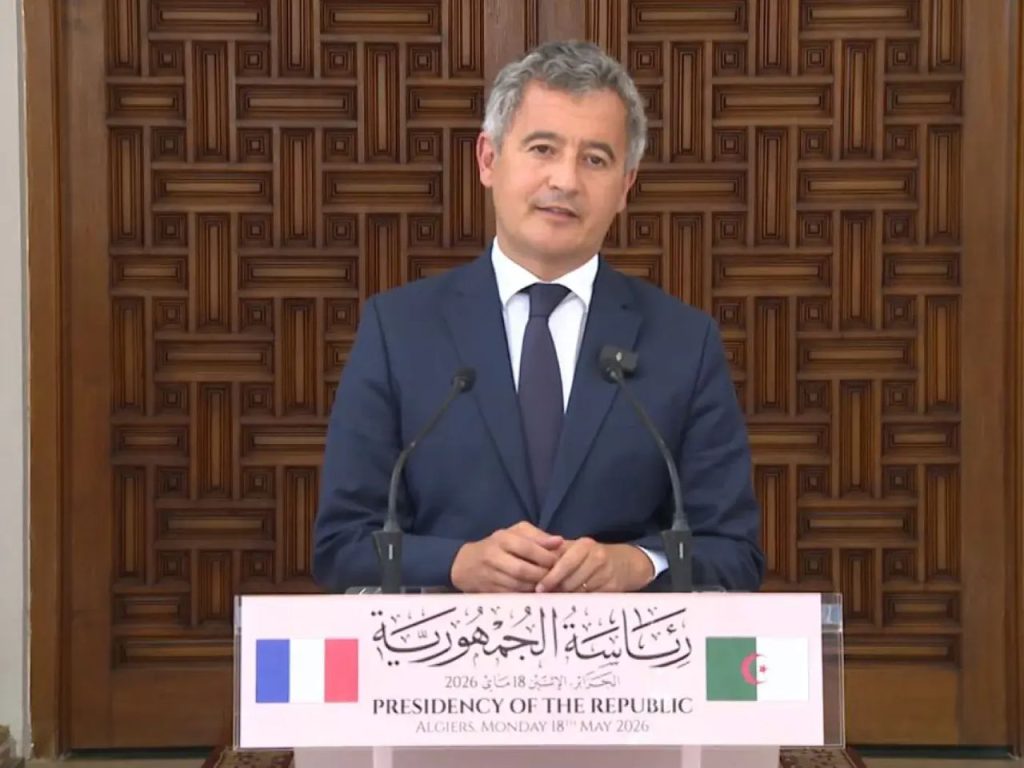
In recent remarks, France’s Minister of Justice, Gérald Darmanin, described Algeria as a “pivotal actor” in regional security, highlighting the country’s growing role in combating transnational threats, particularly cross-border organized crime networks.
Far from being a routine political declaration, the statement carried broader strategic significance. It reflected an effort to connect the national judicial system with wider security imperatives, emphasizing that the judiciary is not merely a legal institution, but a fundamental pillar of stability essential to combating drug trafficking and transnational criminal organizations.

Security Threats Beyond Borders
The Minister stressed that modern security threats are no longer confined within national borders. Instead, they have become increasingly interconnected and trans-regional, requiring deeper coordination between judicial and security institutions at both regional and international levels.
Within this context, Algeria is positioning itself as a proactive regional partner by strengthening legal mechanisms and expanding judicial cooperation with neighboring states to counter destabilizing forces across the region.
Algeria’s Expanding Regional Role
Observers argue that the statement carries implications extending far beyond the legal sphere. First, it reflects Algeria’s determination to consolidate its role as an indispensable actor within the evolving security architecture of the Sahel and North Africa, where instability and security fragmentation remain persistent challenges.
At a time of shifting geopolitical dynamics, Algeria appears intent on reaffirming itself as a central regional actor capable of managing complex and sensitive security challenges.
“Judicial Diplomacy” as a Security Tool
Through what could be described as “judicial diplomacy,” Algeria is signaling that institutional coordination and legal frameworks can serve as sustainable tools for addressing regional crises.
This approach presents an alternative to strategies based solely on military force, highlighting the growing importance of judicial institutions in maintaining long-term regional stability.
From Observation to Influence
Ultimately, the Minister’s remarks confirm that Algeria no longer sees itself as a passive observer in regional affairs, but rather as an active force shaping the broader security landscape of North Africa and the Sahel.
By promoting a law-based and institution-driven security model, Algeria is signaling its readiness to confront future challenges with both strategic clarity and institutional depth.