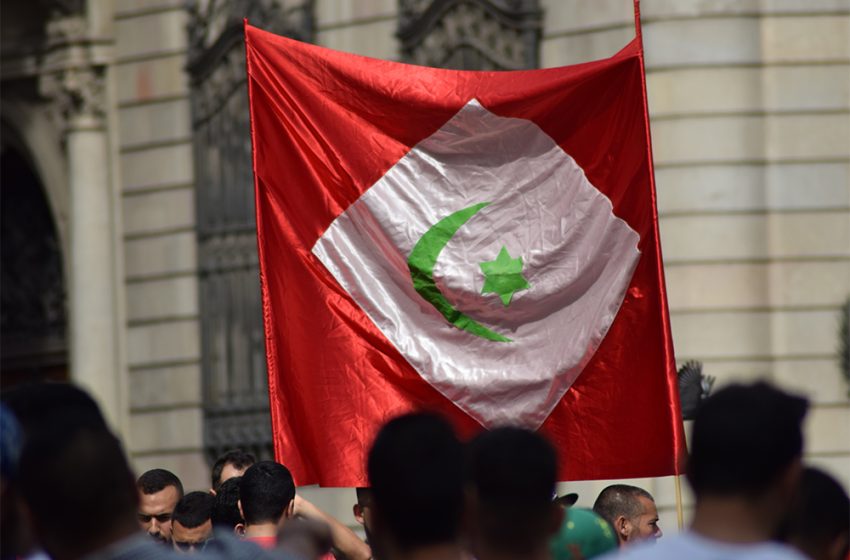
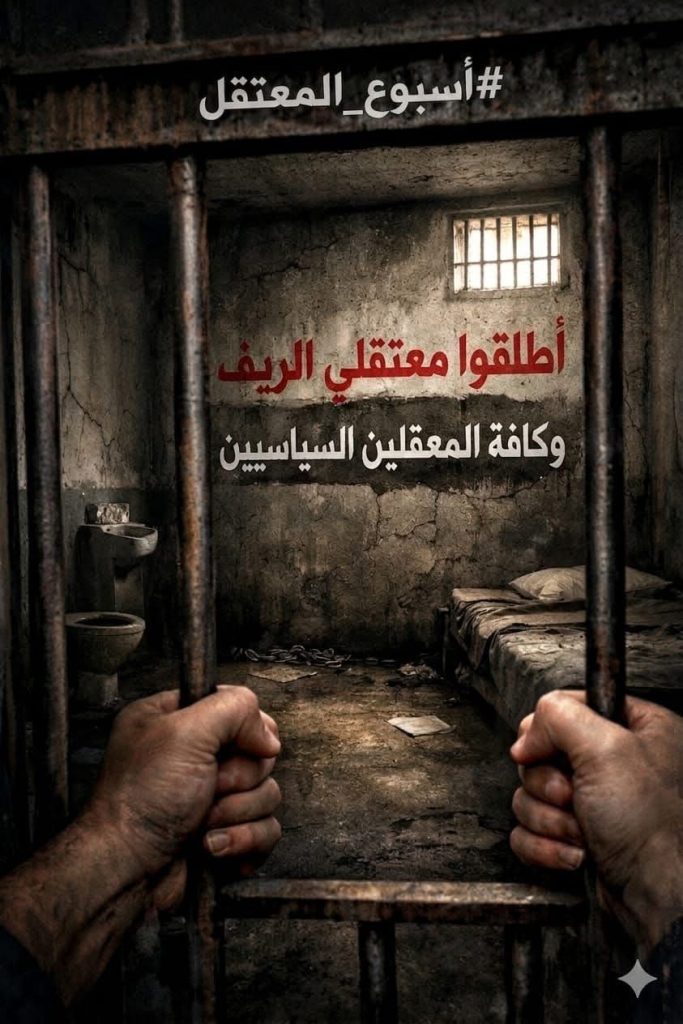
On April 21, 2026, the hashtag “Freedom for the Rif Protest Detainees” swept across social media platforms, reigniting one of Morocco’s most sensitive files. Human rights activists and campaigners, both inside and outside the country, launched a new international digital initiative under the banner “Prisoners’ Week”, aiming to remind the world that the issue of political detainees is far from over, and that solidarity remains alive despite the passing years.
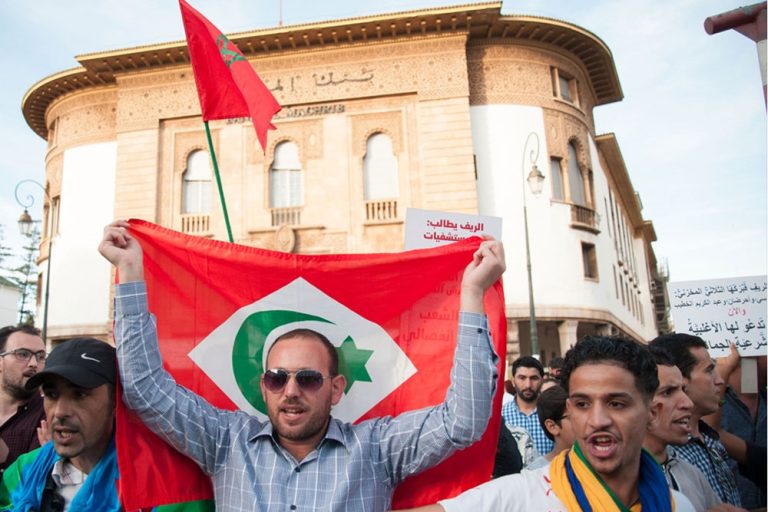
The campaign relies on intense online engagement: publishing photos of detainees, sharing posts that recall their plight, and encouraging broad participation throughout the week. The goal is clear—apply pressure for their release and break the wall of silence that the authorities attempt to maintain.
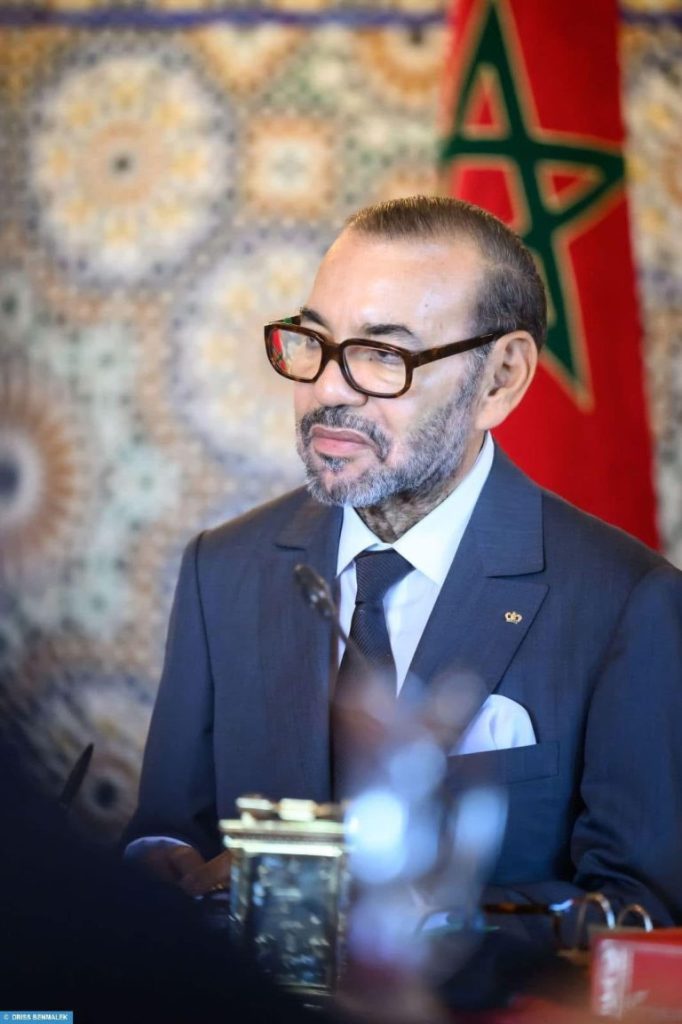
The Moroccan Monarch, Mohammed VI
Among the voices joining this effort was Moroccan activist Mohamed Kandil, currently based in Iceland. On his official social media page, he wrote:
“I, Mohamed Kandil, blogger and independent human rights and political activist, join the call of the living conscience—‘Prisoners’ Week’—launched by free voices from inside and outside Morocco. It is a moral and human duty that cannot be delayed or bargained away.”
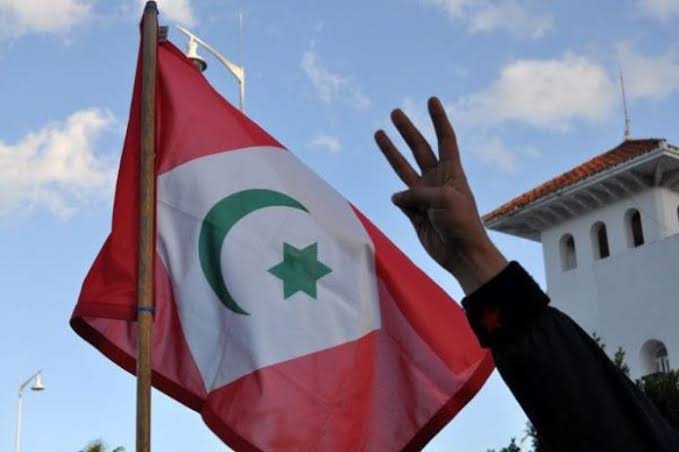
Kandil added that only free voices can break the wall of fear, expose injustice, and pave the way toward dignity and justice. For him, this campaign is not just symbolic solidarity but a clear stance: “There is no legitimacy for the repression of freedoms, and no future for a state built on prisons.”
It is worth recalling that on April 5, 2019, the Casablanca Court of Appeals upheld a 20-year prison sentence against activist Nasser Zefzafi, leader of the Rif Movement, along with final sentences ranging from one to twenty years for other detainees. Since his arrest in May 2017, Zefzafi has staged several hunger strikes to protest the harsh prison conditions and to demand freedom for himself and his fellow Rif detainees.