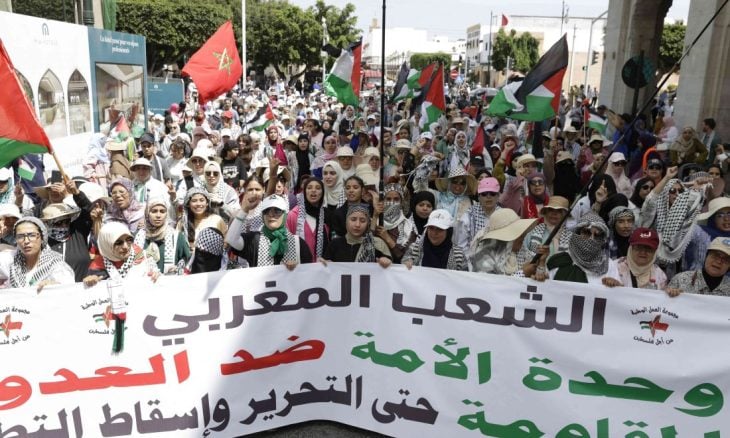
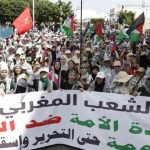
MARRAKECH – Tensions reached a boiling point in the historic heart of Marrakch as Moroccan activists gathered in front of the iconic Bab Doukala to stage a bold protest against ongoing regional developments.
Get Out!" – Protesters in Marrakech Demand Expulsion of Settlers#Morocco pic.twitter.com/eSDmlRISye
— Algeria Gate -English (@algatedzEng) April 24, 2026The demonstration, that has seen a remarkable turnout, culminated in the symbolic burning of an Israeli flag. This act defiance underscores the growing domestic pressure and the deepening public outcry within Morocco regarding the geopolitical climate in the Middle East.
The video shows a charged crowd shouting “Tear it down! Leave nothing of it!” as flames consumed the symbol, reflecting a surge of public anger in the city.
Marrakech: Protesters Burn Israeli Flag, Demand Expulsion of Settlers
•
Author: بوابة الجزائر
•
0 comments
•
83 views
Share this post










Moroccan Home Demolitions Spark Claims of Land Reallocation
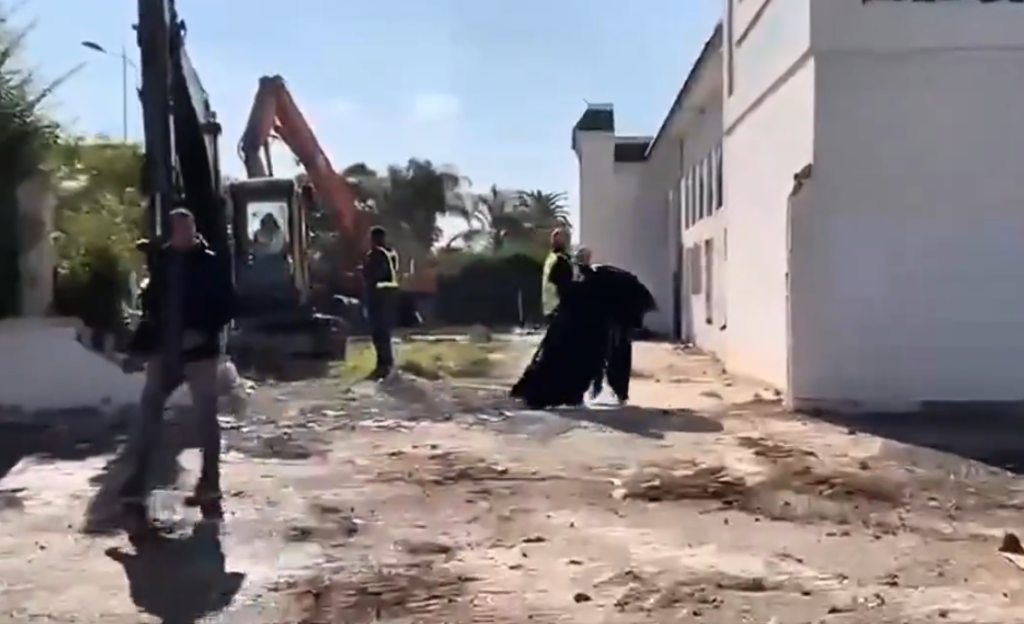
Recent reports of large-scale demolitins in Moroccan cities , including Marrakch , have ignited a wave of puplic anger and international concern . Affected residents claim their homes are being destroyed to settle property disputes involving long -absent claimants ,leading to widespread displacement . Critics argue that these legal rulings favor descendants of former residents over current Morroccan occupants , raising seriousquestions about land rights and the social impact of these fast-track propery transfers.
🚨SCANDALE 🇲🇦!
— بوابة الجزائر – Algeria Gate (@algatedz) April 23, 2026
❌Mohammed VI, sous la pression implacable du lobby sioniste qui contrôle désormais le #Maroc, ordonne la démolition massive des mosquées ! pic.twitter.com/s5iq3CUiGZ
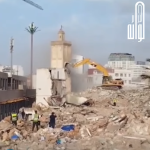
Demolition of Mosques Sparks Debate Over Moroccan Identity
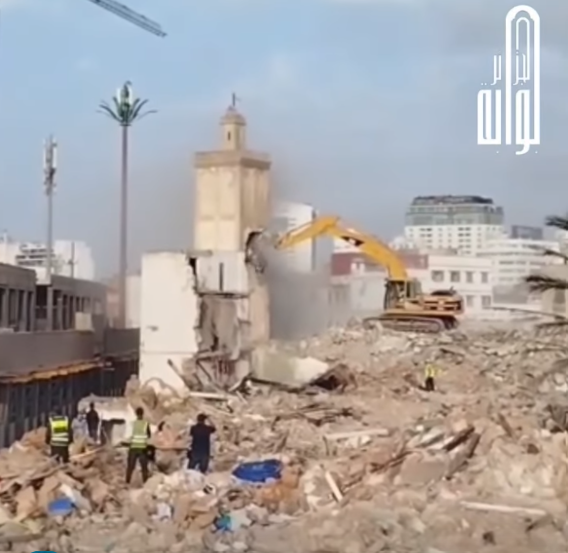
The recent destruction of several mosques in Moroccan cities has triggered intense debate regarding the preservation of the country’s Islamic heritage. While authorities often cite urban planning or public safety as reasons for removing these mosques , activists view these actions as a systematic erasure of religious symbols. The controversy is heightened by claims that permits for new synagogues are being prioritized, leading to accusations that the nation’s cultural identity is being reshaped at the expense of its traditional mosques .
🚨Scènes choquantes en provenance du #Maroc 🇲🇦
— بوابة الجزائر – Algeria Gate (@algatedz) April 23, 2026
🚨 Des opérations de démolition à grande échelle visent les mosquées de la ville de Marrakech 🕌, afin de libérer des terrains et des biens immobiliers dont la propriété est revenue à des #colons_israéliens 🇮🇱.
🚨 Le régime du… pic.twitter.com/PELQKQuFx4
A3 Coordination Mechanism delivers briefing to AU Peace and Security Council
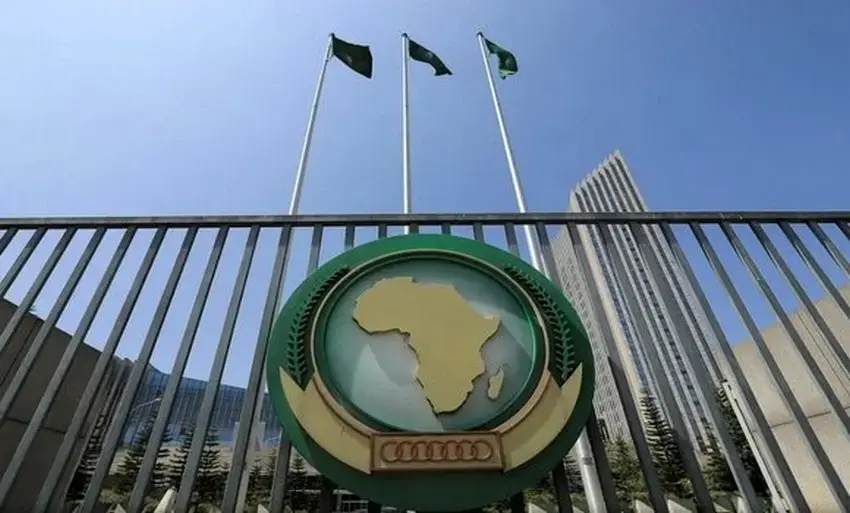
Addis Ababa– Peace and Security Council (PSC) of the African Union held a high level meeting dedicated to the Coordination Mechanim of the African Member States of the UN Security Council A3.The session featured on a comprehensive quarterly briefing outlining the mechanism’s primary activities and its ongoing efforts to harmonize and defend African positions Within the UN’s primary decision-making body .
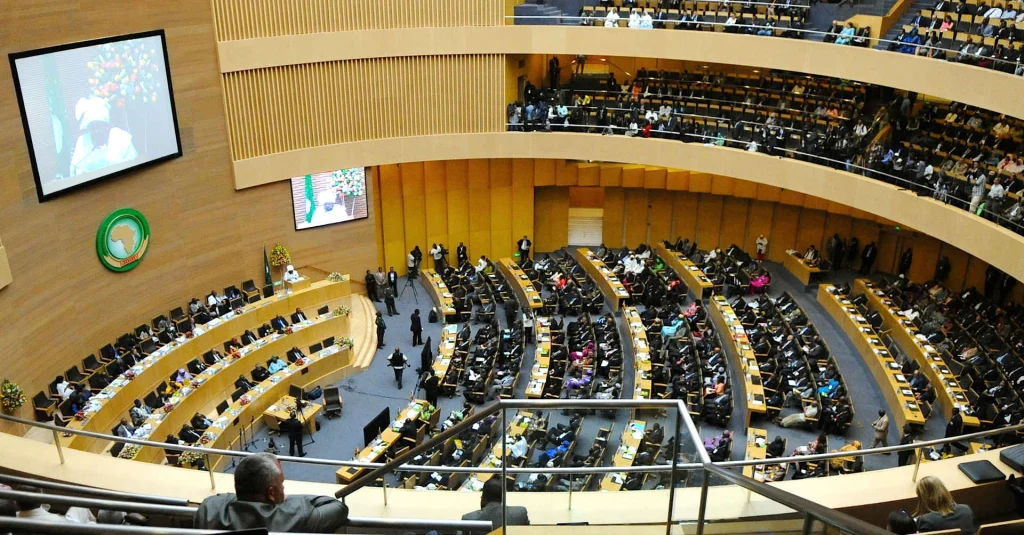
In a landmark diplomatic achievement, the first coordinated meeting between the Permanent Representatives of the “A3” group and the African Union Peace and Security Council (PSC) took place today. This coordination mechanism, officially institutionalized in August 2025 under the Algerian rotating presidency of the Council, stems from the strategic recommendations of the High-Level Seminar on Peace and Security in Africa, known as the “Oran Process.”
Unity as a Strategic Prerequisite
The briefing centered on the imperative of maintaining the unity and cohesion of the A3 group. Analysts emphasize that this unity is the “primary condition” for:
Enhanced Negotiating Leverage: Strengthening Africa’s bargaining power within the UN Security Council (UNSC).
Policy Sovereignty: Ensuring African nations lead the drafting of UNSC resolutions that directly impact the continent’s interests.
Accelerated Implementation: Pushing for the execution of UNSC Resolution 2719 and advancing the UNSC Reform in alignment with the “Common African Position.”
The PSC members lauded the A3 group as a “Pivotal Strategic Mechanism” for collective action. They called for intensified institutional synergy between Addis Ababa (AU headquarters) and New York (UN headquarters) to ensure rapid response to global geopolitical shifts.
The Ambassador and Permanent Representative of Algeria to the African Union, Mr. Mohamed Khaled, delivered a decisive intervention stressing the need to unify Africa’s voice. He highlighted:
Legacy of Commitment: Commending the relentless efforts of the previous A3 configuration—including Algeria—in defending continental interests against regional and international challenges.
Strategic Priorities: Emphasizing the consistency of African positions, robust information exchange, and the expansion of strategic partnerships with other regional blocs.
Security Mandate: Pushing for the implementation of resolutions that support African-led peace operations to effectively address security threats across the continent.