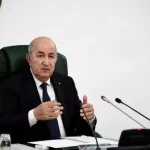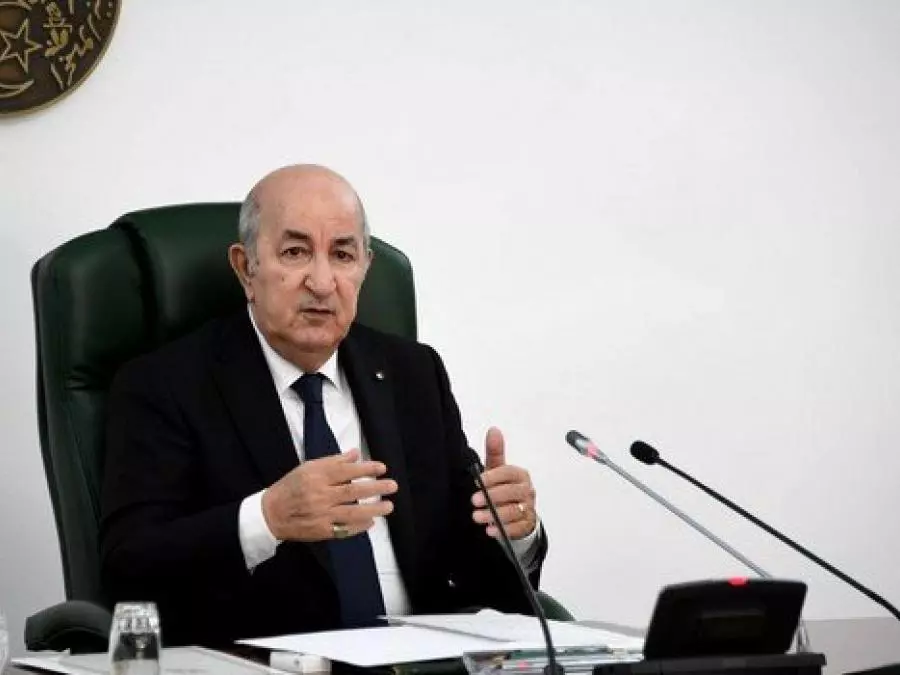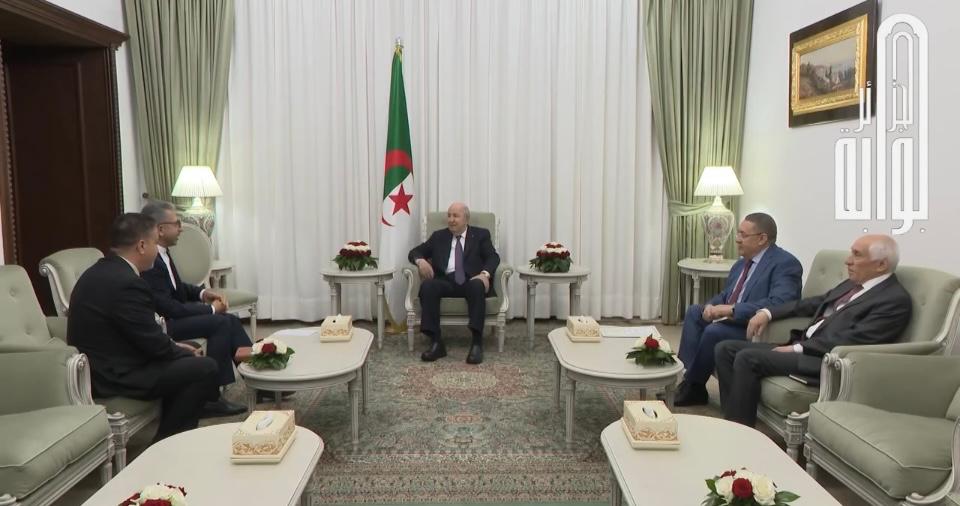


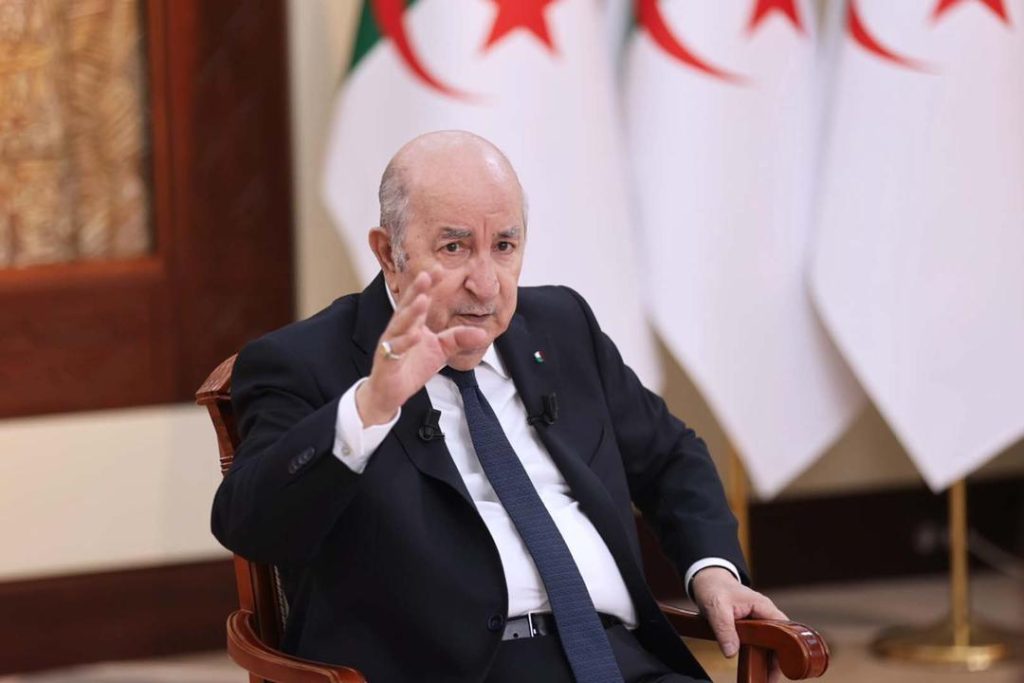
ALGIERS— In a decisive move to safeguard national financial reserves and foster economic self-reliance, Algerian President Abdelmadjid Tebboune has issued a series of executive directives aimed at drastically reducing the country’s import bill.
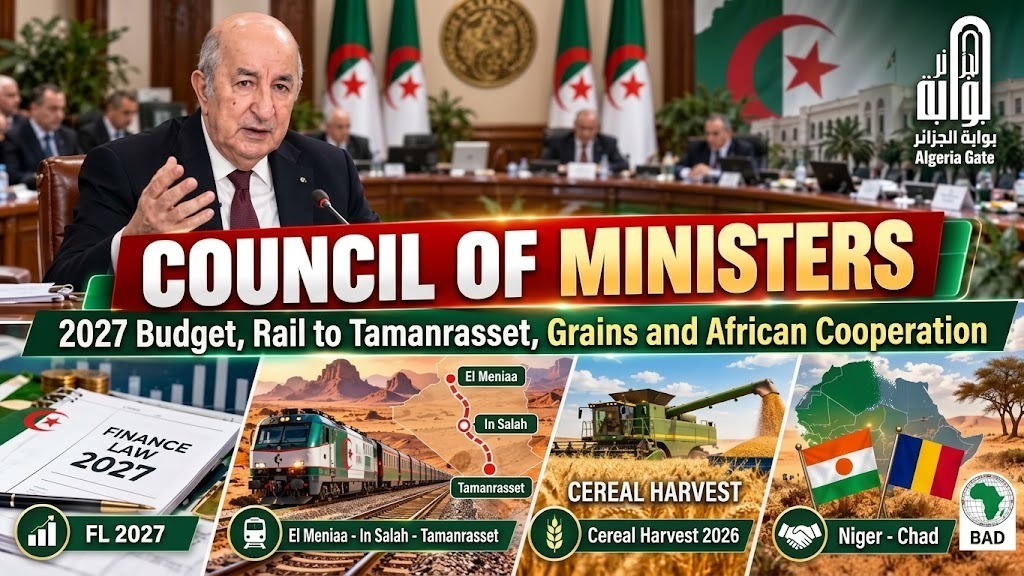
The instructions, delivered during the latest Council of Ministers meeting, underscore a strategic shift towards prioritizing local manufacturing and restricting the influx of non-essential foreign goods. President Tebboune emphasized that lowering import dependency is not merely a fiscal necessity, but a cornerstone of Algeria’s economic sovereignty.
Key Directives Issued by the Presidency:
- Rationalization of Imports: The President ordered a rigorous review of import licenses, mandates, and quotas, ensuring that foreign procurement is strictly confined to essential goods and raw materials that cannot currently be sourced domestically.
- Empowering Local Industries: Government sectors have been instructed to provide unparalleled support to national manufacturers, SMEs, and startups to fill the supply gaps in the domestic market.
- Combating Invoicing Fraud: Tightened regulatory oversight and stricter customs auditing will be implemented to counter over-invoicing practices, which have historically drained foreign currency reserves.
- Inter-Sectoral Coordination: A mandate was established for closer cooperation between the Ministry of Commerce, the Ministry of Industry, and financial institutions to streamline the transition toward import substitution.
Economic analysts view these directives as an accelerated push toward structural economic reforms. By tightening control over foreign expenditures, the Algerian government aims to stimulate domestic investment, generate sustainable employment opportunities, and build a more resilient, diversified economy capable of withstanding global market fluctuations.