
Saturday, 6 June 2026 02:17 Algiers time
Algeria Gate
News Room
Trans-Saharan Gas Pipeline: Launch of the Algerian Section Works Before the World Finds Out: Discover Algeria Now Algeria Conquer Rotterdam A Night That Shook Europe Algeria at the Heart of Africa: Niamey Power Plant Reflects Growing Regional Influence Algeria and Latin America: A South–South Partnership Preparing for a “Major Takeoff” Phase Political Purge: How Mohamed bin Zayed Executed the Era of the Brothers to Impose ‘Khaled’ Petkovic Intensifies Preparations & Unveils Squad Ambitions Ahead of Rwanda & Sweden Friendlies Trans-Saharan Gas Pipeline: A Strategic Project Redrawing the Energy Map Between Africa and Europe Algeria’s Defense Chief General Saïd Chanegriha’s Visit to Oman: Quiet Diplomacy in an Era of Loud Polarization” Arkab in Paris: Energy as a Bridge Between Two Capitals in Search of a New Equilibrium
Share this post

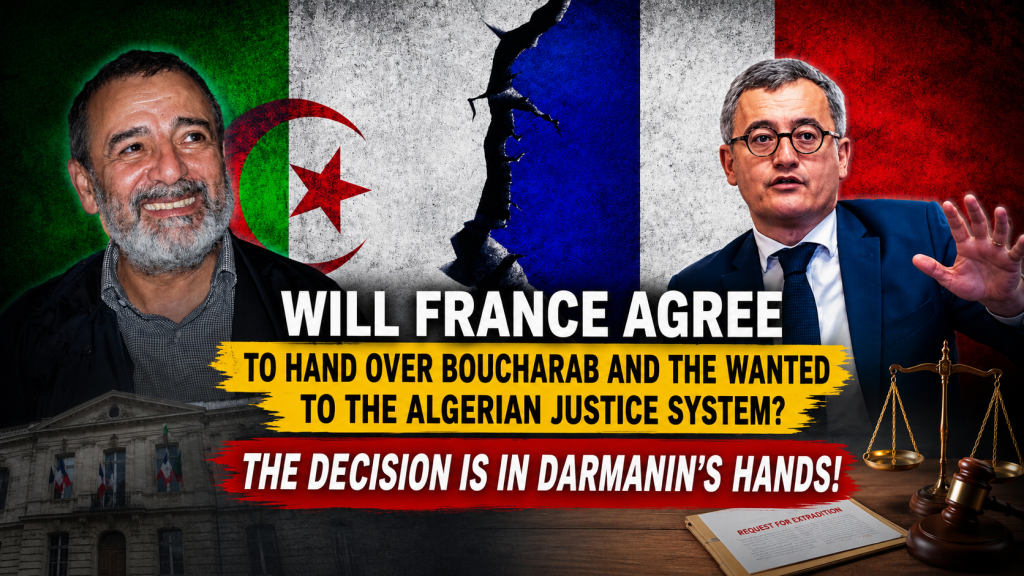
Will France give in to Algeria’s demands to extradite criminals from Abdelaziz Bouteflika’s era?

Published on 17 May 2026 at 11:52 (local time) Author: بوابة الجزائر 0 comments 44 views
Will France give in to Algeria’s demands to extradite criminals from Abdelaziz Bouteflika’s era?

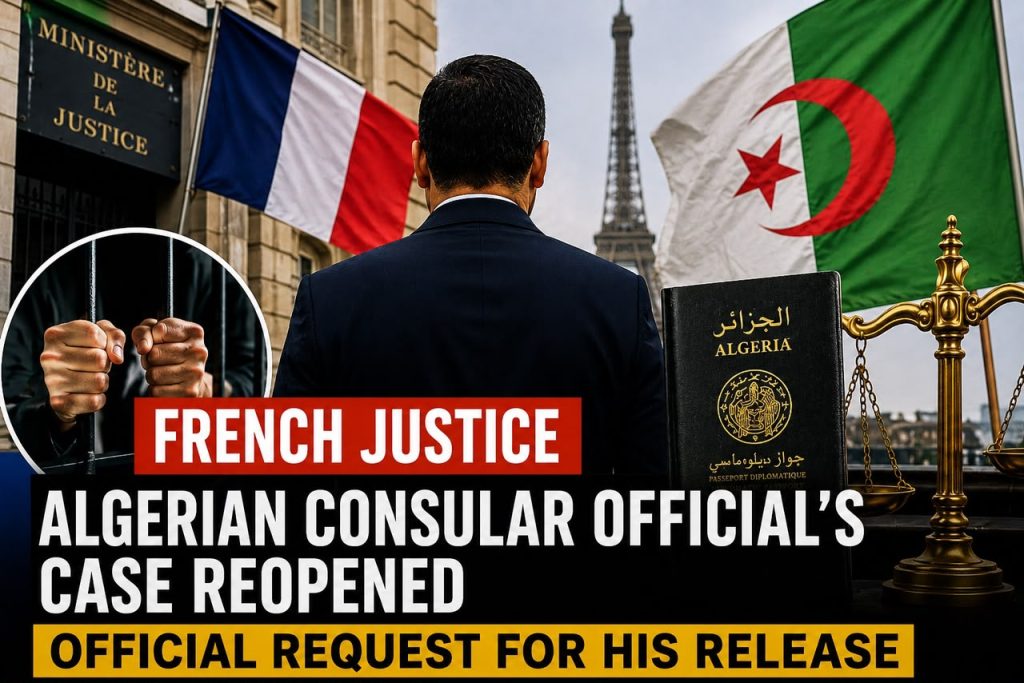
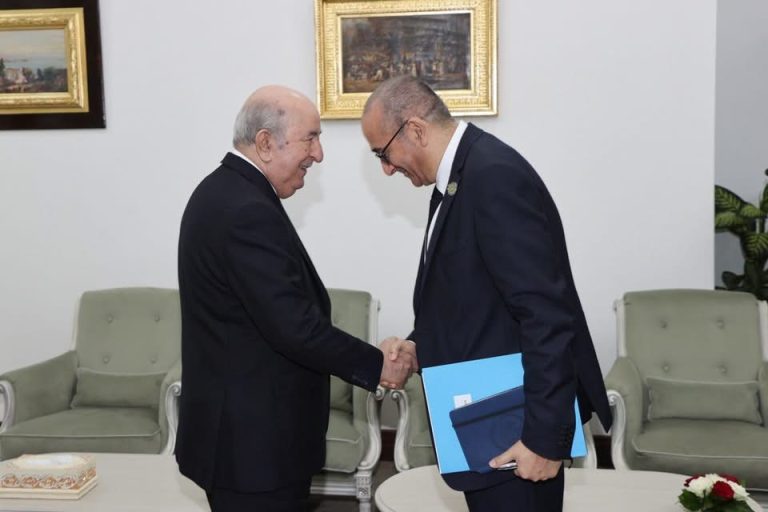
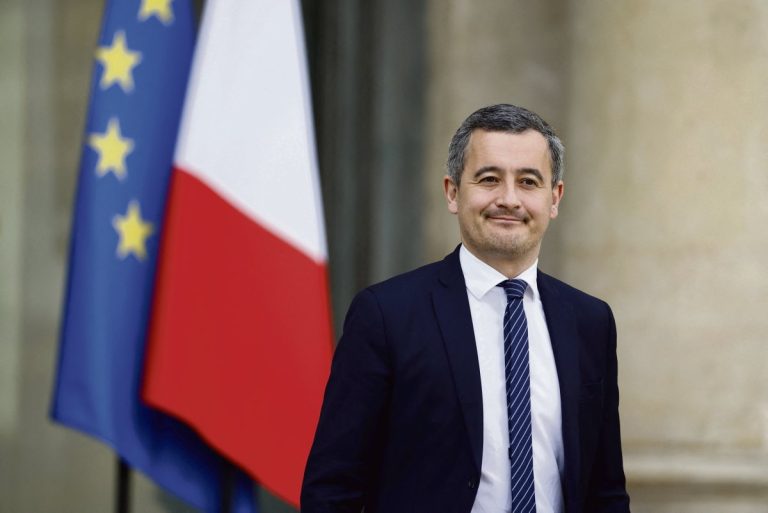
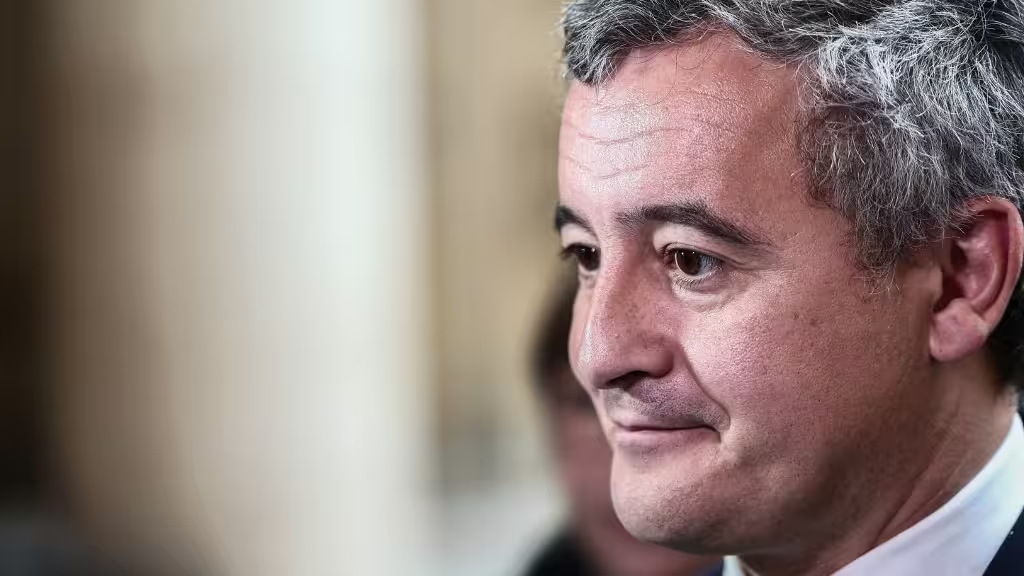
Algeria News portal: French Justice Minister Gérald Darmanin’s arrival in Algiers has immediately reignited sensitive debates. Algeria is pressing France to act on long‑pending extradition requests, particularly against figures tied to corruption under former President Abdelaziz Bouteflika, such as ex‑Industry Minister Abdessalam Bouchouareb. Others sought include members of groups Algeria designates as terrorist organizations — MAK and Rachad — as well as activists accused of undermining state institutions.
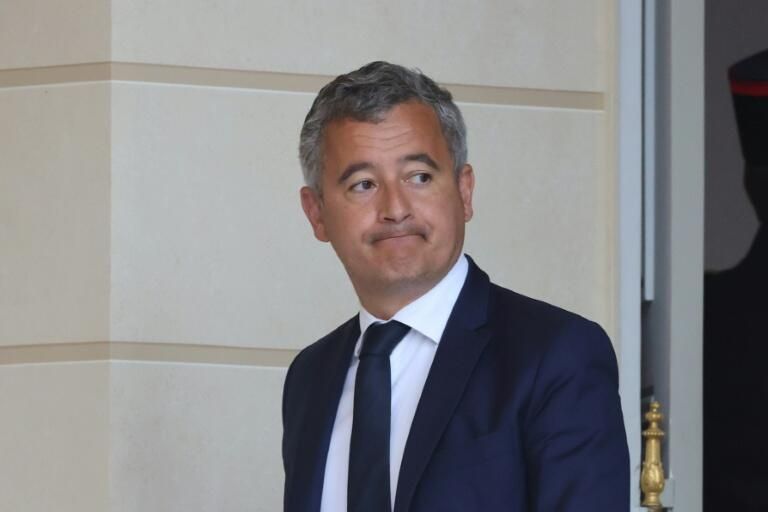
The visit is framed as a push for deeper judicial cooperation, but the stakes are high. Algeria insists France has stalled too long on extradition cases and asset recovery linked to corruption. President Abdelmadjid Tebboune has repeatedly voiced frustration over Paris’s refusals, which extend beyond corruption cases to terrorism‑related charges.
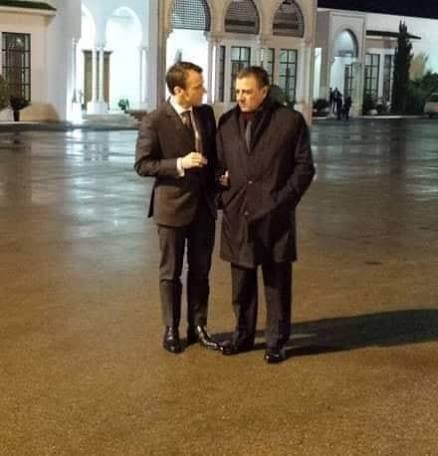
Darmanin’s delegation includes senior magistrates specializing in organized crime and financial prosecutions, signaling that France wants to show seriousness. Yet the detention of French journalist Christophe Guélez in Algeria remains a delicate issue, drawing media attention in Paris and adding pressure to the talks.
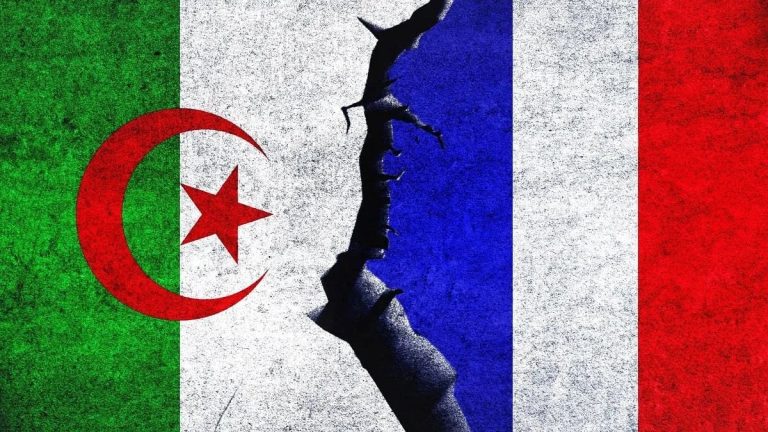
Algeria’s demand for Bouchouareb’s extradition is especially pressing: six separate motions have been filed, with courts handing down multiple sentences of 15–20 years in absentia. For Algiers, the credibility of this visit depends not on speeches but on whether France finally responds to these unresolved legal requests.
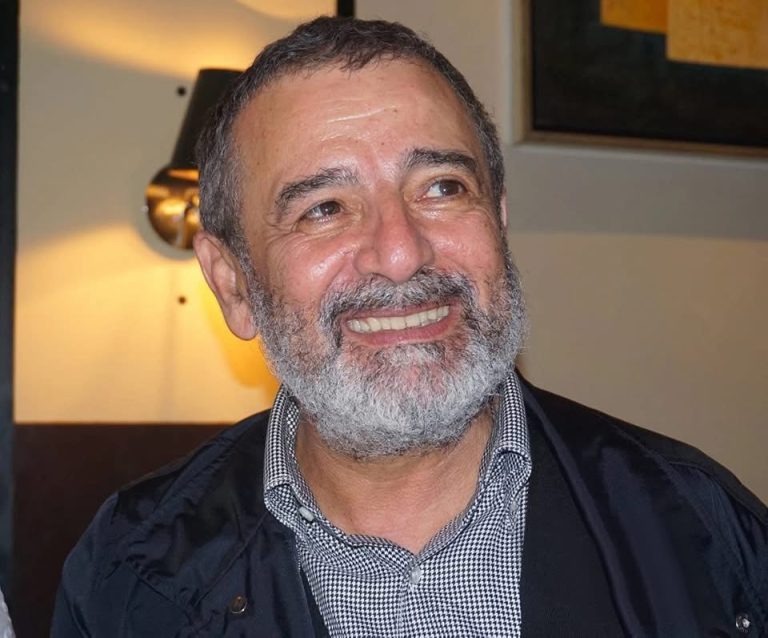
The trip comes after months of strained ties, now cautiously easing following earlier visits by French officials. Still, the outcome will hinge on whether Paris moves beyond symbolic gestures and delivers concrete cooperation on corruption, terrorism, and judicial matters.

#Algeria#France
Author
بوابة الجزائر

Leave a comment

Your email address will not be published. Required fields are marked *

French press
Share this post

Algerian Interior Minister set to visit France, with major issues on the agenda

Algerian Interior Minister set to visit France, with major issues on the agenda

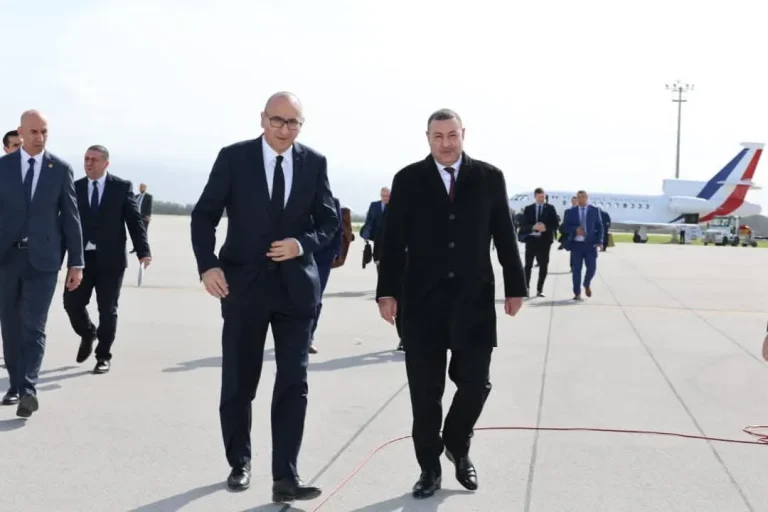
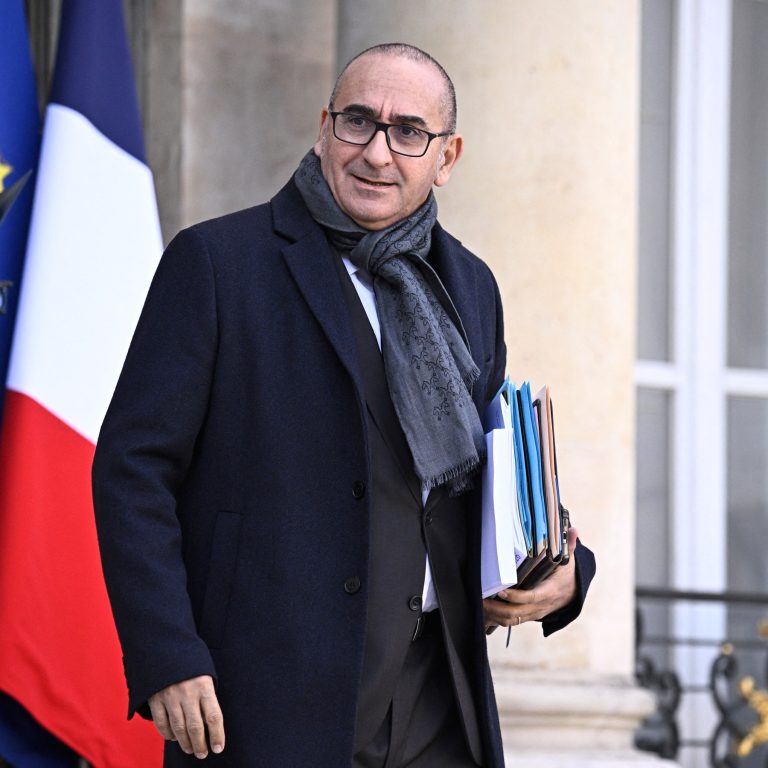
Algeria News Portal: Algerian Interior Minister Saïed Saïoud is set to make a trip to Paris within the coming days, which will mark the first of its kind in several years according to statements made by his French counterpart, Laurent Nunez.

According to Nunez, in comments to the French publication, *La Tribune Dimanche*, he expects to receive in Paris in the coming days the interior minister of Algeria to restore security cooperation between both states.

France, according to the French minister, is “forced to hold dialogues with Algeria” on matters concerning security and migration issues given that France has extensive expertise in those matters of security and intelligence,” pointing out that it is vital to maintain such cooperation with them.

Nunez went on to say that the exchange of information channels on issues related to drug traffickers and organized crime between France and Algeria has also been restored.

The statement came after the announcement by French minister of Justice, Gérald Darmanin that he was set to visit Algeria as part of efforts to write a new chapter of relations between France and Algeria, as a way to mend fences and sort out their issues after a rift that lasted more than two years due to a crisis caused by the Élysée Palace and the far right.

French minister of Justice, Gérald Darmanin

#Algeria#France
Author
بوابة الجزائر
Algeria
Share this post

French Justice Minister Gérald Darmanin Set for Crucial Talks in Algiers on Monday

French Justice Minister Gérald Darmanin Set for Crucial Talks in Algiers on Monday

Discussions to center on counter-terrorism, judicial cooperation, and the sensitive case of detained French citizen Christophe Gleizes.

ALGIERS – French justice Minister Gérald Darmanin is scheduled to arrive in Algiers on Monday, May 18, for a high-level official visit aimed at strengthening bilateral judicial ties and addressing critical security issues, the Ministry of Justice confirmed to France Inter on Saturday.

During his visit, the French Keeper of the Seals will hold extensive talks with senior Algerian officials, including his counterpart, Algerian Minister of Justice Lotfi Boudjemaa.

According to the ministry’s cabinet, the official agenda will cover several key areas of mutual interest, including

  • Judicial Cooperation: Enhancing bilateral legal frameworks and extradition protocols between Paris and Algiers.
  • Security & Organized Crime: Coordinating joint efforts to dismantle cross-border drug trafficking networks and combat organized crime syndicates.
  • Counter-Terrorism: Strengthening intelligence-sharing and strategic security partnerships.

The Case of Christoph Gleizes

In addition to institutional security cooperation, the trip will feature sensitive diplomatic negotiation regarding individual legal disputes.

“Sensitive individual cases will also be discussed, specifically the case of our compatriot Christophe Gleizes, who is currently incarcerated in Algeria,” the ministry’s cabinet stated.

The visit comes at a pivotal moment as both Paris and Algiers continue navigating complex diplomatic efforts to turn the page on two years of strained bilateral relations.

#Algeria#France
Author
بوابة الجزائر
Algeria
Share this post

From Rivalry to Recognition: Has Paris Finally Bowed to Algeria’s Historical Terms?

From Rivalry to Recognition: Has Paris Finally Bowed to Algeria’s Historical Terms?

The arrival of a high-level French delegation to the commemorations of the May 8, 1945 massacres in Sétif was not a gesture of diplomatic courtesy. It was a scene heavy with symbolism: the former colonial power standing before the memory it spent decades attempting to suppress. For the first time in years, Paris appeared less like a dominant partner and more like a state cornered by the weight of history itself.

Algeria did not request recognition. It imposed it.

For decades, France tried to bypass the “Memory Files,” treating colonial history as a secondary matter overshadowed by trade deals, strategic interests, and political pragmatism. But the Algeria of 2026 is no longer the Algeria Paris once viewed as its political backyard. Through the diversification of alliances and the strengthening of sovereign partnerships across East and West, Algiers shattered the old equation of dependence.

France suddenly discovered a harsh geopolitical reality:
there could be no privileged access to Algeria without historical accountability.

The message delivered by Algiers became unmistakable:
No strategic partnership without memory.
No economic interests without recognition.
No future while the crimes of the past remain buried.

And eventually, Paris understood.

The ceremony in Sétif carried the atmosphere of a silent political surrender. French officials — representing a state that long avoided confronting the massacres committed under colonial rule — stood before memorials honoring thousands of Algerian victims. The symbolism was impossible to ignore. The same republic that once attempted to erase these massacres from collective consciousness now found itself compelled to acknowledge them on Algerian soil.

This transformation did not emerge from sudden moral awakening.
It emerged from pressure.
From shifting balances of power.
From France’s growing fear of losing strategic influence in a region increasingly shaped by new global actors.

Algeria succeeded in transforming memory into geopolitical leverage — and the strategy worked.

What Paris once dismissed as symbolic or emotional demands have now evolved into unavoidable political realities. Files buried for decades beneath military secrecy — from the consequences of nuclear testing in Reggane to the fate of the disappeared — are no longer untouchable subjects. France now finds itself reacting to Algerian conditions rather than dictating the terms of engagement.

Even inside France, political currents built on colonial nostalgia and hostility toward Algeria appear increasingly weakened by this new diplomatic reality. The era in which Paris monopolized influence over the relationship is visibly fading.

Today, France faces a historic dilemma:
either confront the full brutality of its colonial legacy, or gradually watch its influence diminish in a new Algeria that no longer seeks approval from former powers.

The balance has changed.

This is no longer the era of French dominance.
It is the era of Algerian conditions.

And in this confrontation between memory and denial, history itself has forced Paris to bow.

#Algeria
Author
yasmine ouazib