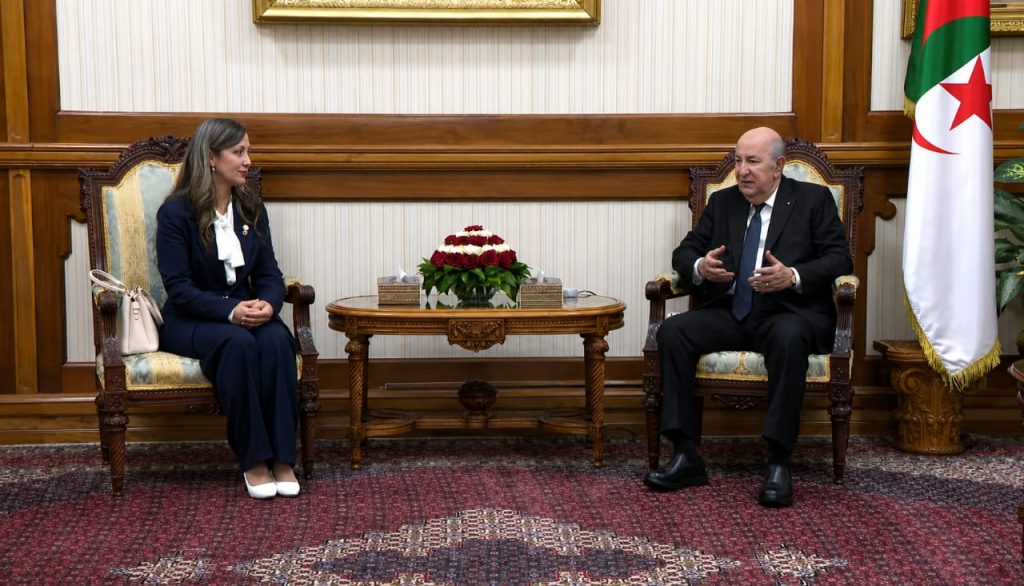
President Tebboune Honors Dr. Khalida Boufdach Following Her Historic Election as Speaker of Parliament
•
Author: بوابة الجزائر
•
0 comments
•
40 views
Share this post

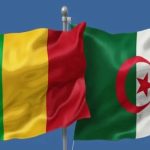








Algeria’s Narrative on the Mali Crisis: Not Interference, But a Targeted Blow to Bilateral Coordination
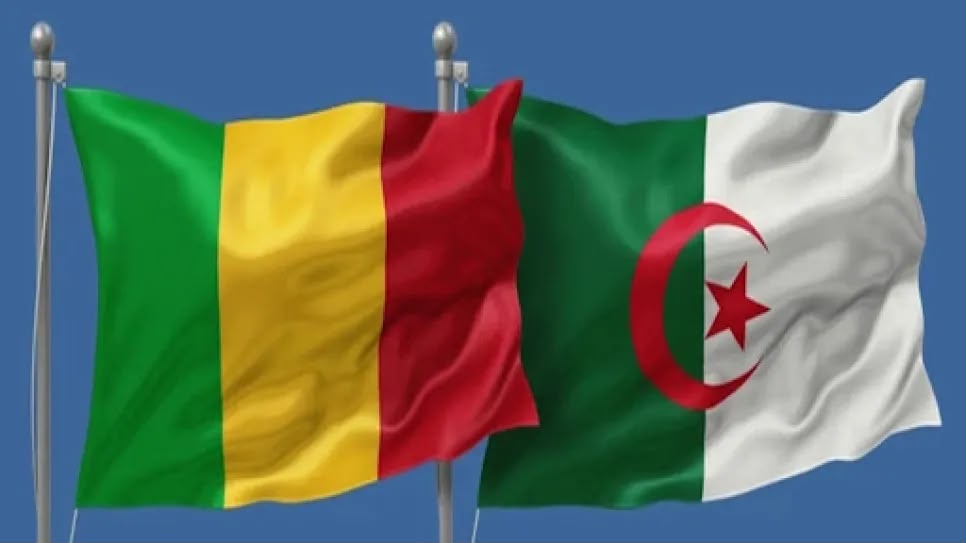
Algeria gate; The crisis that shook Algerian–Malian relations was no passing diplomatic dispute, nor the result of any Algerian interference in Mali’s internal affairs as some have tried to suggest. It emerged instead from a broader effort to push Bamako away from Algeria and weaken coordination channels the two countries had built over decades.
President Abdelmadjid Tebboune was unequivocal on this point: Algeria “has not and will not interfere” in Mali’s internal affairs, explicitly rejecting attempts by some to frame Algerian support for Bamako as interference. Algeria’s policy toward its neighbors rests on a fixed principle: respect for national sovereignty, and support for political solutions and dialogue particularly in the Sahel, a region facing security challenges that no single state can address alone.
The recent crisis, marked by unprecedented tension in bilateral relations, was not a reflection of any shift in Algerian foreign policy. It was the product of external efforts aimed at isolating Mali from one of its most traditional partners and undermining cooperation mechanisms that had proven their security and diplomatic value for years. This explains why these developments drew such wide attention across the Sahel regional actors understand that no attempt to redraw the balance of relations in the region can bypass Algeria.
Events have borne out this narrative: after months of rupture, relations returned to their normal course in July 2026 with the return of both ambassadors and the reopening of airspace practical proof that the rift between the two countries was externally imposed and temporary, not a strategic choice by either side.
Tebboune’s Pre-Released Interview Excerpts Highlight Algeria’s Stance on Sovereignty Regional Security, and Foreign Relations
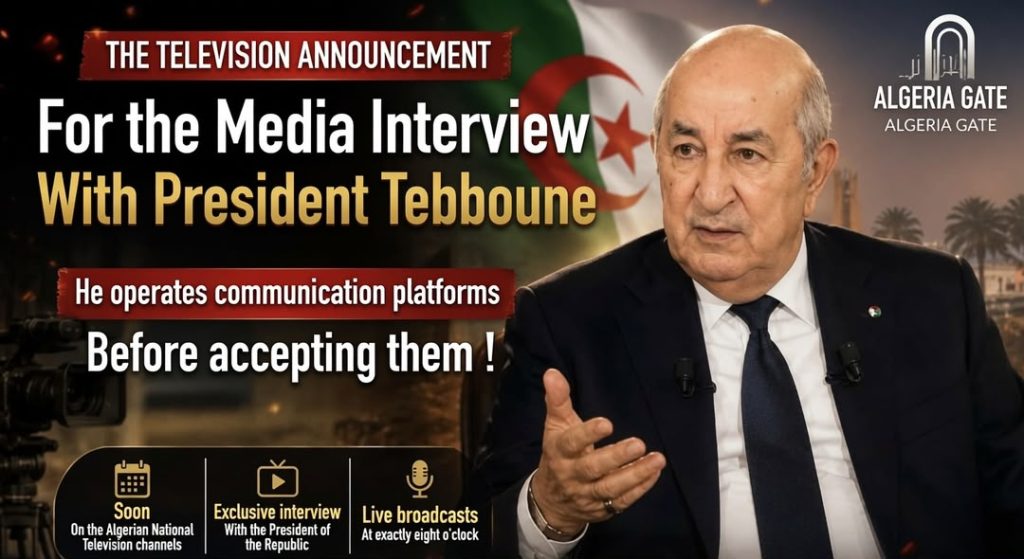
ALGERIA GATE Attention is focused on Algerian President Abdelmadjid Tebboune’s televised interview, scheduled to air this evening, following the release of several excerpts that outline Algeria’s positions on key domestic, regional, and international issues.
Among the most notable statements, President Tebboune affirmed that no Algerian president has ever requested a larger French visa quota or negotiated the issue with Paris. He also stressed that Algeria has never asked France for an official apology, underscoring that relations between the two countries should be based on mutual respect and national sovereignty.
On regional security, Tebboune delivered a firm message regarding neighboring Tunisia, declaring that anyone seeking to threaten the country through terrorism would face a decisive response. The remarks reaffirm Algeria’s longstanding commitment to preserving stability and security across the region.
The excerpts also indicate that the interview will address a wide range of strategic topics, including Algeria’s foreign policy, regional developments, national security, and broader geopolitical challenges.
The full interview, set to be broadcast tonight, is expected to provide further insight into Algeria’s diplomatic priorities, domestic reforms, and its vision for addressing current regional and international issues.
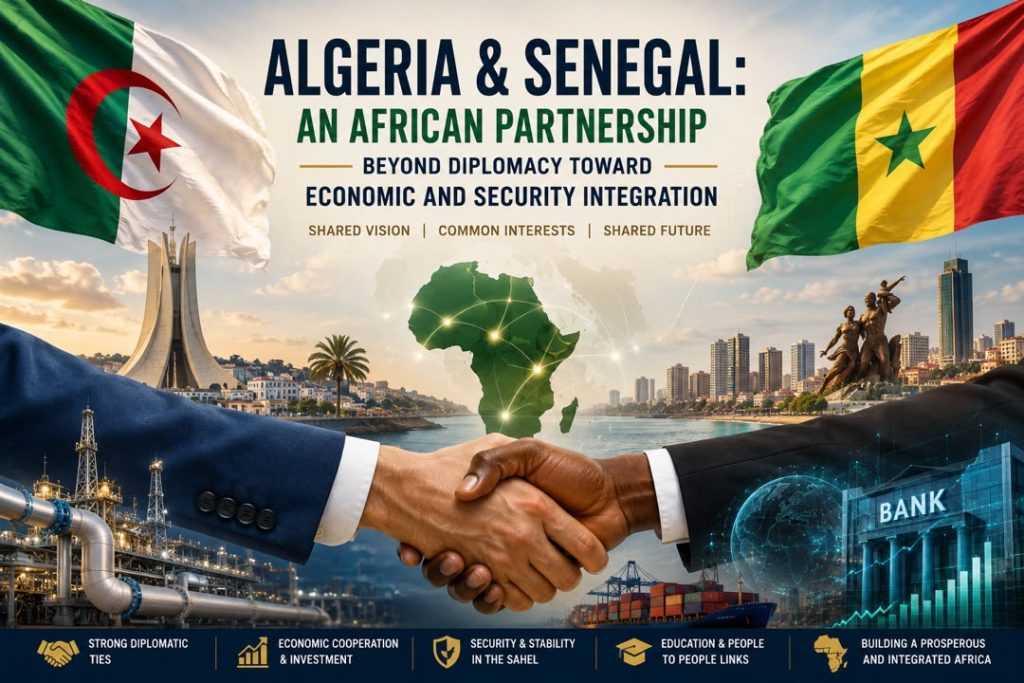
Algeria and Senegal: A Strategic African Alliance
Algerian Minister of State, Minister of Foreign Affairs, National Community Abroad and African Affairs Ahmed Attaf received his Senegalese counterpart, Cheikh Niang, Minister of African Integration and Foreign Affairs, on Sunday during a working visit to Algiers.
The visit included a one-on-one meeting between the two ministers, followed by expanded talks attended by members of both delegations. Far from being a routine diplomatic engagement, the visit served as an opportunity to assess the current state of bilateral relations and explore new avenues for cooperation in sectors ranging from hydrocarbons and energy to pharmaceuticals, finance, and higher education.
Historic Ties and a Shared Role Within the African Union
Algeria and Senegal are long-standing diplomatic actors on the African continent, sharing a history of cooperation within the African Union and converging positions on major African issues, including regional stability and collective security.
During their meeting, both ministers agreed on the importance of revitalizing bilateral cooperation mechanisms by preparing for the next session of the Algeria–Senegal Joint Commission before the end of the year and relaunching the Algerian–Senegalese Business Council, with the aim of injecting new momentum into bilateral relations.
The Sahel: A Shared Security Priority
Security featured prominently in the discussions, with both sides exchanging views on regional and international developments, particularly the evolving situation in the Sahel.
The convergence of Algerian and Senegalese perspectives reflects a shared understanding that stability in the Sahel is essential for the security and economic development of West and North Africa alike. Algeria’s geographic proximity to the region and Senegal’s strategic position in West Africa make cooperation on security issues a key pillar of their partnership.
Banking Expansion: Algeria’s Gateway to West Africa
Economic cooperation has become the most tangible expression of the growing partnership.
The Algerian Bank of Senegal (ABS), operational since late 2023, is preparing a major regional expansion by seeking authorization to open a branch in Niamey, Niger, followed by another in Côte d’Ivoire.
According to the bank’s management, the objective extends beyond commercial activity. The ambition is to transform the institution into a regional banking hub capable of strengthening financial integration and facilitating trade between Algeria and African markets.
In this context, Senegal represents more than a destination market it serves as a strategic gateway to West Africa. The bank has already attracted major Senegalese companies operating in key sectors such as industry and energy, giving Algerian capital a stronger foothold in a regional market of nearly 300 million consumers.
This banking expansion mirrors Algeria’s broader strategy across the continent. Similar initiatives, including the establishment of the Algerian Union Bank in Mauritania, illustrate Algiers’ determination to strengthen its financial presence in Africa, support non-hydrocarbon exports, and deepen economic integration with neighboring countries.
Political Coordination Beyond Bilateral Relations
The meeting also highlighted both countries’ commitment to advancing the African Continental Free Trade Area (AfCFTA).
The two ministers agreed to strengthen bilateral trade by taking advantage of the opportunities offered by the continental free trade framework, reflecting a shared determination to translate Africa’s integration agenda into practical economic cooperation rather than limiting it to political declarations.
A Model for African Integration
As Africa faces growing security and economic challenges, Algeria and Senegal appear determined to build a partnership that extends well beyond traditional diplomacy.
By combining political coordination, economic investment, financial connectivity, and security cooperation, both countries are positioning themselves as advocates of a more integrated and resilient Africa one where development, stability, and shared interests form the foundation of continental cooperation.