
Sunday, 6 September 2026 12:51 Algiers time
Algeria Gate
News Room
$50B Revival: Algeria Spearheads Africa’s Economic Awakening Tiny Emirate Trapped by Hormuz, Continental Algeria’s Oil Crushes UAE’s Fragile India Bet 5.6 Million Cubic Meters per Day by 2030… Algeria Moves Desalination to the Heart of the Economy Algerian “INATEL” Enters the New Kinshasa City Project Covering 43,300 Hectares From VIP Glitter on Screens… to the Dark Shadows of Drug Networks! Tiny Companies, Astronomical Figures: AI Exposes $130 Billion Import Scam in Algeria Algeria Declares War on Cartels: Cutting Supply Lines and Choking Cash Flow After Algeria… Morocco tries to flood Spain with 3 tons of cocaine! Emirati fixer in Spain on a last-ditch bid to rescue Ayoub Aissiou! UAE falls into the trap… Algerian retaliation is coming hard! Algeria-Qatar’s Baladna project pumps $1.2 billion into the treasury every year… and buries the French import lobby!
Share this post

From Rupture to Dialogue: Algeria’s Diplomatic Prudence Brings Mali Back to the Path of Strategic Partnership

Author: yasmine ouazib 0 comments 51 views
From Rupture to Dialogue: Algeria’s Diplomatic Prudence Brings Mali Back to the Path of Strategic Partnership

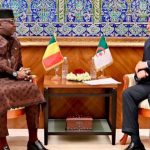
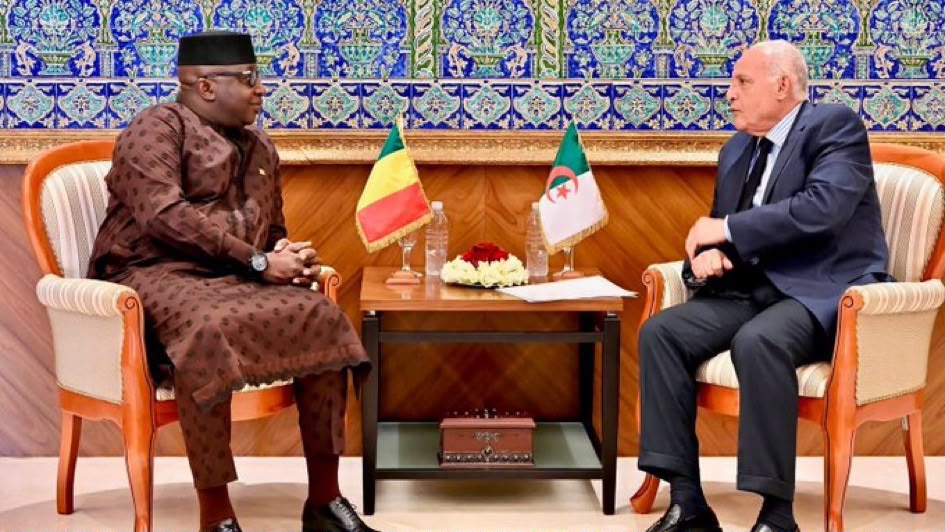
After months of an unprecedented diplomatic crisis, Mali has moved to restore its relationship with Algeria, underscoring Algiers’ enduring role as an indispensable pillar of stability in the Sahel. The visit of Algeria’s Minister of State, Minister of Foreign Affairs, National Community Abroad and African Affairs, Ahmed Attaf, to Bamako as the special envoy of President Abdelmadjid Tebboune highlighted how Algeria’s diplomacy characterized by strategic patience and consistency helped pave the way toward renewed engagement.

Algeria’s Steadfast Diplomacy Amid a Self-Inflicted Crisis

Bilateral relations deteriorated sharply following accusations and unilateral measures taken by the Malian authorities, including the withdrawal of their ambassador and the closure of Malian airspace to Algerian flights. These moves represented a serious escalation against a neighboring country that has historically played a central role in supporting Mali’s stability and security. Throughout the crisis, however, Algeria maintained its policy of restraint, preserving channels of communication and reaffirming that the security and stability of the Sahel remain a strategic priority above short-term political tensions.

Mali Returns to an Irreplaceable Regional Partner

Bamako’s decision to restore diplomatic representation in Algiers and reopen its airspace reflects a renewed recognition of Algeria’s strategic importance as a security and diplomatic partner. With decades of mediation experience, considerable regional influence, and a long shared border with Mali, Algeria remains a key actor in any security or political equation affecting the Sahel. Recent developments suggest that attempts to distance Mali from Algeria ultimately collided with the realities of geography and shared security interests.

Attaf Translates Algeria’s Vision into Practical Cooperation

Ahmed Attaf’s visit to Bamako carried significance well beyond diplomatic protocol. His meetings with Foreign Minister Abdoulaye Diop, as well as the Ministers of Defense and National Reconciliation, focused on strengthening bilateral cooperation, enhancing security coordination, supporting peace efforts in Mali, and reactivating dialogue mechanisms that had been suspended during the crisis. The discussions reflected Algeria’s long-standing preference for proactive diplomacy and practical solutions in addressing regional challenges.

The Sahel Needs Algeria More Than Ever

As terrorism, transnational crime, and geopolitical competition continue to intensify across the Sahel, Algeria has reinforced its position as one of the region’s most experienced and credible security actors. Its extensive border with Mali, decades of counterterrorism expertise, and sustained commitment to political mediation make it a pivotal partner in efforts to prevent further instability at a time when several external powers have reduced their engagement in the region.

Mali’s Return Reinforces Algeria’s African Diplomatic Standing

The normalization of relations further strengthens Algeria’s position as a leading diplomatic actor within the African Union and reaffirms its long-standing commitment to African solutions for African challenges. As Sahel states seek reliable regional partners amid an increasingly volatile geopolitical landscape, Algeria continues to project itself as a stable and credible actor, supported by decades of diplomatic engagement, regional mediation, and a consistent commitment to peaceful conflict resolution.

Author
yasmine ouazib

Leave a comment

Your email address will not be published. Required fields are marked *

African coast
Share this post

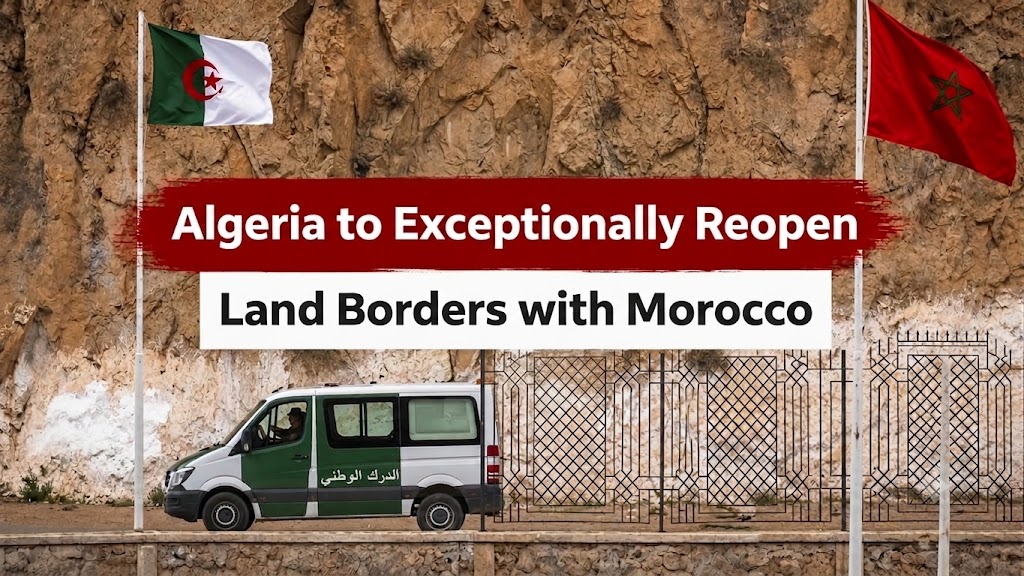
Algeria to Exceptionally Reopen Land Borders with Morocco

Algeria to Exceptionally Reopen Land Borders with Morocco

Algeria Gate: The Moroccan Makhzen regime received, on Tuesday, 24 Moroccans through the Zouj Bghal border crossing. They had been arrested by Algerian security services on charges of irregular migration, including 3 women.

For humanitarian reasons, the body of one deceased Moroccan in Algeria was handed over after the Moroccan consulate refused to take responsibility for the procedures to transfer his remains from Algeria to Morocco.

The deceased’s family in Morocco expressed their sincere thanks to the Algerian authorities for their humanitarian response, after the Moroccan consulate refused to handle the administrative and financial procedures for repatriating the body.

#Algeria#Morocco
Author
Lys Iwannughen
African coast
Share this post

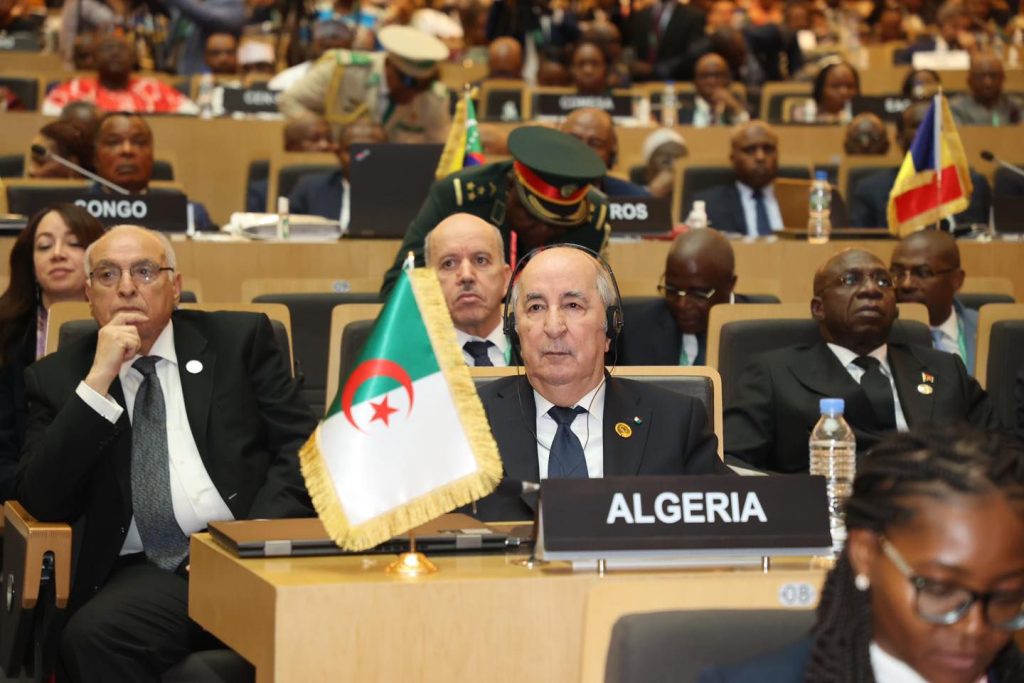
A Diplomatic Portfolio of Seven Seats: Algeria is Consolidating Its Influence within the African Union

A Diplomatic Portfolio of Seven Seats: Algeria is Consolidating Its Influence within the African Union

Addis Ababa Algeria has officially secured the chairmanship of a key diplomatic committee, alongside membership in six other African Union bodies, marking one of its most significant continental diplomatic achievements this year.

https://twitter.com/algatedzEng/status/2068653555494355116?s=20

Algeria continues to reinforce its position as a central diplomatic force within the African Union, with a broad set of high-level appointments across several of the organization’s structures a renewed confirmation of the strong confidence it enjoys among African partners.

In this context, Algeria’s Permanent Representative to the African Union, Ambassador Mohamed Khaled, will chair the Committee of Permanent Representatives on Human Rights, Democracy, and Governance, one of the AU’s most strategic bodies due to its role in supporting stability and strengthening governance frameworks across the continent.

Algeria has also expanded its institutional footprint through membership in several key committees, covering critical areas such as international nominations, the African Union Agenda 2063, environmental affairs, culture, youth and sports, communications and transport, as well as the continental operations office for combating irregular migration in Khartoum.

This broad and diversified positioning reflects the growing trajectory of Algeria’s role within the African space, highlighting its capacity to influence continental decision-making and actively contribute to shaping the African Union’s strategic priorities moving beyond protocol presence toward meaningful participation in defining the continent’s direction.

Author
yasmine ouazib
African coast
Share this post

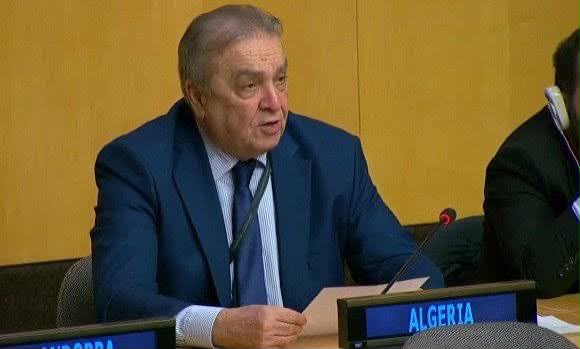
New Victory for Algerian Diplomacy: Amar Bendjama at the Head of One of the United Nations’ Most Important Bodies

New Victory for Algerian Diplomacy: Amar Bendjama at the Head of One of the United Nations’ Most Important Bodies

At a time when major powers compete for every influential seat within the United Nations system, Algeria has quietly secured one of the organization’s most prestigious leadership positions. The entire African continent, unanimously, has rallied behind a single Algerian diplomat. This is not merely an administrative promotion; it is a political message that Algeria today is helping shape decisions rather than simply receiving them.

A Historic Unanimous African Endorsement

The African Group of Ambassadors in New York unanimously endorsed Ambassador Amar Bendjama, Algeria’s Permanent Representative to the United Nations, as the next President of the United Nations Economic and Social Council (ECOSOC). The decision was made during a meeting of permanent representatives chaired by Malawi’s Permanent Representative in her capacity as Chair of the African Group.

https://twitter.com/algatedzEng/status/2067994992748986755?s=20

This unanimous endorsement by all 54 African states is not a mere procedural detail. It is a continental recognition of Algeria’s diplomatic weight and its ability to unite African countries behind a single name at a time when African positions are often fragmented by competing agendas.

Ambassador Bendjama is expected to officially assume the presidency from the end of July 2026 until July 2027, following his election by all UN member states during the session scheduled for 23 July 2026.

Following the endorsement, Bendjama expressed his deep gratitude to his African counterparts for their confidence in Algeria, emphasizing that this responsibility comes at a sensitive and complex moment for the global economy, particularly for developing countries facing financing shortages, rising debt burdens, economic shocks, geopolitical crises, food insecurity, technological disparities, desertification, and the consequences of climate change.

A Man Who Did Not Rise from the Shadows

Bendjama did not reach this position by chance, nor through a passing political moment. Born in El Koll, Skikda Province, in 1951, he graduated from Algeria’s National School of Administration in 1975 and has since pursued a diplomatic career spanning more than five decades.

He served as First Secretary in Moscow during the 1980s, Deputy Permanent Representative of Algeria to the United Nations, Ambassador to Ethiopia home to the headquarters of the African Union as well as Ambassador to the United Kingdom, Japan, and Belgium. He also represented Algeria to the European Union and NATO and served as Secretary-General of the Ministry of Foreign Affairs.

Few diplomats can claim a career that has taken them through New York, Addis Ababa, and Brussels the three capitals hosting some of the world’s most influential international and regional institutions.

https://twitter.com/algatedzEng/status/2068097153117946089?s=20

In 2013, he was appointed Algeria’s Ambassador to France before leaving the post in 2016 under circumstances that generated considerable debate. Yet a closer look at his career shows that difficult moments did not break his path; rather, they paved the way for a stronger return. In April 2023, Bendjama returned to New York as Algeria’s Permanent Representative to the United Nations, beginning what would become one of the most influential chapters of his career.

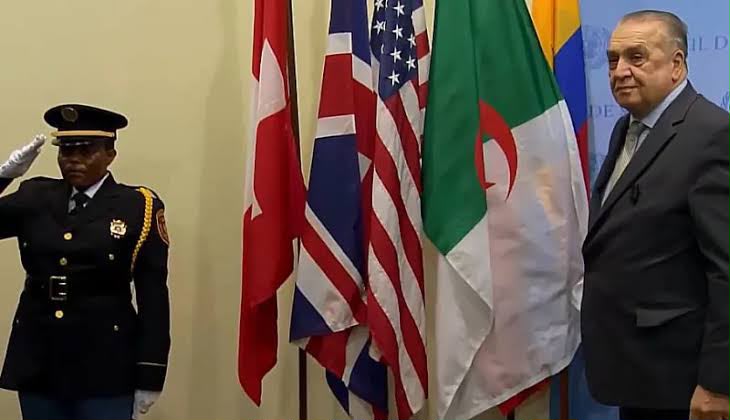
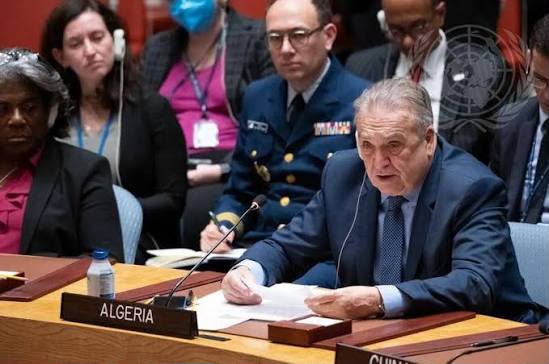
Since assuming his role in New York, Bendjama has established a presence that cannot be overlooked. He has strongly defended African causes, consistently advocated for Security Council reform to ensure fair representation for Africa, and firmly supported the rights of the Palestinian people at a time when UN platforms became the scene of intense debates over Gaza. He also chaired sensitive meetings and consultations during Algeria’s membership on the UN Security Council.

His efforts have not gone unnoticed. In December 2025, the American media platform PassBlue named him “Diplomat of the Year” following a vote by its audience to honor the most prominent personalities within the UN sphere a recognition from an institution specializing in United Nations affairs rather than from an Algerian or African body.

Today, this journey is crowned with the presidency of ECOSOC, one of the six principal organs of the United Nations and the body responsible for coordinating the economic, social, and environmental work of the UN system.

What Does This Mean for Algeria?

When Algeria assumes the presidency of a body that deals with issues such as international financing, debt, development, food security, and climate policy, it gains more than an honorary position. It gains a genuine platform from which to influence the global economic agenda for an entire year, at a time when the Global South is increasingly demanding reforms to international governance structures.

This achievement confirms that Algeria has regained its position as a respected African and Arab voice at the highest levels of international decision-making. It also demonstrates that its foreign policy—based on consistency, credibility, and support for the causes of the Global South is beginning to translate into real positions of influence rather than mere statements.

Will Bendjama’s presidency of ECOSOC mark the beginning of a new Algerian phase in shaping the global economic agenda, or will it be simply another milestone in a long journey during which the Global South continues to seek representation commensurate with its true weight in world affairs?

Author
yasmine ouazib