Algeria’s Narrative on the Mali Crisis: Not Interference, But a Targeted Blow to Bilateral Coordination
•
Author: بوابة الجزائر
•
0 comments
•
65 views
Share this post









Tebboune’s Pre-Released Interview Excerpts Highlight Algeria’s Stance on Sovereignty Regional Security, and Foreign Relations
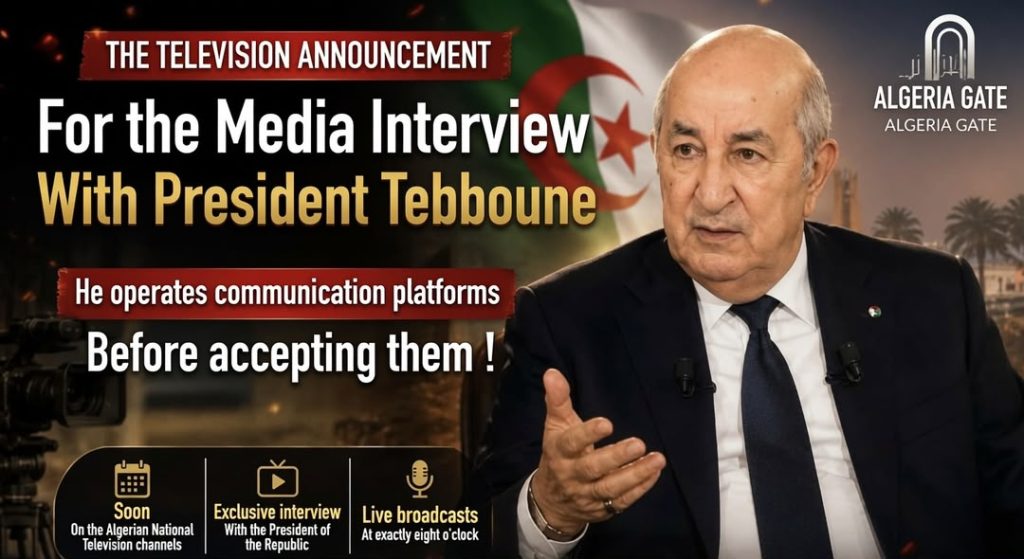
ALGERIA GATE Attention is focused on Algerian President Abdelmadjid Tebboune’s televised interview, scheduled to air this evening, following the release of several excerpts that outline Algeria’s positions on key domestic, regional, and international issues.
Among the most notable statements, President Tebboune affirmed that no Algerian president has ever requested a larger French visa quota or negotiated the issue with Paris. He also stressed that Algeria has never asked France for an official apology, underscoring that relations between the two countries should be based on mutual respect and national sovereignty.
On regional security, Tebboune delivered a firm message regarding neighboring Tunisia, declaring that anyone seeking to threaten the country through terrorism would face a decisive response. The remarks reaffirm Algeria’s longstanding commitment to preserving stability and security across the region.
The excerpts also indicate that the interview will address a wide range of strategic topics, including Algeria’s foreign policy, regional developments, national security, and broader geopolitical challenges.
The full interview, set to be broadcast tonight, is expected to provide further insight into Algeria’s diplomatic priorities, domestic reforms, and its vision for addressing current regional and international issues.
Algeria and Senegal: A Strategic African Alliance
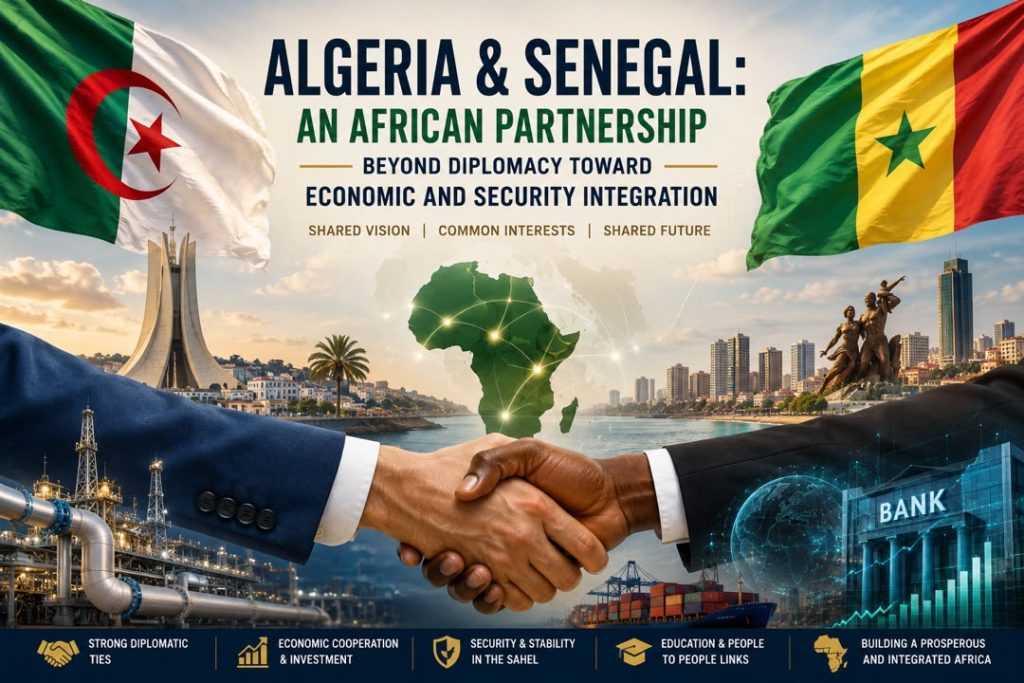
Algerian Minister of State, Minister of Foreign Affairs, National Community Abroad and African Affairs Ahmed Attaf received his Senegalese counterpart, Cheikh Niang, Minister of African Integration and Foreign Affairs, on Sunday during a working visit to Algiers.
The visit included a one-on-one meeting between the two ministers, followed by expanded talks attended by members of both delegations. Far from being a routine diplomatic engagement, the visit served as an opportunity to assess the current state of bilateral relations and explore new avenues for cooperation in sectors ranging from hydrocarbons and energy to pharmaceuticals, finance, and higher education.
Historic Ties and a Shared Role Within the African Union
Algeria and Senegal are long-standing diplomatic actors on the African continent, sharing a history of cooperation within the African Union and converging positions on major African issues, including regional stability and collective security.
During their meeting, both ministers agreed on the importance of revitalizing bilateral cooperation mechanisms by preparing for the next session of the Algeria–Senegal Joint Commission before the end of the year and relaunching the Algerian–Senegalese Business Council, with the aim of injecting new momentum into bilateral relations.
The Sahel: A Shared Security Priority
Security featured prominently in the discussions, with both sides exchanging views on regional and international developments, particularly the evolving situation in the Sahel.
The convergence of Algerian and Senegalese perspectives reflects a shared understanding that stability in the Sahel is essential for the security and economic development of West and North Africa alike. Algeria’s geographic proximity to the region and Senegal’s strategic position in West Africa make cooperation on security issues a key pillar of their partnership.
Banking Expansion: Algeria’s Gateway to West Africa
Economic cooperation has become the most tangible expression of the growing partnership.
The Algerian Bank of Senegal (ABS), operational since late 2023, is preparing a major regional expansion by seeking authorization to open a branch in Niamey, Niger, followed by another in Côte d’Ivoire.
According to the bank’s management, the objective extends beyond commercial activity. The ambition is to transform the institution into a regional banking hub capable of strengthening financial integration and facilitating trade between Algeria and African markets.
In this context, Senegal represents more than a destination market it serves as a strategic gateway to West Africa. The bank has already attracted major Senegalese companies operating in key sectors such as industry and energy, giving Algerian capital a stronger foothold in a regional market of nearly 300 million consumers.
This banking expansion mirrors Algeria’s broader strategy across the continent. Similar initiatives, including the establishment of the Algerian Union Bank in Mauritania, illustrate Algiers’ determination to strengthen its financial presence in Africa, support non-hydrocarbon exports, and deepen economic integration with neighboring countries.
Political Coordination Beyond Bilateral Relations
The meeting also highlighted both countries’ commitment to advancing the African Continental Free Trade Area (AfCFTA).
The two ministers agreed to strengthen bilateral trade by taking advantage of the opportunities offered by the continental free trade framework, reflecting a shared determination to translate Africa’s integration agenda into practical economic cooperation rather than limiting it to political declarations.
A Model for African Integration
As Africa faces growing security and economic challenges, Algeria and Senegal appear determined to build a partnership that extends well beyond traditional diplomacy.
By combining political coordination, economic investment, financial connectivity, and security cooperation, both countries are positioning themselves as advocates of a more integrated and resilient Africa one where development, stability, and shared interests form the foundation of continental cooperation.
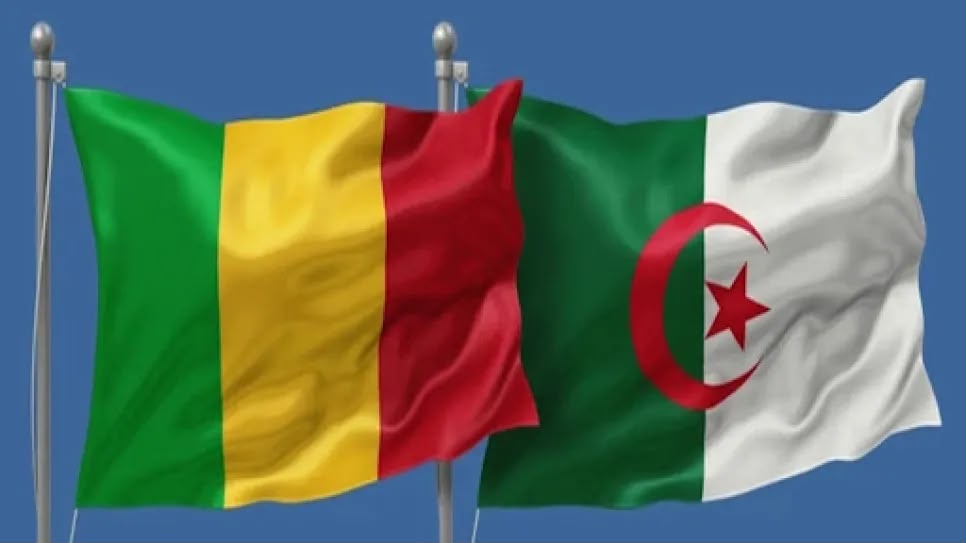
From Rupture to Dialogue: Algeria’s Diplomatic Prudence Brings Mali Back to the Path of Strategic Partnership
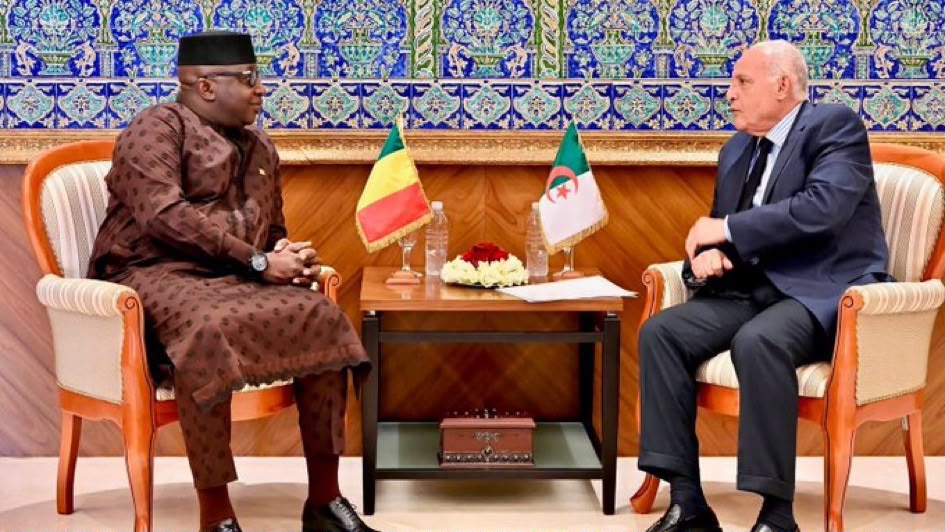
After months of an unprecedented diplomatic crisis, Mali has moved to restore its relationship with Algeria, underscoring Algiers’ enduring role as an indispensable pillar of stability in the Sahel. The visit of Algeria’s Minister of State, Minister of Foreign Affairs, National Community Abroad and African Affairs, Ahmed Attaf, to Bamako as the special envoy of President Abdelmadjid Tebboune highlighted how Algeria’s diplomacy characterized by strategic patience and consistency helped pave the way toward renewed engagement.
Algeria’s Steadfast Diplomacy Amid a Self-Inflicted Crisis
Bilateral relations deteriorated sharply following accusations and unilateral measures taken by the Malian authorities, including the withdrawal of their ambassador and the closure of Malian airspace to Algerian flights. These moves represented a serious escalation against a neighboring country that has historically played a central role in supporting Mali’s stability and security. Throughout the crisis, however, Algeria maintained its policy of restraint, preserving channels of communication and reaffirming that the security and stability of the Sahel remain a strategic priority above short-term political tensions.
Mali Returns to an Irreplaceable Regional Partner
Bamako’s decision to restore diplomatic representation in Algiers and reopen its airspace reflects a renewed recognition of Algeria’s strategic importance as a security and diplomatic partner. With decades of mediation experience, considerable regional influence, and a long shared border with Mali, Algeria remains a key actor in any security or political equation affecting the Sahel. Recent developments suggest that attempts to distance Mali from Algeria ultimately collided with the realities of geography and shared security interests.
Attaf Translates Algeria’s Vision into Practical Cooperation
Ahmed Attaf’s visit to Bamako carried significance well beyond diplomatic protocol. His meetings with Foreign Minister Abdoulaye Diop, as well as the Ministers of Defense and National Reconciliation, focused on strengthening bilateral cooperation, enhancing security coordination, supporting peace efforts in Mali, and reactivating dialogue mechanisms that had been suspended during the crisis. The discussions reflected Algeria’s long-standing preference for proactive diplomacy and practical solutions in addressing regional challenges.
The Sahel Needs Algeria More Than Ever
As terrorism, transnational crime, and geopolitical competition continue to intensify across the Sahel, Algeria has reinforced its position as one of the region’s most experienced and credible security actors. Its extensive border with Mali, decades of counterterrorism expertise, and sustained commitment to political mediation make it a pivotal partner in efforts to prevent further instability at a time when several external powers have reduced their engagement in the region.
Mali’s Return Reinforces Algeria’s African Diplomatic Standing
The normalization of relations further strengthens Algeria’s position as a leading diplomatic actor within the African Union and reaffirms its long-standing commitment to African solutions for African challenges. As Sahel states seek reliable regional partners amid an increasingly volatile geopolitical landscape, Algeria continues to project itself as a stable and credible actor, supported by decades of diplomatic engagement, regional mediation, and a consistent commitment to peaceful conflict resolution.