

For years, certain regional and international narratives attempted to portray Algeria as a state in diplomatic retreat — an actor standing at the margins of major geopolitical transformations. Yet recent developments have exposed the fragility of that narrative. What some described as “absence” was, in reality, a calculated phase of strategic recalibration.
Today, Algeria is no longer merely reappearing on the international stage; it is progressively reshaping its position as a central strategic pole connecting Africa, the Mediterranean, and the Sahel.
Sovereignty as a Doctrine, Not a Slogan
Algerian diplomacy has entered a new phase defined by strategic autonomy. In an era marked by global polarization, Algiers has refused alignment politics while simultaneously avoiding diplomatic passivity. This is not “neutrality” in its traditional sense, but a calculated doctrine of sovereign balance.
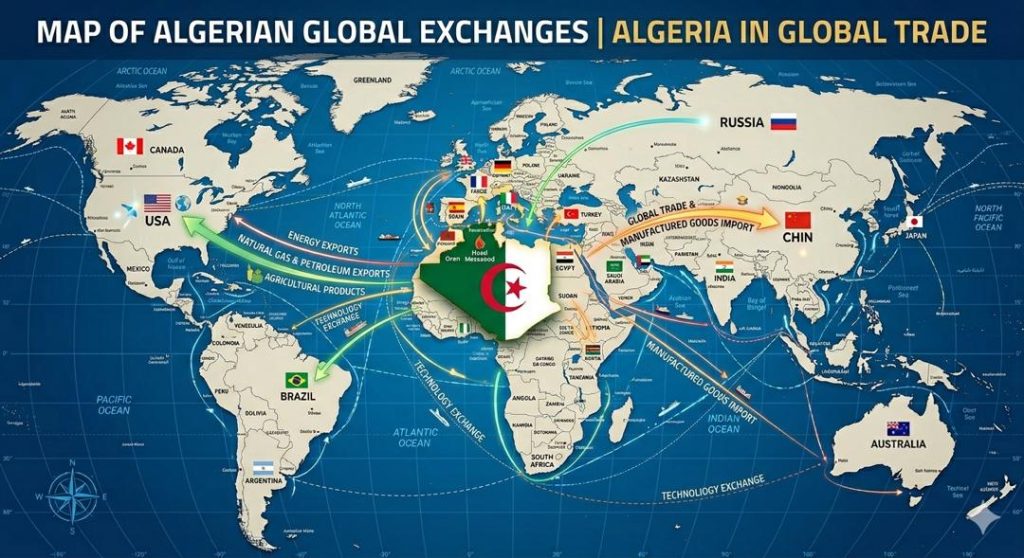
Algeria maintains strong energy partnerships with Europe, deep defense ties with major international powers, and growing economic cooperation with emerging actors across Asia and Africa — all without surrendering its independent decision-making.
This diplomatic flexibility has transformed Algeria into a rare actor capable of speaking to rival blocs simultaneously.
Algiers: A Destination for Competing Powers
One of the clearest indicators that the “isolation thesis” has collapsed is the unprecedented diplomatic movement toward Algiers itself.
The visits of high-level American military officials, including AFRICOM Commander General Michael Langley, reflected Washington’s growing recognition that no sustainable security architecture in the Sahel can bypass Algeria.
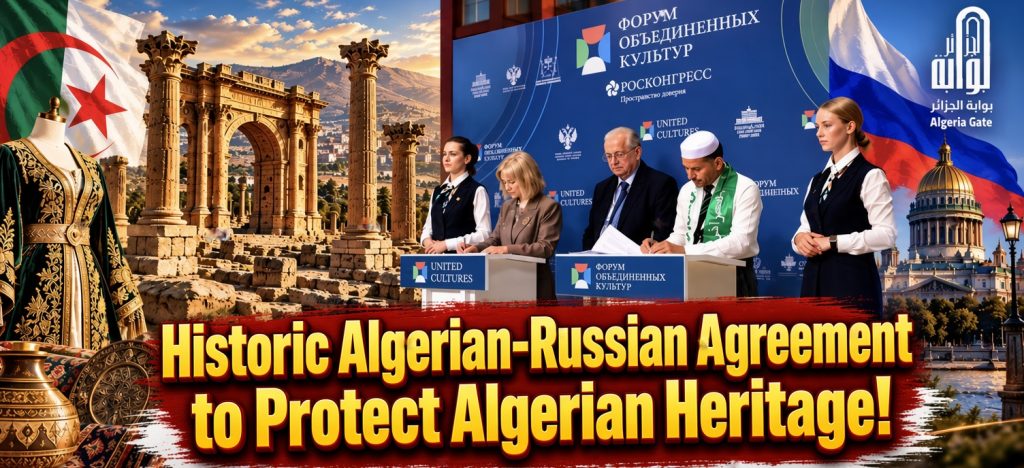
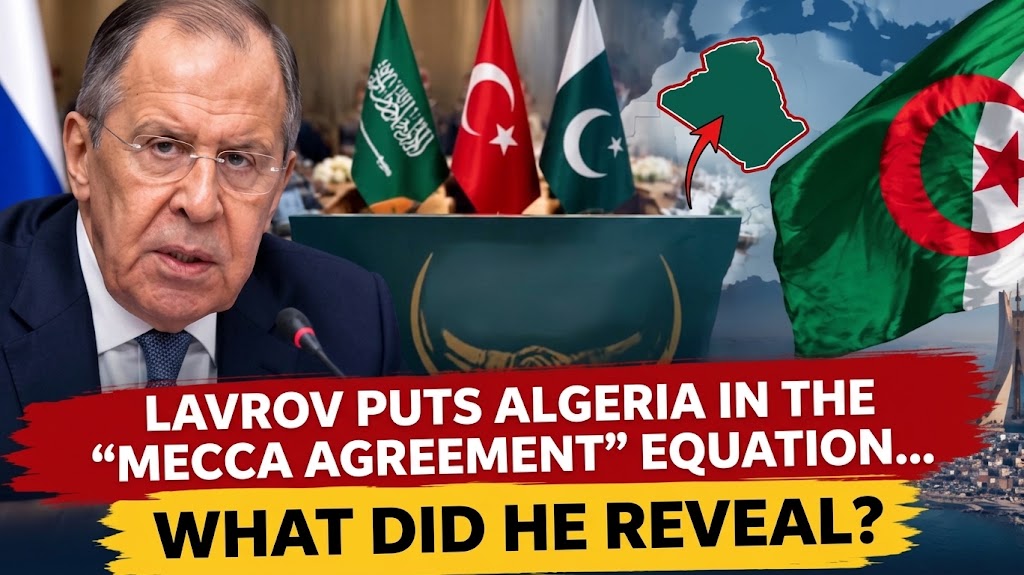
At the same time, Algeria has reinforced its strategic partnership with Russia through intensified military and energy cooperation, while also deepening economic and industrial relations with Turkey following President Abdelmadjid Tebboune’s high-profile visit to Ankara.
Even the Vatican’s engagement with Algeria carried symbolic significance, projecting the country as a platform of regional dialogue, religious coexistence, and Mediterranean stability.
These parallel relationships demonstrate a defining reality: Algeria is becoming a state that competing powers seek to engage rather than confront.
Africa: Algeria’s Strategic Depth
If the Mediterranean represents Algeria’s geopolitical gateway, then Africa remains its strategic backbone.
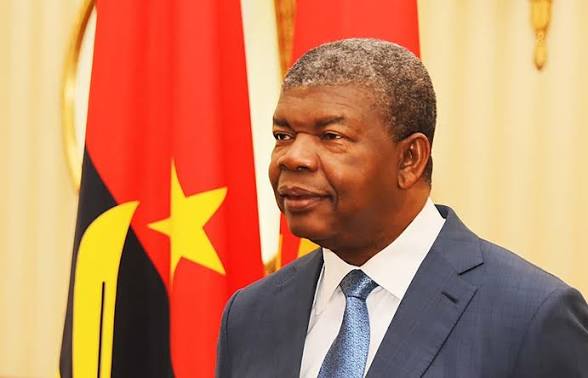
The official visit of Angolan President João Lourenço highlighted the emergence of a stronger Algiers-Luanda axis centered on energy, agriculture, and investment cooperation. Far from symbolic diplomacy, the partnership reflected Algeria’s ambition to position itself as an economic bridge between North Africa and Sub-Saharan Africa.
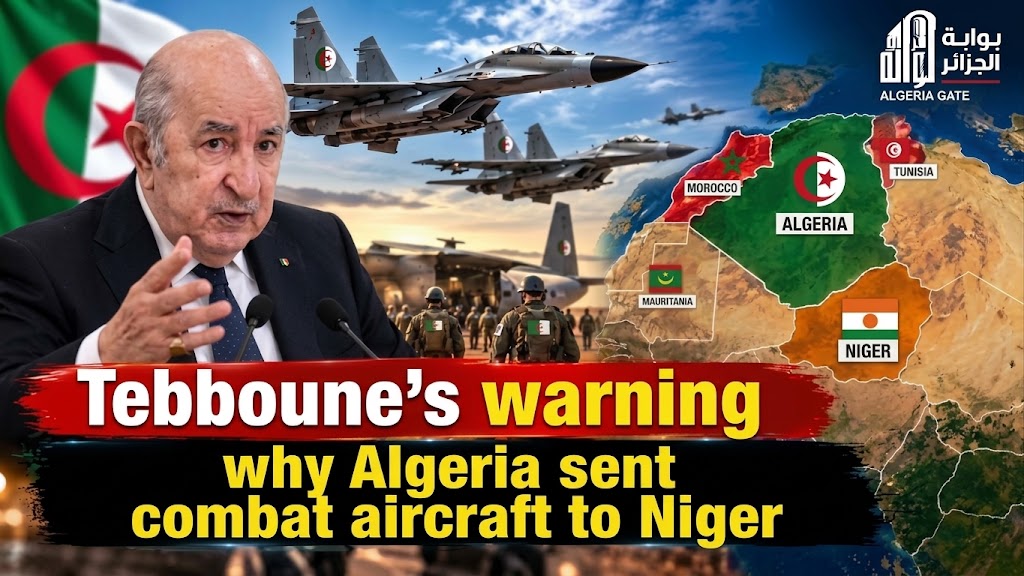
Meanwhile, the visit of Chadian President Mahamat Idriss Déby reinforced Algeria’s central role in regional security. As instability spreads across the Sahel, Algeria increasingly appears as one of the few actors capable of advocating political mediation without direct foreign dependency.
In many African capitals, Algeria is no longer viewed solely through its revolutionary history, but through its ability to provide strategic balance in a fragmented region.
Energy, Reliability, and the Politics of Trust
The global energy crisis fundamentally altered Algeria’s geopolitical value.
At a moment when many alliances became unstable, Algeria distinguished itself as a reliable supplier capable of honoring long-term commitments under pressure. This reliability transformed energy from a commercial asset into a diplomatic instrument.
Europe’s renewed strategic interest in Algeria was not driven solely by geography, but by political trust.
In modern geopolitics, reliability has become a form of hard currency — and Algeria has invested heavily in it.
Diplomacy Backed by Infrastructure
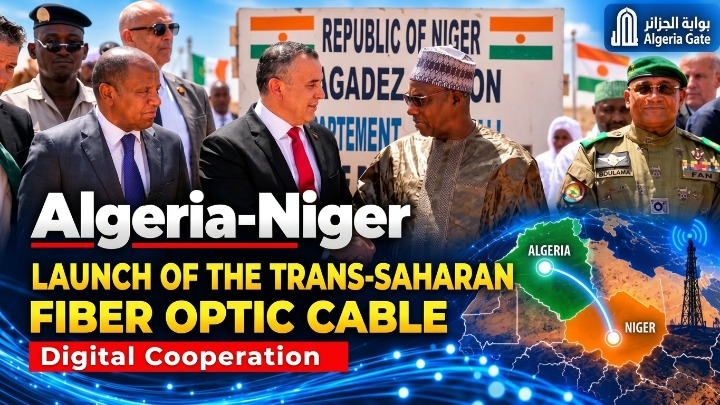
Modern Algerian diplomacy is no longer based exclusively on rhetoric or historical legitimacy. It is increasingly supported by massive transcontinental projects designed to redraw regional connectivity.
Projects such as the Trans-Saharan Highway and the Nigeria-Algeria-Europe gas pipeline illustrate Algeria’s ambition to become a logistical and energy corridor linking Africa directly to Europe.
A nation constructing strategic corridors across continents cannot realistically be described as “isolated.”
The Emergence of a Pivotal Algeria
Despite persistent economic and bureaucratic challenges, Algeria has managed to preserve something many regional powers have lost: strategic independence.
The growing diplomatic activity surrounding El Mouradia Palace is therefore not accidental. It reflects a long-term vision aimed at transforming Algeria from a reactive regional actor into a central geopolitical force.
The question today is no longer whether Algeria has returned to the international stage.
The real question is whether the Mediterranean, African, and Sahel equations can still be designed without Algeria at their center.