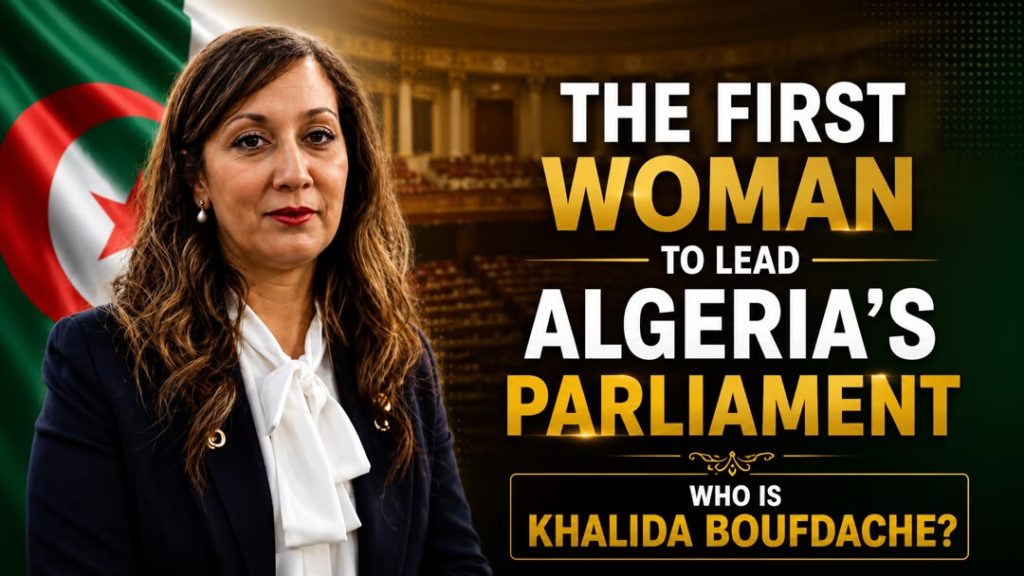
Algerian Women Continue to Break Political Barriers as Dr. Khalida Boufdach Makes History
•
Author: بوابة الجزائر
•
0 comments
•
97 views
Share this post

Algeria’s Narrative on the Mali Crisis: Not Interference, But a Targeted Blow to Bilateral Coordination
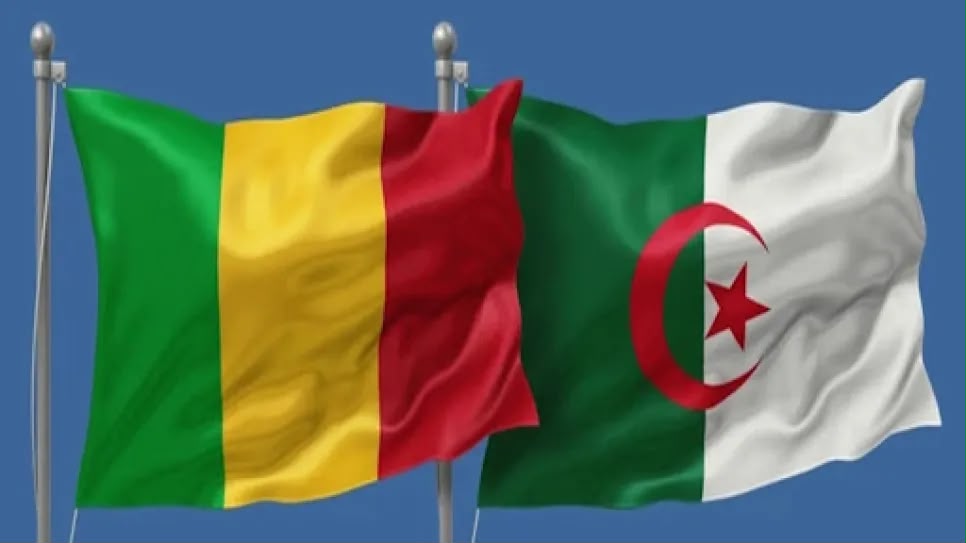
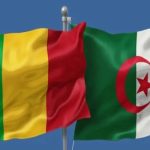
Algeria gate; The crisis that shook Algerian–Malian relations was no passing diplomatic dispute, nor the result of any Algerian interference in Mali’s internal affairs as some have tried to suggest. It emerged instead from a broader effort to push Bamako away from Algeria and weaken coordination channels the two countries had built over decades.
President Abdelmadjid Tebboune was unequivocal on this point: Algeria “has not and will not interfere” in Mali’s internal affairs, explicitly rejecting attempts by some to frame Algerian support for Bamako as interference. Algeria’s policy toward its neighbors rests on a fixed principle: respect for national sovereignty, and support for political solutions and dialogue particularly in the Sahel, a region facing security challenges that no single state can address alone.
The recent crisis, marked by unprecedented tension in bilateral relations, was not a reflection of any shift in Algerian foreign policy. It was the product of external efforts aimed at isolating Mali from one of its most traditional partners and undermining cooperation mechanisms that had proven their security and diplomatic value for years. This explains why these developments drew such wide attention across the Sahel regional actors understand that no attempt to redraw the balance of relations in the region can bypass Algeria.
Events have borne out this narrative: after months of rupture, relations returned to their normal course in July 2026 with the return of both ambassadors and the reopening of airspace practical proof that the rift between the two countries was externally imposed and temporary, not a strategic choice by either side.
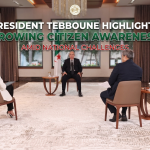
President Tebboune Highlights Growing Awareness of Algerian Citizens Amid Challenges
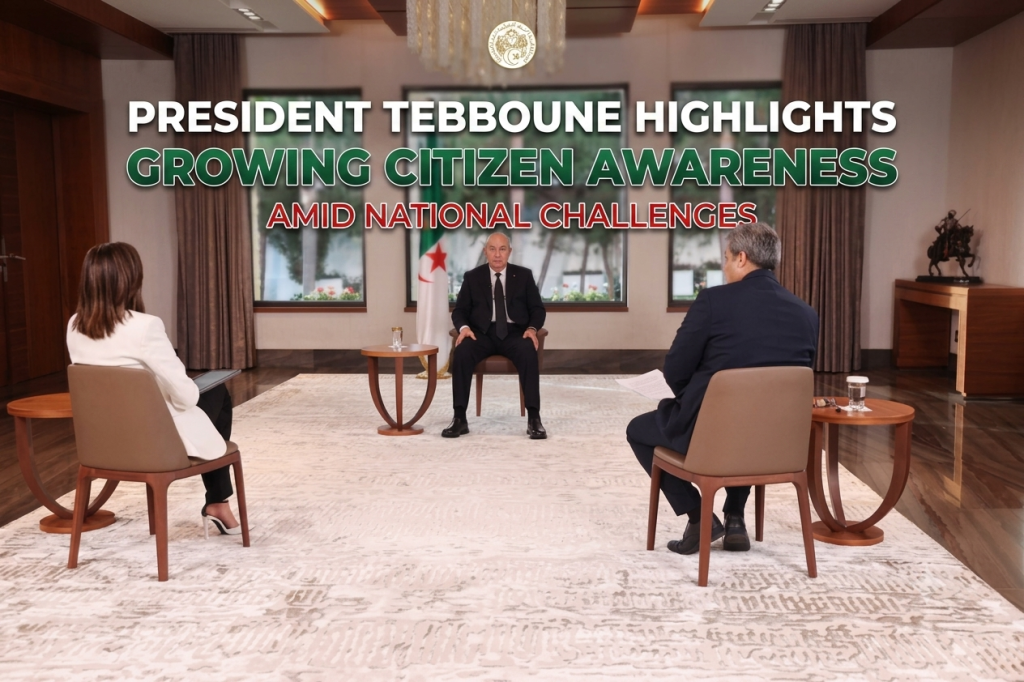
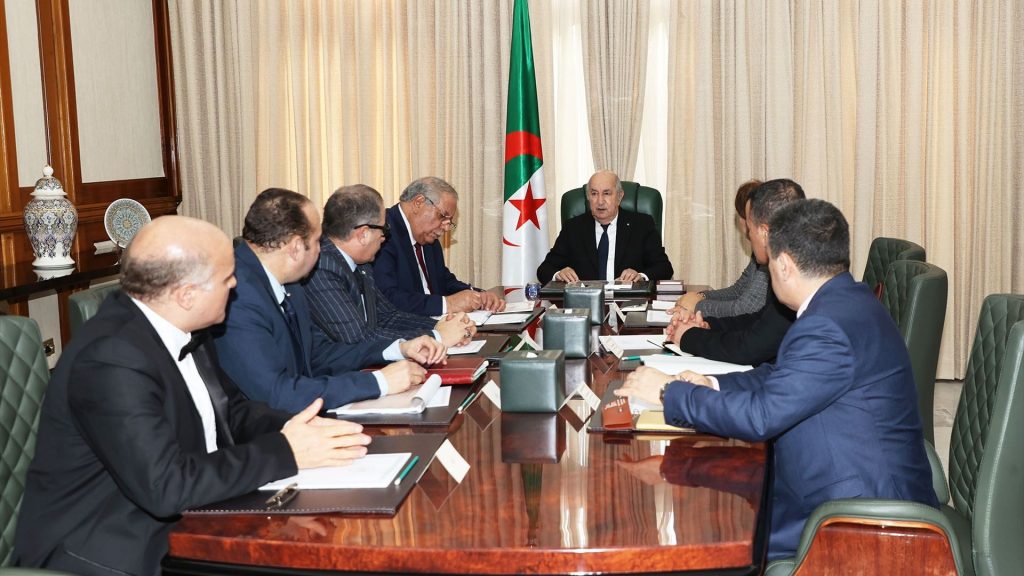
Algeria Gate: President of the Republic Abdelmadjid Tebboune praised the level of awareness reached by the Algerian citizen in dealing with various challenges, expressing his great optimism about the country’s future.
During the periodic media meeting with representatives of the national press, broadcast on Monday evening on national television and radio channels, the President of the Republic affirmed that he is “very optimistic” about Algeria’s future, which he said is “on the right path.”
The president highlighted the strong awareness he has observed among Algerians and their understanding of the scale of the “conspiracy” the country is facing, stressing that Algeria “does not submit to pressures and threats, and is neither bought nor sold.”
National Solidarity Against Forest Fires and Tribute to Youth
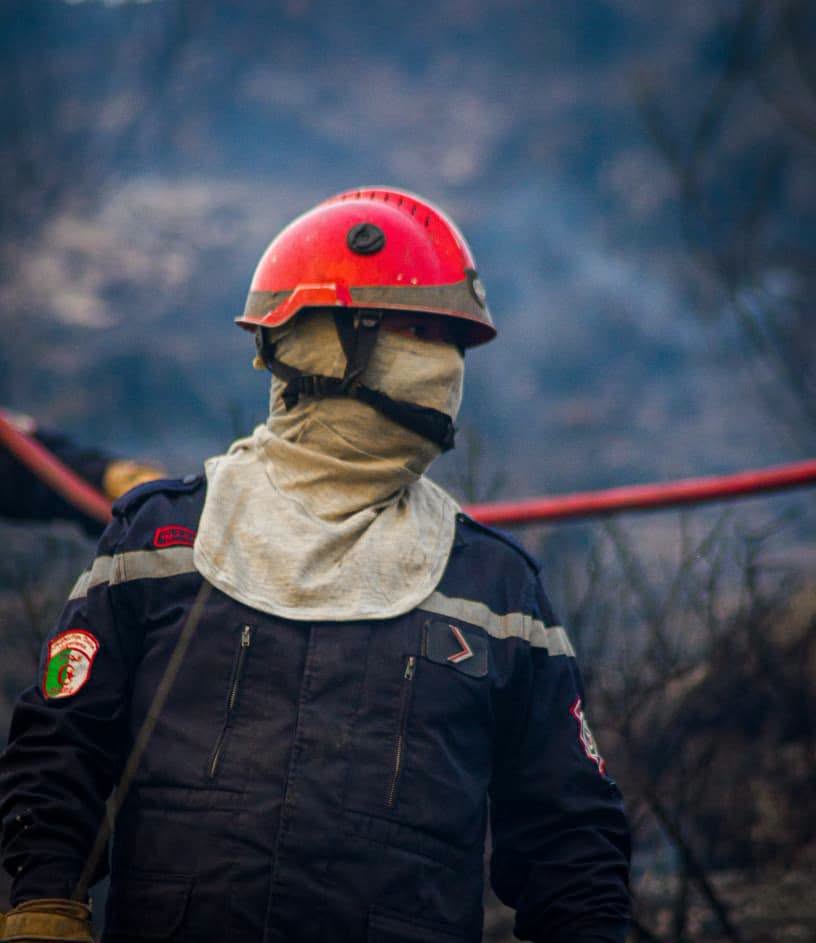
In this regard, the President of the Republic praised the national solidarity surge shown by Algerians in confronting the forest fires that affected some of the country’s provinces. He also reiterated the state’s full mobilization to protect citizens and their property, paying tribute to Algerian youth who “increasingly impress the world with their high patriotism and remarkable spirit of volunteerism.”
In-Depth Investigation Ordered into Mohammedia Childhood Institution Fire
On another front,, the President of the Republic ordered the security services to open a “very in-depth investigation” into the fire incident at the institution for assisted childhood in Mohammedia, Algiers, to shed light on the circumstances of this case.
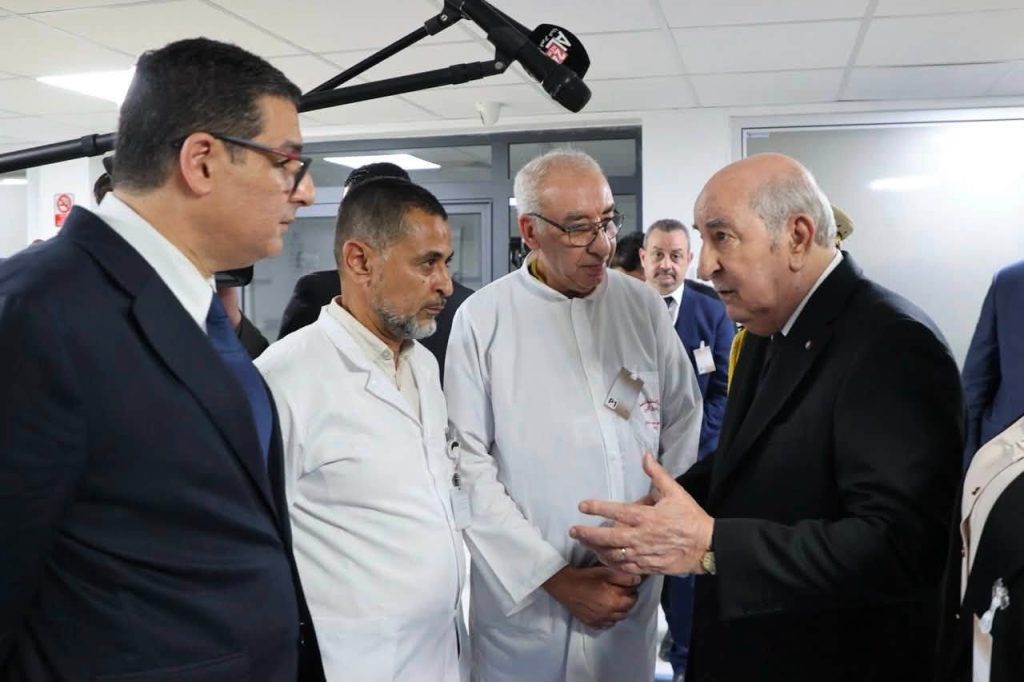
Commitment to Political Dialogue and Involvement of National Competencies Abroad
On the political front, the President of the Republic committed to launching a dialogue with political parties that meet the legal conditions stipulated in the Political Parties Law, during the upcoming social year.
He also renewed his commitment to closely involving national competencies residing abroad in the country’s development process, affirming that this elite constitutes a fundamental pillar for transitioning Algeria toward a new era of scientific and industrial progress.
Criteria for the Upcoming cine
Responding to a question about the upcoming government lineup, the President of the Republic stated that it will be appointed in accordance with the Constitution in the event of a presidential majority in Parliament. He stressed the importance of the government team possessing “competence, realism, and pragmatism in management, and being close to the citizen and responsive to his concerns.”
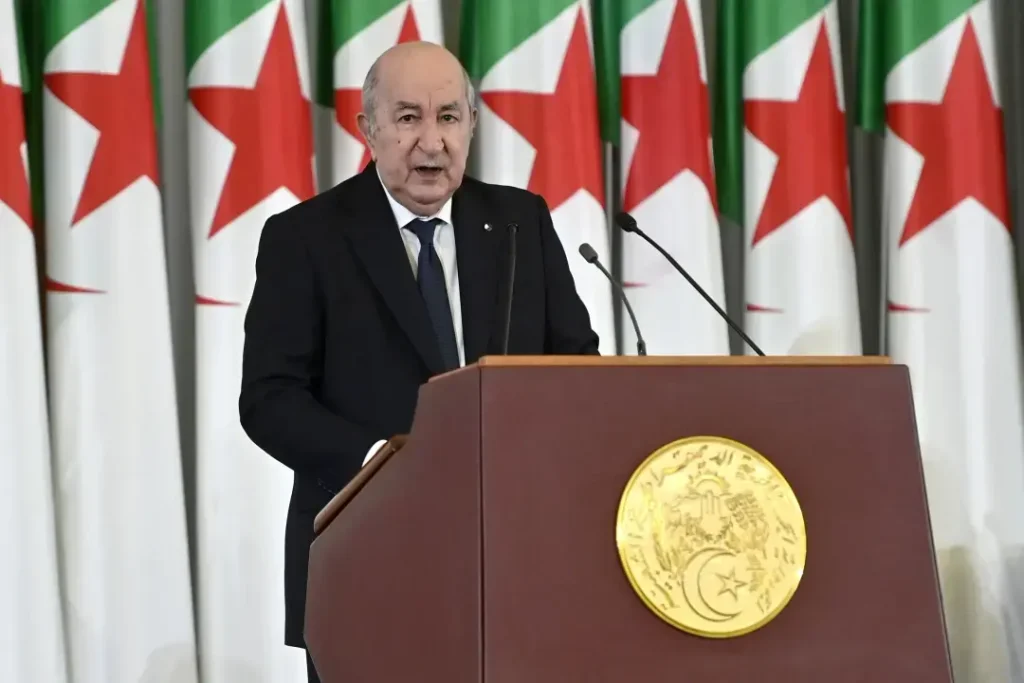
Continued Increases in Salaries, Pensions and Minimum Wage from 2027
On the social front, the President of the Republic renewed his commitment to continue raising salaries, pensions for retirees, and the national guaranteed minimum wage starting from 2027, affirming that these measures will be implemented gradually in order to preserve economic balances and control inflation.
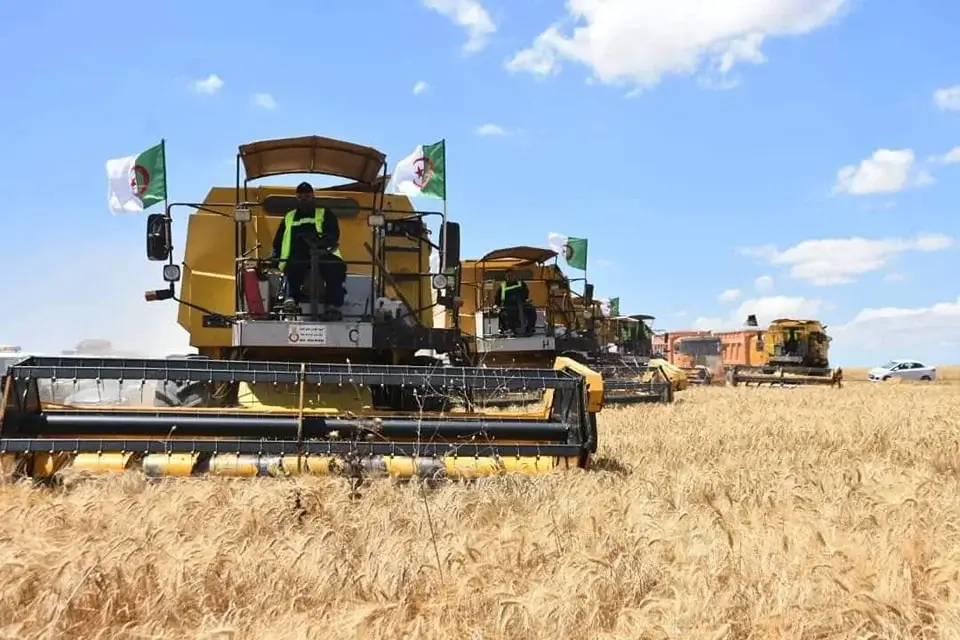
Agricultural Progress and Path to Hard Wheat Self-Sufficiency
Addressing the economic file, the President of the Republic praised the leap achieved by the agricultural sector in general, whose products are now finding markets abroad. He highlighted the progress in the hard wheat sector, where self-sufficiency is expected to be reached in the current agricultural season.
Energy and Industrial Self-Sufficiency Achievements
He recalled that the oil refining sector achieved self-sufficiency in fuel production (gasoline and kerosene) in 2022 and began exporting.
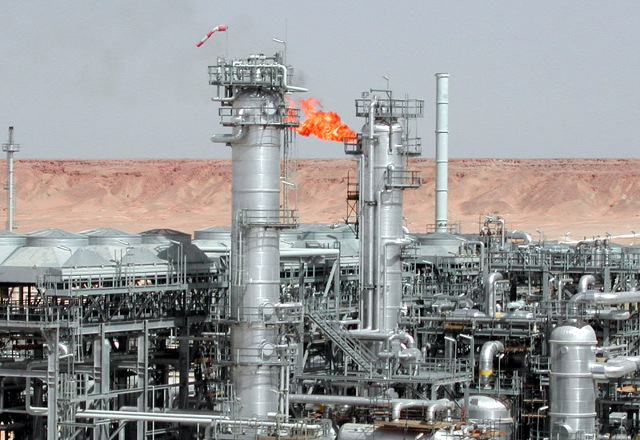
The industrial sector, for its part, is moving toward achieving self-sufficiency in many branches, such as household appliances and electrical equipment, with significant export potential.
Major Infrastructure Project: Tamanrasset–Algiers Railway by 2028
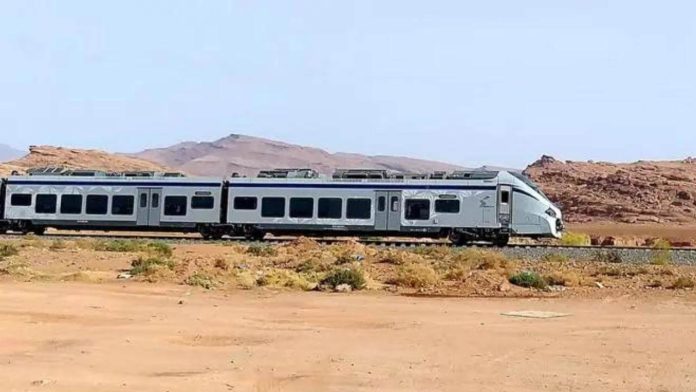
Regarding major structuring economic projects, the President of the Republic underscored the importance of the railway project linking Tamanrasset to the capital Algiers, which is expected to be delivered by 2028.
Accelerating Seawater Desalination to Secure Water Independence
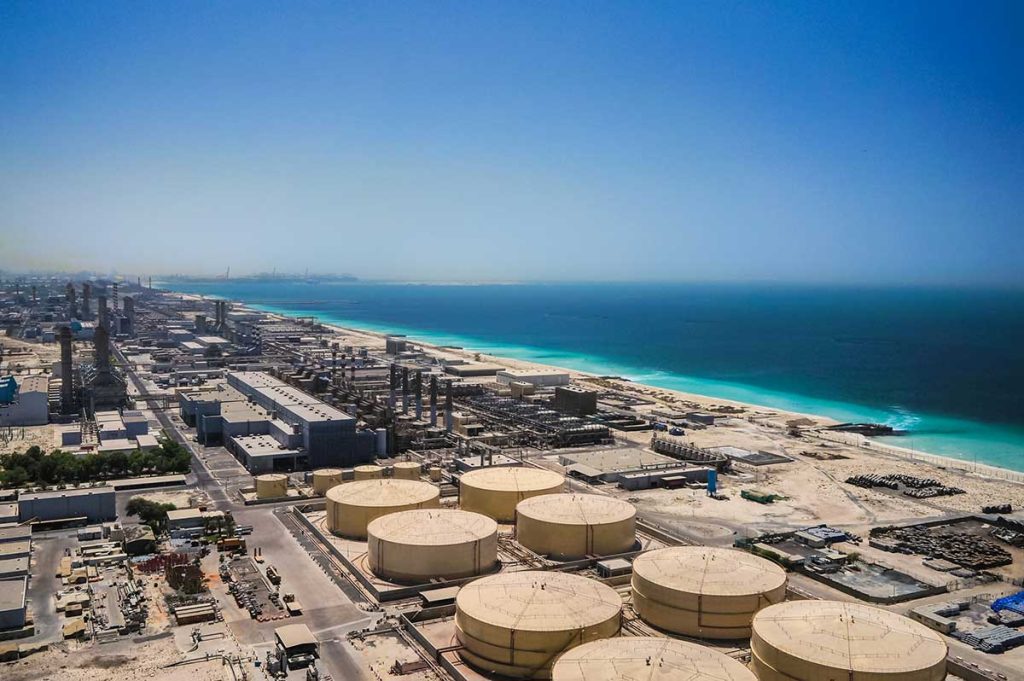
On Algeria’s strategy to achieve water security, the President of the Republic spoke of accelerating the program of seawater desalination plants, enabling Algeria to become a global leader in this field with a reliance rate reaching 62% of consumption by 2029.
Strengthening Partnerships with Germany and Spain
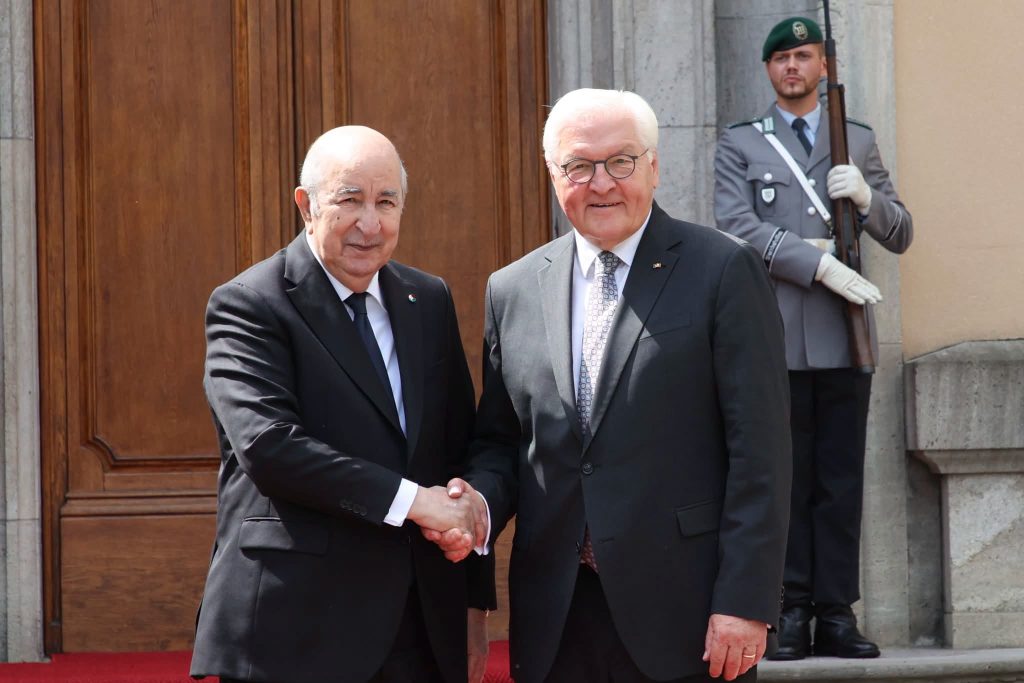
On the diplomatic front, the President of the Republic focused on Algerian-German partnership relations, considering that they have reached a level of excellence thanks to projects being launched in many fields. This cooperation once again proves that Algeria is a “reliable partner,” and he affirmed that Algeria is “drawing a bright future.”
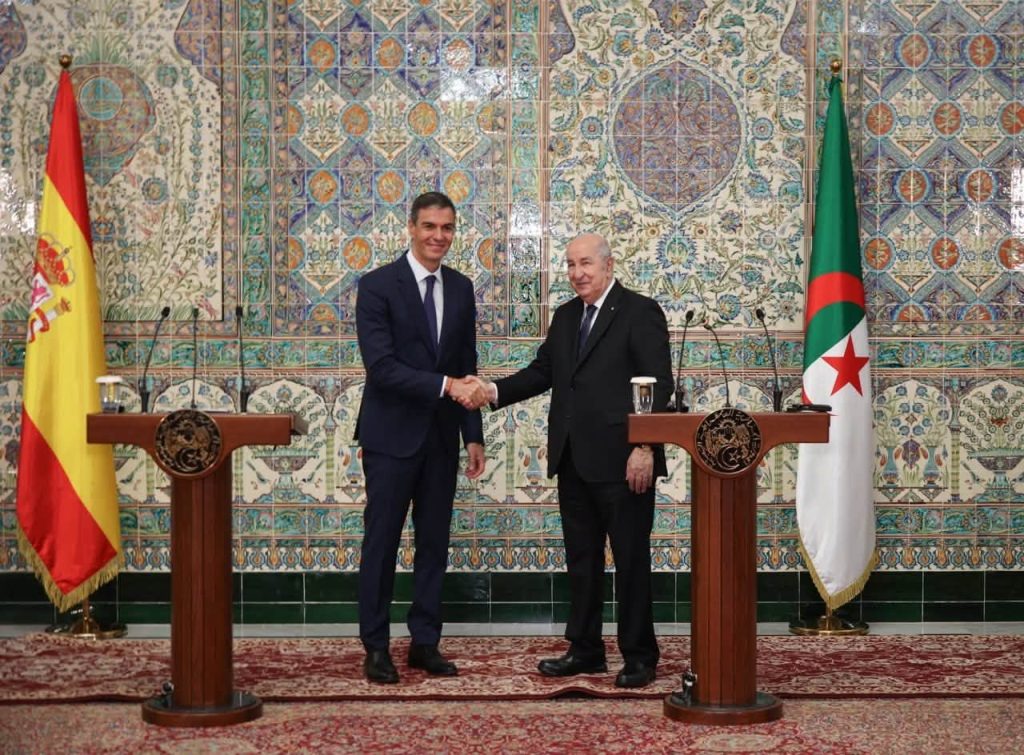
Regarding relations with Spain, the President of the Republic explained that several bilateral agreements covering various economic sectors, including energy, will be signed next October.
Clarifications on Relations with France and the European Union
Concerning Algerian-French relations, he stated that the Algerian President “has never requested a quota or a number of visas and has never spoken about them,” nor has he ever requested an “apology or compensation,” affirming that Algeria “will never beg.”
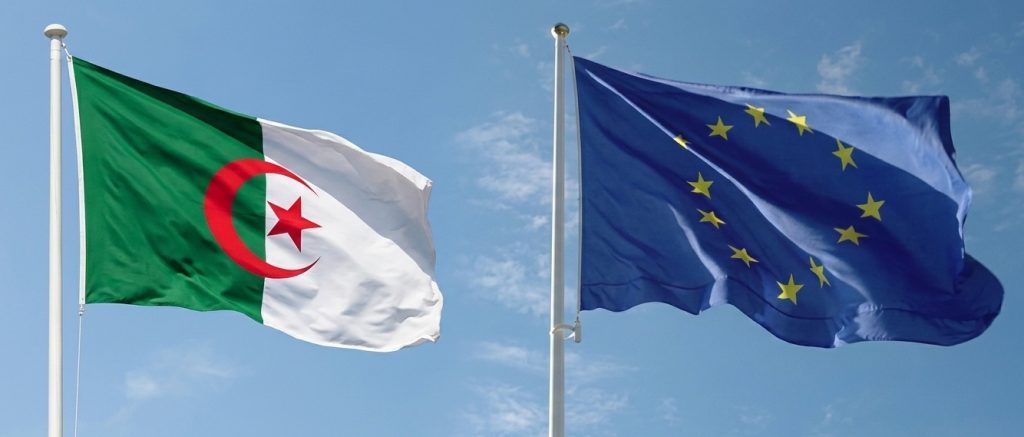
Furthermore, the President of the Republic reiterated the importance of reviewing the partnership agreement with the European Union, especially as the Algerian economy enters a new phase characterized by diversified production.
Regional Stance: Solidarity with Mali, Tunisia and Middle East Partners
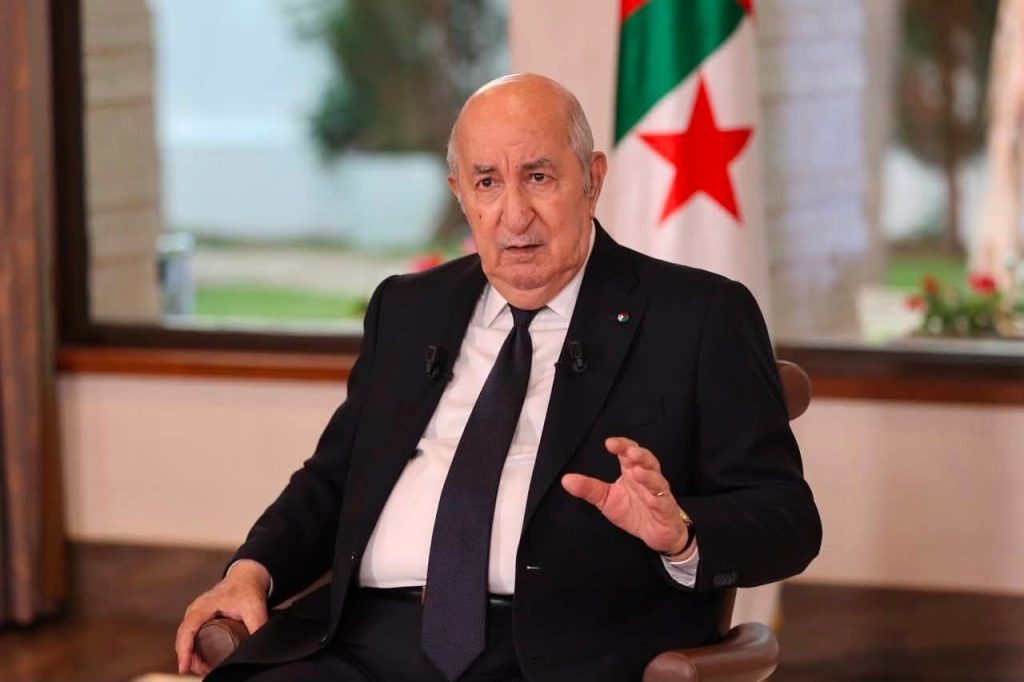
He also renewed his affirmation that Algeria “will never harm its neighbors,” praising the bonds of brotherhood and good-neighborliness that have deep historical roots spanning centuries between Algeria and Mali.
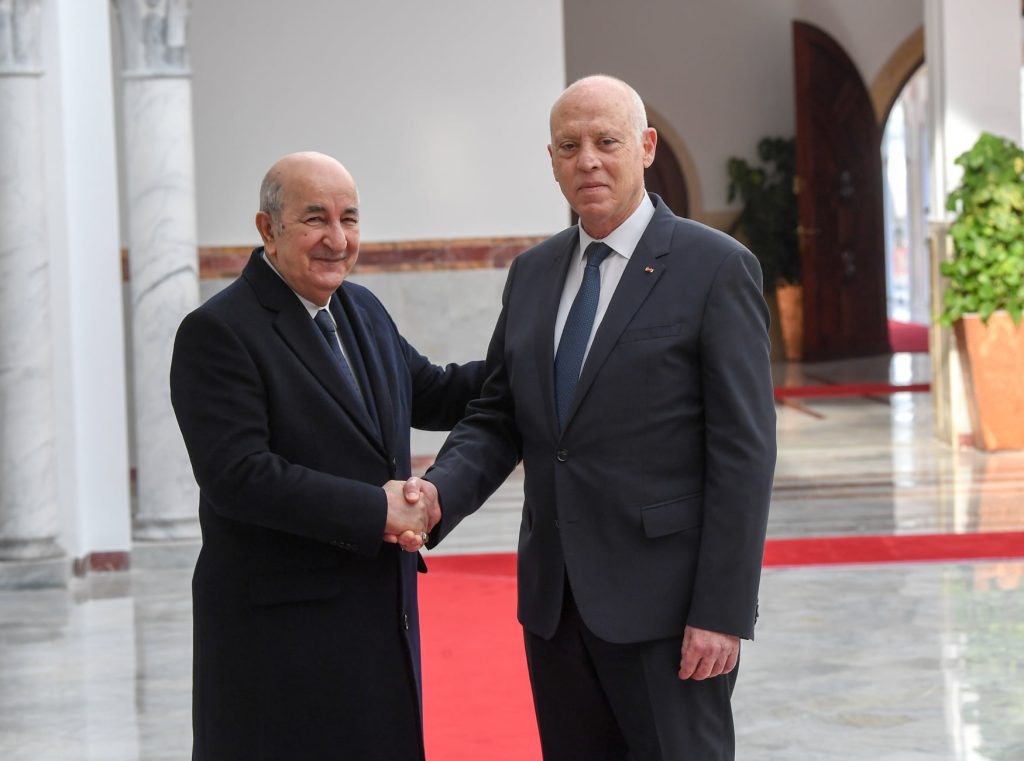
The President of the Republic also addressed the terrorist threat facing Tunisia today, warning: “Whoever touches Tunisia touches us.”
He further noted Algeria’s desire to contribute to resolving a number of “problems” in the Middle East, stressing that Algeria stands in the same trench as countries such as Egypt and the Kingdom of Saudi Arabia.
Cultural Initiatives: Emir Abdelkader Chair and Upcoming Film
On the cultural front, the President of the Republic praised the recent official inauguration of the “Emir Abdelkader Chair” at the Oxford Centre for Islamic Studies of the University of Oxford in Britain. He also announced that filming of the film about Emir Abdelkader will begin at the end of 2027, reiterating the existence of the political will to advance the cinema sector.
Support for the National Football Team and Kansas Invitations
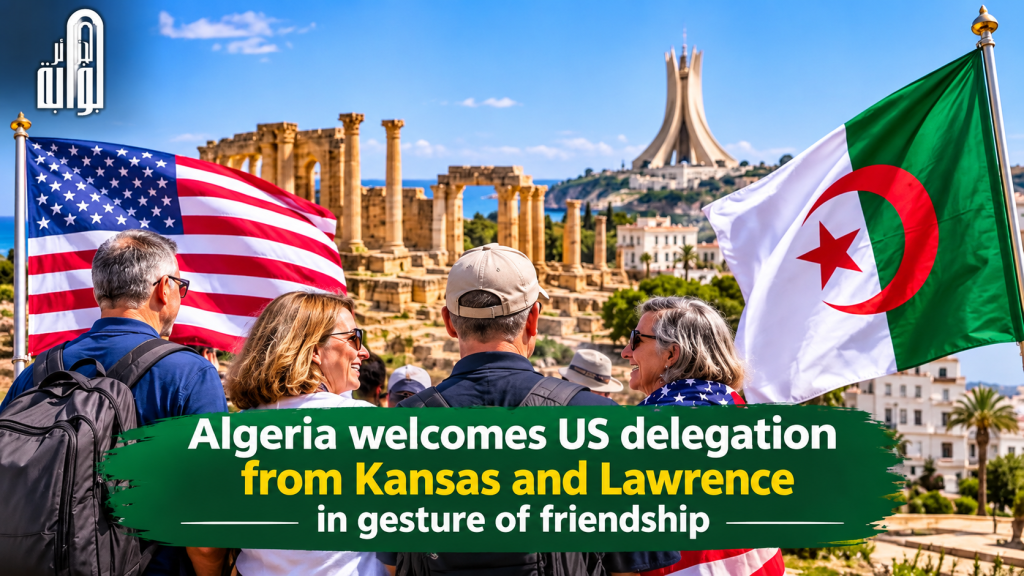
Regarding the national football team’s participation in the 2026 FIFA World Cup finals, the President of the Republic considered that Algeria has a good team that should be supported, encouraged, and whose stability should be preserved. He praised the warm reception Algerians received in the city of Kansas during this World Cup.
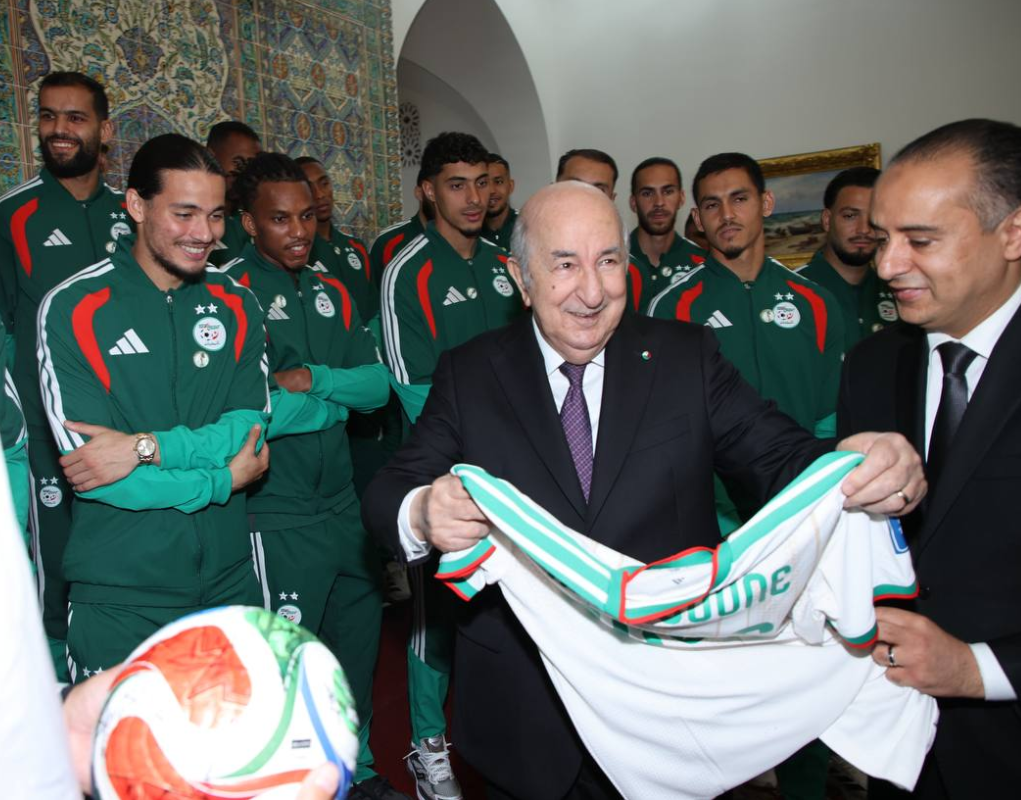
In this regard, he revealed that invitations will be extended to both the Governor of Kansas and the Mayor of this city to visit Algeria, in addition to around one hundred American citizens from the same city traveling to discover Algeria as a tourist destination.

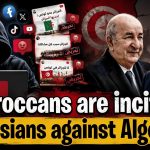
Emirati-Moroccan-Parisian campaign to incite Tunisians against Algeria
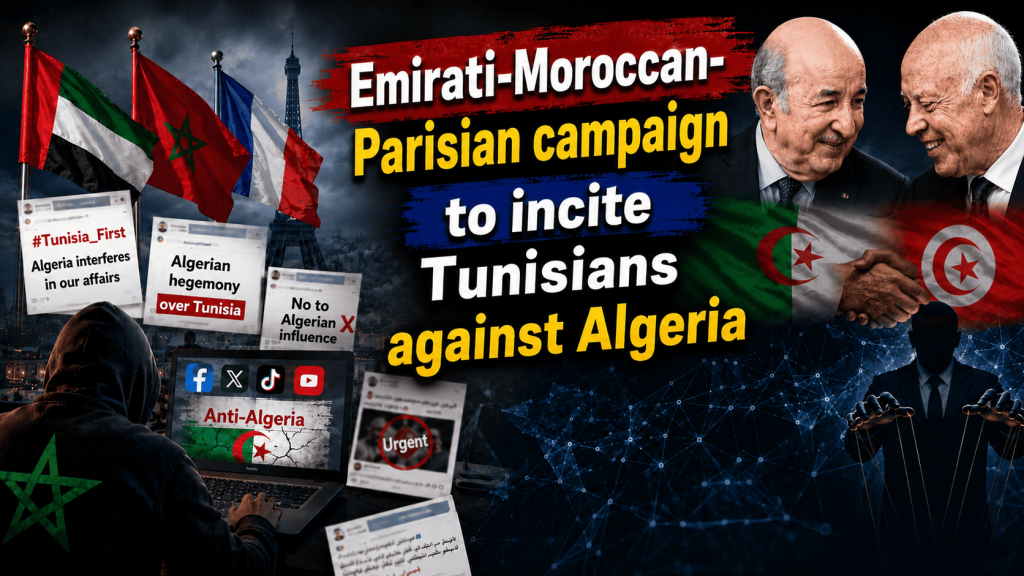
Algeria Gate: Moroccan troll farm have launched a wide disinformation campaign that distorts a statement by Algerian President Abdelmadjid Tebboune, in which he considered Tunisia’s security an extension of Algeria’s security, saying: “Whoever threatens Tunisia with terrorism will pay the price.” This was a firm response to what President Tebboune viewed as a threat to Tunisia’s security being, in itself, a threat to Algeria’s security.
Some political and media mouthpieces representing a proxy opposition for states that seek to spread chaos in Tunisia; whose relations with Algeria are currently at their best point in history, have rushed to join in.
This rapprochement between Tunisia and Algeria appears to constitute a strategic threat to what seems to be a plan aimed at breaking the shared and cooperative outlook in bilateral relations.
Tunisian extremists in the political and media spheres have fabricated a simplistic synthesis and interpretation of President Tebboune’s statements as an “announcement of guardianship over Tunisia.” This tone seemed to emerge from a single mold, played by a specific faction of Tunisians who currently share the common goal of wanting to overturn the country’s constitutional system in revenge against President Kais Saied, who has spoken the truth on international issues despite the critical economic situation Tunisia has recently been going through; a situation they are exploiting as much as possible in the hope of returning Tunisia to 2011.
In contrast, prominent committed media voices have confronted this deviant political whim, reinforced by a broad popular echo that regards President Tebboune’s statement as the height of complementarity and mutual support between two brotherly countries and peoples bound by everything from history to destiny, passing through geography.
The micro-state of the UAE, which controls the algorithms of social media platforms in North Africa, is playing the most prominent role in this new sedition. Abu Dhabi seeks revenge against Algeria by destabilizing its neighborhood after Algeria succeeded in mending rifts with Mali, Niger, and Chad in the Sahel. Mohammed bin Zayed could not tolerate that Algeria was the first to expose the UAE’s malice to the world, after which its global reputation collapsed. Bin Zayed is now using the Tunisian interior against Algeria and demonizing it, while the reality is that those sowing chaos inside Tunisia are acting together with Morocco, which has activated its pawn Moncef Marzouki.
Paris, for its part, has opened the platforms of France 24 to him in order to mislead Maghreb public opinion with blatant falsehoods against Cairo and Algeria, as the two powers that still fully preserve their stature in the face of seismic shifts on the global geopolitical map.