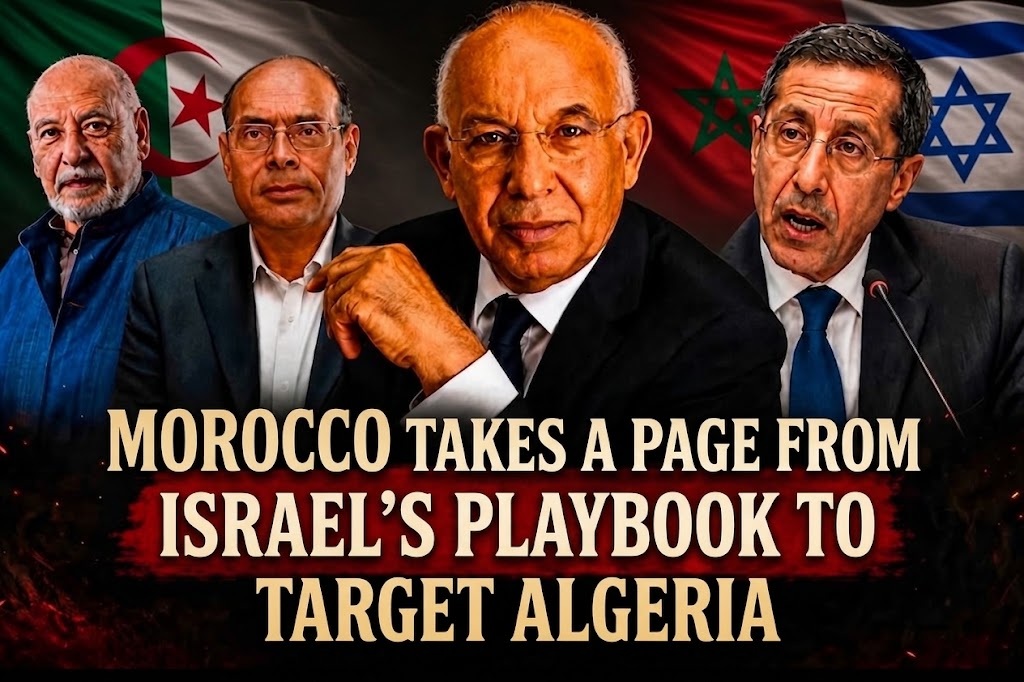
Algeria Gate: Algerian diplomat Abdelaziz Rahabi has accused Morocco of adopting tactics inspired by the Israeli model to undermine Algeria, following a series of statements targeting Algiers by Moroccan and regional figures.
The remarks came in response to recent statements by Morocco’s Permanent Representative to the United Nations Omar Hilale, Moroccan writer Tahar Ben Jelloun, and former Tunisian President Moncef Marzouki.
In an analysis published by El Khabar, Rahabi examined what he described as growing political and diplomatic pressure against Algeria, as well as the broader geopolitical tensions affecting North Africa.
Abdelaziz Rahabi Responds to Omar Hilale
Rahabi strongly criticized statements made by Morocco’s UN ambassador Omar Hilale, who claimed that Algeria did not exist as a state before 1962 and questioned its understanding of territorial integrity.
The Algerian diplomat recalled that Hilale had previously used the UN platform in July 2021 to call for the secession of Algeria’s Kabylie region. According to Rahabi, that intervention contributed to the deterioration of Algerian-Moroccan relations and preceded Algeria’s decision to sever diplomatic ties with Morocco in August 2021.
Rahabi also challenged what he described as an inaccurate interpretation of Algerian history, arguing that the country’s historical identity and territorial foundations predate the establishment of the modern Algerian state.
Algeria’s Historical Roots
According to Rahabi, Algeria’s history stretches back thousands of years and is deeply rooted in Numidia, which he described as a foundational element of Algeria’s geographical and national identity.
He pointed to King Massinissa, who ruled more than 2,200 years ago, as an important historical figure in the development of the region’s political and territorial identity.
Rahabi further argued that Numidia possessed key characteristics associated with statehood, including territory, population, and political authority, long before the emergence of modern European states.
Tahar Ben Jelloun Faces Criticism
Rahabi also criticized Moroccan writer Tahar Ben Jelloun over comments concerning the migration crisis in Ceuta.
According to Rahabi, Ben Jelloun accused Algeria of being behind what he described as a “Blue March” in Ceuta and claimed that Algerians represented the majority of the thousands of migrants who entered the Spanish enclave.
Rahabi rejected these allegations, arguing that available facts contradicted the claims. He accused Ben Jelloun of attempting to associate Algeria with the violence and humanitarian tragedy surrounding the Ceuta migration crisis.
The Algerian diplomat further argued that Morocco had turned migrants into a tool of diplomatic pressure, particularly in the context of tensions along Algeria’s borders.
Rahabi Criticizes Moncef Marzouki
Rahabi also addressed statements by former Tunisian President Moncef Marzouki, who, according to the Algerian diplomat, recently called on Algerians to launch a new “Hirak” movement.
Rahabi criticized Marzouki’s position on Algeria-Tunisia relations and accused him of contributing to diplomatic initiatives that, in his view, went beyond Tunisia’s traditional policy of neutrality on the Western Sahara issue.
He also recalled a 2014 proposal involving the Maghreb Union that, according to Rahabi, included a Moroccan autonomy plan for Western Sahara alongside the possibility of granting Algeria access to the Atlantic Ocean.
Rahabi Warns of a Coordinated Strategy Against Algeria
According to Rahabi, the statements by Hilale, Ben Jelloun, and Marzouki were issued within a relatively short period and reflect what he described as a broader strategy aimed at undermining Algeria.
He argued that Morocco is simultaneously sending messages calling for calm and normalization through international partners while mobilizing diplomatic and informal channels to maintain pressure on Algeria.
Rahabi linked this strategy to the longstanding tensions between the two neighboring countries, which have included the 1963 Sand War and the eventual severing of diplomatic relations in 2021.
“Morocco Is Drawing Inspiration From the Israeli Model”
In his concluding remarks, Rahabi argued that Morocco’s strategy seeks to portray Algeria as hostile to Western interests while strengthening Rabat’s position as a regional representative of Western interests.
He claimed that Morocco is “drawing inspiration from the Israeli model” in its efforts to influence perceptions of Algeria and secure greater diplomatic support.
Rahabi also connected the issue to Algeria’s positions on Palestine and Western Sahara, arguing that Algeria faces pressure because of its support for Palestinian rights and the principle of self-determination.
The Algerian diplomat concluded by warning against turning North Africa into an arena for confrontation between major powers. He stressed that geography remains a fundamental factor in regional strategy and argued that Algeria’s extensive borders make the country a central geopolitical actor in North Africa.