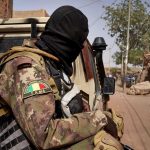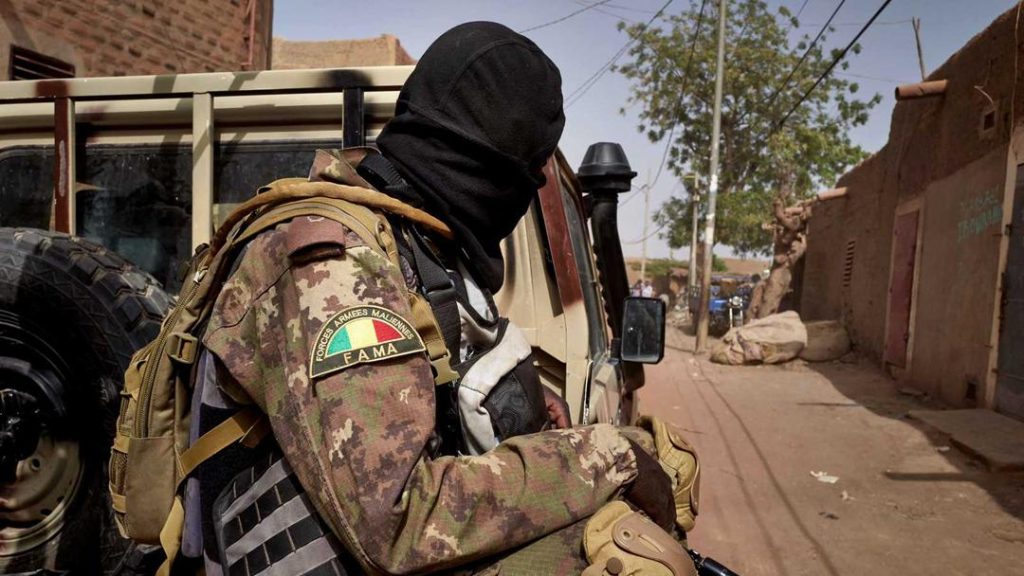
The security situation in northern Mali continues to deteriorate amid ongoing clashes between the Malian coup-led army and multiple armed groups operating across the region. The persistent instability highlights the difficulties faced by authorities in establishing durable territorial control in a highly fragmented security environment.
The situation is further complicated by reports of the continued presence of remnants of Wagner mercenary elements, who previously supported Malian military operations during earlier phases before their role evolved and became less formally defined within the Sahel security landscape.
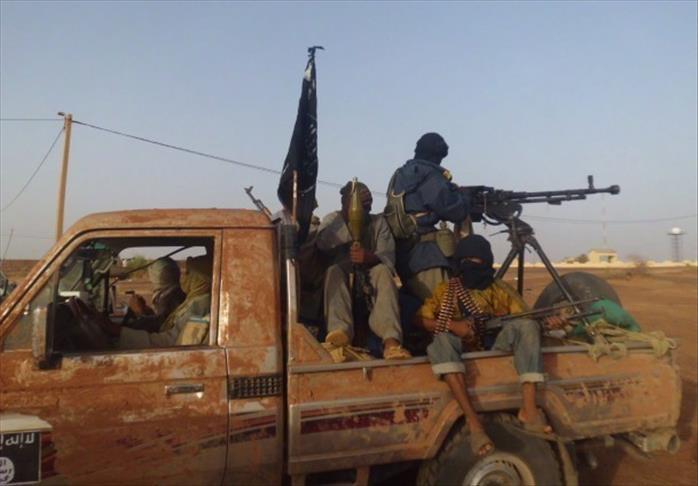
At the same time, the African Corps affiliated with Russia has emerged as a new framework for restructuring Moscow’s military presence in the region, as security challenges intensify and local dynamics increasingly intersect with external geopolitical interests.
This overlap between the Malian coup-led army, remnants of Wagner forces, and the Russian African Corps reflects a highly complex security environment that extends beyond conventional counter-insurgency operations. It points instead to a broader reconfiguration of power relations within the country, where state authority armed groups, and external actors operate in a constantly shifting balanc
Overall, northern Mali appears to be entering a prolonged phase of structural instability rather than a temporary security crisis. The multiplicity of actors involved ranging from the Malian military leadership to fragmented armed groups and evolving foreign military presences suggests that the conflict is no longer purely internal in nature.
Instead, it has become a layered confrontation shaped by overlapping local grievances and external strategic interests. In this context, achieving a clear military resolution remains unlikely in the short term, while political stabilization will require more than security-based approaches alone Without a comprehensive framework addressing both governance failures and regional dynamics, northern Mali is likely to remain a volatile and contested space.
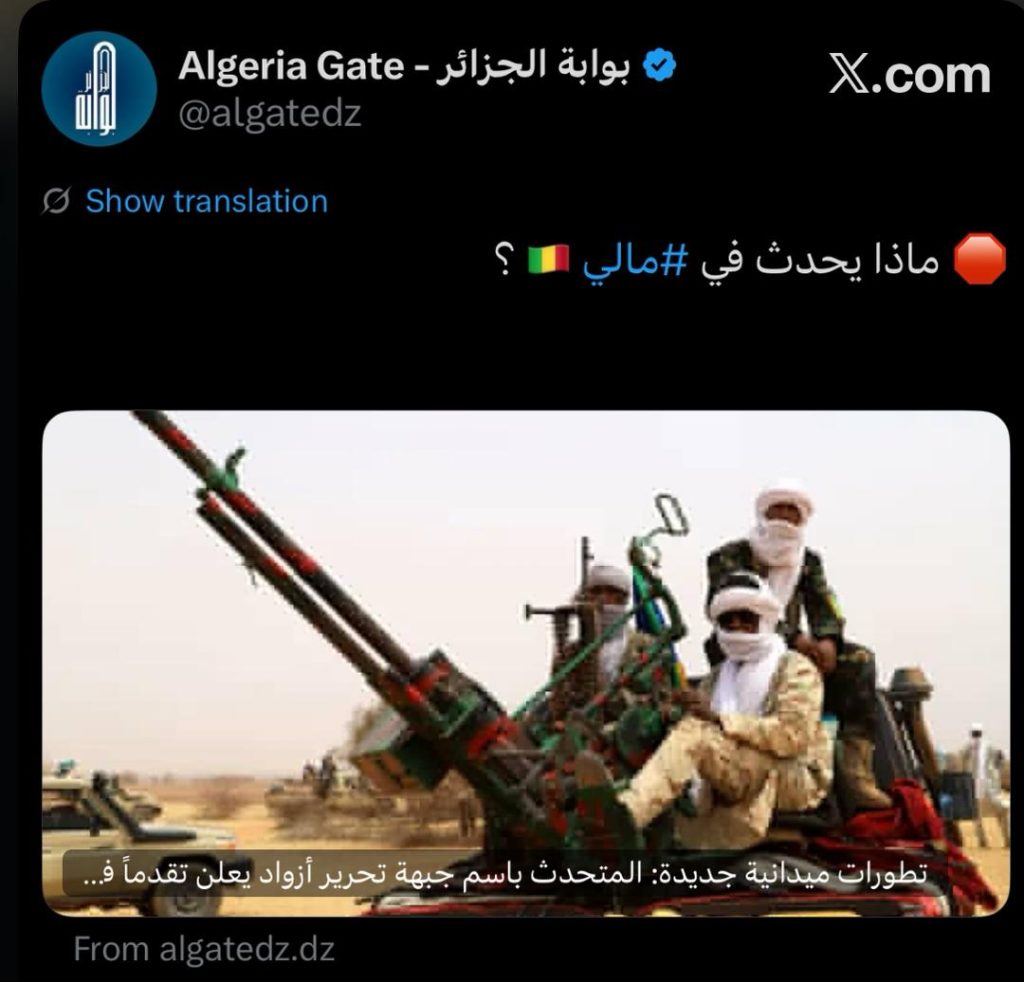
https://twitter.com/algatedz/status/2048081959046299883?s=46
Instead, it has become a layered confrontation shaped by overlapping local grievances and external strategic interests. In this context, achieving a clear military resolution remains unlikely in the short term, while political stabilization will require more than security-based approaches alone. Without a comprehensive framework addressing both governance failures and regional dynamics, northern Mali is likely to remain a volatile and contested space.