
Saturday, 18 July 2026 04:02 Algiers time
Algeria Gate
News Room
Morocco’s Spyware Obsession: How the Kingdom Built a Massive Surveillance Machine Against Its Opponents Mobilis Launches Its 2026 Road Tour in Tlemcen Dignity and sovereignty: Tebboune’s response from Berlin Beyond Gas: Why Germany Is Looking to Algeria as a Strategic Partner for Europe’s Next Economic Chapter Mohammadia Fire Tragedy: 11 Children Dead as Algeria Mourns Loss at State Care Center Tebboune Engages with Algerian Diaspora in Berlin, Addressing Their Concerns Riots in France after World Cup elimination coincide with National Day celebrations Europe absorbs Algerian gas: five markets control most LNG exports in 2026 Presidential decree regulates creation and maintenance of Artworks in public spaces Tebboune’s visit to Germany in numbers: 30 agreements, 150 businessmen, and strategic gas-hydrogen partnership
Share this post

The Senegalese Tidjaniyya order caliph stated about Algeria!

Published on 15 May 2026 at 12:01 (local time) Author: بوابة الجزائر 0 comments 48 views
The Senegalese Tidjaniyya order caliph stated about Algeria!

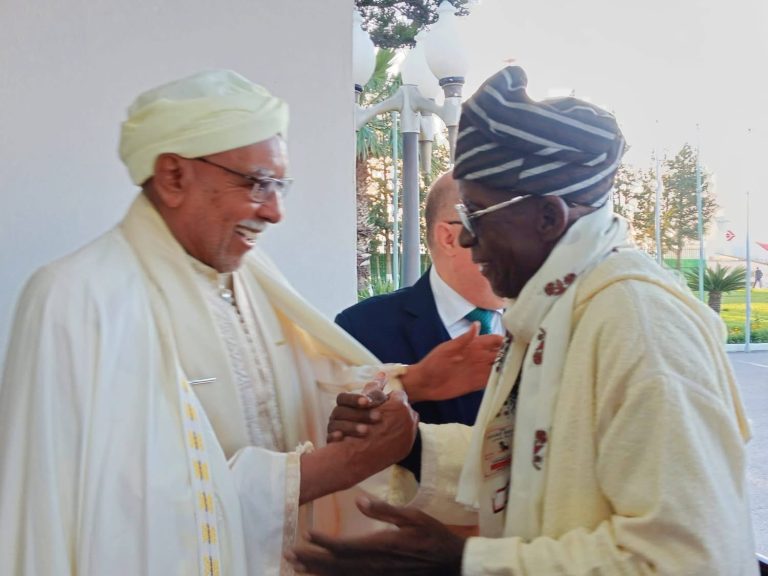
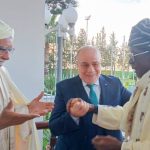
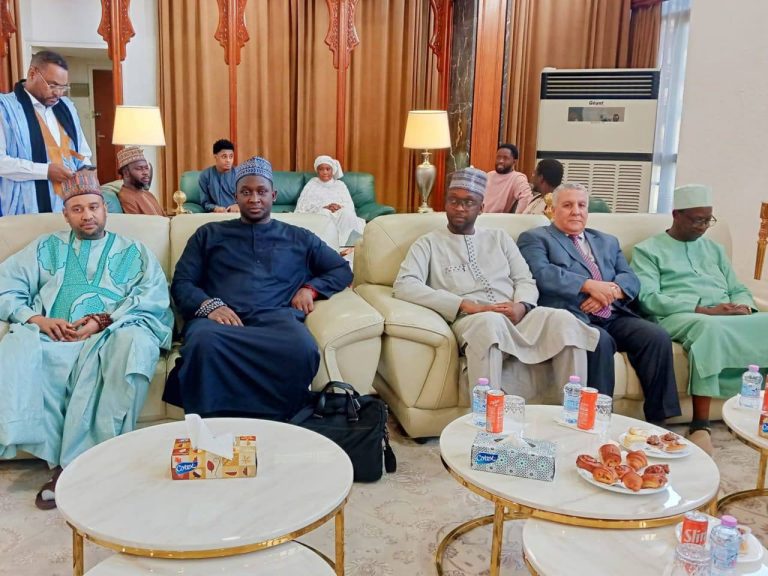
Algeria News Portal:in what many will see as a historic statement, Mohamed El Mahi Ibrahim Nias, General Caliph of the Tijaniyyah Order in Senegal, said in his first remarks after arriving in Algeria that “Algeria remains, in the eyes of the Senegalese, a model of pride, dignity and nobility, and an example of sacrifice for the homeland”.

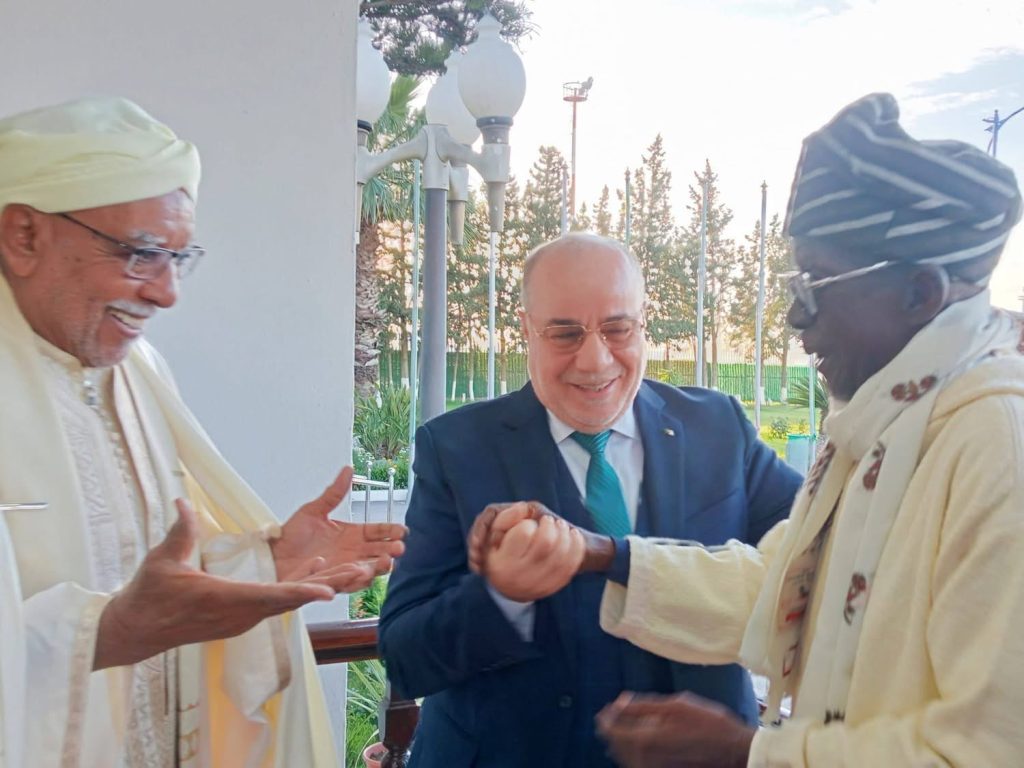
Mohamed El Mahi arrived in Algeria today, Friday, for an extended visit that will continue until 23 May. Upon arrival at Houari Boumediene International Airport, he and the delegation accompanying him were welcomed by the Minister of Religious Affairs, Youssef Belmahdi, alongside the General Caliph of the Tijaniyyah Order worldwide, Sheikh Sidi Ali Belarabi
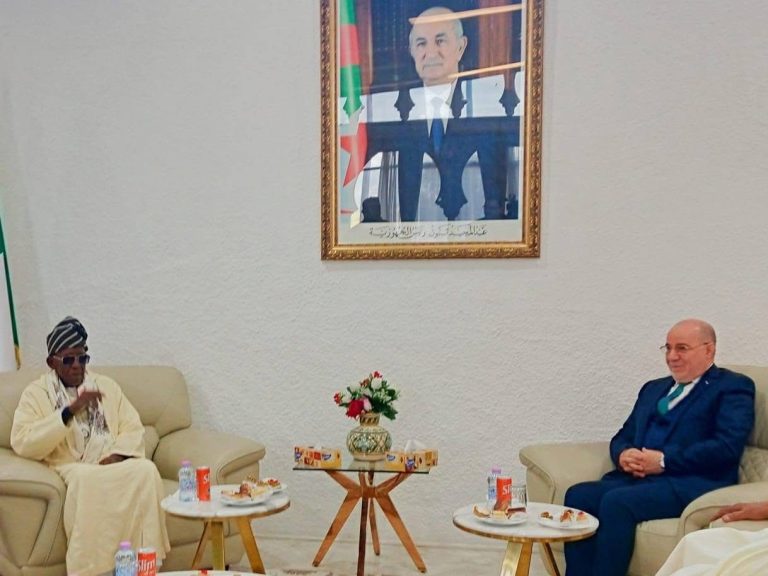
He added that this view reflects the deep respect many Senegalese continue to hold for Algeria’s history and standing in the region.

#Algeria#Tidjaniyya order
Author
بوابة الجزائر

Leave a comment

Your email address will not be published. Required fields are marked *

Others
Share this post

The Angolan president visiting the central supply base of Algeria،first military base

The Angolan president visiting the central supply base of Algeria،first military base

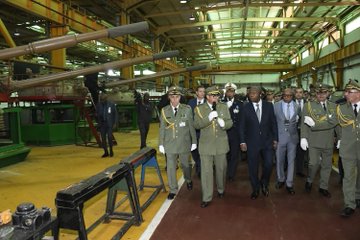
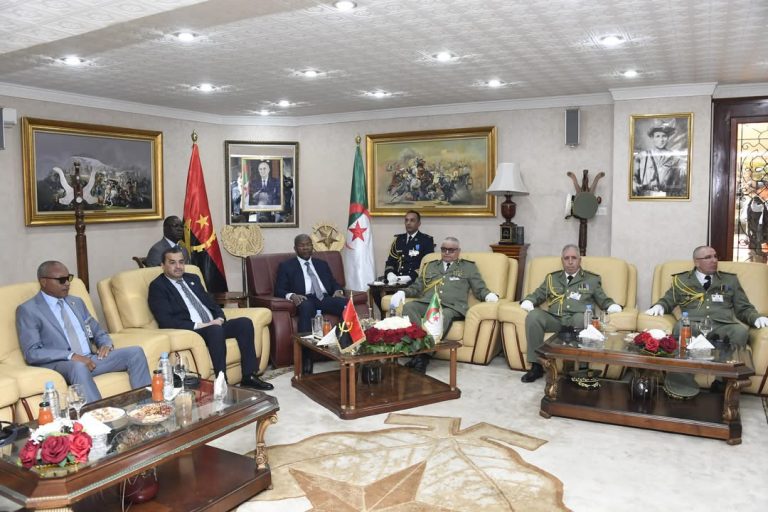
Algeria News Portal:The President of Angola, João Gonçalves Lourenço, stopped by a key military base in Algeria before heading home after a three-day visit. He was joined by Algeria’s Hydrocarbons Minister, Mohamed Arkab. At the base, they met with some top military officials, including the Major General in charge of the region and some directors from the Ministry of National Defence.

This visit was part of Lourenço’s official trip to Algeria, and it was announced by the Algerian Ministry of Defence. The base they visited is an important one, serving as a central supply hub for the military. It’s likely that the visit was an opportunity for the two countries to discuss cooperation and strengthening their relationship, especially in areas like defence and energy.

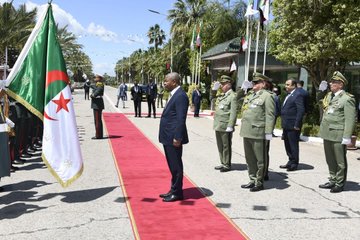
The Algerian visitor was given a special welcome with a ceremony performed by different groups from the People’s National Army. After that, the Major General in charge of the First Military Region gave a speech to welcome him. Then, the President of Angola went to a meeting where the Director General of the Central Supply Base talked about how the base is organized and what its main jobs are.

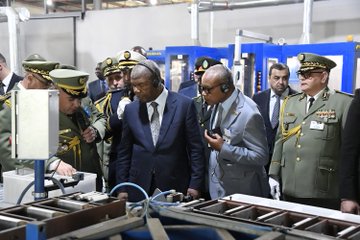
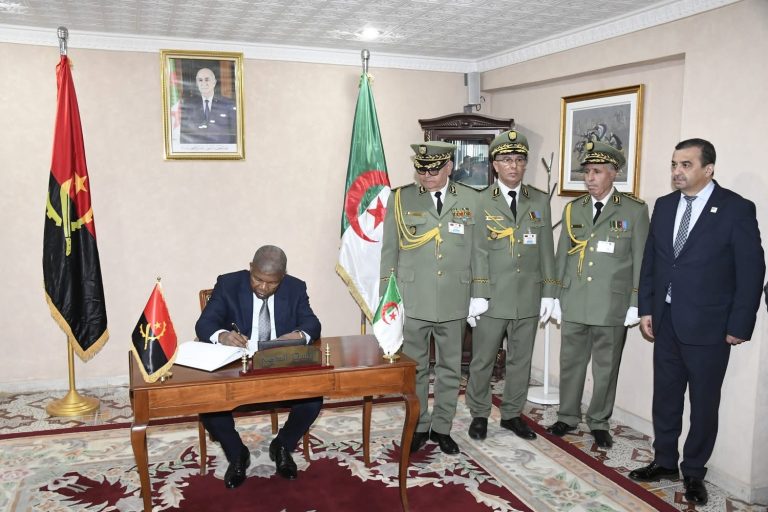
Following this, the Angolan President visited various departments and workshops at the base, such as the tracked vehicle refurbishment department and the battery production workshop, where he received detailed explanations regarding the work and functions of these facilities.The President of Angola put his name in the guest book at the Central Supply Base.

#Algeria#Angola
Author
بوابة الجزائر
Others
Share this post

Algeria: From the Myth of Isolation to the Reality of Strategic Centrality

Algeria: From the Myth of Isolation to the Reality of Strategic Centrality

For years, certain regional and international narratives attempted to portray Algeria as a state in diplomatic retreat — an actor standing at the margins of major geopolitical transformations. Yet recent developments have exposed the fragility of that narrative. What some described as “absence” was, in reality, a calculated phase of strategic recalibration.

Today, Algeria is no longer merely reappearing on the international stage; it is progressively reshaping its position as a central strategic pole connecting Africa, the Mediterranean, and the Sahel.

Sovereignty as a Doctrine, Not a Slogan

Algerian diplomacy has entered a new phase defined by strategic autonomy. In an era marked by global polarization, Algiers has refused alignment politics while simultaneously avoiding diplomatic passivity. This is not “neutrality” in its traditional sense, but a calculated doctrine of sovereign balance.

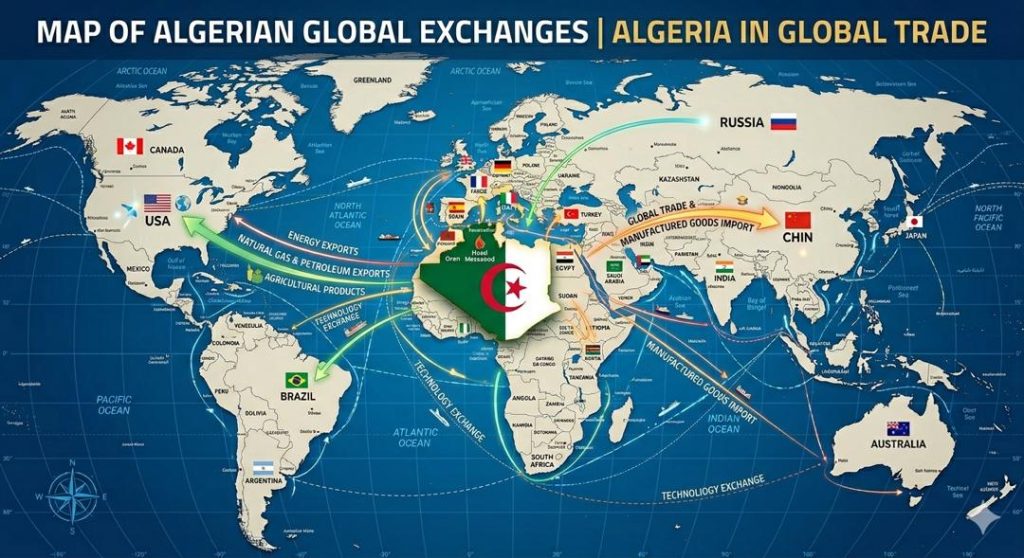
Algeria maintains strong energy partnerships with Europe, deep defense ties with major international powers, and growing economic cooperation with emerging actors across Asia and Africa — all without surrendering its independent decision-making.

This diplomatic flexibility has transformed Algeria into a rare actor capable of speaking to rival blocs simultaneously.

Algiers: A Destination for Competing Powers

One of the clearest indicators that the “isolation thesis” has collapsed is the unprecedented diplomatic movement toward Algiers itself.

The visits of high-level American military officials, including AFRICOM Commander General Michael Langley, reflected Washington’s growing recognition that no sustainable security architecture in the Sahel can bypass Algeria.

At the same time, Algeria has reinforced its strategic partnership with Russia through intensified military and energy cooperation, while also deepening economic and industrial relations with Turkey following President Abdelmadjid Tebboune’s high-profile visit to Ankara.

Even the Vatican’s engagement with Algeria carried symbolic significance, projecting the country as a platform of regional dialogue, religious coexistence, and Mediterranean stability.

These parallel relationships demonstrate a defining reality: Algeria is becoming a state that competing powers seek to engage rather than confront.

Africa: Algeria’s Strategic Depth

If the Mediterranean represents Algeria’s geopolitical gateway, then Africa remains its strategic backbone.

The official visit of Angolan President João Lourenço highlighted the emergence of a stronger Algiers-Luanda axis centered on energy, agriculture, and investment cooperation. Far from symbolic diplomacy, the partnership reflected Algeria’s ambition to position itself as an economic bridge between North Africa and Sub-Saharan Africa.

https://twitter.com/algatedzEng/status/2054133227359457461?s=20

Meanwhile, the visit of Chadian President Mahamat Idriss Déby reinforced Algeria’s central role in regional security. As instability spreads across the Sahel, Algeria increasingly appears as one of the few actors capable of advocating political mediation without direct foreign dependency.

In many African capitals, Algeria is no longer viewed solely through its revolutionary history, but through its ability to provide strategic balance in a fragmented region.

Energy, Reliability, and the Politics of Trust

The global energy crisis fundamentally altered Algeria’s geopolitical value.

At a moment when many alliances became unstable, Algeria distinguished itself as a reliable supplier capable of honoring long-term commitments under pressure. This reliability transformed energy from a commercial asset into a diplomatic instrument.

Europe’s renewed strategic interest in Algeria was not driven solely by geography, but by political trust.

In modern geopolitics, reliability has become a form of hard currency — and Algeria has invested heavily in it.

Diplomacy Backed by Infrastructure

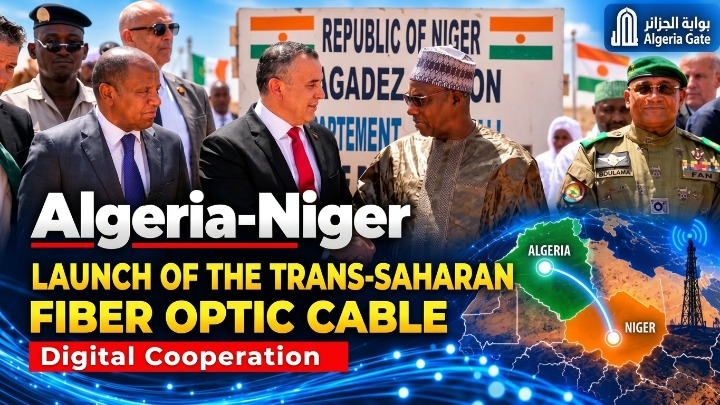
Modern Algerian diplomacy is no longer based exclusively on rhetoric or historical legitimacy. It is increasingly supported by massive transcontinental projects designed to redraw regional connectivity.

Projects such as the Trans-Saharan Highway and the Nigeria-Algeria-Europe gas pipeline illustrate Algeria’s ambition to become a logistical and energy corridor linking Africa directly to Europe.

A nation constructing strategic corridors across continents cannot realistically be described as “isolated.”

https://twitter.com/algatedzEng/status/2053842746796883998?s=20

The Emergence of a Pivotal Algeria

Despite persistent economic and bureaucratic challenges, Algeria has managed to preserve something many regional powers have lost: strategic independence.

The growing diplomatic activity surrounding El Mouradia Palace is therefore not accidental. It reflects a long-term vision aimed at transforming Algeria from a reactive regional actor into a central geopolitical force.

The question today is no longer whether Algeria has returned to the international stage.

The real question is whether the Mediterranean, African, and Sahel equations can still be designed without Algeria at their center.

Author
yasmine ouazib
African coast
Share this post

Algeria to Export 500,000 Tons of Cement to Mauritania

Algeria to Export 500,000 Tons of Cement to Mauritania

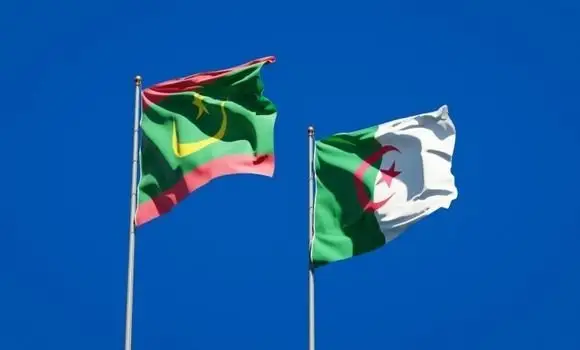
The 8th edition of the Algerian Products and Services Fair, held in Nouakchott, concluded on a highly successful note, marked by the signing of 18 new agreements across the trade, services, and export sectors. With these new deals, the total number of agreements concluded since the fair’s inception now reaches 70.

A standout among the major agreements signed during the closing ceremony is a contract to supply Mauritania with Algerian cement. The deal was struck between Air Algérie Cargo, subsidiaries of the Algerian Maritime Transport Group (GATMA), and Canal Algérie Transport.

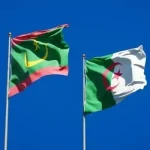
This partnership entails the export of 500,000 tons of Algerian cement to Mauritania, valued at an estimated $50 million, vividly illustrating the upward trajectory and growing dynamic of economic exchanges between the two nations.

#Algeria#Mauritania
Author
بوابة الجزائر