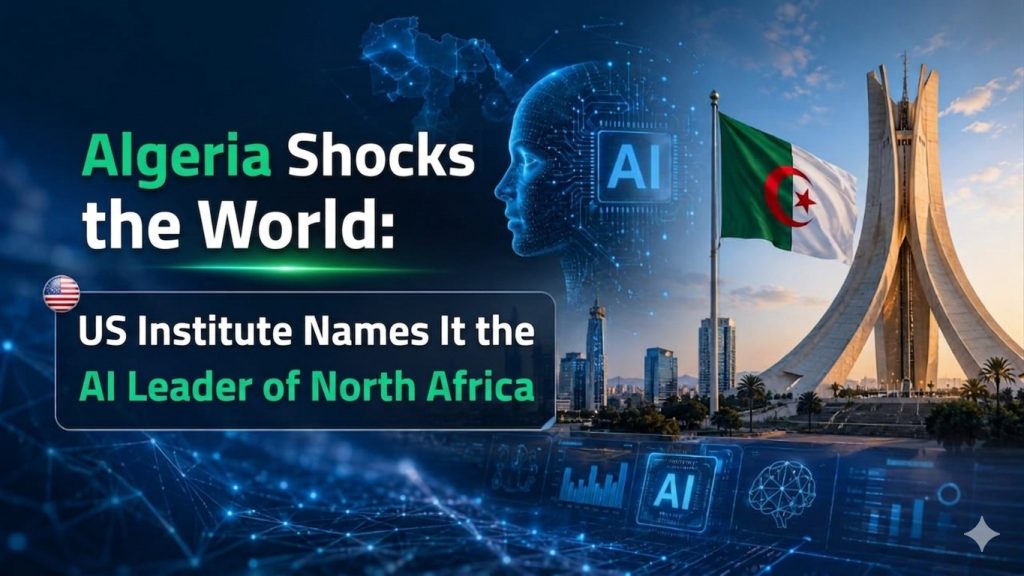
In a remarkable strategic assessment, the American New Lines Institute has identified Algeria as the most promising technological power in the Maghreb, describing it as “the most qualified country to lead Artificial Intelligence development in North Africa.”
Far from being viewed solely as a traditional energy giant, Algeria is increasingly emerging as a state seeking to build genuine strategic autonomy in advanced technologies particularly in Artificial Intelligence.
According to the Washington-based think tank, the country is pursuing a balanced international approach, developing partnerships simultaneously with the United States, China, Italy, and France while avoiding overdependence on any single bloc.
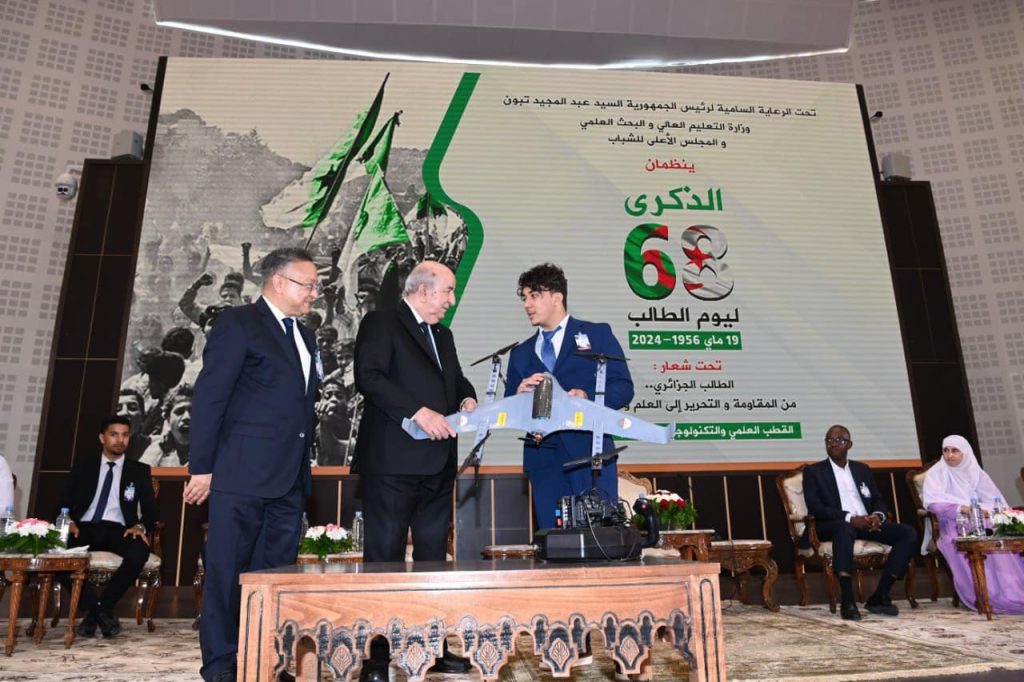
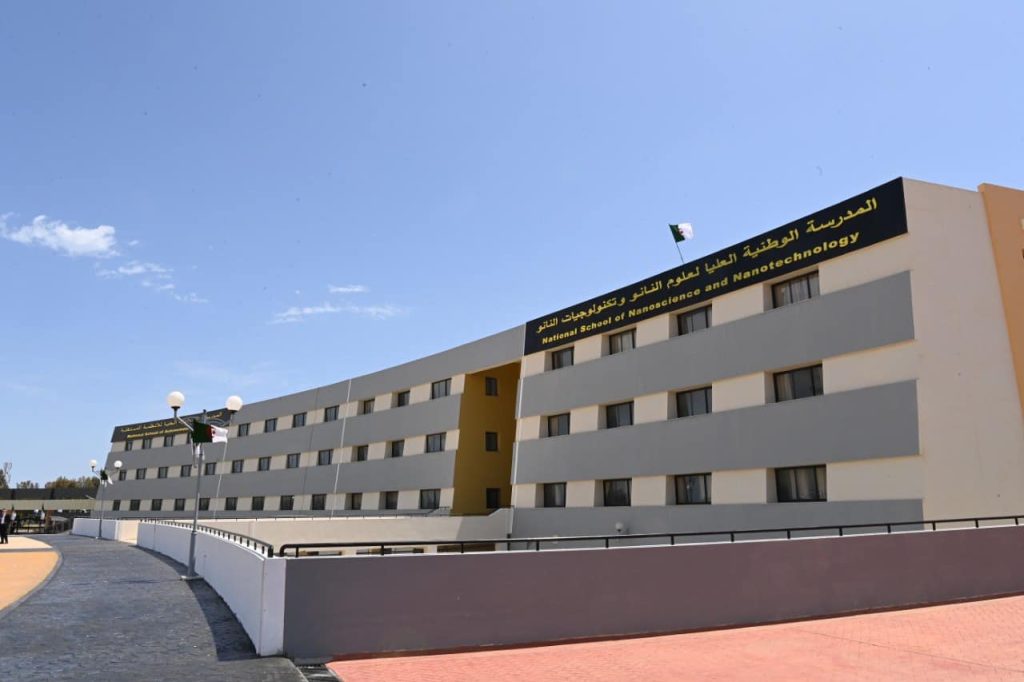
At the core of this transformation lies Algeria’s expanding educational and scientific ecosystem. The report highlights one of the continent’s strongest academic foundations in computer science and AI, with more than 57,000 students currently enrolled in 74 specialized Master’s programs across 52 universities. Algeria also continues to rank among Africa’s leading contributors to international scientific publications, signaling a growing research capacity that extends beyond regional standards.
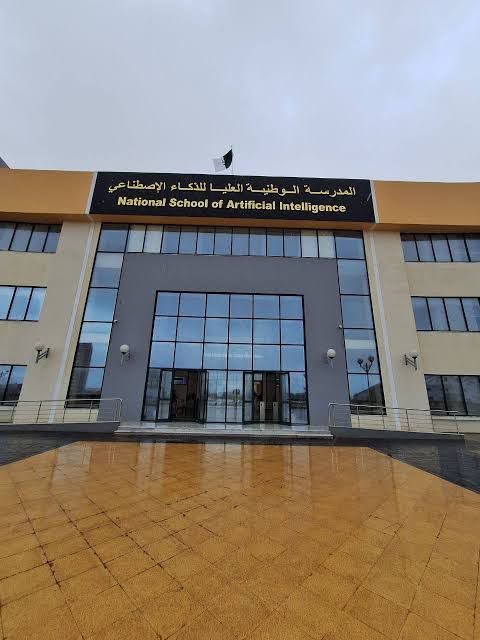
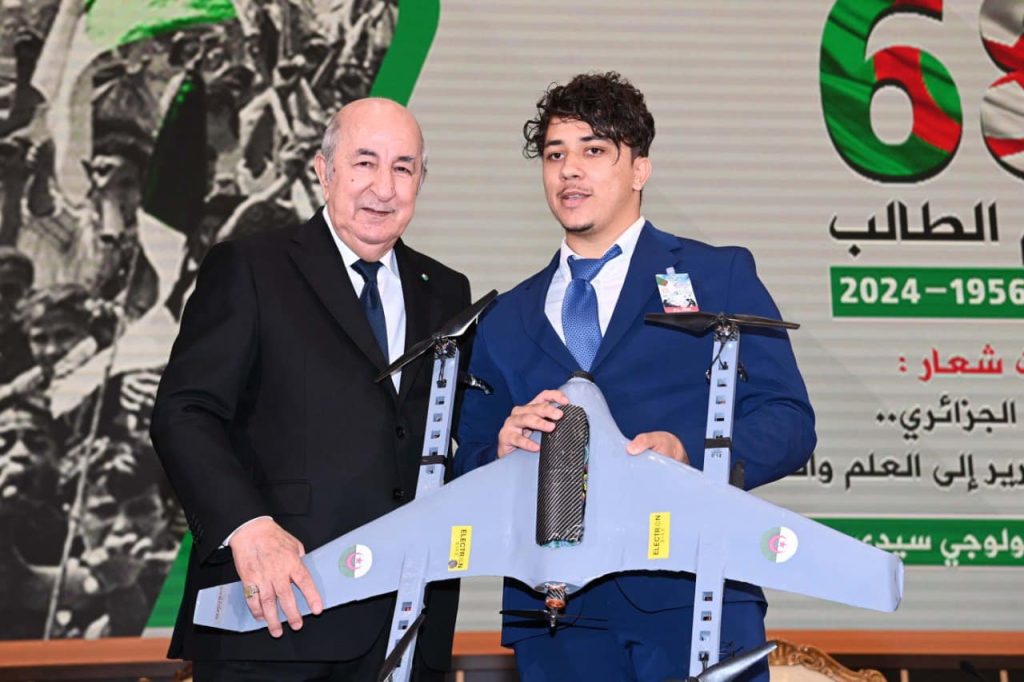
The study further notes that Algeria is not limiting AI development to theoretical education. Instead, authorities are integrating AI technologies into strategic sectors with direct economic and national impact, particularly agriculture, healthcare, and energy. Analysts project the domestic AI market to expand dramatically from nearly $500 million in 2025 to approximately $1.7 billion by 2030 reflecting the scale of the country’s digital ambitions.
Geopolitically, the report emphasizes Algeria’s unique positioning between Europe and Sub-Saharan Africa. Combined with vast energy resources and increasing diplomatic weight, this location could allow Algeria to become a regional technological hub at a time when global competition over energy security and digital supremacy is intensifying.
One of the report’s most notable observations concerns what it describes as a “quiet sovereign transformation” inside Algerian academia. The gradual decline of French linguistic dominance in universities, alongside the growing adoption of English and expanding cooperation with American universities and international scientific programs, is presented as a deeper strategic shift rather than a simple educational reform.
While the institute acknowledges persistent challenges particularly regarding digital infrastructure and internet connectivity it concludes that Algeria possesses a coherent long-term vision capable of transforming it into the most influential technological actor in both the Maghreb and the wider Sahel region over the coming decade.
Algeria may still be at the beginning of its AI journey, but according to this assessment, the country is no longer merely preparing for the future it is actively positioning itself to shape it.