Sunday, 18 October 2026 • 23:17 Algiers time
Algeria Gate
News Room
Cameron Hudson: UAE is virtually the sole backer of the RSF..without its support the war in Sudan would not continue Algeria-Niger: Official launch of Trans-Saharan fibre optic link Five minutes of lament over Algeria: Amar Belani exposes CNEWS’s real obsession Algerian courts hand down first death sentences under new drugs law Ségolène Royal’s masterclass on Algeria against an ignorant and demagogic journalist President Tebboune and senior officials receive the remains of Boualem Boualem in Algiers NAPEC 2026 in Oran: Algeria at the Heart of Africa’s and the Mediterranean’s New Energy Landscape Pegasus Files: Amnesty Uncovers Morocco’s Espionage Against Spain President Tebboune Orders Salary Increases in Algeria’s 2027 Budget, Rules Out New Taxes on Citizens Algeria Emerges as a Trusted Power for Regional Peace and Stability
Share this post

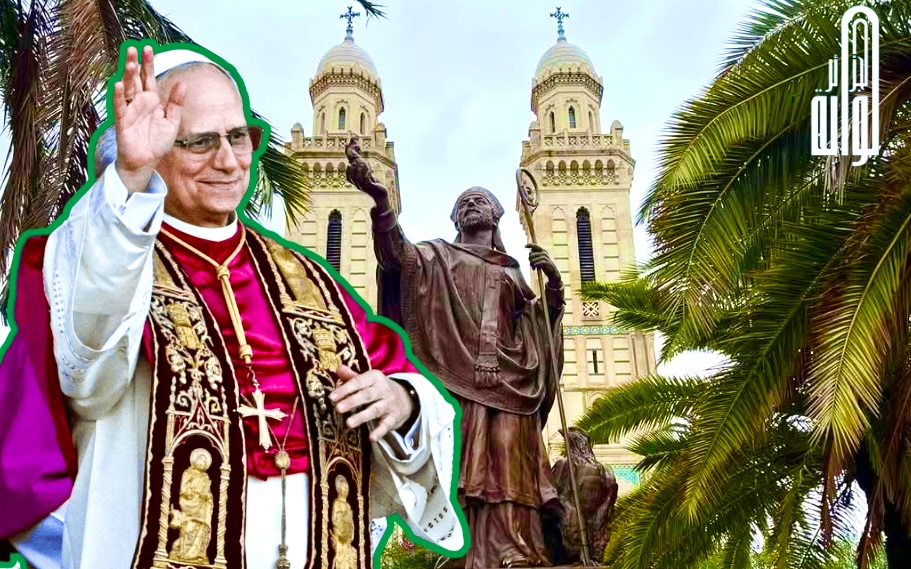
Algeria: The Global Cultural Bridge as Pope Leo XIV Traces the Roots of Saint Augustine

• Author: بوابة الجزائر • 0 comments • 109 views
Algeria: The Global Cultural Bridge as Pope Leo XIV Traces the Roots of Saint Augustine

International Media Focuses on Algiers and Annaba—Not Just as Diplomatic Stops, but as the Cradle of Modern Existential Thought and Interfaith Dialogue.

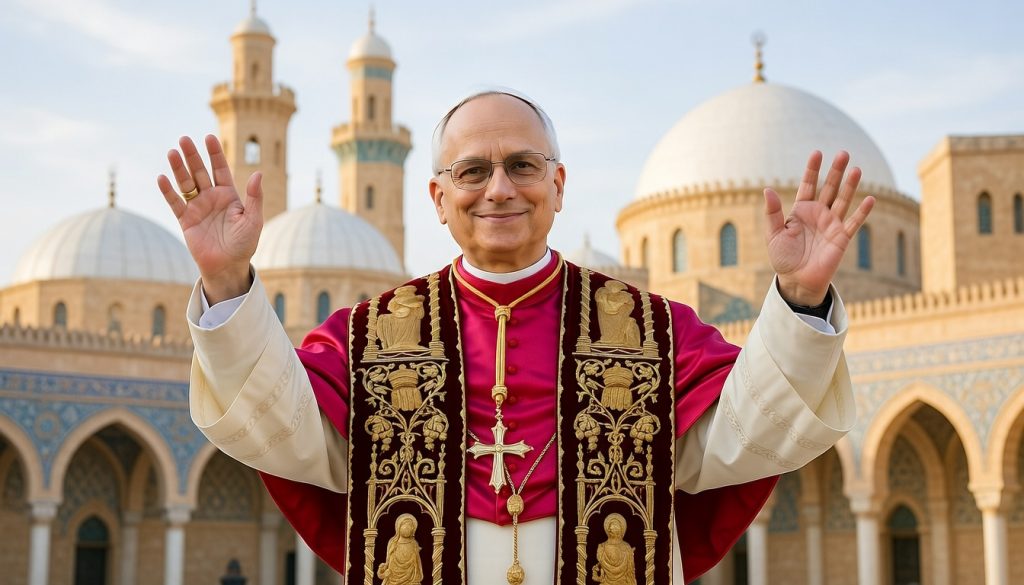
As Pope Leo XIV prepares to embark on his historic apostolic journey to Algeria this Monday, the global spotlight is shining brightly on a nation that has long served as a vital cultural and intellectual bridge between the Mediterranean, Africa, and the West. While diplomatic protocols are essential, the international media is increasingly captivated by a deeper narrative: the spiritual homecoming of a Pope to the land of his mentor, Saint Augustine.

A Cultural and Philosophical Nexus

Algeria’s role as a “cultural bridge” is not merely historical; it is a living intellectual legacy. As noted by Augustine scholar James K.A. Smith, the 4th-century Bishop of Hippo (modern-day Annaba) remains the foundational figure of Western interiority. Interestingly, 20th-century giants like Albert Camus, Jacques Derrida, and Jean-François Lyotard—all with deep roots in Algerian soil—returned to Augustine’s thought to shape modern philosophy. This visit re-establishes Algeria as the geographic heart where ancient theology and modern existentialism meet.

Global Media Interest: Beyond the Surface

The unprecedented attention from international outlets like Vatican News, KTO, and major global agencies underscores that this visit transcends local politics. The world is watching how a “Refugee Spirituality”—a concept championed by Augustine—will be articulated in a country that acts as a strategic gateway to Africa. For the global press, Algeria is the stage where the Church’s “African identity” and its commitment to interfaith coexistence at the Great Mosque of Algiers will be put on display.

A Message of Universal Resonance

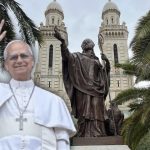
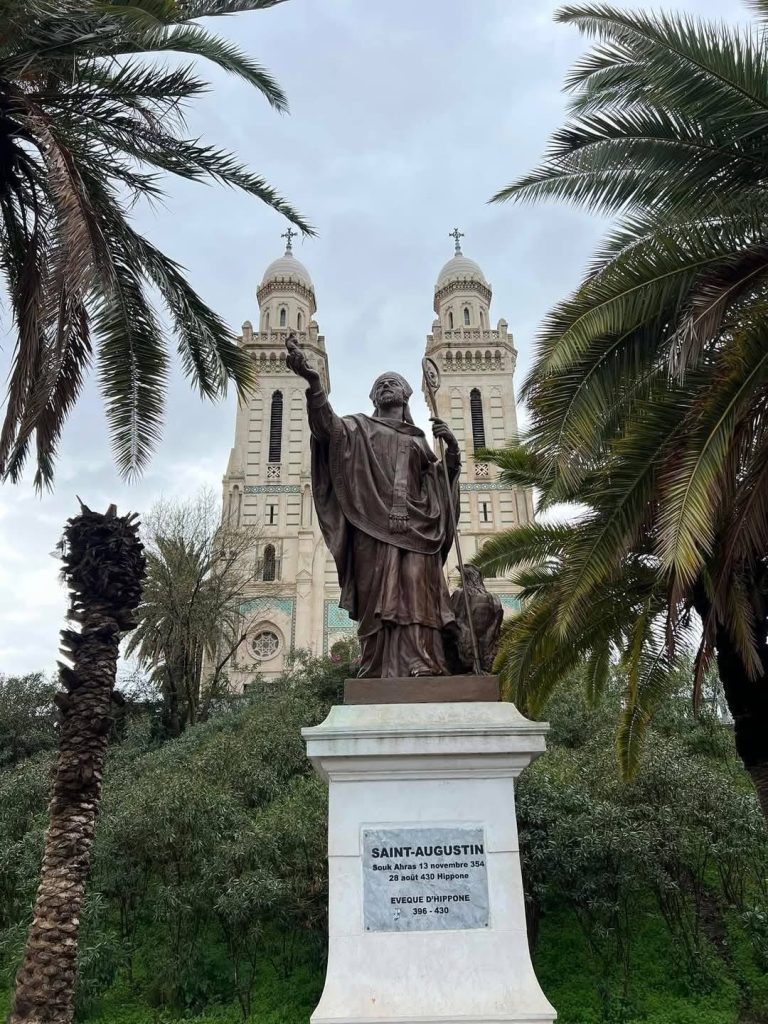
By visiting the ruins of Hippo Regius and the Basilica of Saint Augustine, Pope Leo XIV is not just visiting a minority Catholic community; he is honoring a “Restless Heart” that belongs to all humanity. The journey highlights Algeria’s unique position: a land capable of hosting a dialogue that addresses global anxieties, migration, and the “idolatry of power,” through the lens of humility and shared heritage.

Source: Vatican News

#Algeria#Saint Augustine
Author
بوابة الجزائر
View my articles

Leave a comment

Your email address will not be published. Required fields are marked *

African coast
Share this post

Pope Leo XIV to Embark on 11-Day Apostolic Journey Across Africa Tomorrow

Pope Leo XIV to Embark on 11-Day Apostolic Journey Across Africa Tomorrow

The Four-Nation Tour Begins in Algeria Before Heading to Cameroon, Angola, and Equatorial Guinea to Promote Peace and Dialogue

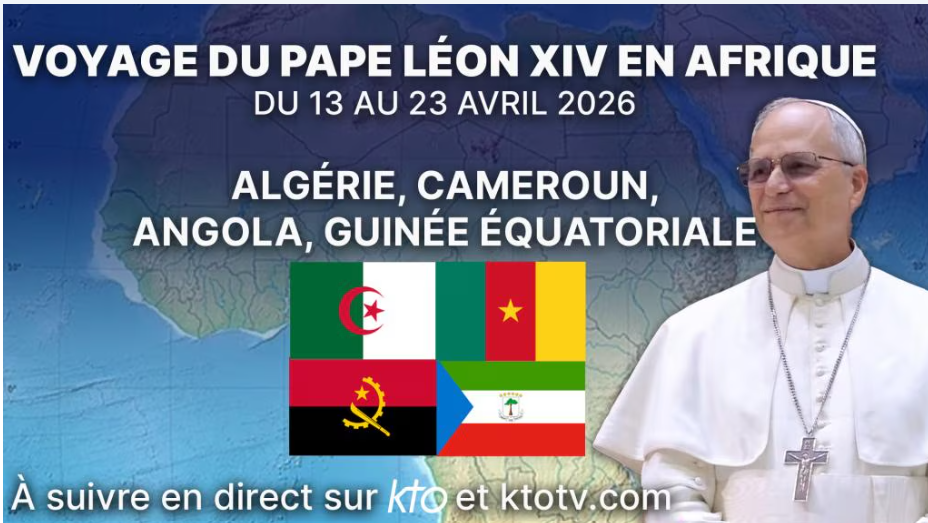
From April 13 to April 23, 2026, the Pope will undertake a major apostolic journey to Africa, covering Algeria, Cameroon, Angola, and Equatorial Guinea. As a “son of Saint Augustine,” the Pope has made the significant choice to spend 11 days visiting the African continent. The itinerary includes Masses, political meetings, social visits, and calls for peace in sensitive regions. The entire journey will be broadcast live on KTO and ktotv.com.

Responding to invitations from Heads of State and the respective ecclesiastical authorities, his journey is scheduled as follows:

  • Algeria (April 13–15): Visiting Algiers and Annaba.
  • Cameroon (April 15–18): Visiting the cities of Yaoundé, Bamenda, and Douala.
  • Angola (April 18–21): Visiting Luanda, Muxima, and Saurimo.
  • Equatorial Guinea (April 21–23): Concluding the tour in Malabo, Mongomo, and Bata.

Author
بوابة الجزائر
View my articles
Algeria
Share this post

A Journey of Remebrance: Pope Leo XIV Honors the 19 Blesses Martyrs in Historic Algerian Visit

A Journey of Remebrance: Pope Leo XIV Honors the 19 Blesses Martyrs in Historic Algerian Visit

Tracing the Footsteps of Sister Esther and Sister Caridad: The Personal Story Behind the Pope’s Connection to Bab El Oued

On Monday, Pope Leo XIV will travel to Algeria, marking the first-ever visit by a Roman Pontiff to the birthplace of Saint Augustine, his spiritual father. Algiers will be a central hub for this prominent religious event, where the Pope is expected to pray at the Church of the “19 Blessed Martyrs”—a group of Catholics assassinated during the “Black Decade,” including two Spanish nuns who served in the popular neighborhood of Bab El Oued.

This visit holds deep personal significance for Pope Leo XIV. In 2013, while serving as the Prior General of the Order of Saint Augustine, he visited Bab El Oued to honor the teachings of Saint Augustine, born in 354 in Tagaste (modern-day Souk Ahras). During that visit, he invoked the memories of Sister Esther and Sister Caridad, members of the same order who were among the 19 martyrs killed by terrorism, alongside the monks of Tibhirine. Archbishop of Algiers, Jean-Paul Vesco, confirmed that “the two Augustinian sisters, along with the other martyrs, remain vividly present in the Pope’s personal memory.”

A Humanitarian Path and Commitment Until the End

Sister Caridad first arrived in Algeria in 1958, and after a 26-year health-related hiatus, returned in 1990. Sister Esther, a nurse, arrived in 1975 and dedicated her life to serving the sick, especially children with disabilities. Driven by her devotion, she learned Arabic and studied Islamic sciences in Rome for two years to better understand the community she served.

On May 8, 1994, Brother Henri Vergès and Sister Paul-Hélène Saint-Raymond were killed in the Casbah, marking the start of a tragic series of assassinations of 19 clergy members. Despite the escalating risks, Sister Esther and Sister Caridad chose to remain with the local population. Sister Lourdes Migueles Matia, who lived with them for years, recalls that the decision to stay followed days of reflection and prayer: “We could not leave a people who had embraced us, especially in their time of suffering. It was a choice of loyalty until the end.”

On October 23, 1994, while on their way to Mass, shots rang out. “We were walking just behind them when we heard the gunfire a few meters away,” Sister Lourdes recounts. Sister Esther died instantly, while Sister Caridad succumbed to her wounds later. Their humanitarian journey ended in ultimate sacrifice, leaving their story as an enduring symbol of commitment and solidarity during one of the most tragic periods in modern Algerian history.

Author
بوابة الجزائر
View my articles
Algeria
Share this post

Archbishop of Algiers Dismisses Political Exploitation Claims Ahead of Historic Papal Visit

Archbishop of Algiers Dismisses Political Exploitation Claims Ahead of Historic Papal Visit

Cardinal Jean-Paul Vesco to France 24: Algeria Welcomes Pope Leo XIV with Pride; The Visit’s Spiritual Depth Transcends Narrow Political Readings

Archbishop of Algiers Dismisses Political Exploitation Claims Ahead of Historic Papal Visit

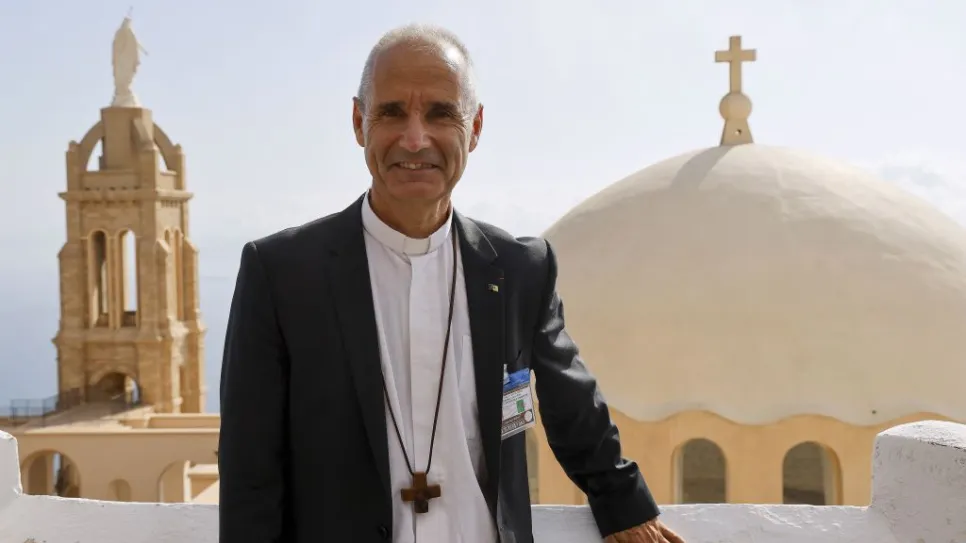
In statements that silence critics and those spreading misinformation about Algeria, the Archbishop of Algiers, Cardinal Jean-Paul Vesco, affirmed that “Algeria has no intention of instrumentalizing or politically exploiting the Pope’s visit,” as some have claimed.

Speaking in an extensive interview with “France 24,” the Cardinal responded decisively to a question regarding Algeria’s interest in hosting Pope Leo XIV. He stated: “I believe there is no country in the world that does not wish to host the Pope. Like any other nation, Algeria views this visit with welcome and pride. I imagine that President Abdelmadjid Tebboune considers it an honor and will ensure it is organized under the best possible conditions.”

Archbishop of Algiers Dismisses Political Exploitation Claims Ahead of Historic Papal Visit

He further added: “While it is true that multiple interpretations can be made—and some may claim political or media exploitation—I do not believe this is the core of what is happening. What is occurring at a deeper level goes far beyond these narrow readings.”

Archbishop of Algiers Dismisses Political Exploitation Claims Ahead of Historic Papal Visit

According to Jean-Paul Vesco, the visit carries a powerful symbolic and human dimension, potentially highlighting a different face of the country—one built on openness and dialogue. Pope Leo XIV is set to begin this historic visit, the first of its kind, tomorrow, Monday. His itinerary includes several landmark sites, most notably the Basilica of Saint Augustine in Annaba, eastern Algeria.

Archbishop of Algiers Dismisses Political Exploitation Claims Ahead of Historic Papal Visit

Author
بوابة الجزائر
View my articles