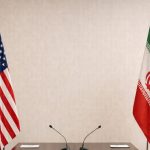


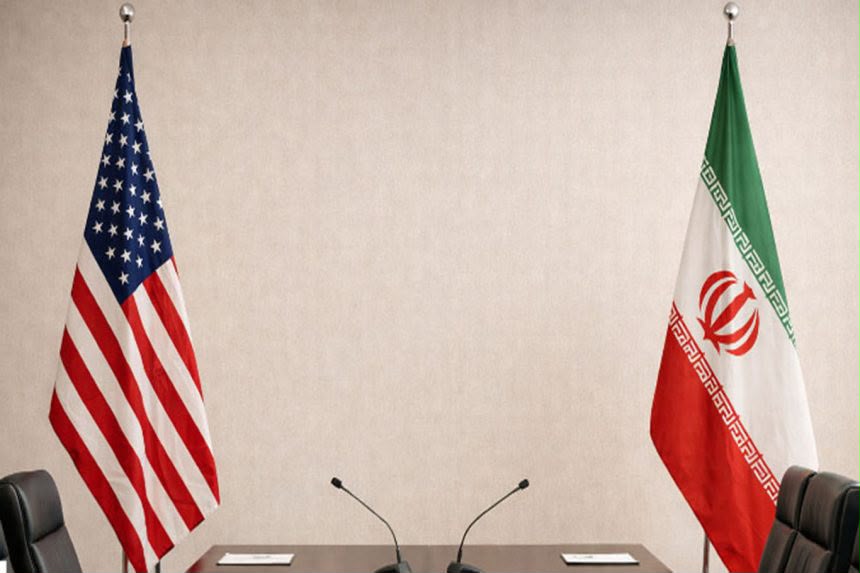
After more than a hundred days of war and strikes that US officials say inflicted severe damage on Iran’s nuclear sites at Fordow, Natanz, and Isfahan, President Trump finds himself somewhere none of his predecessors did. Iran, which for decades refused to negotiate from a position of perceived weakness, broke under direct military pressure and returned to the table on terms far narrower than its historical demands.
That, supporters of the administration’s approach argue, is not a footnote. It is conclusive proof that decades of patient diplomacy failed where force succeeded. Iran’s strategy for years relied on open-ended talks with no deadline, stalling while it built a stockpile of uranium enriched to 60 percent now approaching 440 kilograms, a single technical step from weapons grade. The 2015 deal took years of negotiation and still didn’t stop that buildup. Military strikes accomplished in months what “patient diplomacy” failed to do in a decade.
First: “peace through strength” succeeded exactly where conventional diplomacy failed
Vice President JD Vance didn’t just issue a rhetorical threat when he warned that “hell will rain down” if Iran pursues a weapon. It signals a complete doctrinal shift: forward deterrence instead of the deferred containment that defined every prior administration. The results are concrete, not theoretical: the reopening of the Strait of Hormuz, and falling oil prices after weeks of disruption that Tehran itself caused. These aren’t side benefits. They are practical proof that direct confrontation, not prolonged negotiation, is the only language Tehran actually responds to.
Second: the new framework is tighter and tougher than 2015, full stop
Advocates argue this round corrected the single biggest flaw of the JCPOA: that deal said nothing about Iran’s missile program or its support for regional armed groups, and it relied on passive verification that Iran later circumvented anyway. This time, Vance has signaled the US is pushing for inspectors not just to monitor but to actively help dismantle the highly enriched stockpile. Passive monitoring failed once already; active dismantlement is the higher bar this round is reportedly aiming for.
Third: Washington is negotiating from leverage, not need
This is the clearest marker of how much has changed. Tehran is framing access to $24bn in frozen assets as a precondition for talks even continuing, a sign of how badly it needs relief. Washington’s response has been to refuse to treat that need as leverage against itself: relief tied to verifiable action, not promises, not sequencing games. That outcomes-conditioned posture was absent from every round since 2015, when Iran routinely banked economic concessions up front while slow-walking the obligations that were supposed to follow.
The full picture includes hard questions
Critics, including former Obama administration officials who negotiated the 2015 deal, argue the current agenda is actually narrower than what Washington sought before the war: missiles and regional proxies have been dropped from the table entirely, and the core questions of enrichment levels and stockpile disposition remain unresolved. Reopening the Strait of Hormuz, they add, only restores a status quo the war itself disrupted, not a new gain beyond it. Those objections deserve to be weighed seriously over the next 60 days, which will determine whether this framework hardens into a durable deal or collapses like the negotiating rounds that preceded it.