Sunday, 18 October 2026 • 18:54 Algiers time
Algeria Gate
News Room
Cameron Hudson: UAE is virtually the sole backer of the RSF..without its support the war in Sudan would not continue Algeria-Niger: Official launch of Trans-Saharan fibre optic link Five minutes of lament over Algeria: Amar Belani exposes CNEWS’s real obsession Algerian courts hand down first death sentences under new drugs law Ségolène Royal’s masterclass on Algeria against an ignorant and demagogic journalist President Tebboune and senior officials receive the remains of Boualem Boualem in Algiers NAPEC 2026 in Oran: Algeria at the Heart of Africa’s and the Mediterranean’s New Energy Landscape Pegasus Files: Amnesty Uncovers Morocco’s Espionage Against Spain President Tebboune Orders Salary Increases in Algeria’s 2027 Budget, Rules Out New Taxes on Citizens Algeria Emerges as a Trusted Power for Regional Peace and Stability
Share this post

G7 Summit 2026: Can the World’s Most Powerful Economies Still Shape Global Events?

• Author: بوابة الجزائر • 0 comments • 81 views
G7 Summit 2026: Can the World’s Most Powerful Economies Still Shape Global Events?

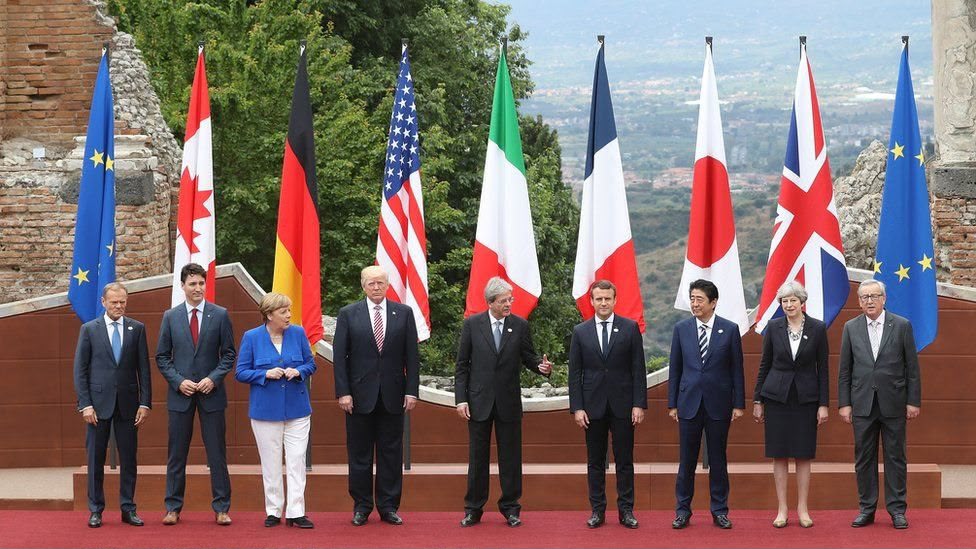
The G7 Summit is taking place from June 15 to 17, 2026, in Évian-les-Bains, France, at a time of growing geopolitical tensions and economic uncertainty.

World leaders are expected to focus on several pressing issues, including the war in Ukraine, rising tensions in the Middle East and the Strait of Hormuz, as well as the rapid development of artificial intelligence and its impact on the global economy.

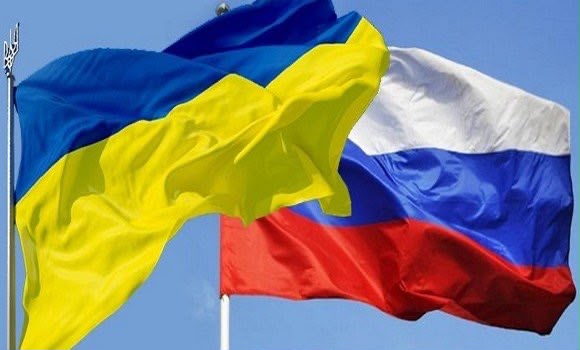
The conflict in Ukraine remains one of the summit’s most important topics, with G7 leaders seeking to coordinate their policies and maintain support for Kyiv. Meanwhile, concerns over regional stability in the Middle East and potential disruptions to global energy supplies have added urgency to discussions.
G7 Summit 2026: Can the World’s Most Powerful Economies Still Shape Global Events?

Economic challenges are also high on the agenda. Leaders are expected to address slowing growth, inflationary pressures, and widening economic gaps between major powers. Artificial intelligence is another key subject, with growing calls for international cooperation to ensure the technology develops in a safe and responsible manner.

While G7 summits often generate major headlines and strong political statements, their real impact is often debated. Supporters argue that these meetings help coordinate policies among the world’s leading economies and influence global affairs. Critics, however, question whether such gatherings can deliver meaningful solutions to increasingly complex international crises.

In my view, additional sanctions and pressure measures alone are unlikely to resolve long\ standing conflicts. They may increase costs for targeted states, but they can also prolong confrontations and deepen economic hardship. Lasting solutions usually require a combination of pressure, diplomacy, and serious negotiations rather than relying on a single tool.

Author
بوابة الجزائر
View my articles

Leave a comment

Your email address will not be published. Required fields are marked *

Algeria
Share this post

Algeria, OPEC+, and the 188,000 bpd Decision: Who Really Gained?

Algeria, OPEC+, and the 188,000 bpd Decision: Who Really Gained?

In the oil market, bold moves often attract headlines. Yet history shows that patient observers frequently emerge as the real winners.

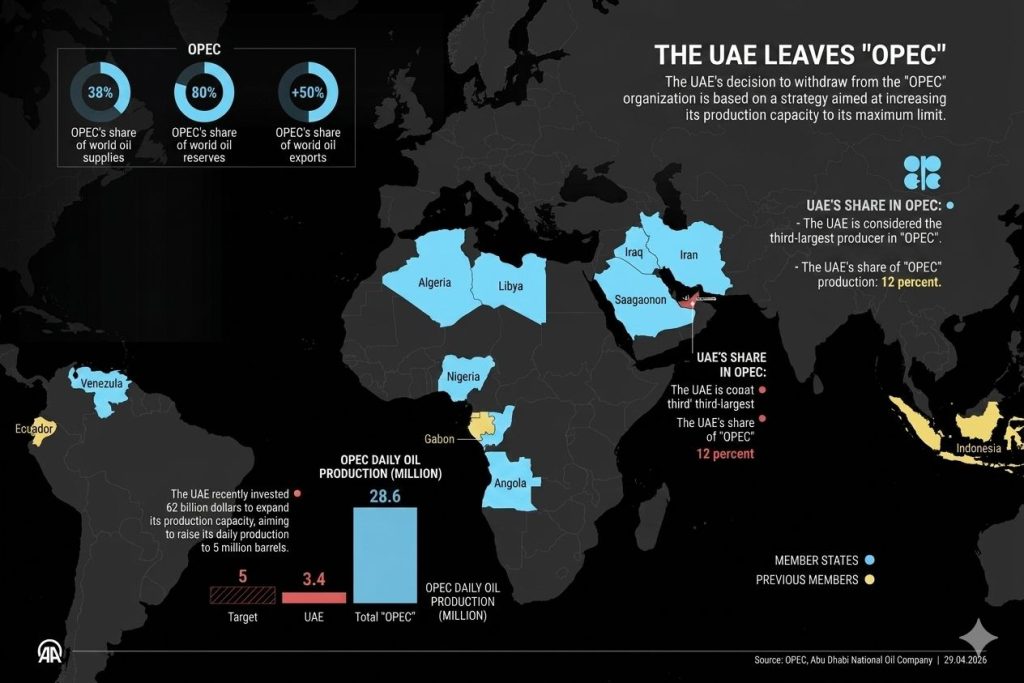
The United Arab Emirates’ decision to leave OPEC+ in May 2026 was not merely an economic adjustment it was a moment that exposed the different ways nations pursue power, influence, and long-term interests.

The UAE: A Calculated Gamble

Algeria, OPEC+, and the 188,000 bpd Decision: Who Really Gained?

On April 28, 2026, the UAE announced its withdrawal from OPEC+, arguing that its production quota no longer reflected its true capacity of approximately 4.85 million barrels per day.

From Abu Dhabi’s perspective, the economic rationale was clear: maintaining production significantly below capacity meant leaving substantial revenue on the table.

However, timing matters. The decision came at a moment of heightened uncertainty surrounding the Strait of Hormuz, when regional coordination carried particular strategic value.

The UAE’s calculation appears straightforward: if geopolitical tensions intensify, it gains flexibility to increase production without collective restrictions and position itself as a reliable alternative supplier. If tensions ease, it risks standing outside a framework that has shaped global oil governance for decades.

Whether this move proves visionary or costly remains dependent on future developments.

Saudi Arabia: The Power of Strategic Patience

Algeria, OPEC+, and the 188,000 bpd Decision: Who Really Gained?

Saudi Arabia’s response was striking not because of what it said, but because of what it did not say.

No public confrontation. No threats. No escalation. Riyadh continued its agenda with calm consistency.

This reflects a broader principle: long-term strategic stability often outweighs short-term political reaction.

Saudi Arabia understands that its relationship with the UAE extends far beyond oil, encompassing economic cooperation, regional security, and decades of strategic alignment. Escalation would carry mutual costs.

As a result, Riyadh appears focused on quietly reassessing the evolving energy landscape.

UAE Approach

  • Bold and fast decision-making
  • Focus on immediate economic opportunity
  • Greater operational flexibility
  • Higher strategic exposure

Saudi Approach

  • Long-term strategic patience
  • Preservation of regional partnerships
  • Collective influence over confrontation
  • Lower political risk

Algeria: Building Credibility Through Consistency

Algeria, OPEC+, and the 188,000 bpd Decision: Who Really Gained?

Amid these shifts, Algeria continues to follow a quieter but steady path.

Its production increases remain modest compared to major producers, yet its influence lies in consistency rather than volume.

By maintaining commitment to OPEC+ during periods of uncertainty, Algeria strengthens its reputation as a reliable and predictable partner within the global energy framework.

This credibility, while less visible than output figures, is often more valuable in long-term geopolitical positioning.

https://twitter.com/algatedzEng/status/2063705119183843669?s=20

Algeria’s Position

  • Continued commitment to OPEC+
  • Stable and predictable energy policy
  • Strengthening diplomatic credibility
  • Benefiting from collective stability

OPEC+ Meeting: A New Wave of Pressure

Algeria, OPEC+, and the 188,000 bpd Decision: Who Really Gained?

In its latest meeting, OPEC+ confirmed a collective production increase of 188,000 barrels per day, extending its gradual easing of previous output cuts.

The allocation of this increase reflects the internal hierarchy of the group. Saudi Arabia and Russia each received 62,000 bpd, Iraq 26,000 bpd, Kuwait 16,000 bpd, Kazakhstan 10,000 bpd, while Algeria and Oman were allocated 6,000 bpd each.

Although presented as a technical adjustment, the decision increases pressure on oil prices and highlights growing asymmetry within the alliance, where adjustments are unevenly distributed among members.

This shift reinforces a deeper reality: OPEC+ coordination is increasingly tested by diverging national priorities and market strategies.

The Bigger Lesson

The most important lesson from this episode goes beyond oil markets.

In geopolitics, influence is not only measured by production capacity or bold moves, but also by patience, credibility, and strategic timing.

The UAE chose flexibility and risk. Saudi Arabia chose patience and stability. Algeria chose consistency.

And in global energy politics, sometimes silence is the strongest position of all

Author
بوابة الجزائر
View my articles
Algeria
Share this post

Trans-Saharan Gas Pipeline: Launch of the Algerian Section Works

Trans-Saharan Gas Pipeline: Launch of the Algerian Section Works

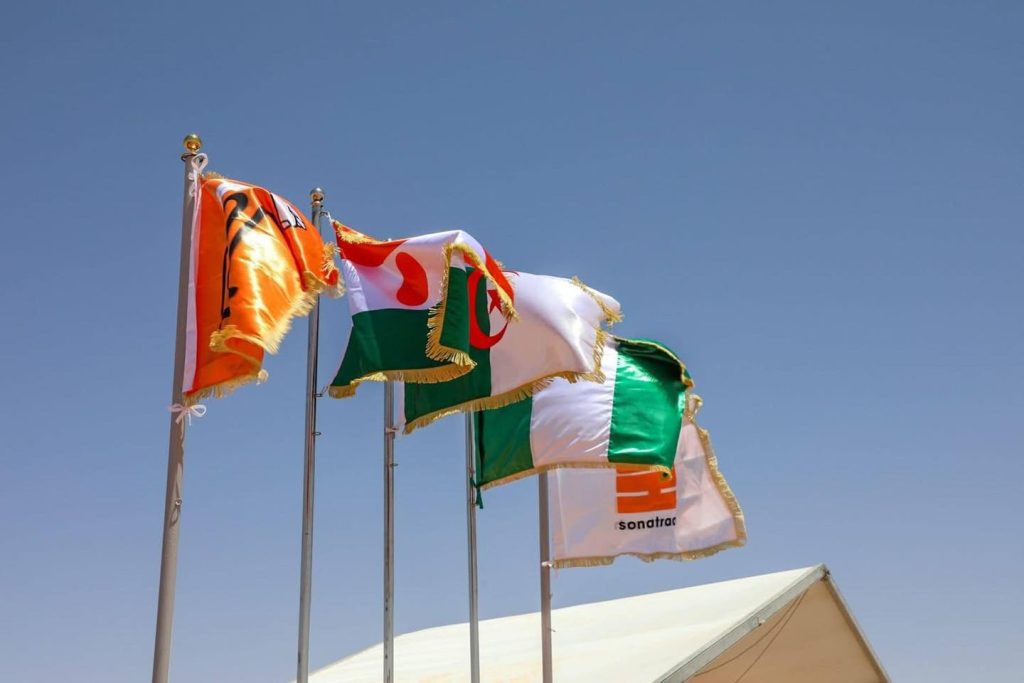
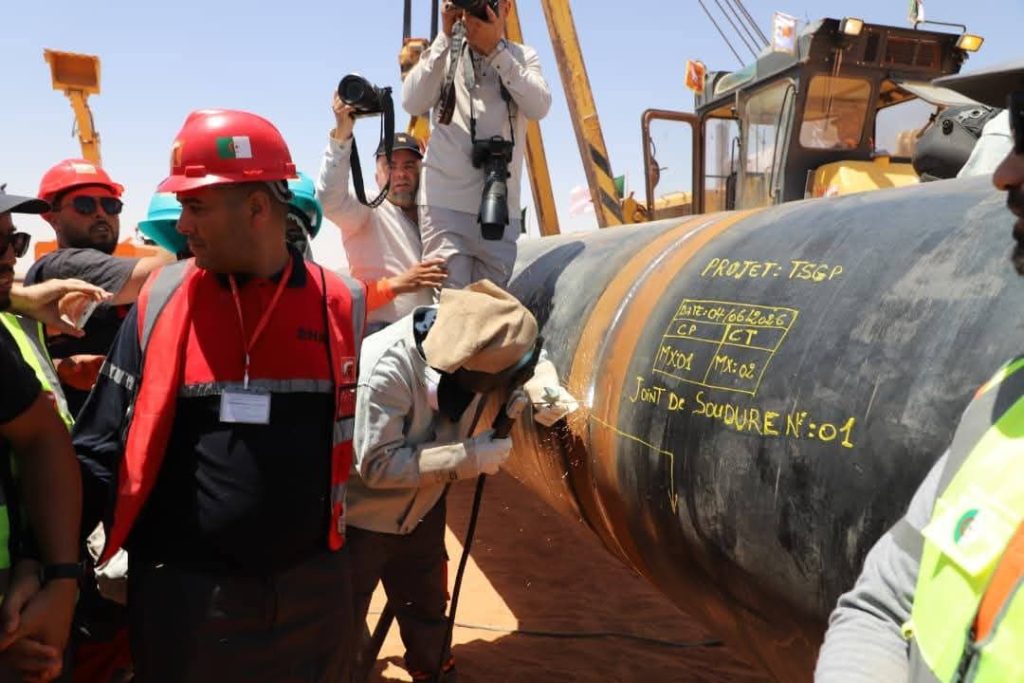
Algeria has officially launched construction works on its section of the Trans-Saharan Gas Pipeline, a major strategic energy project aimed at transporting natural gas from Nigeria through Niger to Algeria, before reaching international markets via Algeria’s extensive export infrastructure.

https://twitter.com/algatedz/status/2062457165529432558?s=20

The Algerian segment of the project marks a key milestone in strengthening regional energy integration across the Sahara. According to officials, the pipeline will help secure long-term energy supplies, boost regional cooperation, and reinforce Algeria’s role as a major energy hub linking Africa with Europe and global markets.

https://twitter.com/algatedz/status/2062514569566630362?s=20

The project is expected to rely on Algeria’s advanced pipeline network and port infrastructure to facilitate the export of large volumes of natural gas. It also aims to support economic development in participating countries by improving energy access and generating investment opportunities.

Trans-Saharan Gas Pipeline: Launch of the Algerian Section Works

Authorities describe the initiative as a strategic step toward enhancing energy security, diversifying export routes, and promoting cooperation between Algeria, Nigeria, and Niger in the field of natural resources and infrastructure development.

Author
بوابة الجزائر
View my articles
African coast
Share this post

Algeria at the Heart of Africa: Niamey Power Plant Reflects Growing Regional Influence

Algeria at the Heart of Africa: Niamey Power Plant Reflects Growing Regional Influence

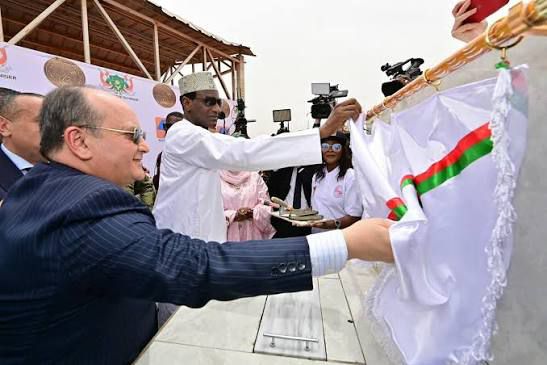
In a new step confirming Algeria’s increasingly strong positioning within its African environment, the Nigerien capital Niamey has inaugurated the “Gourou Banda” power plant with a capacity of 40 MW. The project reflects the depth of Algerian–Nigerien cooperation in the energy sector and translates Algeria’s vision based on supporting development and stability in Sahel countries.

https://x.com/algatedzEng/status/2062105903197790337?s=20

The Algerian Prime Minister, Sifi Ghrieb, alongside his Nigerien counterpart, oversaw the inauguration ceremony of this vital project, which stands as one of the clearest examples of Algeria’s foreign policy approach in Africa—focused on real, practical partnerships rather than symbolic relations, and on investing in infrastructure projects that have a direct impact on people’s daily lives.

https://twitter.com/algatedzEng/status/2062112391270162569?s=20

The new power station is not just an electricity generation facility; it represents a model of technical and institutional cooperation between Algeria and Niger. It also highlights the contribution of Algerian expertise in the energy sector, particularly through national leading companies, strengthening knowledge transfer and supporting partner countries in developing their electricity production and distribution systems.

This project comes within a broader framework of Algeria’s efforts to consolidate its role as a key actor in Africa through an economic diplomacy based on tangible projects in energy, infrastructure, and training, rather than traditional political rhetoric alone.

https://twitter.com/algatedzEng/status/2062147124343554053?s=20

It is also expected to contribute to improving energy stability in Niamey and supporting local economic activity, reflecting the developmental dimension of Algerian–African cooperation and confirming Algeria’s approach to its African environment as a strategic partner rather than a temporary market.

In the context of ongoing geopolitical shifts in the Sahel region, this project further highlights Algeria’s ability to combine political influence with developmental engagement, strengthening its position as a stabilizing force and a reliable partner on the African continent.

Author
بوابة الجزائر
View my articles