Sunday, 18 October 2026 • 22:21 Algiers time
Algeria Gate
News Room
Cameron Hudson: UAE is virtually the sole backer of the RSF..without its support the war in Sudan would not continue Algeria-Niger: Official launch of Trans-Saharan fibre optic link Five minutes of lament over Algeria: Amar Belani exposes CNEWS’s real obsession Algerian courts hand down first death sentences under new drugs law Ségolène Royal’s masterclass on Algeria against an ignorant and demagogic journalist President Tebboune and senior officials receive the remains of Boualem Boualem in Algiers NAPEC 2026 in Oran: Algeria at the Heart of Africa’s and the Mediterranean’s New Energy Landscape Pegasus Files: Amnesty Uncovers Morocco’s Espionage Against Spain President Tebboune Orders Salary Increases in Algeria’s 2027 Budget, Rules Out New Taxes on Citizens Algeria Emerges as a Trusted Power for Regional Peace and Stability
Share this post

Iran Reveals for the First Time Details of Mojtaba Khamenei’s Injury During the War

• Author: بوابة الجزائر • 0 comments • 47 views
Iran Reveals for the First Time Details of Mojtaba Khamenei’s Injury During the War

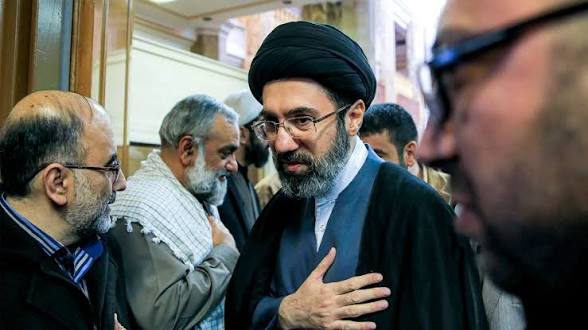
Iranian officials have revealed new details regarding the health condition of Mojtaba Khamenei, confirming that his residence was bombed on the first day of the war on Iran, last February 28. The strike resulted in the deaths of his wife, Zahra Haddad Adel, and his brother-in-law.
Iran Reveals for the First Time Details of Mojtaba Khamenei’s Injury During the War

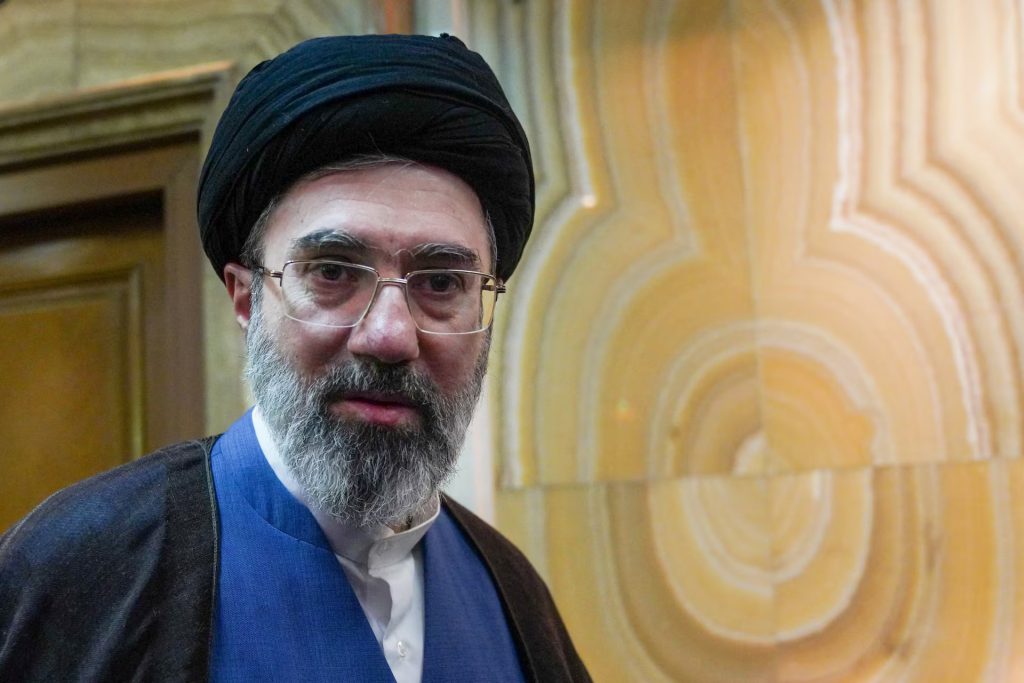
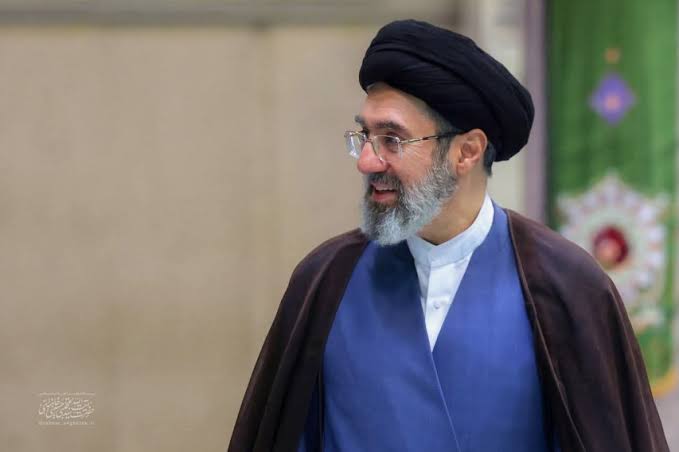
Mazaher Hosseini, Director of Protocol at the Office of the Iranian Supreme Leader, stated that Mojtaba sustained injuries to his knee and back, as well as a minor injury behind his ear caused by the blast wave. Hosseini confirmed that Mojtaba is currently in good health and continues to oversee state affairs, negotiations, and the ongoing war.
Iran Reveals for the First Time Details of Mojtaba Khamenei’s Injury During the War

These statements come amid US reports highlighting Mojtaba Khamenei’s pivotal role in managing Iran’s strategy during the war, which coincides with his absence from public view since the attacks began.

Author
بوابة الجزائر
View my articles

Leave a comment

Your email address will not be published. Required fields are marked *

Algeria
Share this post

Sonelgaz Pitches Major Energy Investments to Turkish Partners in Ankara

Sonelgaz Pitches Major Energy Investments to Turkish Partners in Ankara

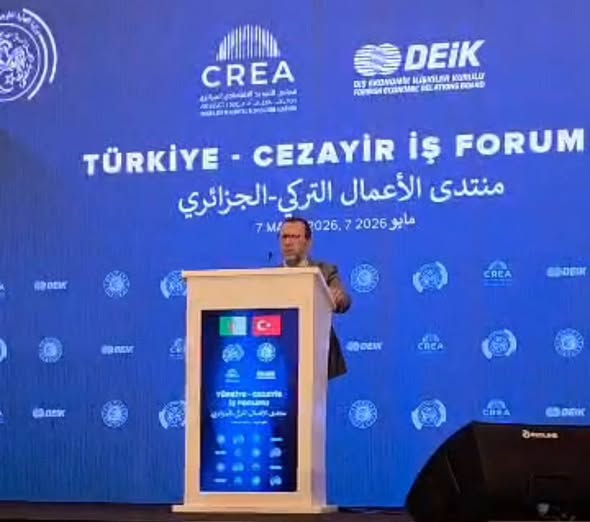
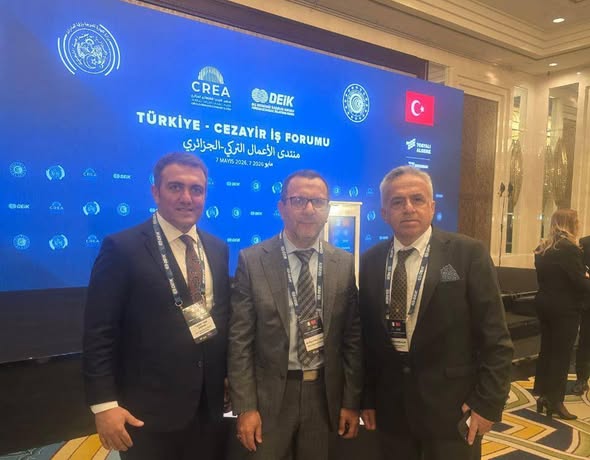
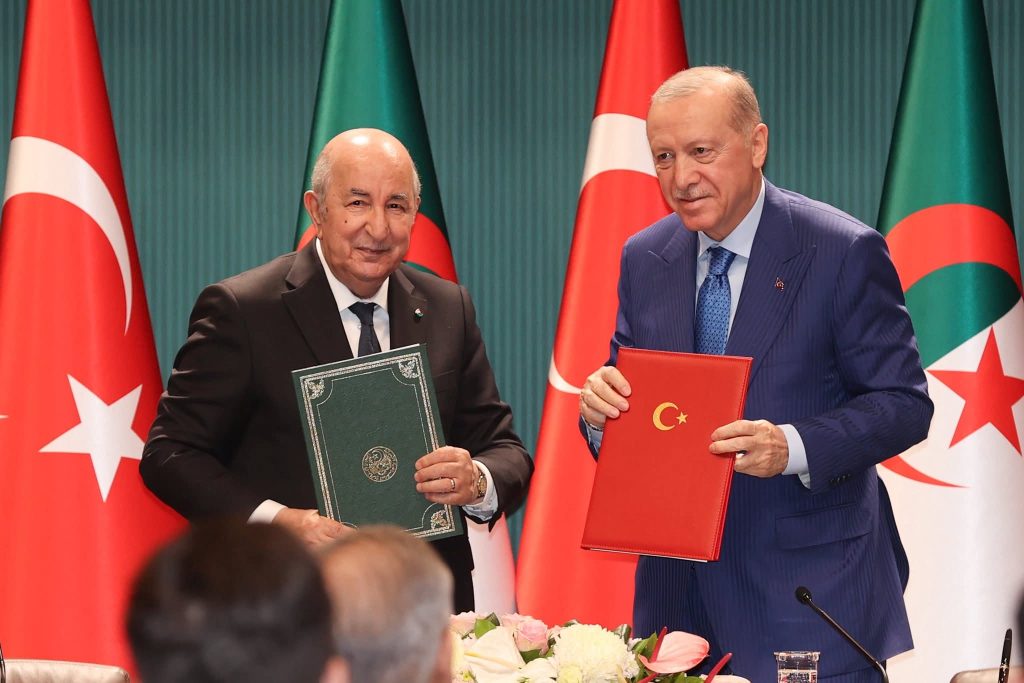
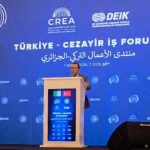
ANKARA — Capitalizing on President Abdelmadjid Tebboune’s state visit to Turkey, Yazid Djellouli, CEO of Sonelgaz-International, presented lucrative investment opportunities to Turkish stakeholders at the Algerian-Turkish Economic Forum on May 7.

Djellouli highlighted Algeria’s massive energy infrastructure drive and invited Turkish firms to collaborate on three key fronts:

Sonelgaz Pitches Major Energy Investments to Turkish Partners in Ankara

Power Generation: Expanding both renewable and conventional electricity capacities to meet growing economic demands.

Local Manufacturing: Producing equipment and infrastructure for energy facilities within Algeria.

Smart Tech Integration: Deploying modern technologies to upgrade the management of electricity and gas networks.

Reaffirming Sonelgaz’s deep industry expertise, Djellouli assured Turkish investors of the state-owned utility’s readiness to anchor strategic, mutually beneficial joint ventures between Algiers and Ankara.

#Algeria#Turkich
Author
بوابة الجزائر
View my articles
Algeria
Share this post

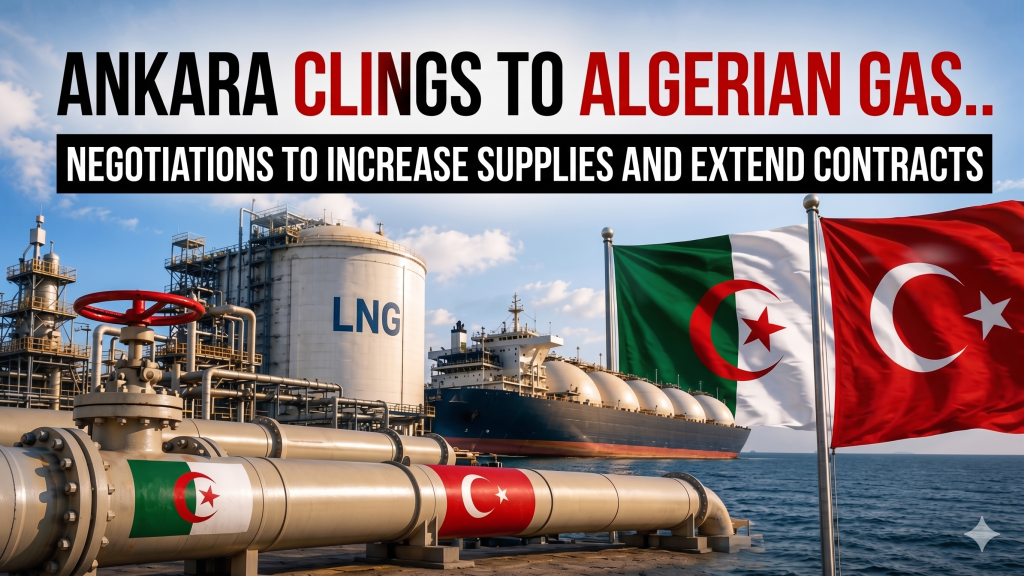
Ankara Holds Fast to Algerian Gas: Negotiations to Increase Supplies and Extend Contracts

Ankara Holds Fast to Algerian Gas: Negotiations to Increase Supplies and Extend Contracts

Algeria Gate: Turkish Minister of Energy and Natural Resources, Alparslan Bayraktar, confirmed that his country is engaged in discussions with Algeria to strengthen cooperation in the energy sector. These talks primarily focus on the Liquefied Natural Gas (LNG) trade, alongside oil and gas exploration activities.

In statements to journalists at the Presidential Complex in Ankara, Bayraktar explained that both sides are discussing the renewal of their bilateral LNG agreement this year, noting that the current contract is set to expire in September 2027.

Supply Increases and Extensions: The Turkish Minister stated that the existing agreement provides 4.4 billion cubic meters annually. Negotiations are exploring the possibility of increasing these volumes to between 6 and 6.5 billion cubic meters—matching previous levels—while extending the contract duration for an additional 5 to 10 years.

Exporting to Europe via Turkey: The talks also covered a potential joint project to transport Algerian gas to Southeastern Europe through Turkey. This initiative would involve receiving Algerian LNG, regasifying a portion of it at Turkish facilities, and subsequently exporting it to European markets, specifically via Bulgaria.

Ankara Holds Fast to Algerian Gas: Negotiations to Increase Supplies and Extend Contracts

Offshore Exploration: Bayraktar indicated that bilateral cooperation extends to discussions between the Turkish Petroleum Corporation and Algeria’s Sonatrach Group. The focus is on offshore oil and gas exploration projects utilizing Turkish seismic survey and drilling vessels.

The Turkish Minister emphasized that the strategic partnership between Turkey and Algeria is poised for further expansion, underpinned by a shared vision and mutual trust between the two nations.

#Algeria#Turkish
Author
بوابة الجزائر
View my articles
International press
Share this post

How Emirati Ambitions Became Fuel for the Fires in Sudan

How Emirati Ambitions Became Fuel for the Fires in Sudan

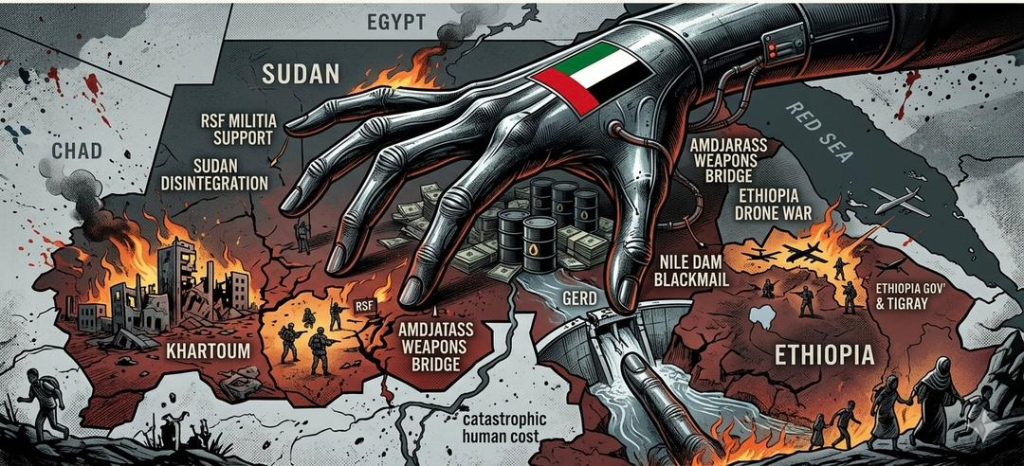
While Abu Dhabi’s media machine stays busy promoting images of an “oasis of tolerance” and a “beacon of modernity,” reports emerging from the battlefields of Africa paint a starkly different picture. It is the image of a state that has mastered the art of playing with fire, gambling with the fates of nations, and turning its vast wealth into fuel for civil wars that tear the fabric of sovereign states. From Khartoum to Addis Ababa, “Emirati interference” is no longer a matter of speculation; it is a bloody reality witnessed by Sudanese in the muzzles of rifles and the hum of drones.

How Emirati Ambitions Became Fuel for the Fires in Sudan

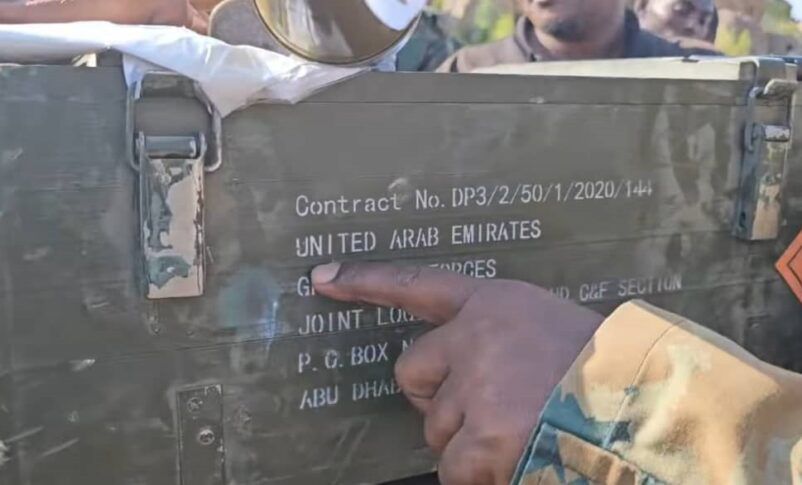
In Sudan, the UAE has bypassed the role of “observer” to become the primary architect and financier of the state’s disintegration. Under the guise of “humanitarian aid,” Abu Dhabi established a suspicious airbridge via Amdjarass airport in Chad. This bridge did not deliver life-saving relief, but rather the machinery of death; weapons and military equipment flowed to the Rapid Support Forces (RSF) militia, enabling them to stifle the Sudanese state and attempt to dismantle its national army.
The Emirati insistence on backing a rebel faction accused of committing ethnic cleansing in Darfur is not merely a “political misstep”it is a strategic crime. The objective is transparent: to seize control of Red Sea ports and plunder Sudan’s gold reserves, even if the price is turning Khartoum into rubble and displacing millions. It is a “scorched earth” policy managed by cold investment portfolios.

What we are witnessing today is the manifestation of a “size complex” within the Emirati leadership a desperate attempt by a geographically small state to impose its will on historic, major nations through “political money” and the purchasing of loyalties. They are adopting a form of “neo-colonialism” that does not rely on direct military occupation, but on military subcontracting, hiring mercenaries, and destabilizing vital waterways to ensure they remain the sole power brokers in the region.

Betting on the blood of nations is a losing gamble. History teaches us that money may buy the silence of politicians for a time, but it will never buy the forgiveness of peoples whose homes were burned by Emirati-funded weapons. What Abu Dhabi is doing today in the Horn of Africa and Sudan is sowing the seeds of hatred that future generations will reap.
The time has come to unmask these subversive policies. The international community must realize that African stability will never be achieved as long as Abu Dhabi’s coffers remain open to financing militias and fragmenting homelands. Diplomacy built upon the corpses of the innocent is nothing more than “soft terrorism” dressed in the garb of modernity.

Author
بوابة الجزائر
View my articles