Sunday, 8 November 2026 • 21:09 Algiers time
Algeria Gate
Share this post

Samsung Algeria: Betting on Local Manufacturing and Premium User Experience

• Author: بوابة الجزائر • 0 comments • 169 views
Samsung Algeria: Betting on Local Manufacturing and Premium User Experience

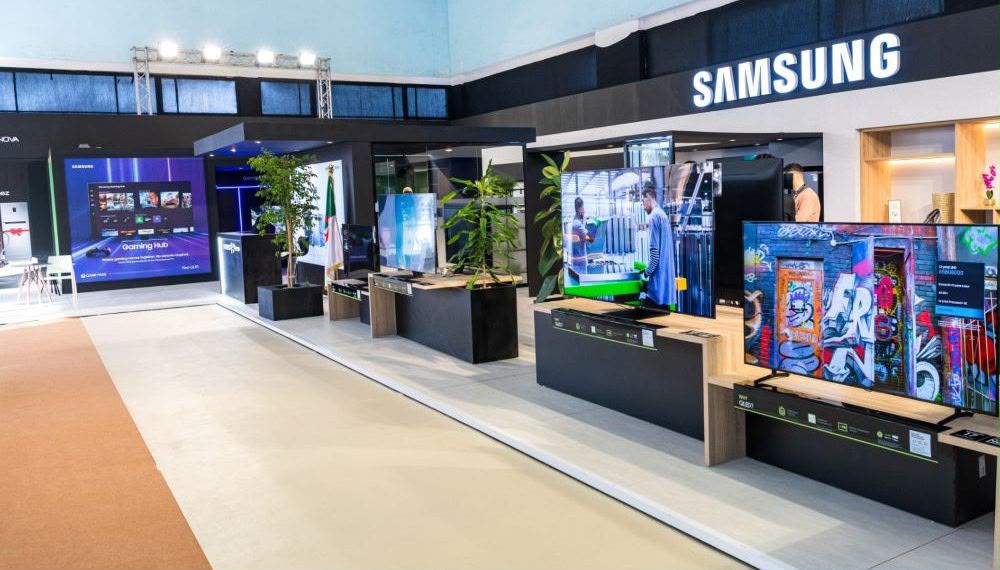
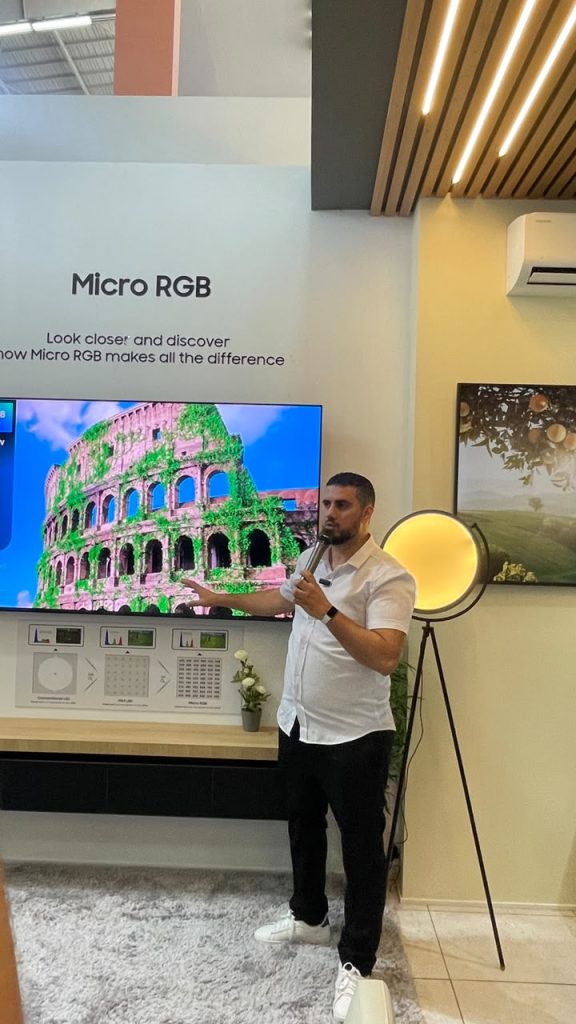
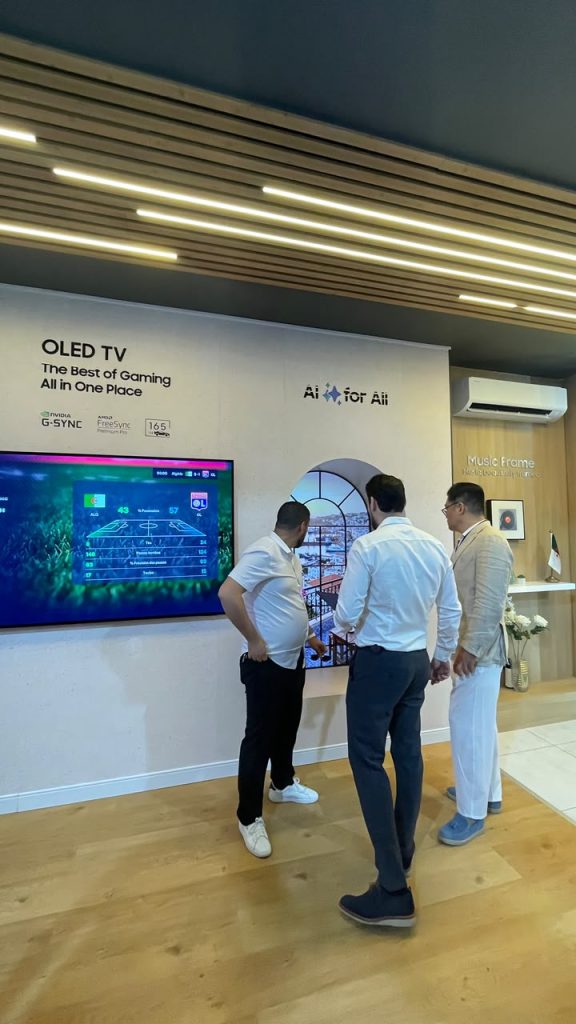
Algeria Gate : Twenty years of global leadership in the TV market, and an industrial complex in Sétif that has become a model for industrial partnership beyond simple assembly. With this dual bet, Samsung Electronics took part in the 57th edition of the Algiers International Fair (June 22–27), combining a showcase of its latest technology with a reaffirmation of its growing industrial footprint in Algeria.

Samsung launches the Galaxy S26

On the technology front, the company unveiled its Galaxy S26 series, built with advanced AI capabilities, alongside hands-on demos of the Galaxy A17 and Galaxy A07. Samsung also highlighted its SmartThings platform for smart homes, presenting connected solutions that allow devices to integrate seamlessly and enhance the user experience within a fully connected digital ecosystem

Samsung Algeria: Betting on Local Manufacturing and Premium User Experience


On the industrial side, Samsung showcased the progress of its partnership with Sinova in Sétif province. Launched in 2023, the project is part of a broader strategy to strengthen local manufacturing capacity and expand technology transfer within the Algerian market.
Among the key figures the company presented:
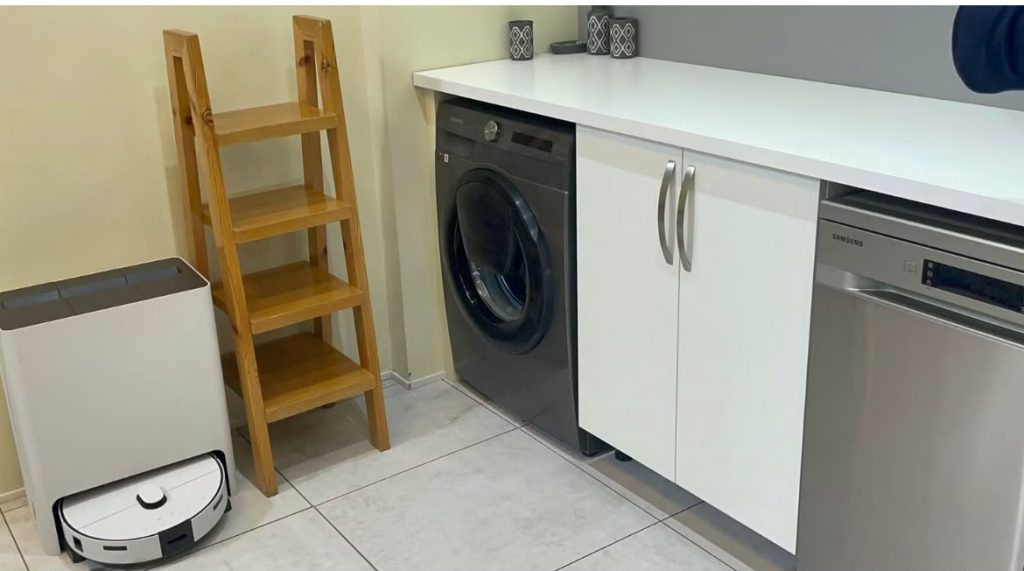
• A 65% local integration rate in the production of refrigerators and washing machines
• An industrial complex spanning 75,000 square meters in Sétif
• Local production of 25 TV models, ranging in size from 32 to 85 inches
• Manufacturing and assembly operations based on the CKD and SKD systems
These figures reflect a broader push to support Algeria’s industrial capabilities in the
electronics and home appliance sectors, contributing to national goals aimed at raising local integration rates and developing industrial value chains beyond the hydrocarbons sector.
In this context, Johnny Jung, General Manager of Samsung Electronics Algeria, said the company’s priorities go beyond manufacturing and marketing, extending to technology transfer and the development of local talent, with a focus on AI solutions designed to meet the real needs of Algerian consumers.

In this context, Johnny Jung, General Manager of Samsung Electronics Algeria, emphasized that the company’s priorities extend beyond manufacturing and marketing to include technology transfer and the development of local talent, with a particular focus on AI-driven solutions designed to address the real needs of Algerian consumers.
Samsung Algeria: Betting on Local Manufacturing and Premium User Experience

By combining the presentation of cutting-edge digital innovations with the expansion of local industrial capacity, Samsung appears to be reinforcing its long-term commitment to Algeria not only as a promising consumer market, but also as a manufacturing platform capable of attracting higher-value technology investments and supporting the country’s ambitions for a more diversified and competitive economy.
By combining the latest digital innovations with an expanding local industrial footprint, Samsung appears to be cementing a long term commitment to Algeria not just as a promising consumer market, but as an industrial platform capable of attracting higher value technology investment and supporting the country’s ambitions for a more diversified, competitive economy.
#Galaxy S26#Samsung
Author
بوابة الجزائر
View my articles

Leave a comment

Your email address will not be published. Required fields are marked *

African coast
Share this post

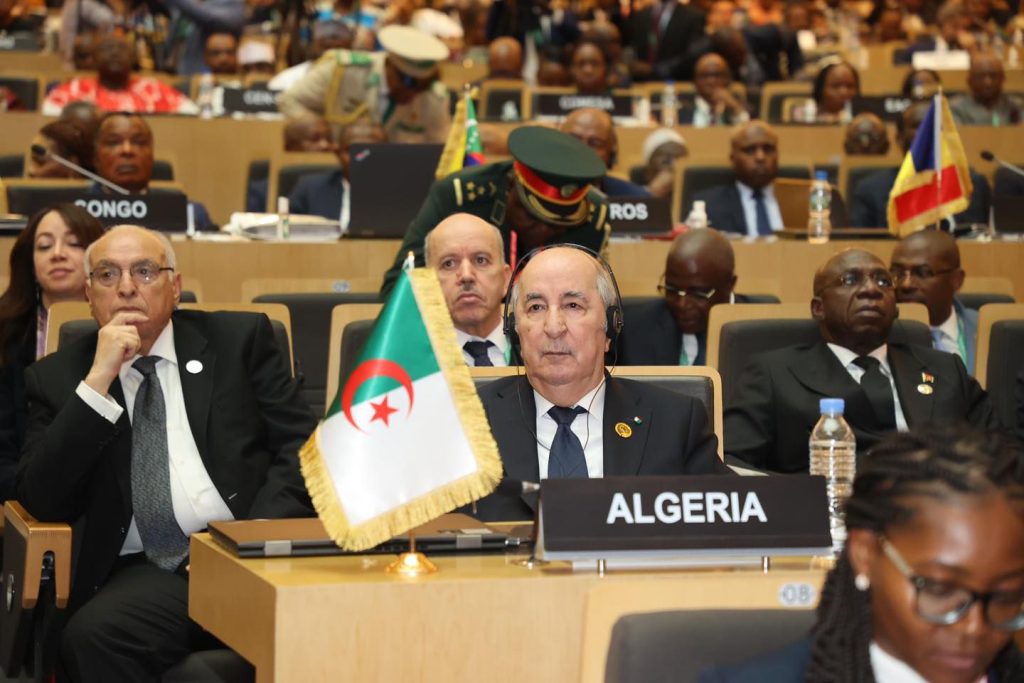
A Diplomatic Portfolio of Seven Seats: Algeria is Consolidating Its Influence within the African Union

A Diplomatic Portfolio of Seven Seats: Algeria is Consolidating Its Influence within the African Union

Addis Ababa Algeria has officially secured the chairmanship of a key diplomatic committee, alongside membership in six other African Union bodies, marking one of its most significant continental diplomatic achievements this year.

https://twitter.com/algatedzEng/status/2068653555494355116?s=20

Algeria continues to reinforce its position as a central diplomatic force within the African Union, with a broad set of high-level appointments across several of the organization’s structures a renewed confirmation of the strong confidence it enjoys among African partners.

In this context, Algeria’s Permanent Representative to the African Union, Ambassador Mohamed Khaled, will chair the Committee of Permanent Representatives on Human Rights, Democracy, and Governance, one of the AU’s most strategic bodies due to its role in supporting stability and strengthening governance frameworks across the continent.

Algeria has also expanded its institutional footprint through membership in several key committees, covering critical areas such as international nominations, the African Union Agenda 2063, environmental affairs, culture, youth and sports, communications and transport, as well as the continental operations office for combating irregular migration in Khartoum.

This broad and diversified positioning reflects the growing trajectory of Algeria’s role within the African space, highlighting its capacity to influence continental decision-making and actively contribute to shaping the African Union’s strategic priorities moving beyond protocol presence toward meaningful participation in defining the continent’s direction.

Author
بوابة الجزائر
View my articles
African coast
Share this post

New Victory for Algerian Diplomacy: Amar Bendjama at the Head of One of the United Nations’ Most Important Bodies

New Victory for Algerian Diplomacy: Amar Bendjama at the Head of One of the United Nations’ Most Important Bodies

At a time when major powers compete for every influential seat within the United Nations system, Algeria has quietly secured one of the organization’s most prestigious leadership positions. The entire African continent, unanimously, has rallied behind a single Algerian diplomat. This is not merely an administrative promotion; it is a political message that Algeria today is helping shape decisions rather than simply receiving them.

A Historic Unanimous African Endorsement

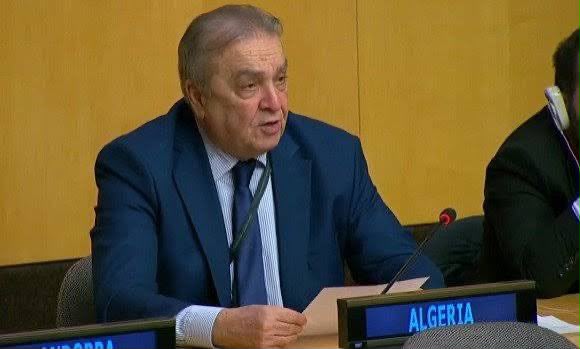
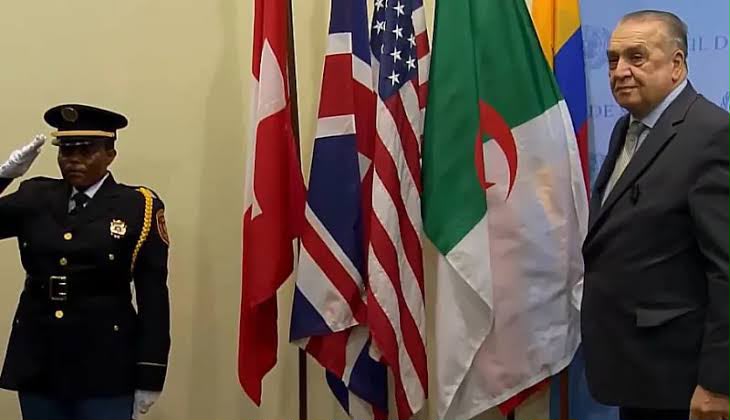
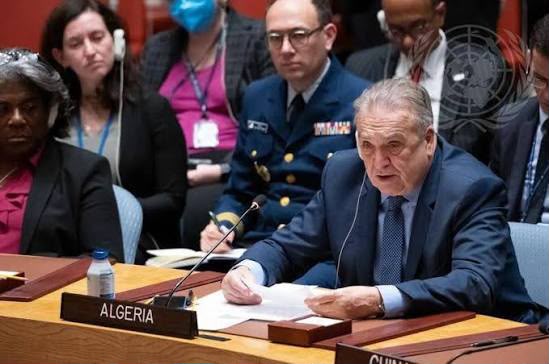
The African Group of Ambassadors in New York unanimously endorsed Ambassador Amar Bendjama, Algeria’s Permanent Representative to the United Nations, as the next President of the United Nations Economic and Social Council (ECOSOC). The decision was made during a meeting of permanent representatives chaired by Malawi’s Permanent Representative in her capacity as Chair of the African Group.

https://twitter.com/algatedzEng/status/2067994992748986755?s=20

This unanimous endorsement by all 54 African states is not a mere procedural detail. It is a continental recognition of Algeria’s diplomatic weight and its ability to unite African countries behind a single name at a time when African positions are often fragmented by competing agendas.

Ambassador Bendjama is expected to officially assume the presidency from the end of July 2026 until July 2027, following his election by all UN member states during the session scheduled for 23 July 2026.

Following the endorsement, Bendjama expressed his deep gratitude to his African counterparts for their confidence in Algeria, emphasizing that this responsibility comes at a sensitive and complex moment for the global economy, particularly for developing countries facing financing shortages, rising debt burdens, economic shocks, geopolitical crises, food insecurity, technological disparities, desertification, and the consequences of climate change.

A Man Who Did Not Rise from the Shadows

New Victory for Algerian Diplomacy: Amar Bendjama at the Head of One of the United Nations’ Most Important Bodies

Bendjama did not reach this position by chance, nor through a passing political moment. Born in El Koll, Skikda Province, in 1951, he graduated from Algeria’s National School of Administration in 1975 and has since pursued a diplomatic career spanning more than five decades.

He served as First Secretary in Moscow during the 1980s, Deputy Permanent Representative of Algeria to the United Nations, Ambassador to Ethiopia home to the headquarters of the African Union as well as Ambassador to the United Kingdom, Japan, and Belgium. He also represented Algeria to the European Union and NATO and served as Secretary-General of the Ministry of Foreign Affairs.

Few diplomats can claim a career that has taken them through New York, Addis Ababa, and Brussels the three capitals hosting some of the world’s most influential international and regional institutions.

https://twitter.com/algatedzEng/status/2068097153117946089?s=20

In 2013, he was appointed Algeria’s Ambassador to France before leaving the post in 2016 under circumstances that generated considerable debate. Yet a closer look at his career shows that difficult moments did not break his path; rather, they paved the way for a stronger return. In April 2023, Bendjama returned to New York as Algeria’s Permanent Representative to the United Nations, beginning what would become one of the most influential chapters of his career.

Since assuming his role in New York, Bendjama has established a presence that cannot be overlooked. He has strongly defended African causes, consistently advocated for Security Council reform to ensure fair representation for Africa, and firmly supported the rights of the Palestinian people at a time when UN platforms became the scene of intense debates over Gaza. He also chaired sensitive meetings and consultations during Algeria’s membership on the UN Security Council.

His efforts have not gone unnoticed. In December 2025, the American media platform PassBlue named him “Diplomat of the Year” following a vote by its audience to honor the most prominent personalities within the UN sphere a recognition from an institution specializing in United Nations affairs rather than from an Algerian or African body.

New Victory for Algerian Diplomacy: Amar Bendjama at the Head of One of the United Nations’ Most Important Bodies

Today, this journey is crowned with the presidency of ECOSOC, one of the six principal organs of the United Nations and the body responsible for coordinating the economic, social, and environmental work of the UN system.

What Does This Mean for Algeria?

New Victory for Algerian Diplomacy: Amar Bendjama at the Head of One of the United Nations’ Most Important Bodies

When Algeria assumes the presidency of a body that deals with issues such as international financing, debt, development, food security, and climate policy, it gains more than an honorary position. It gains a genuine platform from which to influence the global economic agenda for an entire year, at a time when the Global South is increasingly demanding reforms to international governance structures.

This achievement confirms that Algeria has regained its position as a respected African and Arab voice at the highest levels of international decision-making. It also demonstrates that its foreign policy—based on consistency, credibility, and support for the causes of the Global South is beginning to translate into real positions of influence rather than mere statements.

Will Bendjama’s presidency of ECOSOC mark the beginning of a new Algerian phase in shaping the global economic agenda, or will it be simply another milestone in a long journey during which the Global South continues to seek representation commensurate with its true weight in world affairs?

Author
بوابة الجزائر
View my articles
Algeria
Share this post

Green Hydrogen: How Algeria Is Transforming from an Energy Supplier into a Geopolitical Player in Europe’s Strategic Calculations

Green Hydrogen: How Algeria Is Transforming from an Energy Supplier into a Geopolitical Player in Europe’s Strategic Calculations

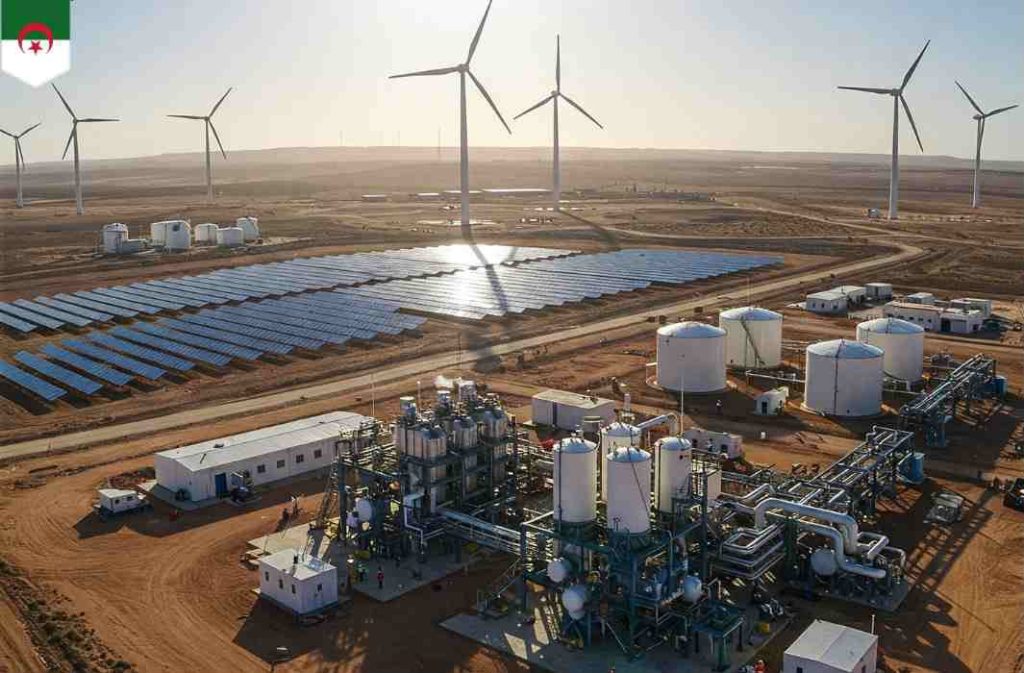
As Europe accelerates the implementation of its green hydrogen strategies, and attention continues to focus on distant or infrastructure constrained alternatives, technical and economic realities are quietly pointing toward one partner that is already well positioned: Algeria.

https://twitter.com/algatedzEng/status/2067520405271699636?s=20

This time, the difference lies not in political rhetoric, but in the numbers. Reports from the International Energy Agency (IEA) and Hydrogen Europe highlight a simple equation: geographic proximity and existing infrastructure outweigh political narratives centered on diversifying suppliers. Within this framework, Algeria is no longer merely one option among many it is increasingly becoming the option dictated by both geography and economics.

Gas Diplomacy Paving the Way for Hydrogen

Algeria’s hosting of the 7th Gas Exporting Countries Forum (GECF) Summit and the establishment of the Forum’s Gas Research Institute in Algiers were not merely symbolic diplomatic milestones. They signaled Algeria’s ambition to position itself as a strategic bridge in the energy transition, where natural gas serves as a pathway toward a hydrogen economy rather than a competitor to it.

At the multilateral level, Algeria has leveraged its energy dialogue platforms with the European Union and its participation in global climate governance frameworks to promote a consistent message: a “just energy transition” that does not sacrifice development priorities in favor of external climate agendas. This distinction separates a partner negotiating on its own terms

The SoutH2 Corridor: When Pipelines Speak Louder Than Statements

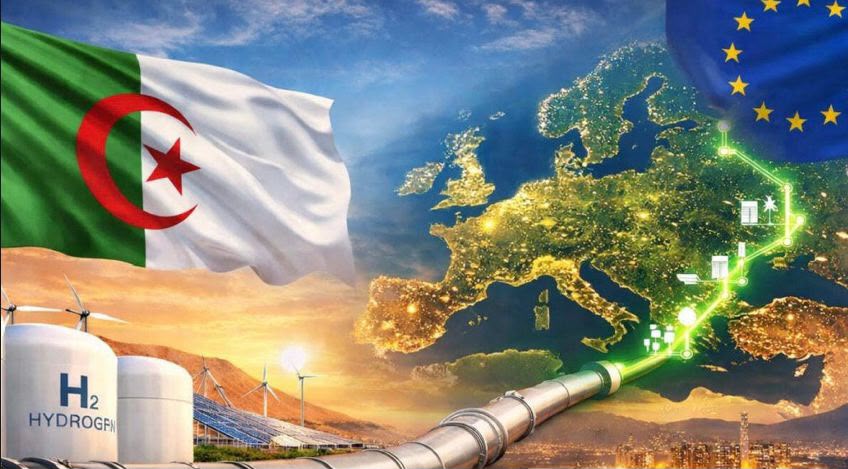
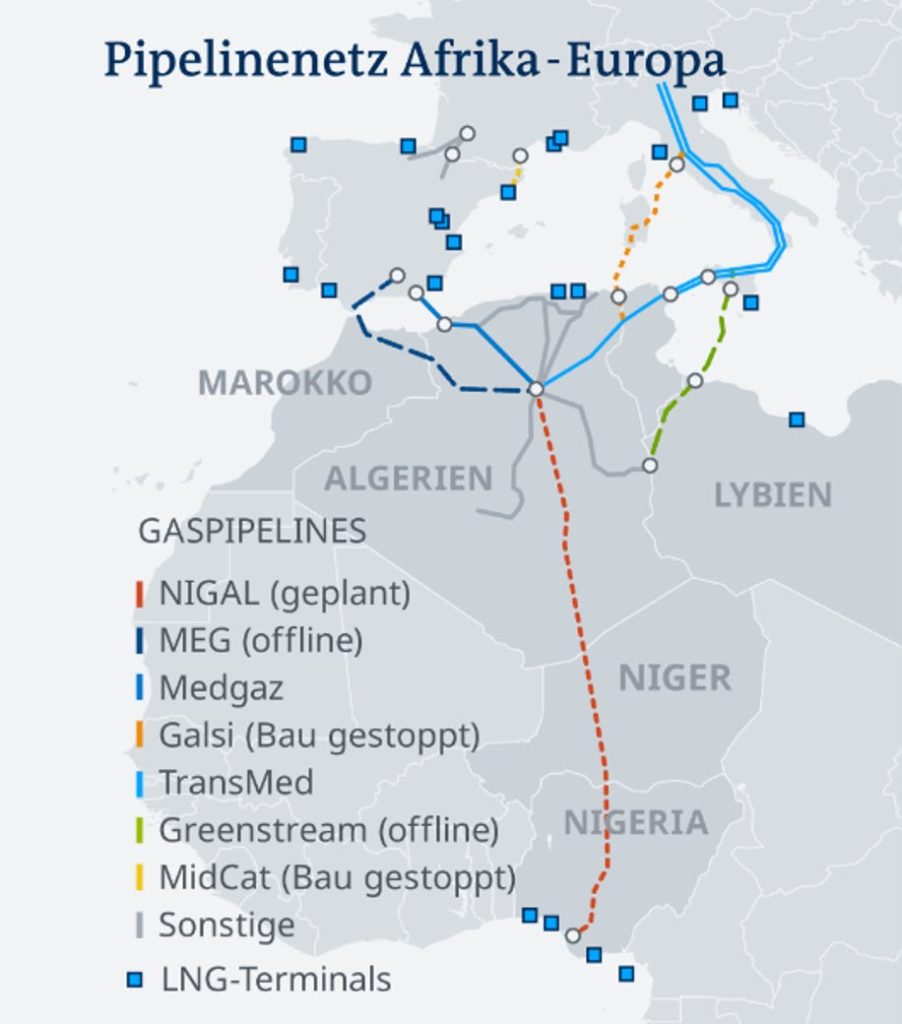
Perhaps the clearest illustration of this shift is the SoutH2 Corridor, backed by Germany, Italy, and Austria. The project aims to repurpose existing trans-Mediterranean gas infrastructure to transport up to four million tonnes of green hydrogen annually to Europe’s industrial centers.

Significantly, studies by the International Renewable Energy Agency (IRENA) and European institutions indicate that pipeline transport is more cost-effective than liquefying hydrogen and shipping it by sea. In practical terms, if Europe seeks commercially viable hydrogen rather than ambitious plans on paper, the route increasingly runs through Algeria.

Green Hydrogen: How Algeria Is Transforming from an Energy Supplier into a Geopolitical Player in Europe’s Strategic Calculations

Why Algeria?

The answer lies in a unique combination of structural advantages:

  • A mature energy infrastructure supported by decades of expertise in the hydrocarbons sector.
  • Some of the world’s highest solar irradiation levels across the Sahara.
  • Existing industrial partnerships rather than hypothetical projects, with Sonatrach, Eni, and TotalEnergies already moving beyond concepts toward feasibility studies and initial investments.
Green Hydrogen: How Algeria Is Transforming from an Energy Supplier into a Geopolitical Player in Europe’s Strategic Calculations

Another less-publicized but strategically important development is the expansion of seawater desalination projects along Algeria’s coastline. These projects address one of the key challenges of green hydrogen production: securing sufficient water for electrolysis. Beyond supporting hydrogen ambitions, they also strengthen Algeria’s domestic water security creating a rare win-win dynamic often overlooked in European analyses.

Europe Is Not Looking for Friendship It Is Looking for Stability

Europe’s heavy industries, particularly in Germany, Italy, and Austria, are not searching for politically fashionable partnerships. They are seeking geographically close suppliers capable of delivering long-term contractual stability at competitive costs. This is precisely where Algeria’s advantages become most evident, regardless of alternative narratives that lack the infrastructure and scalability required for implementati

in conclusion

Europe’s energy transition will not be determined by technological innovation alone. It will also depend on a realistic reassessment of geography and infrastructure. In that context, Algeria is gradually evolving from a traditional hydrocarbons supplier into a structural geopolitical actor within the Mediterranean green hydrogen value chain—steadily, strategically, and without unnecessary fanfare.

Author
بوابة الجزائر
View my articles