Sunday, 18 October 2026 • 20:11 Algiers time
Algeria Gate
News Room
Cameron Hudson: UAE is virtually the sole backer of the RSF..without its support the war in Sudan would not continue Algeria-Niger: Official launch of Trans-Saharan fibre optic link Five minutes of lament over Algeria: Amar Belani exposes CNEWS’s real obsession Algerian courts hand down first death sentences under new drugs law Ségolène Royal’s masterclass on Algeria against an ignorant and demagogic journalist President Tebboune and senior officials receive the remains of Boualem Boualem in Algiers NAPEC 2026 in Oran: Algeria at the Heart of Africa’s and the Mediterranean’s New Energy Landscape Pegasus Files: Amnesty Uncovers Morocco’s Espionage Against Spain President Tebboune Orders Salary Increases in Algeria’s 2027 Budget, Rules Out New Taxes on Citizens Algeria Emerges as a Trusted Power for Regional Peace and Stability
Share this post

Morocco has become another settlement? A viral video sparks debate beyond religion

• Author: بوابة الجزائر • 2 comments • 149 views
Morocco has become another settlement? A viral video sparks debate beyond religion

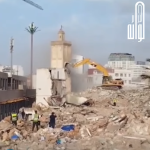
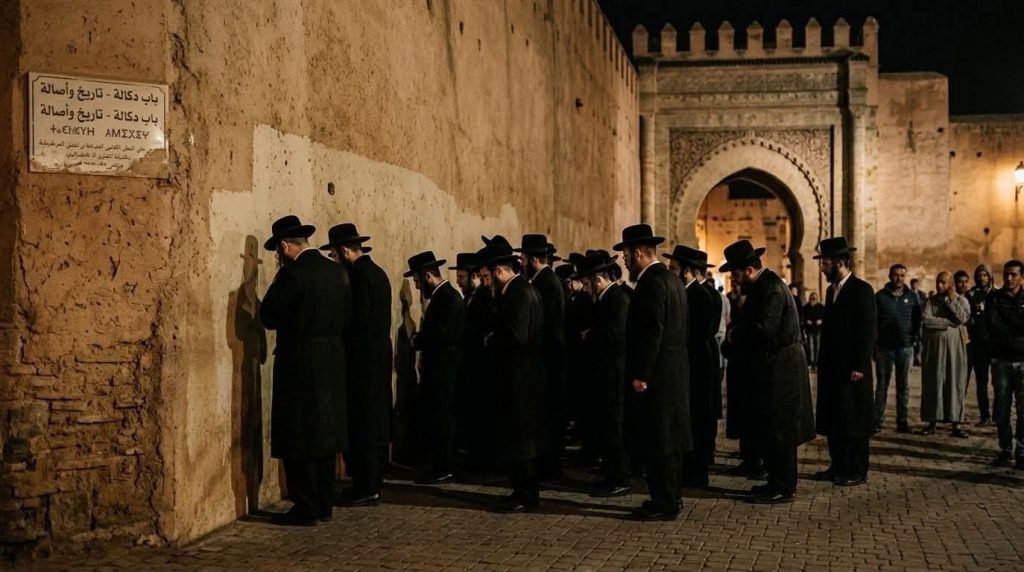
In just a few hours a short video filmed near the Bab Doukkala walls in Marrakech turned into a full-blown public debate Some saw it as a normal expression of religious diversity, others as a sign of rising tensions linked to normalization The reality however appears far more layered than what social media suggests.

How it started: a viral video on social media 

The controversy began after a video widely circulated online showing a group of individuals dressed in traditional Jewish attire performing collective religious rituals in a public space near Bab Doukkala, one of the city’s historic landmarks The scene marked by synchronized swaying and bowing was perceived by many as unusual especially given its open and public setting.

As the video spreads questions quickly followed

Was this simply a religious practice?

Or did it carry political undertones linked to normalization?

And was it even officially authorized?

Beyond the scene: a deeper discomfort

Reactions quickly moved beyond the video itself While many made a clear distinction between Jewish individuals and political choices a significant number of voices interpreted the scene through the lens of Morocco’s normalization with Israel, formalized in 2020 under the Abraham Accords
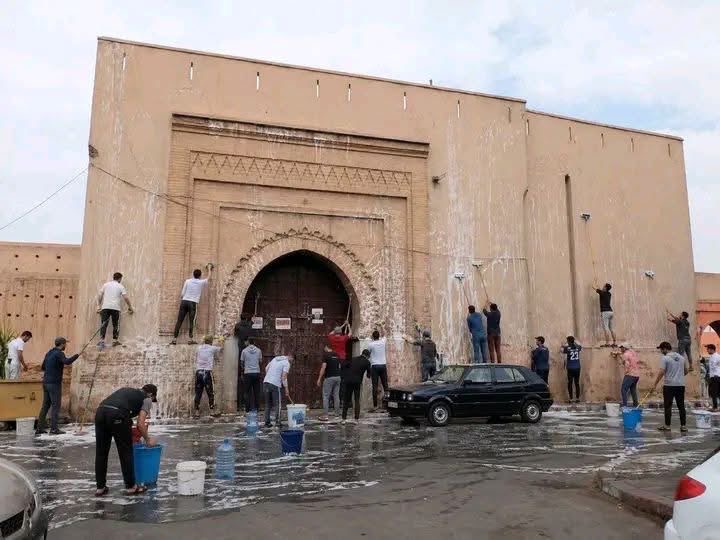
Morocco has become another settlement? A viral video sparks debate beyond religion

In this context what might otherwise be seen as a religious expression was, for some, perceived as a visible sign of a broader political shift one that remains widely contested among segments of the public.

As the debate intensified, some reactions went even further, using highly charged language to describe what they see as a deeper transformation with claims that Morocco is “becoming another settlement.” Such statements while extreme

Between perception and reality

 reflect the depth of public sensitivity and the unresolved nature of the normalization debate

So far, no clear official response has fully clarified the circumstances surrounding the gathering whether it was authorized spontaneous or part of a broader cultural or religious dynamic

 This lack of clarity has only fueled speculation and amplified polarized interpretations online

Ultimately the controversy may say less about the act itself and more about the context in which it was received In a climate where normalization remains a divisive issue, even ordinary scenes can quickly take on political meaning reshaped by public distrust, historical memory and ongoing regional tensions.

#Bab Doukkala#Jewish#Marrakech
Author
بوابة الجزائر
View my articles

2 Comments

Leave a comment

Your email address will not be published. Required fields are marked *

African coast
Share this post

The Tunnel of Smuggling: Drugs, Arms, and Migrants

The Tunnel of Smuggling: Drugs, Arms, and Migrants

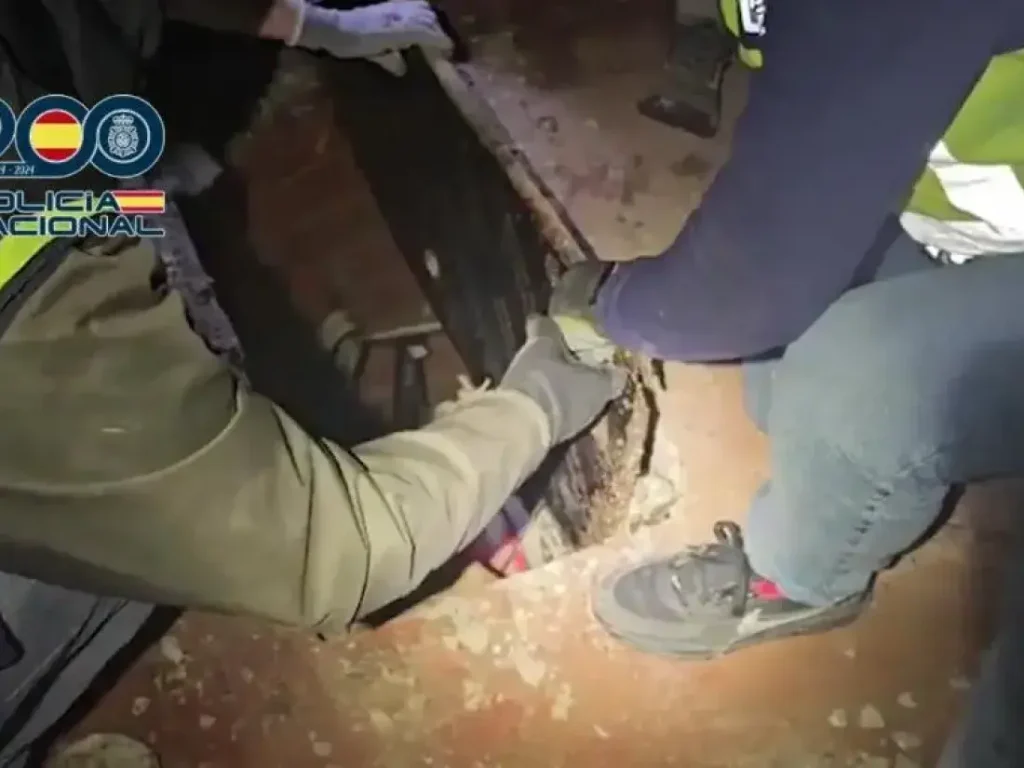
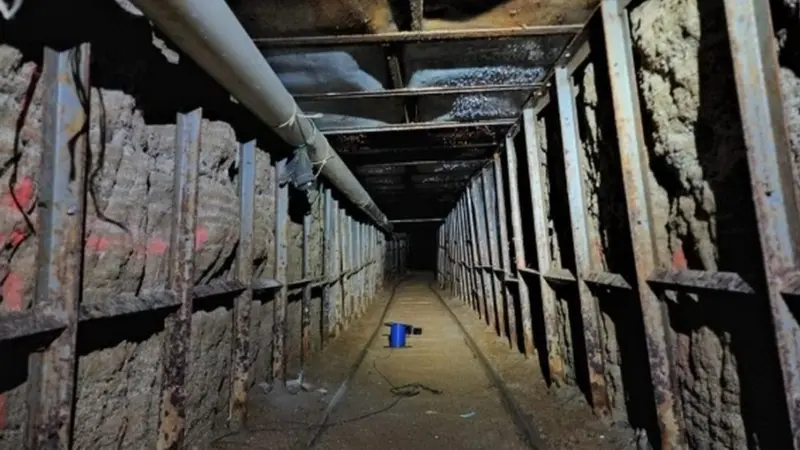
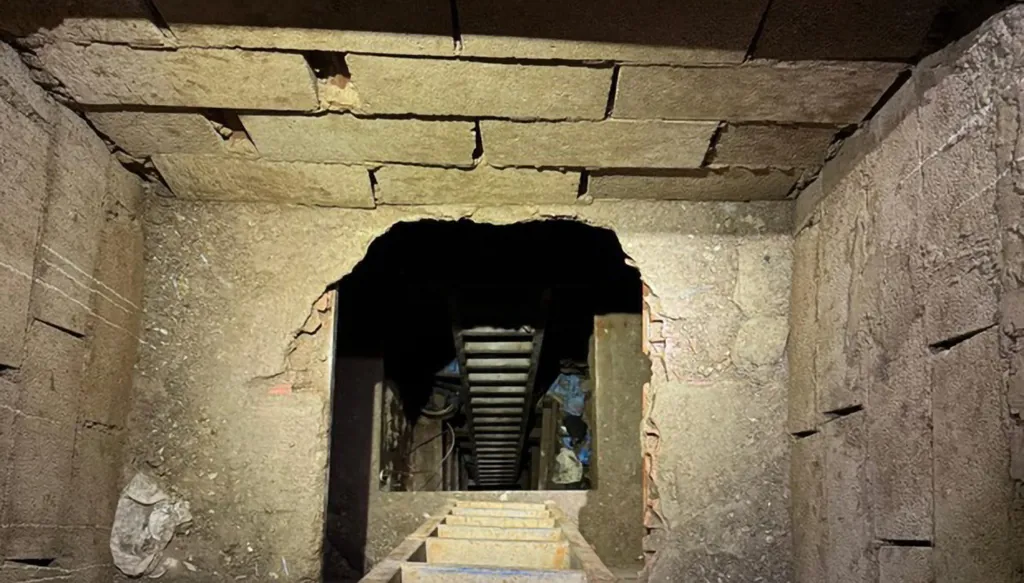
According to Spanish judicial and security sources, revealed that the secret tunnel linking Morocco to Ceuta was not only used for drug trafficking but also for smuggling weapons and migrants. This discovery highlights the deep complicity of the Moroccan regime in sustaining organized crime networks.

The Tunnel of Smuggling: Drugs, Arms, and Migrants

According to La Razón, the tunnel was part of a structured system that diversified its activities — from narcotics to human trafficking — exploiting weak border surveillance and the collusion of powerful actors. Investigations point to a Moroccan businessman, Mustafa Cheri Bouzi, nicknamed “King of Tunnels”, suspected of masterminding a complex underground infrastructure capable of moving up to eight tons per month of illicit goods.

These revelations raise serious doubts about the credibility of Moroccan border control and expose the extent to which smuggling has become entrenched under official negligence or complicity.

The Tunnel of Smuggling: Drugs, Arms, and Migrants

#Morocco#Smuggling#Tunnel
Author
بوابة الجزائر
View my articles
International press
Share this post

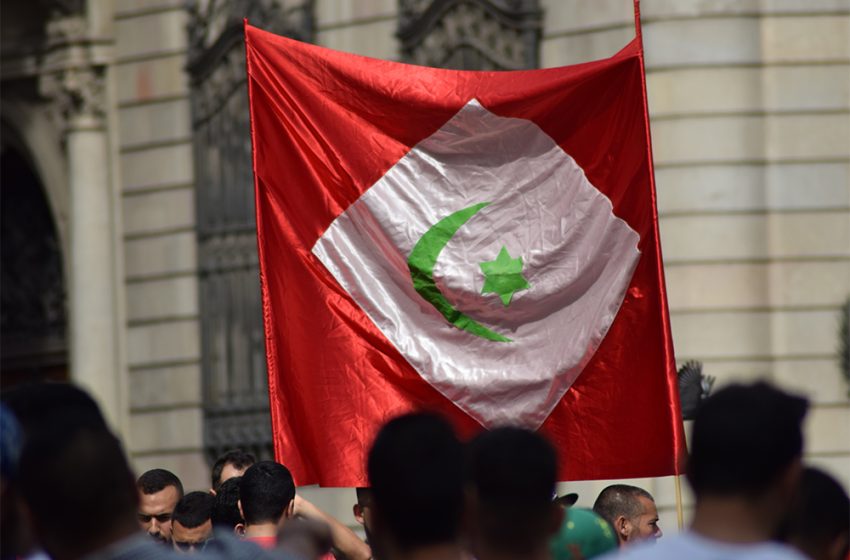
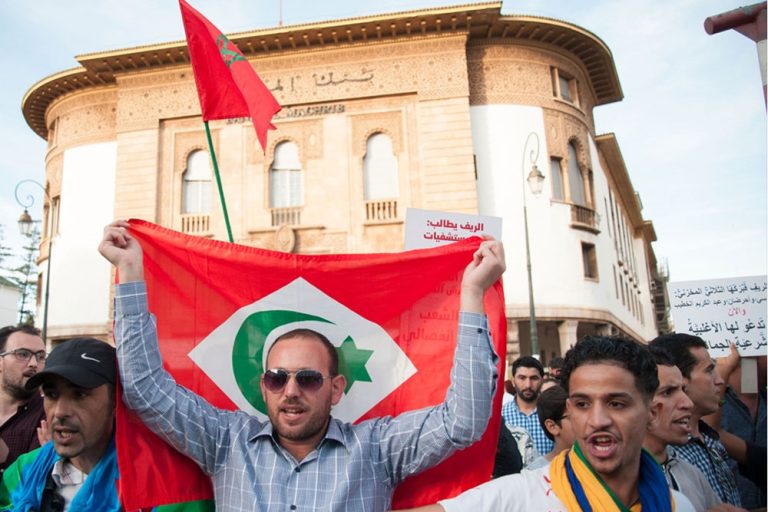
Freedom for the Rif Protest Detainees… A Cry That Returns to the Spotlight

Freedom for the Rif Protest Detainees… A Cry That Returns to the Spotlight

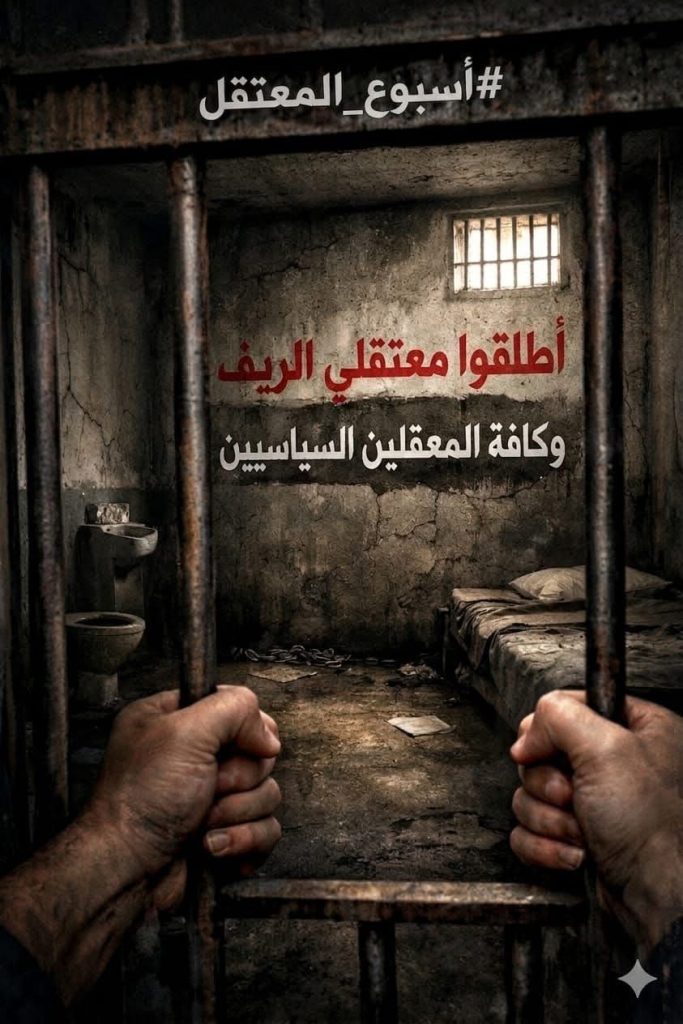
On April 21, 2026, the hashtag “Freedom for the Rif Protest Detainees” swept across social media platforms, reigniting one of Morocco’s most sensitive files. Human rights activists and campaigners, both inside and outside the country, launched a new international digital initiative under the banner “Prisoners’ Week”, aiming to remind the world that the issue of political detainees is far from over, and that solidarity remains alive despite the passing years.

Freedom for the Rif Protest Detainees… A Cry That Returns to the Spotlight

The campaign relies on intense online engagement: publishing photos of detainees, sharing posts that recall their plight, and encouraging broad participation throughout the week. The goal is clear—apply pressure for their release and break the wall of silence that the authorities attempt to maintain.

Freedom for the Rif Protest Detainees… A Cry That Returns to the Spotlight

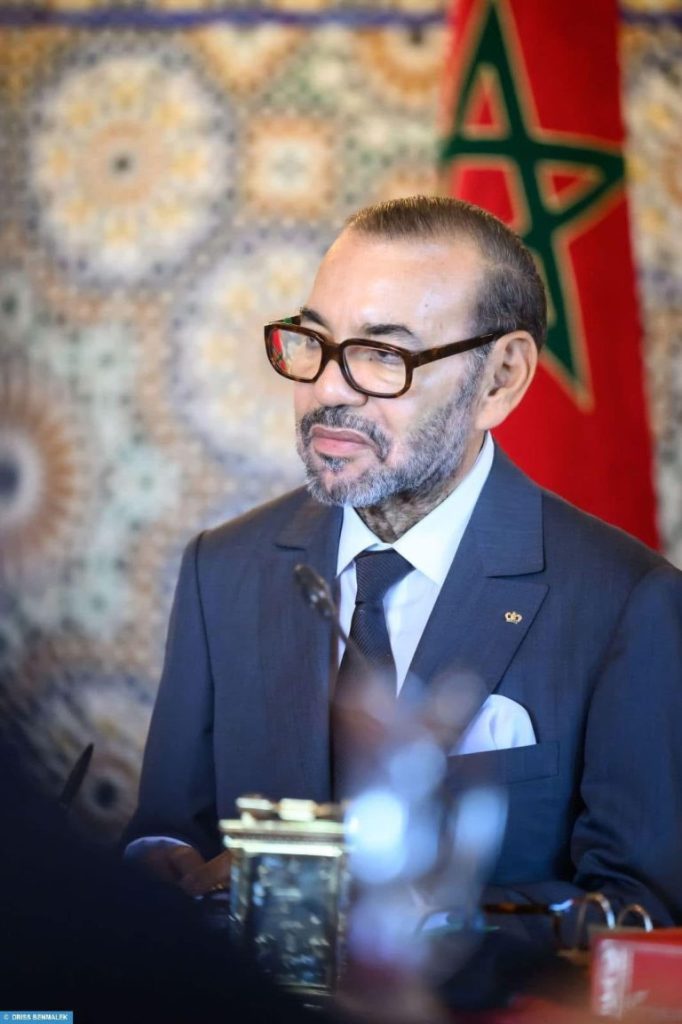
The Moroccan Monarch, Mohammed VI

Among the voices joining this effort was Moroccan activist Mohamed Kandil, currently based in Iceland. On his official social media page, he wrote:

“I, Mohamed Kandil, blogger and independent human rights and political activist, join the call of the living conscience—‘Prisoners’ Week’—launched by free voices from inside and outside Morocco. It is a moral and human duty that cannot be delayed or bargained away.”

Freedom for the Rif Protest Detainees… A Cry That Returns to the Spotlight

Kandil added that only free voices can break the wall of fear, expose injustice, and pave the way toward dignity and justice. For him, this campaign is not just symbolic solidarity but a clear stance: “There is no legitimacy for the repression of freedoms, and no future for a state built on prisons.”

Freedom for the Rif Protest Detainees… A Cry That Returns to the Spotlight

It is worth recalling that on April 5, 2019, the Casablanca Court of Appeals upheld a 20-year prison sentence against activist Nasser Zefzafi, leader of the Rif Movement, along with final sentences ranging from one to twenty years for other detainees. Since his arrest in May 2017, Zefzafi has staged several hunger strikes to protest the harsh prison conditions and to demand freedom for himself and his fellow Rif detainees.

#Morroco
Author
بوابة الجزائر
View my articles
Maghrebi files
Share this post

Libya Achieves Historic Economic Breakthrough: Unified National Budget Signed After 13 Years of Division

Libya Achieves Historic Economic Breakthrough: Unified National Budget Signed After 13 Years of Division

Libya is on the verge of adopting a unified national budget. Following an agreement signed between the two primary opposing factions—Tripoli, home to the internationally recognized Government of National Unity (GNU), and Benghazi, represented by the House of Representatives supported by Marshal Haftar—the country is moving toward financial consolidation.

Facilitated by American mediation, the parliaments of both regions signed an accord to adopt a common budget. This represents a significant feat in a nation deeply divided since the fall of Gaddafi in 2011, where political progress has remained stagnant despite numerous initiatives by the UN, the African Union, and neighboring countries.

After years of managing the war-torn country independently, the two camps recently succeeded in reunifying the Central Bank. This move ended the disruptions that plagued financial institutions due to political disputes between the East and West, effectively halting the fiscal crises that hindered regional governance.

Despite intensified political disagreements fueled by foreign interference, both parties managed to transcend their divisions to secure a minimum consensus on hydrocarbons. For years, Libyan oil was largely subject to smuggling despite various restrictions. This led to significant financial deficits and eroded the credibility of authorities who were unable to transparently manage energy exports.

Joint Oil Exports and Equitable Revenue Sharing

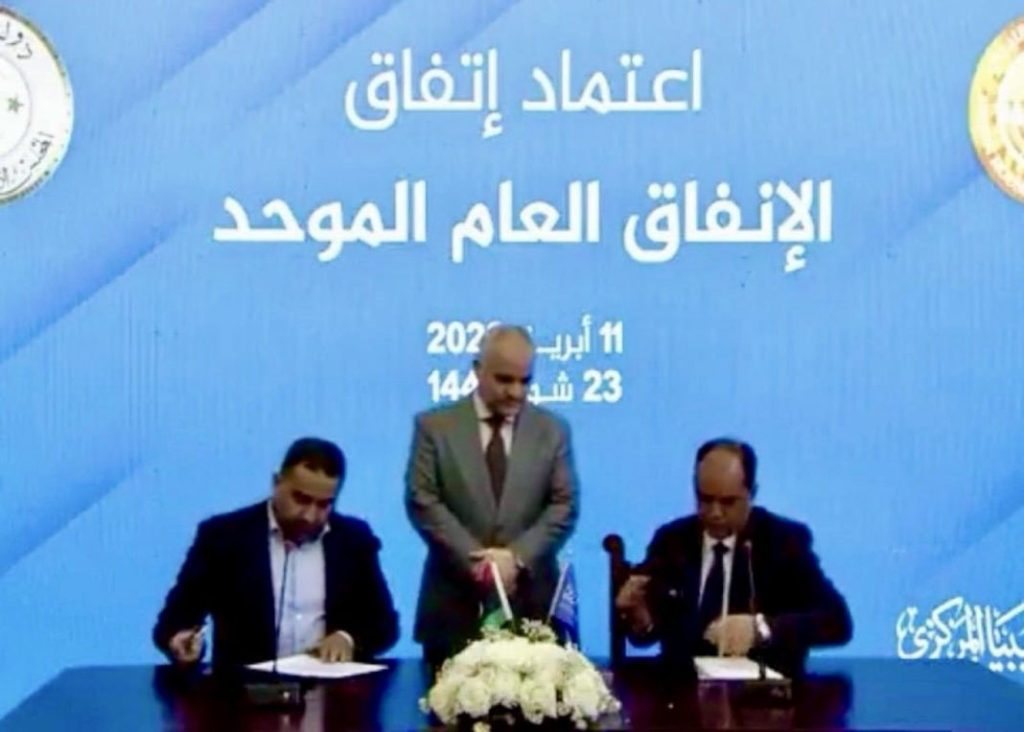
The camps of Abdul Hamid Dbeibah (GNU) and Marshal Haftar have finally agreed to organize joint oil exports and ensure the equitable sharing of revenues. The unification of public spending, announced yesterday by the Tripoli government, appears to be the culmination of a long process of economic and financial rapprochement. “This step reflects real progress toward unifying fiscal policy and enhancing the management of public spending,” stated the Central Bank, noting that this is the first consensus on unified spending in Libya in over 13 years. The agreement was signed by Issa Al-Arebi (Benghazi) and Abdeljalil Al-Chawish (Tripoli).

Controlled exports have now reached 1.5 million barrels per day (bpd), with ambitions to increase to 2 million bpd. Although Libya’s reserves are estimated at 48.4 billion barrels, the country has faced a deficit since 2011 due to political and security instability. With only $22 billion in revenue for Africa’s largest oil reserve, the Central Bank estimates a deficit of $9 billion.

Prime Minister Dbeibah thanked Massad Boulos, advisor to Donald Trump for Arab and African affairs, for his support in the mediation efforts. “This is a step full of promising signs, but the real test remains the serious commitment of all parties to translate this into concrete results for citizens in their daily lives,” Dbeibah stated. The challenge now for both camps, and the international community, is to accelerate the political process to establish elected institutions and end the legitimacy crisis.

Source: lalgerieaujourdhui.dz

#Libya
Author
بوابة الجزائر
View my articles