
Monday, 7 September 2026 07:28 Algiers time
Algeria Gate
News Room
Two Years into President Tebboune’s Second Term: Algeria Expands Its Influence from New York to Niamey President Tebboune draws the red line: Death for those who burn and those who kidnap children Algeria expands pharmaceutical presence across Africa President Tebboune in Madrid in October: Algiers takes back the initiative Egypt: TV presenter Sarah Khalifa sentenced to death in a drug-trafficking case President Tebboune’s directives and instructions to the Algerian government Aouchiche… Hanoun and the RCD… Will the people hold them to account on November 28? $50B Revival: Algeria Spearheads Africa’s Economic Awakening Tiny Emirate Trapped by Hormuz, Continental Algeria’s Oil Crushes UAE’s Fragile India Bet 5.6 Million Cubic Meters per Day by 2030… Algeria Moves Desalination to the Heart of the Economy
Share this post

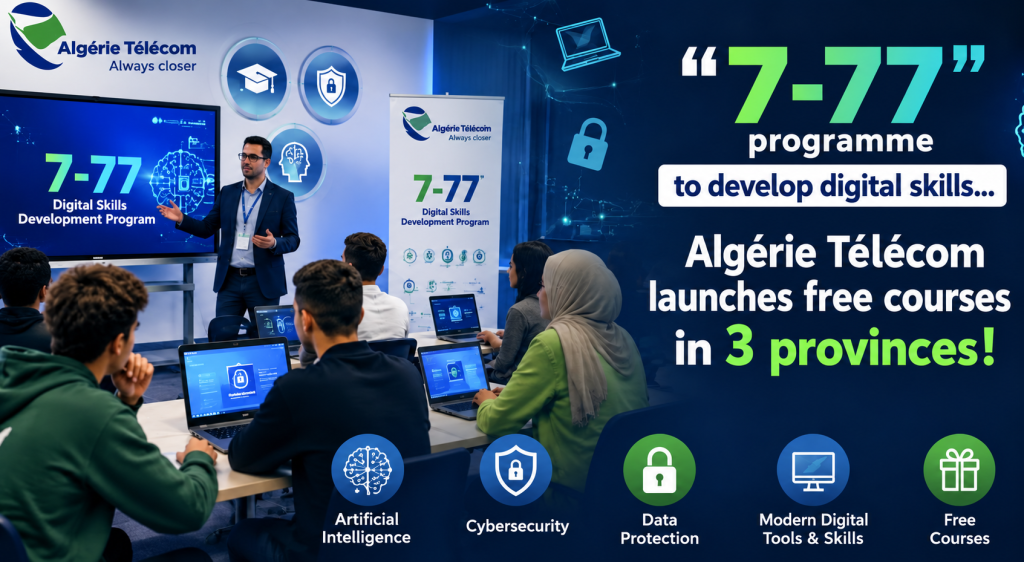
“7-77” programme to develop digital skills… Algérie Télécom launches free courses in 3 provinces!

Author: Lys Iwannughen 0 comments 46 views
“7-77” programme to develop digital skills… Algérie Télécom launches free courses in 3 provinces!

Algeria Gate: In line with its ongoing support for the “7-77 Programme” launched by the Ministry of Post and Telecommunications to boost digital inclusion and citizen empowerment, Algérie Télécom has announced free in-person training courses starting Sunday, August 9th, 2026 at its Skills Development Centre in the province of Setif.
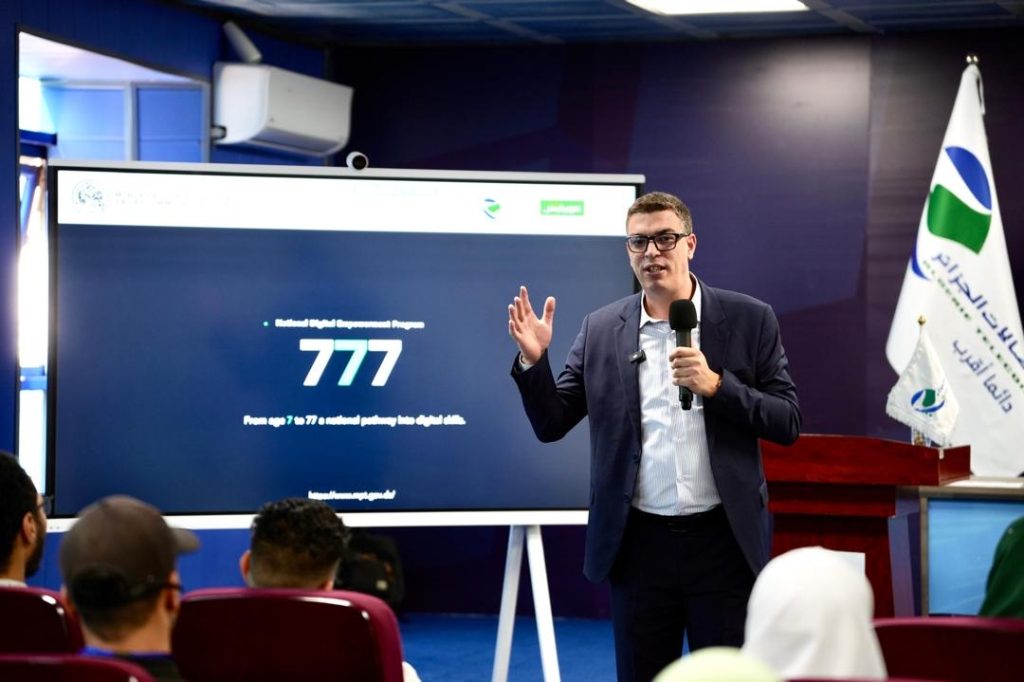
According to a statement from the company, after the capital of the High Plateaus, the programme will be expanded to include the remaining centres. In-person courses will be organised in Annaba on Tuesday, August 11th 2026, then in Saida on Sunday, August 16th 2026. At least 600 participants will benefit from these courses, which will be led by renowned experts and specialists in advanced technologies.
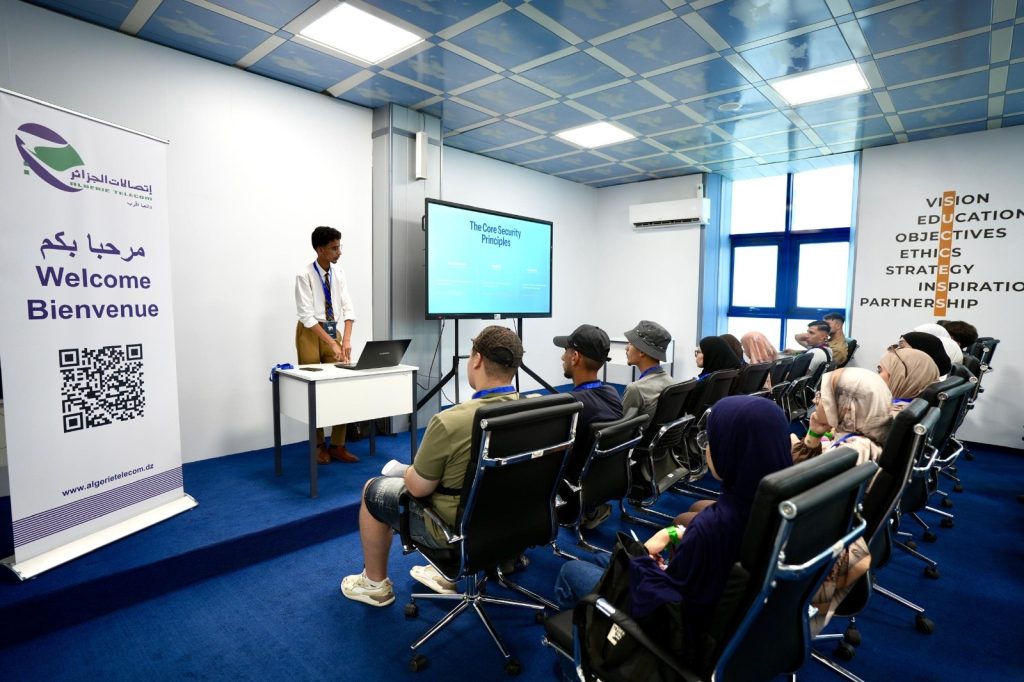
The courses offered cover a variety of topics, including an introduction to artificial intelligence and its uses, cybersecurity, protection of personal data, as well as the discovery of various modern digital tools and skills.
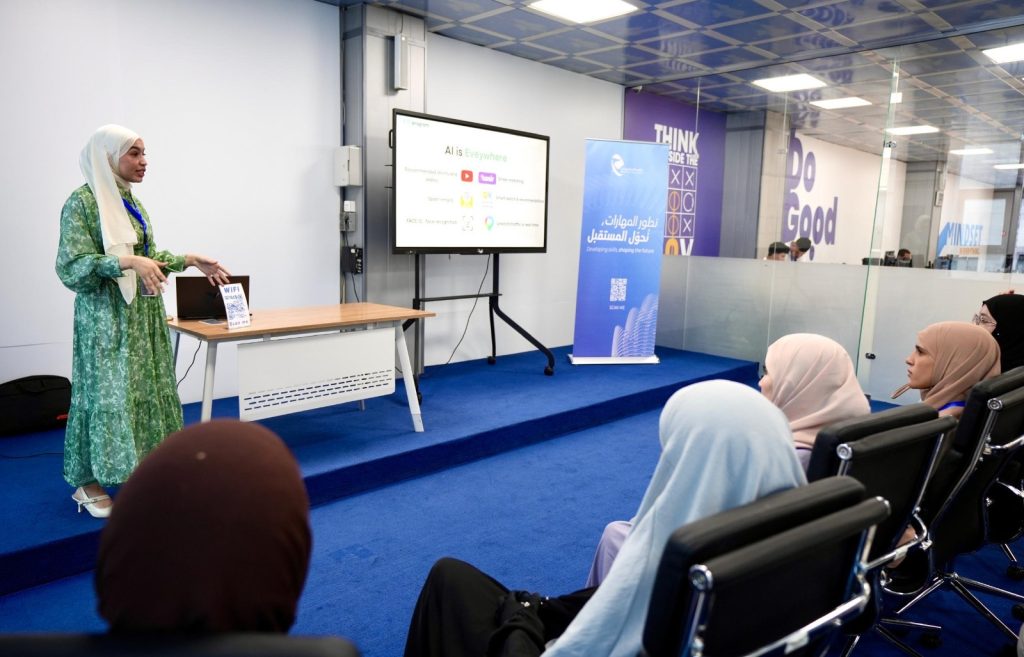
The programme aims to help different age groups; children, young people and adults, acquire the basic knowledge and skills needed to deal with the digital environment, strengthen their awareness of the opportunities offered by modern technologies, and introduce them to the risks and ways to prevent them.
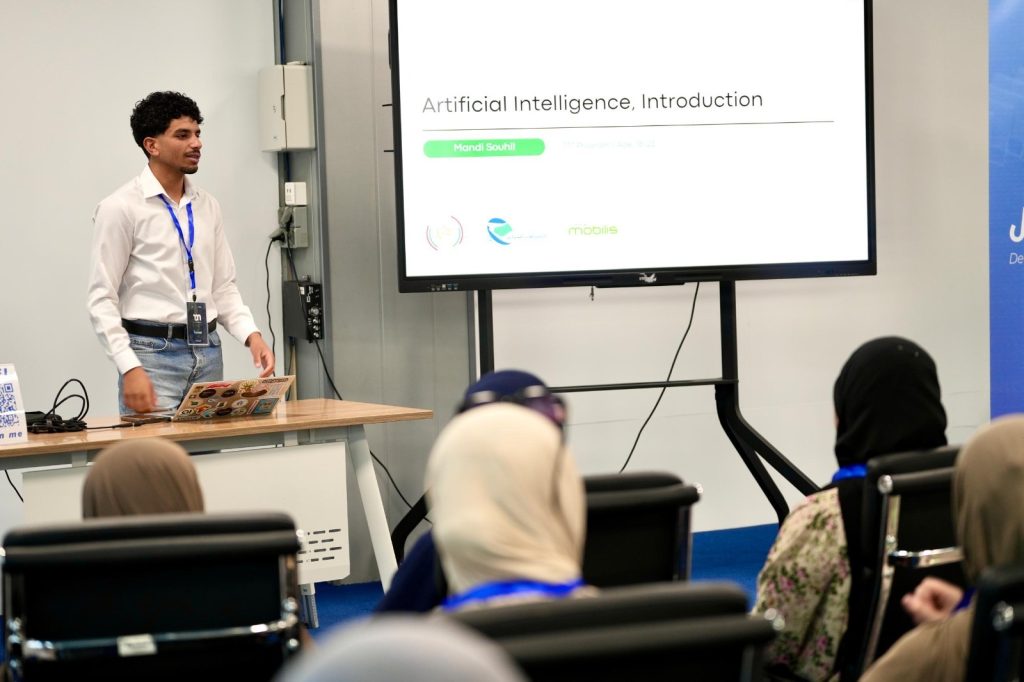
Since its launch in July 2026, the 7-77 programme has attracted widespread interest from citizens, with the number of registrants via the digital platform exceeding 150,000 from all wilayas of the country and from various age groups.

In-person training provides a greater opportunity for direct interaction between participants and instructors and allows the acquired knowledge to be put into practice, making the learning process more effective and closer to citizens’ needs.
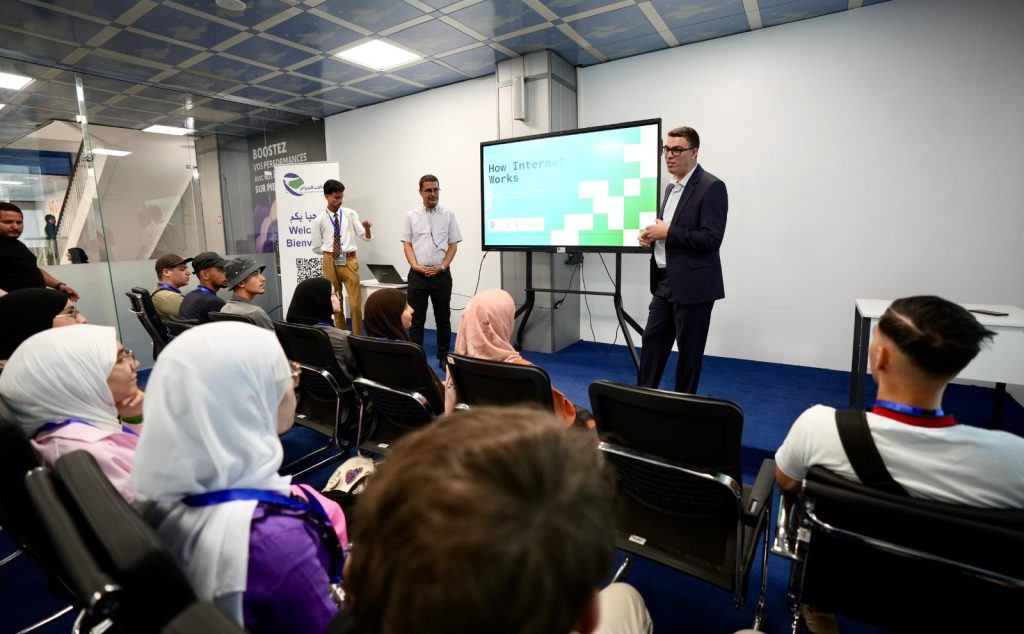
In addition to the in-person courses, the programme continues to offer online courses, allowing the scope of benefits to be expanded and access to be provided to citizens in different regions of the country. So far, 1,166 participants have benefited from forty courses organised to date.

By supporting the 7-77 digital empowerment programme, Algérie Télécom has reaffirmed its commitment to contributing to the widespread adoption of modern technologies among citizens. The gradual expansion of the programme through Algérie Télécom’s skills centres represents an important step towards facilitating the acquisition of digital skills and opening the way for the public to discover the professions and technologies of the future.

#Artificial Intelligence
Author
Lys Iwannughen

Leave a comment

Your email address will not be published. Required fields are marked *

Algeria
Share this post

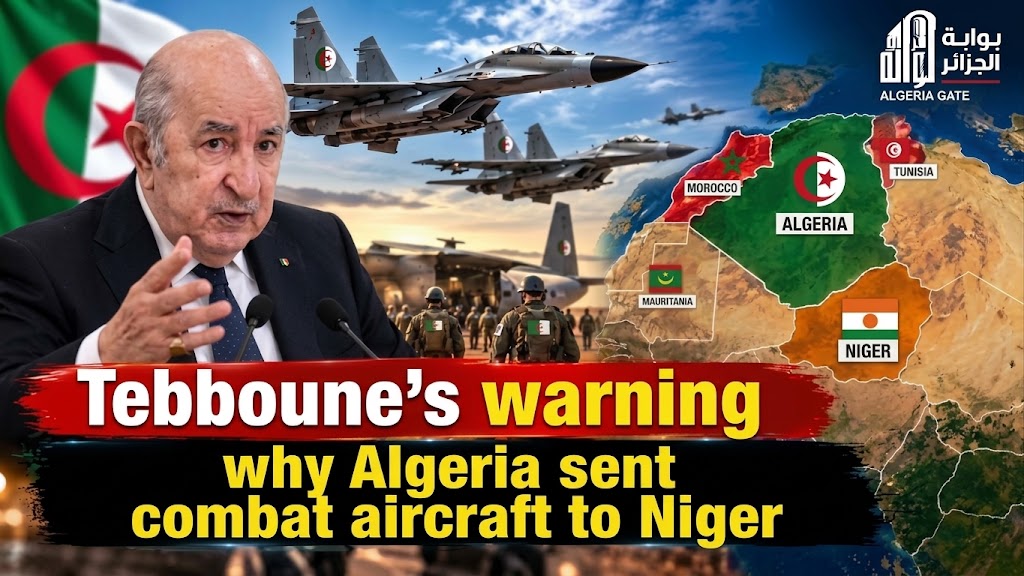
Algerian army delivers 4 helicopters and military equipment to Niger on President Tebboune’s orders

Algerian army delivers 4 helicopters and military equipment to Niger on President Tebboune’s orders

Algeria Gate: In a move underscoring strategic cooperation between Algeria and Niger, the Algerian Ministry of National Defence has delivered military equipment to the Nigerien army. The donation was made on the orders of President Abdelmadjid Tebboune, Commander-in-Chief of the Armed Forces and Minister of National Defence, with the aim of strengthening bilateral ties, particularly in the military domain.

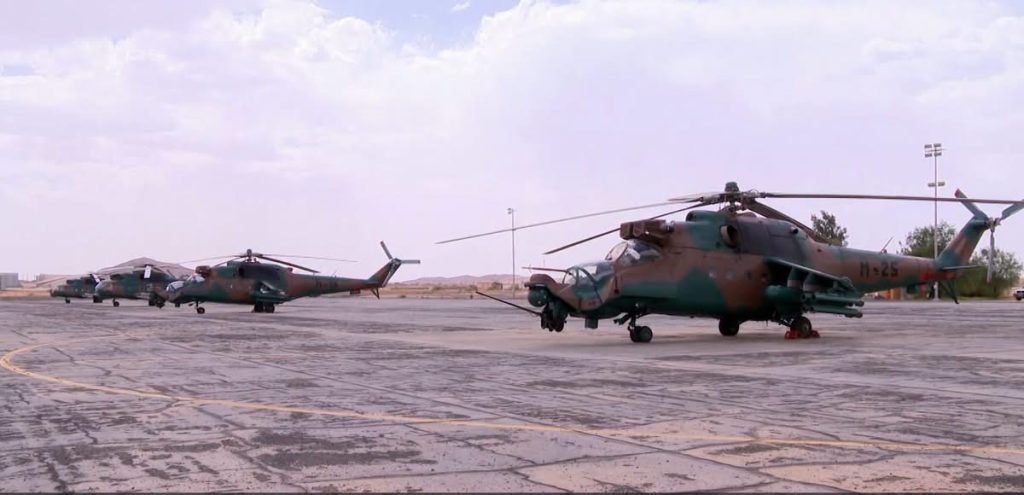
According to a statement from the Ministry of Defence, General Said Chengriha, Delegate Minister to the Minister of National Defence and Chief of Staff of the People’s National Army, ordered the transfer and delivery of a donation from the Ministry of National Defence to the Nigerien army, consisting of equipment (4 helicopters) and military gear.

According to the statement, two MI-24V helicopters and two MI-171 helicopters took off today, Sunday, August 9th, 2026, from the secondary deployment base at In Guezzam in the 6th Military Region, heading to Niamey Airport in Niger.

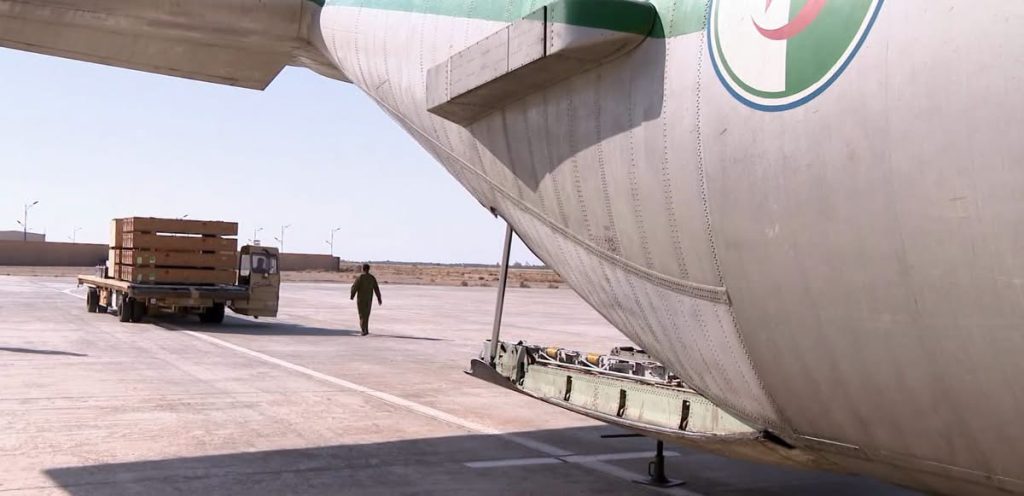
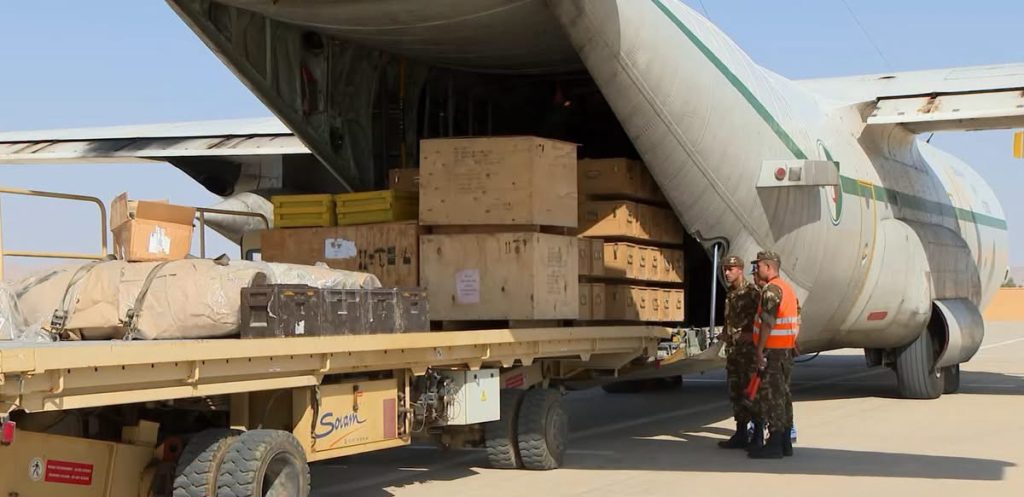
A military transport aircraft from Algeria’s air forces also carried ammunition for the helicopters, along with spare parts, maintenance and support equipment, and logistical supplies.

The statement clarified that this operation, which falls within the framework of strengthening the fraternal and historical relations that bind the two sister countries, comes to reaffirm Algeria’s commitment to continuing to support the countries of the region, particularly in the fields related to defence and security, the exchange of expertise, and multi-faceted support.

Through this endeavour, Algeria renewed its determination to continue its efforts, in coordination with its partners, to strengthen security and stability in the region, the same source added.

#Algeria#Niger#President tebboune
Author
Lys Iwannughen
Algeria
Share this post

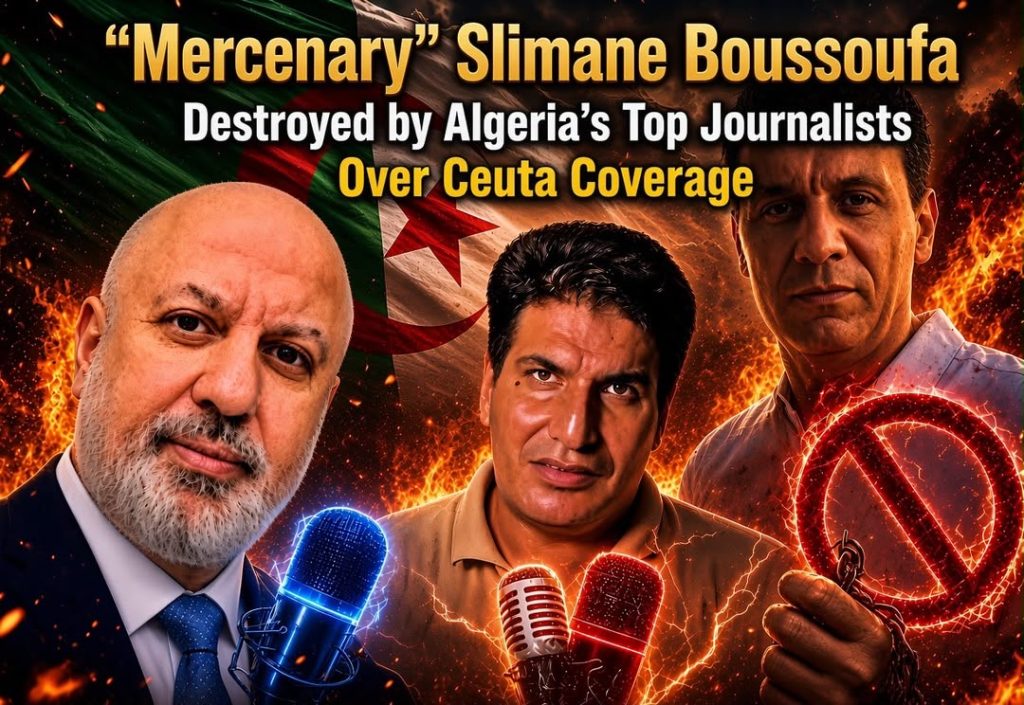
“Mercenary “Slimane Boussoufa Destroyed by Algeria’s Top Journalists Over Ceuta Coverage

“Mercenary “Slimane Boussoufa Destroyed by Algeria’s Top Journalists Over Ceuta Coverage

Slimane Boussoufa, “the Mercenary,” Under Heavy Fire from Algerian Journalists

Algeria Gate: Former Hespress and France 24 journalist Slimane Boussoufa has provoked widespread fury among Algerian journalists both inside the country and abroad.

His coverage of the Ceuta events has been condemned as unprofessional, crude, and driven by a clear anti-Algerian agenda laced with personal revenge.

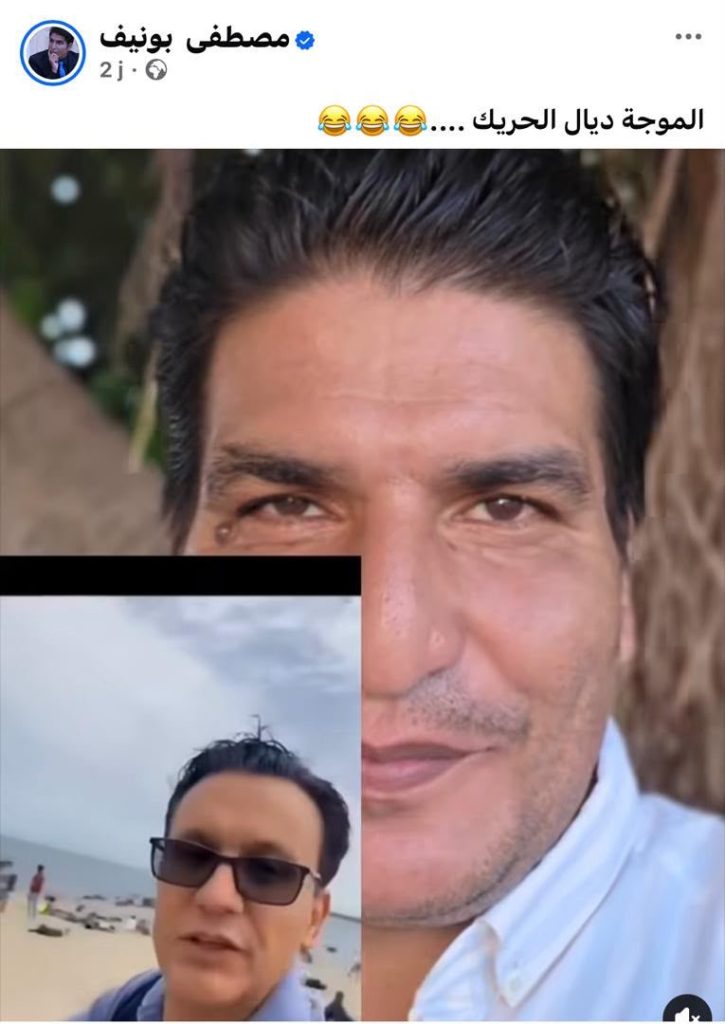
Two heavyweights of Algerian media Mourad Chebine and Mustapha Bounif have led the charge.

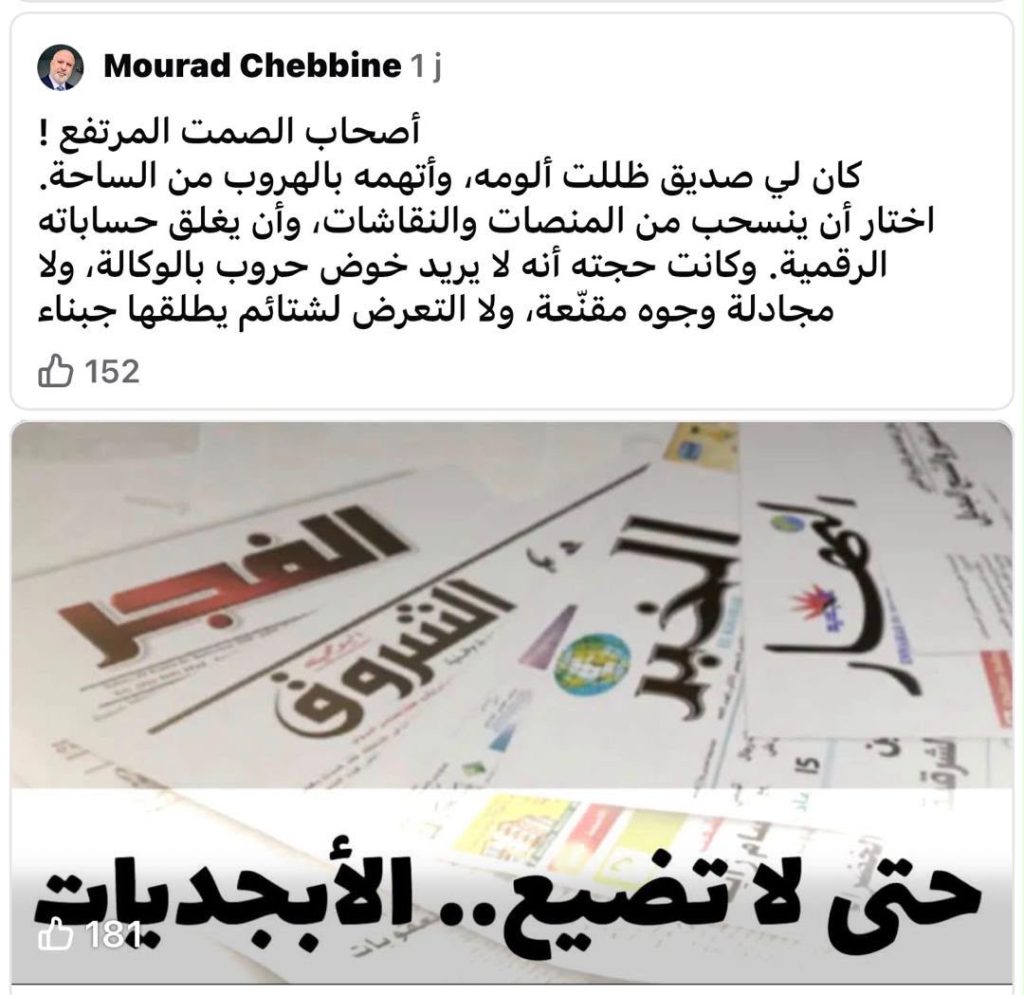
Mourad Chebine’s Brutal Professional Lesson

Mourad Chebine, the iconic face of Algerian television in the 1990s and a former senior figure at Sky News Arabia, delivered a masterclass in journalistic ethics without ever naming Boussoufa the classic method of heavyweights who refuse to elevate the unworthy.

He opened with a series of devastating questions:

“Is press freedom the right to cross the sea hunting for ‘harraga’ from your own country among tens of thousands of Moroccans who stormed Ceuta?

Is freedom of expression the right to threaten someone with exposing their private secrets simply because they disagree with your political stance?

Is it freedom to publish dubious information about a case still before the courts in order to steer public opinion or influence the course of justice?

Has lying become a point of view, blackmail investigative journalism, defamation courage, and the violation of privacy a right?”

Chebine continued with uncompromising clarity:

“These questions do not require lengthy answers.

They require a constant reminder that freedom is not a privilege without limits.

Journalism is not built by turning platforms into courts, nor by using people’s reputations and private lives as fuel for scoops and sensationalism.

Freedom of expression does not mean inventing facts, spreading lies, manufacturing hatred, forging images and documents, or exploiting information for blackmail.”

He concluded with a line that cuts deep:

“These are not restrictions invented by any authority to muzzle journalists.

They are the most basic foundations of a press that understands its mission.

Professional ethics are not measured by what others do, but by what we ourselves have sworn to respect.

Governments change, laws change, balances of power shift.

One thing must never change: a journalist does not derive the honour of the profession from how far he is willing to go, but from how much he deliberately chooses not to cross.

There are lines that, once crossed, do not merely bring down journalism — they destroy the very meaning for which freedom was created.”

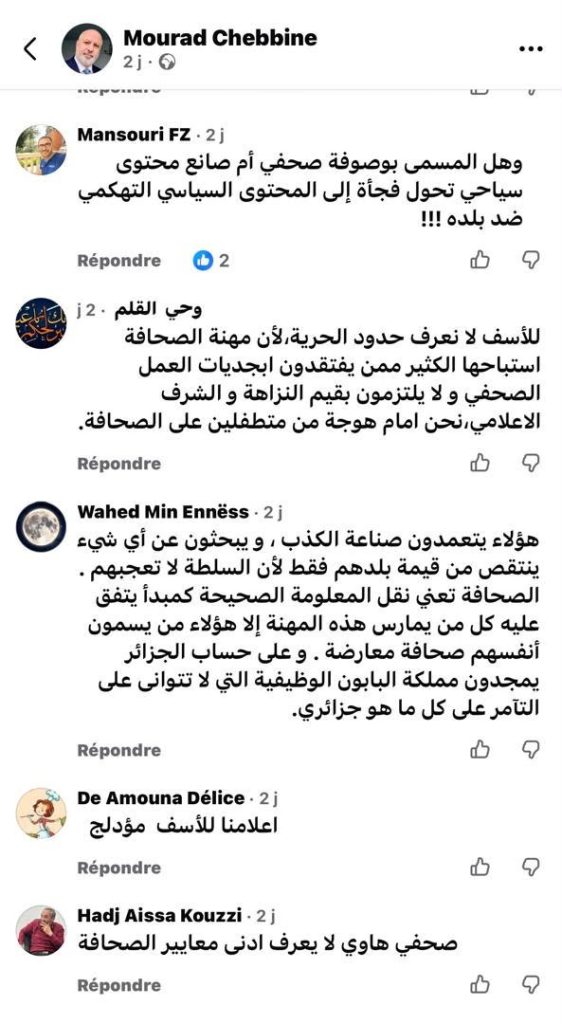
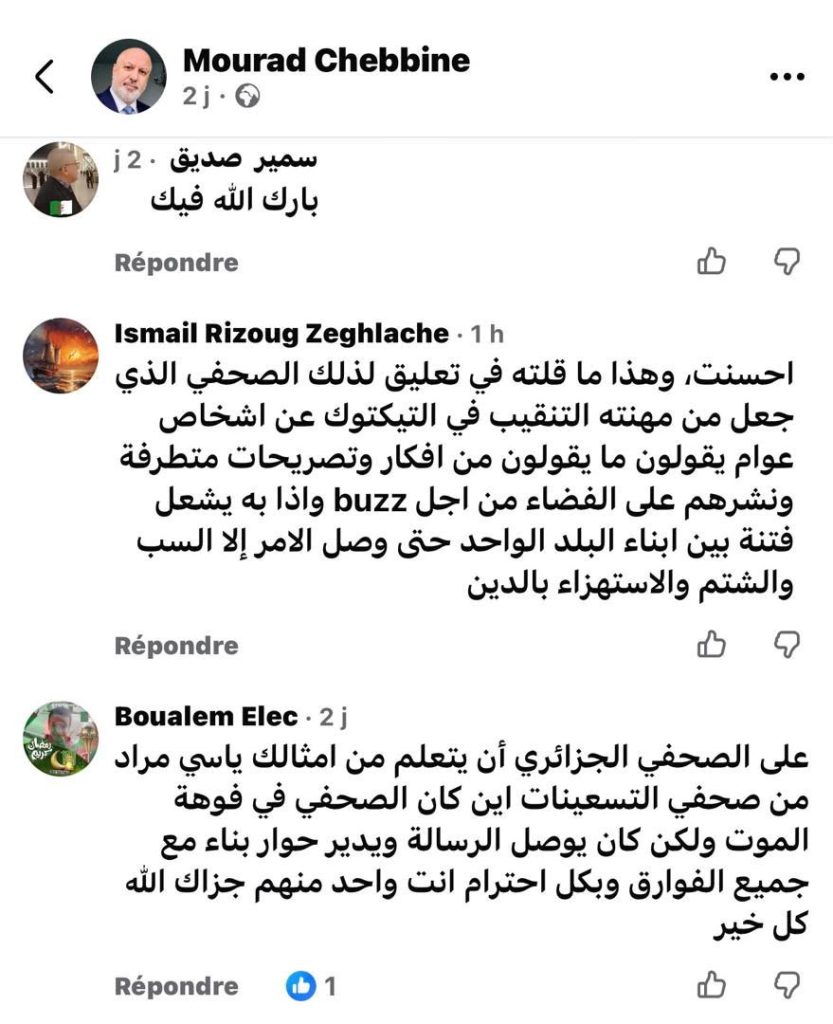
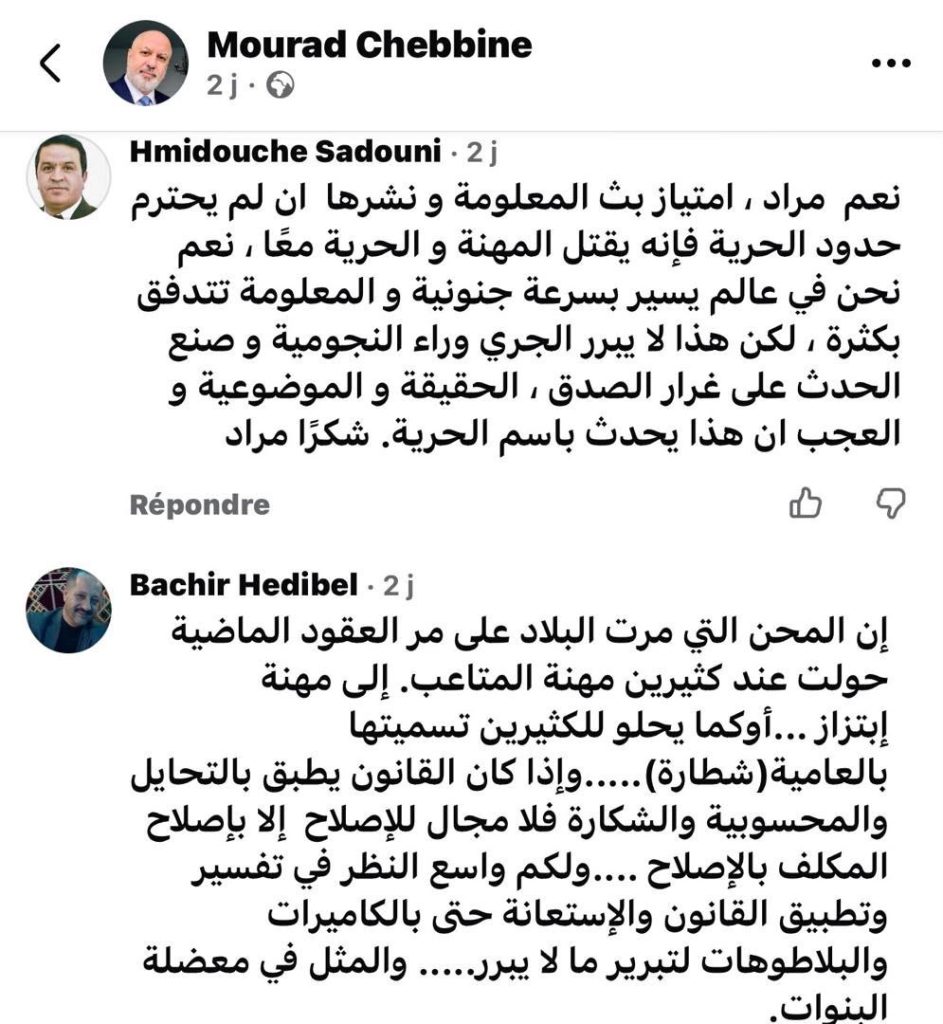
Chebine’s post was met with near-unanimous support from fellow journalists.

Mustapha Bounif Delivers the Final Blow

Influential journalist Mustapha Bounif finished the job with a video that leaves little room for escape.

He asked Boussoufa a simple, devastating question: where is the proof that the young man he interviewed in Ceuta was actually Algerian?

The man’s accent was unmistakably Moroccan.

The T-shirt he was wearing carried the word

“Casablanca” in Latin letters.

Bounif forced viewers to confront the obvious: why would an Algerian “harraga” wear a shirt bearing the name of a Moroccan city?

And would that detail have worked in his favour if Spain had decided to send him back with the rest of the group?

Boussoufa, it seems, never noticed.

A Journalist Against His Own Country

There is a reason this kind of coverage is possible.

When Moroccan authorities grant an Algerian journalist access to cover such a sensitive event on their soil, it is rarely an act of journalistic neutrality.

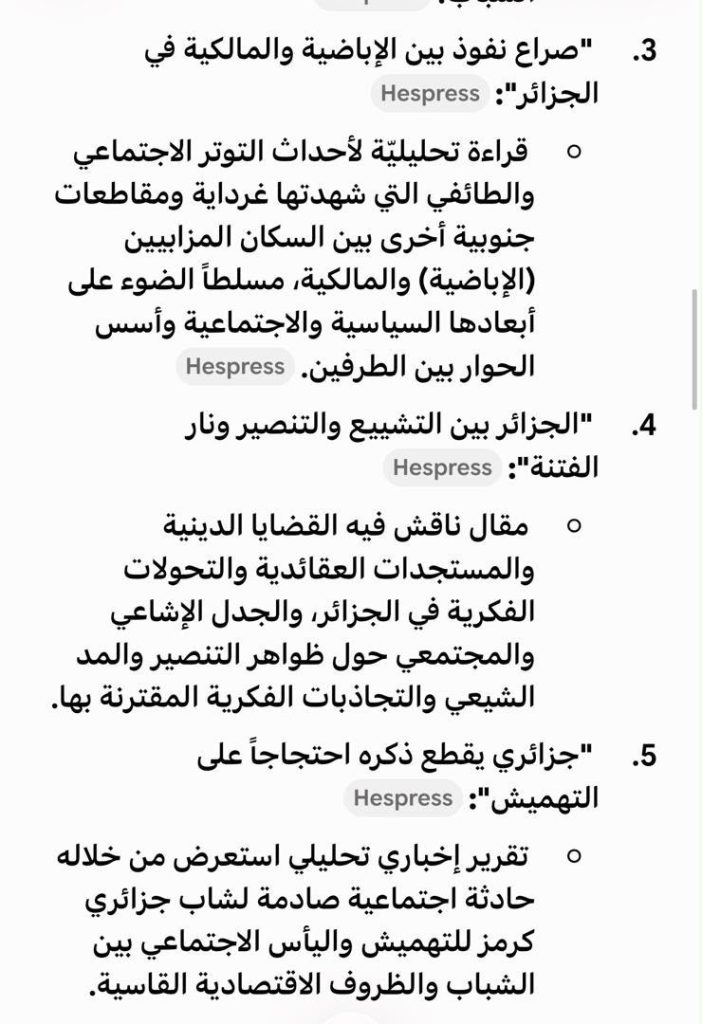
Boussoufa’s earlier work for Hespress between 2008 and 2010 particularly his articles on communal tensions in Algeria  already revealed a pattern of extreme hostility.

A journalist from the Mozabite community of Ghardaïa who left Algeria and then used hostile foreign platforms (Moroccan and French) to pour fuel on internal divisions is not a common occurrence.

In Boussoufa’s case, it appears unique.

There is a clear difference between a professional journalist and an unethical one.

The professional works within the rules, without tricks.

The other needs a certain cunning to obscure the absence of ethics and to confuse the public.

But that cunning rarely fools actual professionals.

In this case, it did not

#Algeria#Morocco
Author
بوابة الجزائر
African coast
Share this post

Tebboune’s Southern Rail Vision: Algeria’s 2,400-Km Push into the Sahara

Tebboune’s Southern Rail Vision: Algeria’s 2,400-Km Push into the Sahara

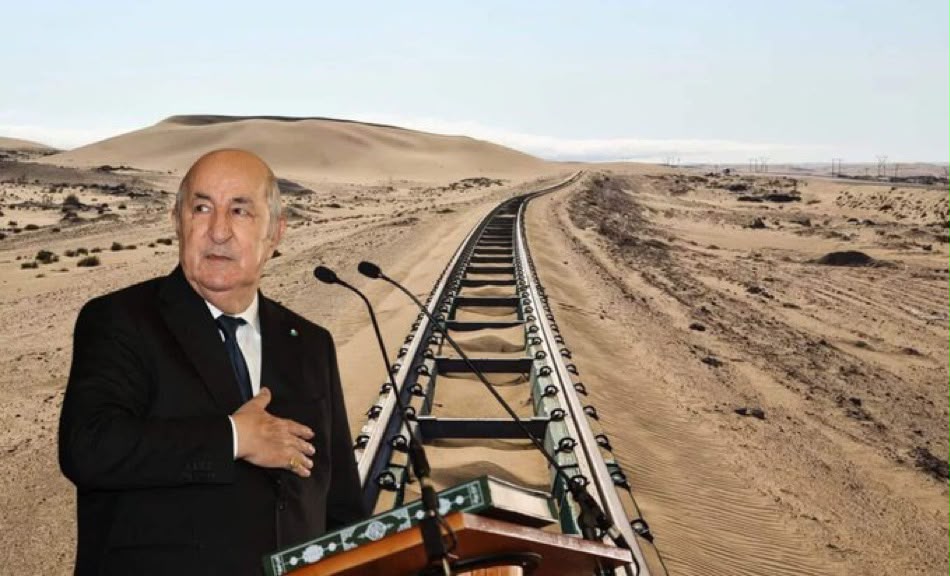
Algeria is moving ahead with one of the most ambitious infrastructure projects of President Abdelmadjid Tebboune’s development agenda: the extension of the national railway network deep into the country’s southern territories, culminating in Tamanrasset.

https://twitter.com/algatedzEng/status/2086425036554940795?s=20

The Algiers–Tamanrasset railway project is designed to connect the capital with the deep South through Laghouat, Ghardaia, El Meniaa, In Salah and Tamanrasset. President Tebboune announced that the line is expected to enter service by the end of 2028, placing the project at the heart of Algeria’s strategy to strengthen territorial integration and accelerate development in the Sahara.

A Railway Across 676 Kilometres of Desert

One of the most important sections is the In Salah–Tamanrasset segment, stretching 676 kilometres. It forms part of the broader railway corridor linking northern Algeria with Tamanrasset, which spans more than 2,400 kilometres across several sections. Another major section, between El Meniaa and In Salah, covers approximately 410 kilometres.

According to specifications published in Algeria’s Official Gazette on August 6, 2026, and confirmed in reporting by TSA-Algérie, the In Salah–Tamanrasset section is planned to include seven railway stations, 12 crossing stations and 26 viaducts, alongside major road and hydraulic structures.

Passenger trains are expected to reach speeds of up to 220 km/h, while freight trains could operate at speeds of around 100 km/h, giving the project both a passenger-transport and economic-logistics dimension.

More Than a Railway Project

For Tebboune, the railway is not simply about connecting distant cities. It is part of a broader vision aimed at integrating Algeria’s vast southern territory into the national economy.

The project is expected to facilitate the movement of people and goods, improve access to markets and services, and support investment in the South. The railway has also been described as a potential logistics corridor linking northern Algeria with its African hinterland, strengthening the country’s position as a continental transport hub.

The strategic importance becomes even clearer when viewed alongside Algeria’s other major southern infrastructure projects, particularly the Trans-Saharan Highway and the development of industrial, mining and agricultural activities across the Sahara.

Financing the Corridor: An African Development Partnership

The project’s financing strategy also highlights the importance of African financial institutions in Algeria’s long-term infrastructure plans.

On July 13, 2026, the African Development Bank’s Board approved a $878.09 million loan for the second phase of the Laghouat–Ghardaïa–El Meniaa railway line, covering the approximately 230-kilometre Ghardaïa–El Meniaa segment.

This follows a €747.32 million AfDB loan approved in December 2025 for the first phase of the project. Together, the two commitments represent major AfDB support for the development of the railway corridor.

According to the African Development Bank, the financing is aimed at supporting Algeria in building strategic railway infrastructure capable of driving economic transformation, territorial connectivity and regional integration.

The role of African development financing is particularly significant given President Tebboune’s longstanding position on foreign borrowing. While his government has maintained a cautious approach toward conventional external debt, Algeria has continued to pursue financing partnerships with African and multilateral institutions for major, long-term infrastructure projects.

Tebboune’s Bet on the Grand South

The railway reflects a central element of President Tebboune’s development approach: reducing the geographic and economic distance between Algeria’s northern population centres and its immense southern territory.

In April 2026, Tebboune’s decision to extend the railway toward Tamanrasset was welcomed in the region, with local residents describing the project as an opportunity to open a new phase of sustainable development.

Preparatory work has since accelerated. In June, the authorities announced preparations for the Ouargla–In Salah–Tamanrasset railway section, while a dedicated monitoring committee was established to oversee implementation.

With construction scheduled to begin by September 2026 at the latest, the project is emerging as one of the defining infrastructure bets of Tebboune’s second-term development agenda.

https://twitter.com/algatedzEng/status/2086184138969665740?s=20

From National Integration to African Connectivity

Ultimately, the Algiers–Tamanrasset railway could represent more than the extension of Algeria’s rail network into the Sahara.

By connecting the northern economic centres with the deep South, the project could create a stronger internal logistics chain while reinforcing Algeria’s geographic position as a gateway between the Mediterranean and sub-Saharan Africa.

The railway could also facilitate the movement of agricultural and mining products from southern production zones toward national and regional markets, while strengthening connections with the wider Trans-Saharan transport network.

For President Tebboune, the railway is therefore not merely a transport project. It is a strategic bet on the South and on Algeria’s future role as a continental economic and logistics hub.

Author
yasmine ouazib