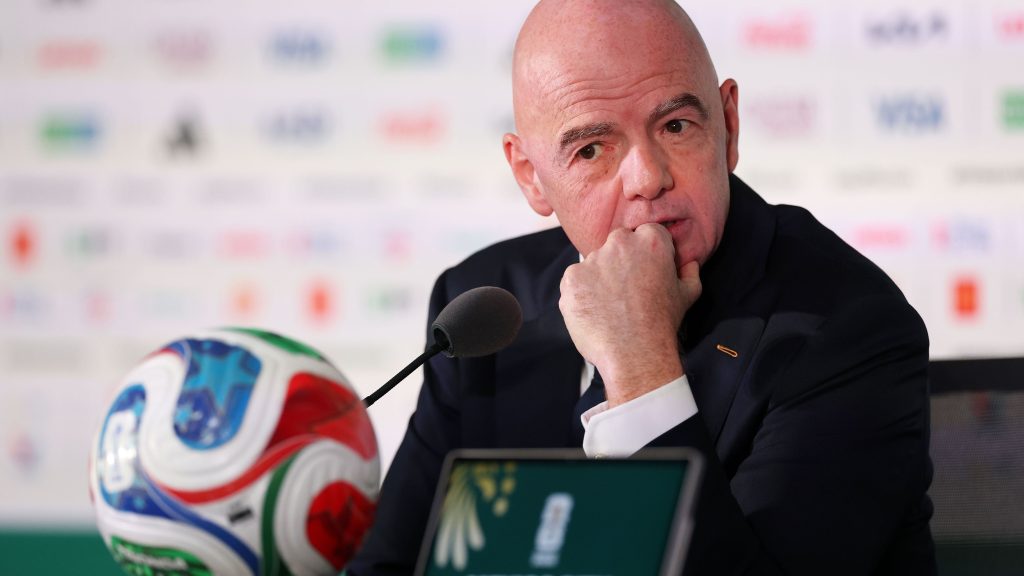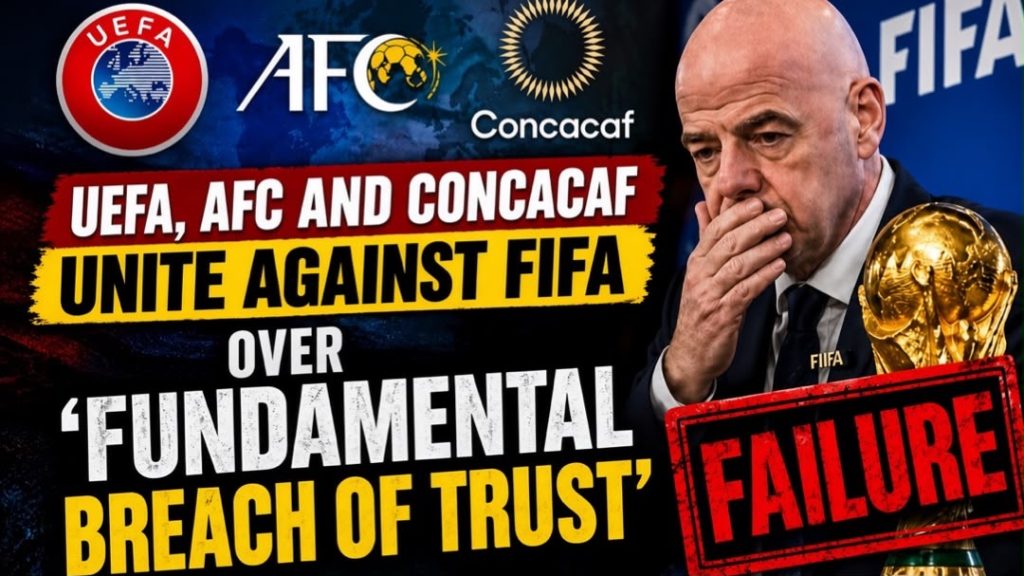


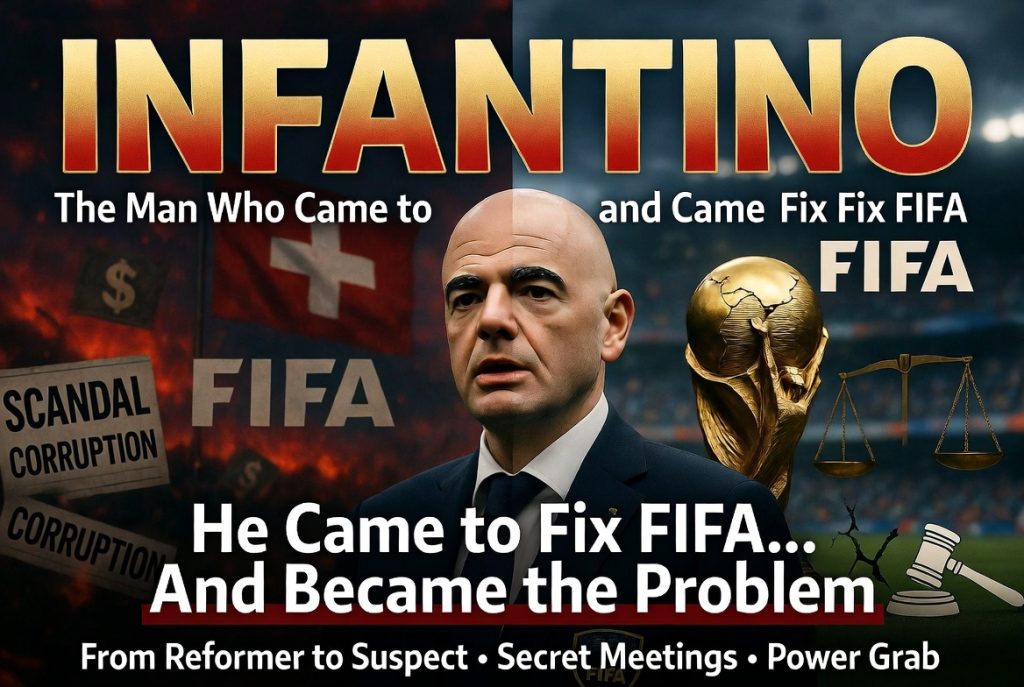
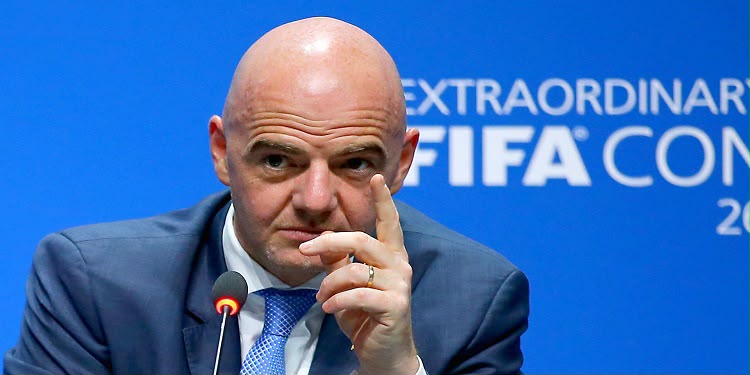
Gianni Infantino arrived in 2016 carrying a single message: “I am not Blatter.” The logic was simple FIFA was burning in corruption scandals, and he was the rescue. Ten years later, the record tells a very different story.
First Move: Kill the Oversight
In May 2016, at his very first congress as president, Infantino slipped in a last-minute amendment granting FIFA’s Council which he chairs the power to appoint and dismiss members of the supposedly independent ethics and compliance committees. Transparency International publicly criticized the move, warning that stripping these bodies of independence sent a dangerous signal, regardless of the justifications offered.
The immediate consequence: Domenico Scala, FIFA’s reform architect and compliance chief, resigned on the spot in protest, stating that the move “undermines a central pillar of FIFA’s good governance and destroys a substantial achievement of the reforms.” 
In 2017, those who remained were next. Ethics investigator Cornel Borbély and adjudicatory chair Hans-Joachim Eckert the two faces of post-2015 reform were pushed out, and both described their removal as “political.” FIFA governance committee chairman Miguel Maduro was ousted at the same time, despite or perhaps because of having made decisions that touched on sensitive political interests.
Swiss law professor Mark Pieth, one of the foremost experts on FIFA governance, reached a blunt conclusion: “The reform process is dead.” 
Second: Secret Meetings, a Resigned Attorney General, and a Criminal Investigation
Between 2016 and 2017, Infantino held a series of undisclosed meetings with Swiss Attorney General Michael Lauber — the very man overseeing the sweeping criminal investigation into FIFA corruption. The meetings involved allegations of abuse of public office, breach of official secrecy, and assisting offenders.  Both men later claimed they could not recall what was discussed.
Lauber lost his job as Switzerland’s top federal prosecutor in 2020, after being found to have misled and obstructed the oversight body monitoring federal prosecutors directly because of the Infantino meetings.
In July 2020, a Swiss special prosecutor formally opened criminal proceedings against the sitting FIFA president, concluding there was sufficient evidence of potential criminal conduct.  The man brought in to restore FIFA’s credibility was now himself a criminal suspect.
The proceedings were eventually closed in 2023 without charges. Infantino declared it “a full and clear victory.”  What he did not address: the attorney general who met him in secret had already been forced to resign. The damage to the institution was real, regardless of his own legal outcome.
Third: The Ethics Complaint He Triggered by Handing Trump a Trophy
In December 2025, at the World Cup 2026 draw ceremony, Infantino presented Donald Trump with a gold trophy, a gold medal, and a certificate, telling him: “This is your prize; this is your peace prize.” 
Multiple sources familiar with the process said the FIFA Council and its vice-presidents were not consulted and had no involvement in the creation of this “peace prize,” and that it was not discussed at any prior FIFA Council meeting.  Senior board members were reportedly blindsided.
Human rights organization FairSquare filed a formal ethics complaint with FIFA’s Ethics Committee, accusing Infantino of repeated breaches of the political neutrality obligations in FIFA’s Code of Ethics — and stating that if he acted unilaterally and without statutory authority, this should be considered an egregious abuse of power. 
The response from FIFA’s ethics committee? Silence. Which leads to the obvious question: who exactly is running that committee now?
Fourth: Michel Platini’s Criminal Complaint Filed Days Before the World Cup
Michel Platini, acquitted in Swiss courts, alleges that Infantino then a senior UEFA official and others orchestrated false accusations to eliminate him from the FIFA presidential race.
Just days before the 2026 World Cup kicked off, Platini’s lawyers filed a criminal complaint and a civil lawsuit seeking damages, naming Infantino alongside former FIFA legal director Marco Villiger, former audit committee chairman Domenico Scala, and former Swiss Attorney General Michael Lauber. 
Infantino has not publicly responded. The timing on the eve of the biggest World Cup in history was not accidental.
The Pattern
This is not a story of isolated incidents. It is a consistent pattern: independent oversight dismantled in year one, secret meetings with the prosecutor investigating your organization, an ethics complaint filed over a unilateral political stunt, and a criminal complaint from his predecessor alleging he was framed.
None of this has produced a final conviction. But in the world of institutional credibility, the standard is not only guilt beyond reasonable doubt. It is also whether the man running global football has any moral authority left to run it.
On that question, the answer is harder and harder to defend.