Sunday, 18 October 2026 • 21:44 Algiers time
Algeria Gate
News Room
Cameron Hudson: UAE is virtually the sole backer of the RSF..without its support the war in Sudan would not continue Algeria-Niger: Official launch of Trans-Saharan fibre optic link Five minutes of lament over Algeria: Amar Belani exposes CNEWS’s real obsession Algerian courts hand down first death sentences under new drugs law Ségolène Royal’s masterclass on Algeria against an ignorant and demagogic journalist President Tebboune and senior officials receive the remains of Boualem Boualem in Algiers NAPEC 2026 in Oran: Algeria at the Heart of Africa’s and the Mediterranean’s New Energy Landscape Pegasus Files: Amnesty Uncovers Morocco’s Espionage Against Spain President Tebboune Orders Salary Increases in Algeria’s 2027 Budget, Rules Out New Taxes on Citizens Algeria Emerges as a Trusted Power for Regional Peace and Stability
Share this post

Mohammed VI opens his palaces to an Israeli minister accused of insulting the Prophet Mohammed

• Author: Lys Iwannughen • 0 comments • 43 views
Mohammed VI opens his palaces to an Israeli minister accused of insulting the Prophet Mohammed

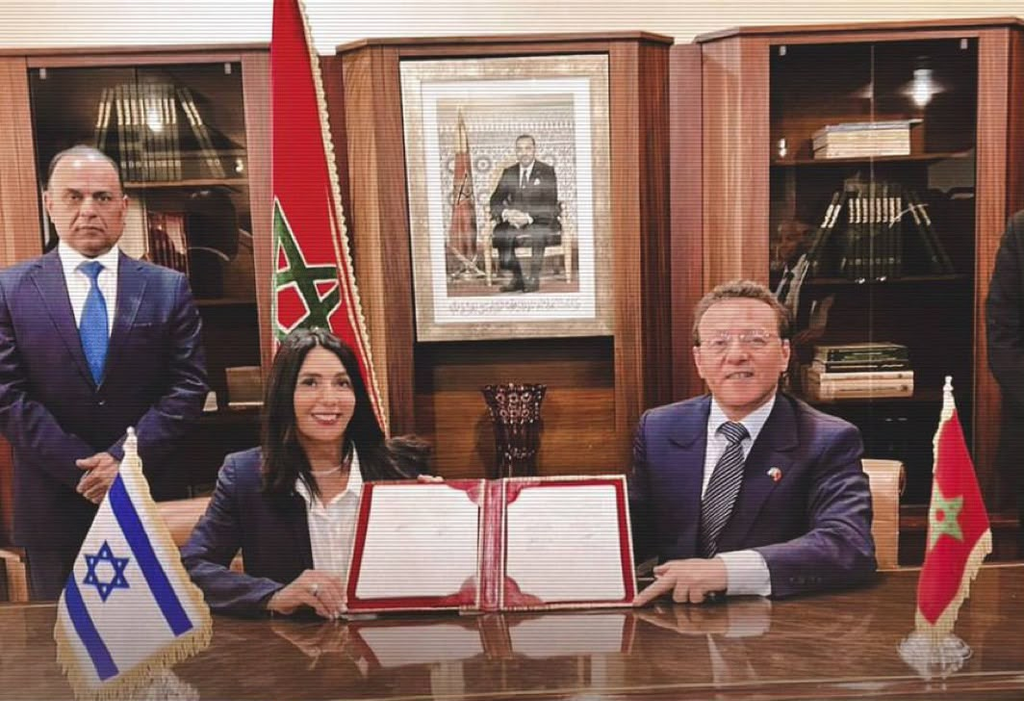
Algeria Gate: The reported invitation by Moroccan King Mohammed VI to Israeli Transport Minister Miri Regev to stay at one of his royal palaces in Marrakech has triggered controversy in Morocco. The invitation, reportedly extended during celebrations marking the birth of the Prophet Mohammed (peace and blessings be upon him), has drawn particular criticism from Moroccan activists opposed to normalization with Israel.


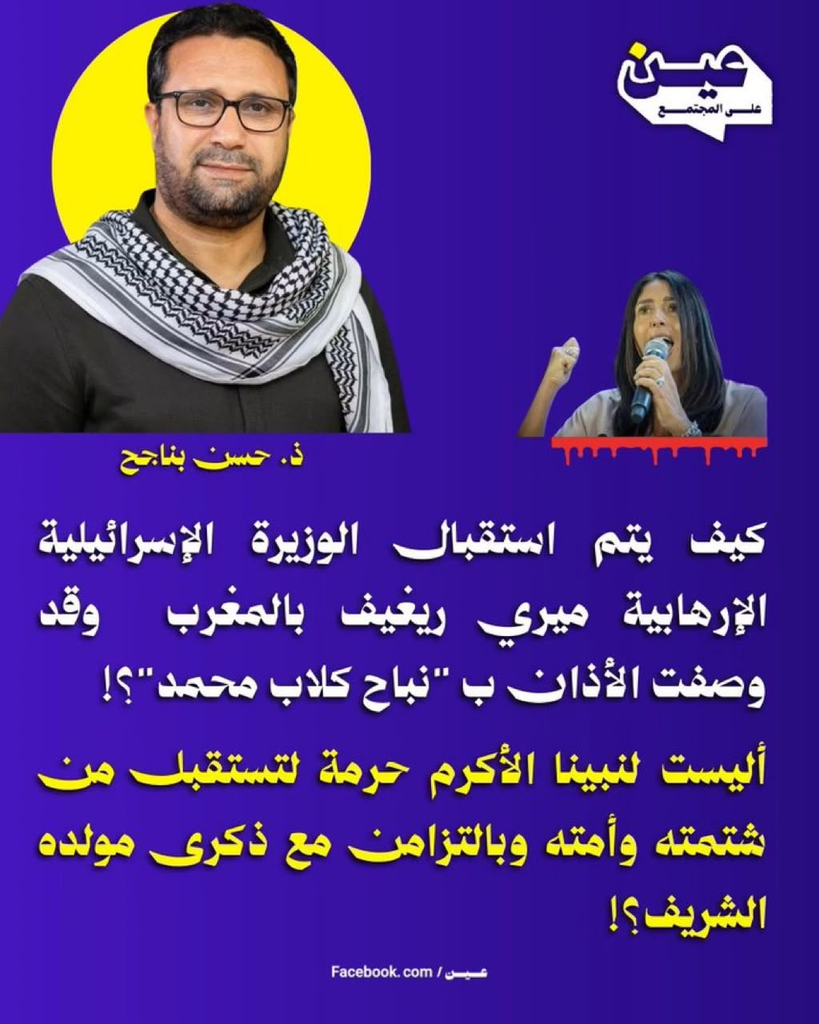
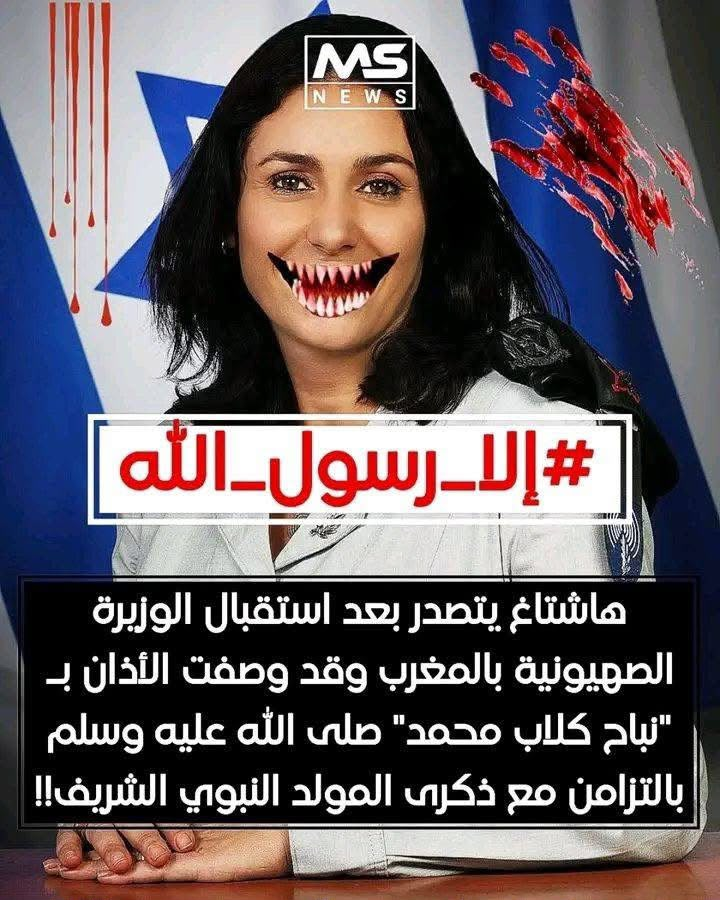
This visit comes as Miri Regev is regularly criticized for statements judged hostile to Islam and Muslims. In 2018, she was notably accused of making offensive remarks about the call to prayer, comparing it to “the barking of Mohammed’s dogs.”

Of Moroccan origin, the Israeli minister regularly visits Morocco, particularly in connection with visits related to the kingdom’s Jewish heritage. Her presence in Marrakech, however, occurs in a particularly sensitive context, marked by the war in Gaza and ongoing tensions in the Middle East.
Mohammed VI opens his palaces to an Israeli minister accused of insulting the Prophet Mohammed

Regev has also publicly claimed her support for operations carried out by Israel against activists of the Global Sumud Flotilla, a humanitarian initiative aimed at delivering aid to Gaza. She had published a video showing the arrival at the port of Ashdod of several detained activists, accompanied by a message presenting them as “supporters of terrorism” according to her own description.

In Morocco, this visit has angered several anti-normalization activists. Some denounce what they see as a contradiction between the religious dimension claimed by the Moroccan monarchy and the welcome extended to a controversial Israeli political figure.
Mohammed VI opens his palaces to an Israeli minister accused of insulting the Prophet Mohammed

On social media, the hashtag #إلا_رسول_الله (“Except the Prophet of God”) has been widely shared by Moroccan internet users in the run-up to Mawlid. Opponents of the visit are calling for public denunciation of Miri Regev’s presence in Morocco and a reaffirmation of their opposition to the normalization agreements with Israel.
Mohammed VI opens his palaces to an Israeli minister accused of insulting the Prophet Mohammed

The controversy thus goes beyond the Israeli minister’s visit alone: it revives the debate in Morocco over relations with Israel, while Israeli military operations continue in Gaza and the situation remains extremely tense in several countries in the region.


#Israel#Morocco
Author
Lys Iwannughen
View my articles

Leave a comment

Your email address will not be published. Required fields are marked *

Maghrebi files
Share this post

Security Scandal in Morocco: Thousands of Agents at Risk of Data Exposure

Security Scandal in Morocco: Thousands of Agents at Risk of Data Exposure

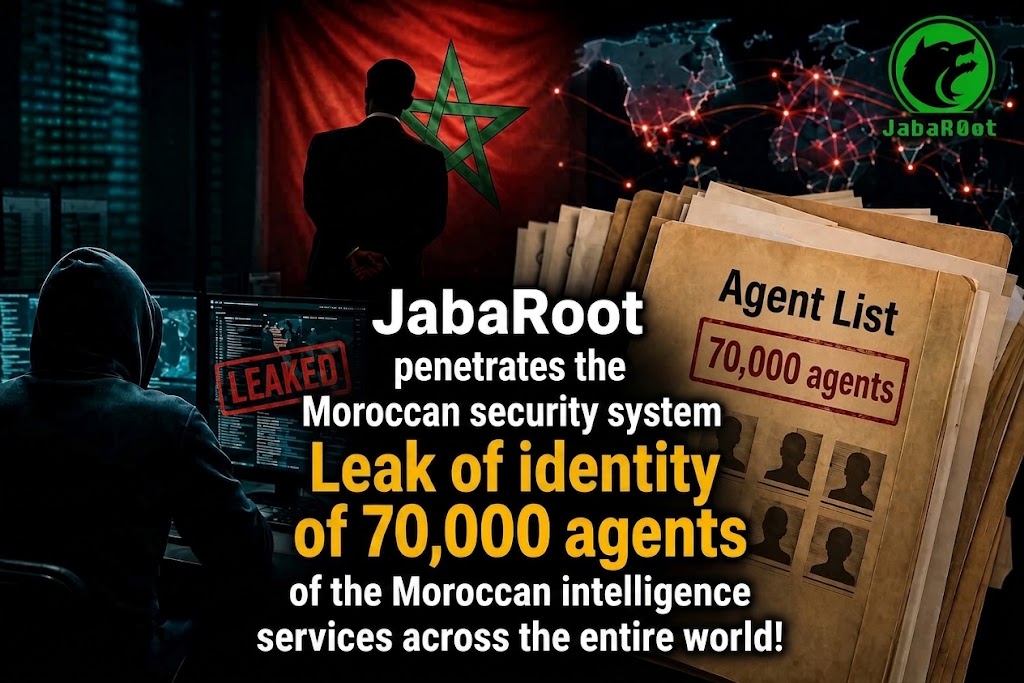
Algeria Gate: A new cybersecurity affair is shaking Morocco. The hacker group JabaROOT claims to have obtained data belonging to members of the Moroccan security services and is threatening to make public the information of several tens of thousands of agents.

According to several media outlets that have reported on this matter in recent days, the group claims to hold a database containing around 70,000 names linked in particular to the General Directorate of Territorial Surveillance (DGST) and the General Directorate of National Security (DGSN). To support its statements, JabaROOT is said to have already published a sample including the names and dates of birth of about twenty people presented as DGST officers.

A threat that strikes at the heart of the security apparatus

If the existence and authenticity of the entire database were to be confirmed, the affair would constitute a serious threat to the security of the individuals concerned and to Moroccan intelligence systems.

https://twitter.com/algatedzEng/status/2091852145544827065?s=20

The potential publication of personal data associated with agents operating in Morocco or abroad could, in particular, expose their identities, career paths, and professional networks. At this stage, however, the figure of 70,000 agents and the entirety of the claimed data remain assertions by the hacker group and cannot be considered definitively established.

JabaROOT, a group already known for its attacks

This new threat comes in a context marked by several precedents. JabaROOT is presented as a collective active since 2025 that has already claimed several operations against Moroccan institutions.

One of the most significant cases involved the National Social Security Fund (CNSS), whose data relating to nearly two million people were exposed following a cyberattack. The CNSS had confirmed the existence of the attack while contesting the accuracy of certain information that was circulated.

New pressure on the Moroccan authorities

The claim also comes amid high tensions surrounding security and the migration crisis in Ceuta. According to information reported by the press, JabaROOT is said to have linked its threat to several political demands and used this affair to call into question the functioning of the Moroccan security apparatus.

The matter is therefore being followed closely, but several questions remain open: What is the exact origin of the claimed data? How much information was actually exfiltrated? And above all, do the files presented by the group actually correspond to internal databases of the DGST and DGSN?

For the time being, it is necessary to distinguish the elements that have actually been published from the assertions of the hacker group. An independent and official confirmation of the scale of the leak would be required before concluding that 70,000 agents have been compromised.

If the claim were nevertheless confirmed in its entirety, it would represent one of the most significant data security crises ever associated with the Moroccan security apparatus.

#JabaROOT#Morocco
Author
Lys Iwannughen
View my articles
Europe
Share this post

Drug War at Sea: Moroccan Hashish Runners Clash With Spanish Forces

Drug War at Sea: Moroccan Hashish Runners Clash With Spanish Forces

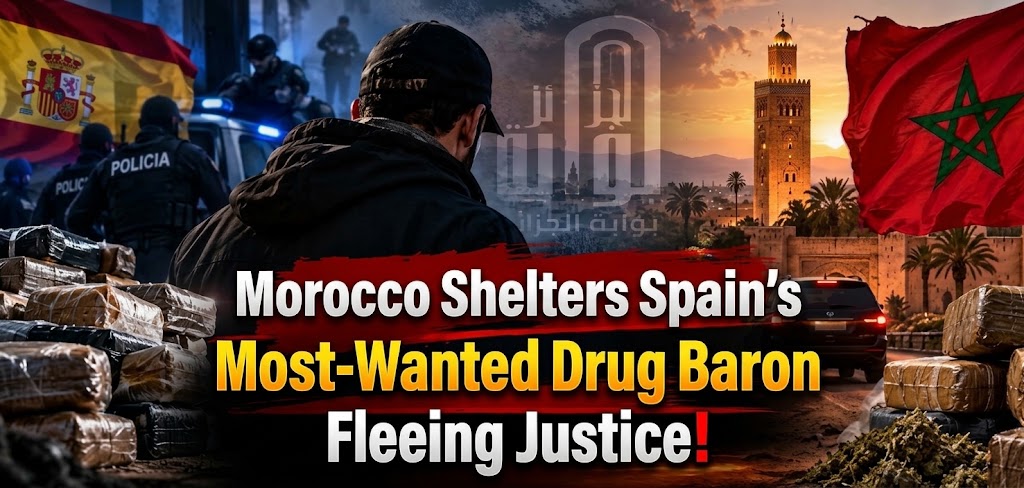
Algeria Gate: A routine drug bust off the coast of Huelva turned violent this week, exposing just how far Morocco-linked hashish smuggling networks are now willing to go to protect their cargo.

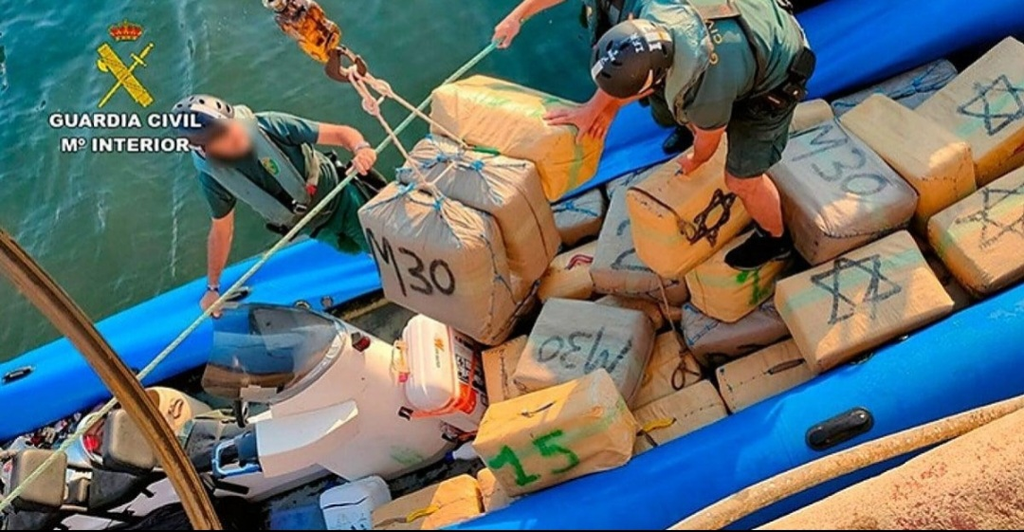
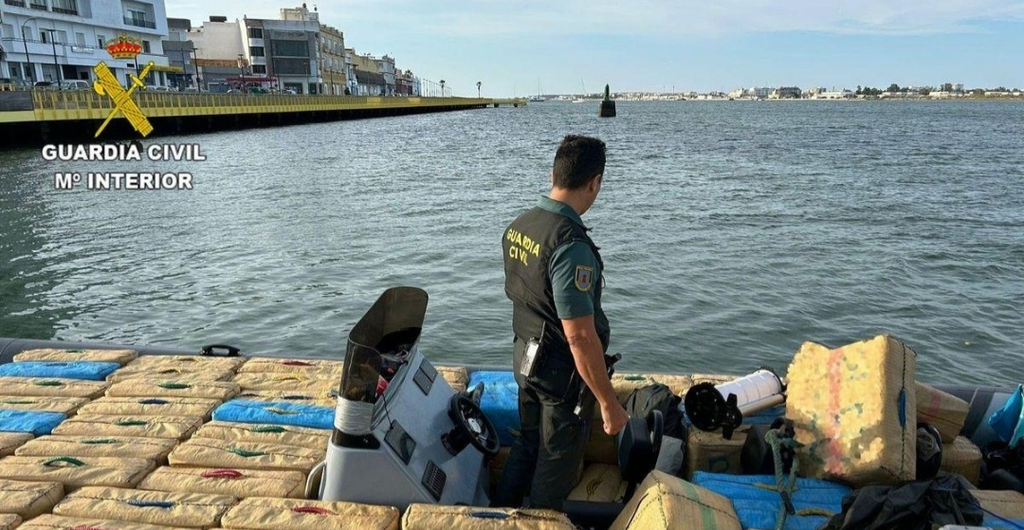
Spain’s Civil Guard said the operation began Monday when a maritime patrol, working with customs surveillance agents, spotted a semi-rigid boat suspected of running drugs and gave chase. The smugglers responded with reckless maneuvers on open water, dumping part of their load overboard before opening fire on the pursuing officers; a level of aggression rarely seen even in a region well accustomed to drug-running.

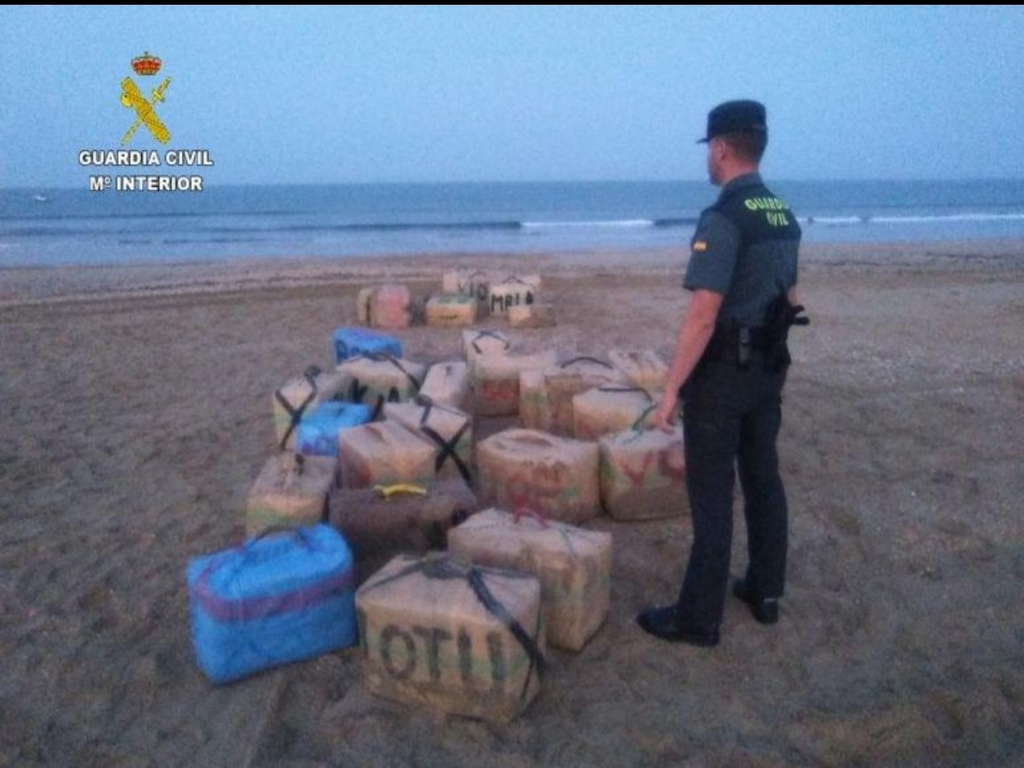
Guards returned fire, wounding one suspect, but the boat escaped after the patrol vessel broke down. Spanish forces spent the following days hunting for the crew and the missing cargo. By Thursday, they had located and intercepted both the original boat and a second vessel that had been backing it up at sea. Nine people were arrested and nearly six tons of hashish seized. A tenth suspect, shot during the earlier clash, was later found abandoned on the Cádiz coast and hospitalized.

In total, the operation netted ten arrests, roughly 5,926 kilograms of hashish and two speedboats, but more strikingly, it confirmed what Spanish authorities have increasingly warned: smuggling networks along the southern coast are no longer just evading patrols, they’re arming themselves to fight through them.

Drug War at Sea: Moroccan Hashish Runners Clash With Spanish Forces

The Huelva bust wasn’t isolated. Earlier this month, Spanish police dismantled a separate network moving hashish and marijuana from Morocco, arresting 57 people across six provinces and seizing over 10.5 tons of hashish, 1.1 tons of marijuana, plus weapons, vehicles and cash. Days later, a joint operation with Ecuadorian police and Europol broke up a cocaine-trafficking ring linked to Morocco, seizing more than 21 tons of the drug and arresting 43 people, including two Moroccans.

Drug War at Sea: Moroccan Hashish Runners Clash With Spanish Forces

Taken together, the cases point to a fast-evolving threat: what was once opportunistic maritime smuggling has hardened into organized operations with speedboats, weapons, logistics networks and the cash to move between regions freely. Spain, and Cádiz’s coast in particular, remains the primary gateway for Moroccan drugs entering Europe, and incidents like Huelva suggest the networks running that pipeline are growing bolder, better armed, and increasingly willing to fight rather than flee.

Drug War at Sea: Moroccan Hashish Runners Clash With Spanish Forces
#Morocco#Spain
Author
Lys Iwannughen
View my articles
Economy
Share this post

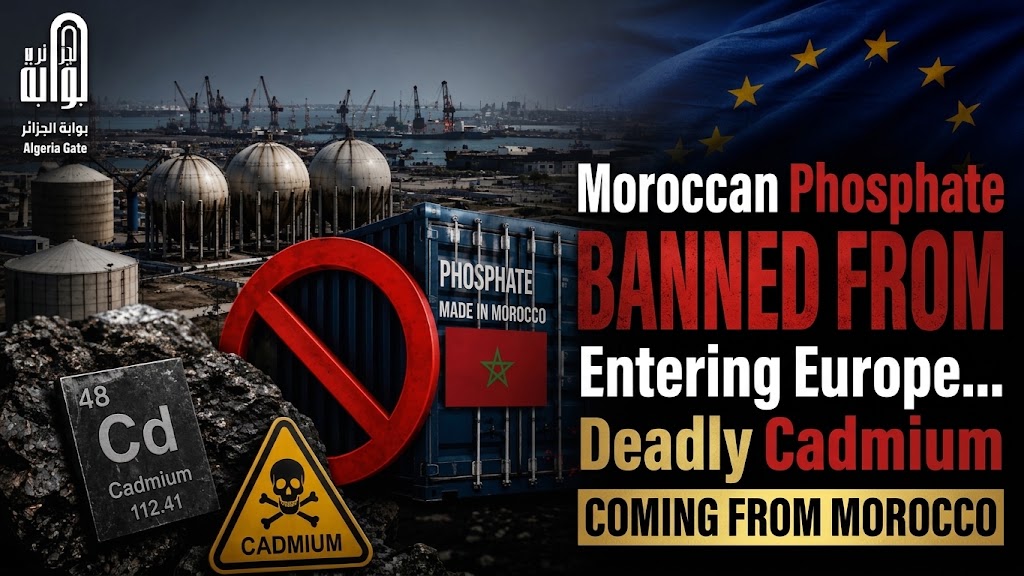
Moroccan Phosphate Banned from Entering Europe… Deadly Cadmium Coming from Morocco

Moroccan Phosphate Banned from Entering Europe… Deadly Cadmium Coming from Morocco

Algeria Gate: The Makhzen regime is facing growing challenges in maintaining its phosphate-derived fertilizer exports to European markets, amid rising concerns that these fertilizers may contain levels of toxic cadmium, a heavy metal that can migrate from soil into agricultural products and food, prompting warnings about its health and environmental risks.

In its natural state, phosphate contains cadmium, a heavy metal that is found in higher concentrations in phosphate deposits in Morocco, the United States, and Tunisia than in deposits in countries such as South Africa and Russia, according to data from the French health agency. The risks associated with this metal increase because it can migrate into agricultural soil and subsequently into food crops.

Cadmium is classified as a substance of health concern. It can cause damage to the kidneys, bones, and respiratory system and can increase the risk of cancer. It is a toxic heavy metal that occurs naturally in small quantities and can reach humans through air, water, and food. It can also accumulate in soil and agricultural crops, particularly when certain phosphate fertilizers containing high levels of cadmium are used.

The issue has become a public health concern in Europe, particularly in France, where calls have intensified for stricter controls on fertilizers imported from Morocco because of the potential risks they pose to agricultural products.

Faced with this pressure, the Moroccan Office Chérifien des Phosphates (OCP), which monopolizes the exploitation and processing of phosphate, attempted unsuccessfully to develop specific technologies to reduce cadmium levels in fertilizers destined for the European market. The group says the technology involves treating phosphoric acid and separating and isolating cadmium before it is used to manufacture fertilizers. However, this has not been enough to convince European health organizations, which have criticized the continued reliance on fertilizers imported from Morocco.

These measures have raised questions about cadmium levels in Moroccan fertilizers destined for markets outside the European Union, particularly since the company does not disclose the levels of this metal in all of its products. This has fueled concerns that different standards may be applied depending on the destination and market.

The Moroccan phosphate industry also faces environmental problems beyond cadmium, particularly those associated with fertilizer-production waste, most notably phosphogypsum, which contains heavy metals and acidic substances.

Between the risks posed by cadmium, European regulatory pressure, environmental problems, and supply disruptions, the phosphate sector produced by the Makhzen regime is entering a difficult period, while reducing toxic-metal levels has become an essential condition for maintaining its presence in the European market.

#Europe#Morocco
Author
Lys Iwannughen
View my articles