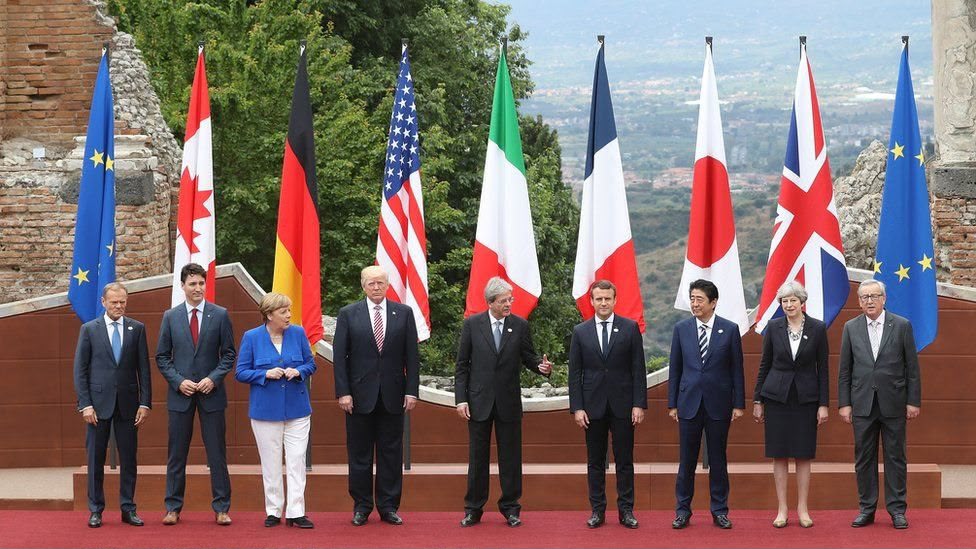
The G7 Summit is taking place from June 15 to 17, 2026, in Évian-les-Bains, France, at a time of growing geopolitical tensions and economic uncertainty.
World leaders are expected to focus on several pressing issues, including the war in Ukraine, rising tensions in the Middle East and the Strait of Hormuz, as well as the rapid development of artificial intelligence and its impact on the global economy.
The conflict in Ukraine remains one of the summit’s most important topics, with G7 leaders seeking to coordinate their policies and maintain support for Kyiv. Meanwhile, concerns over regional stability in the Middle East and potential disruptions to global energy supplies have added urgency to discussions.

Economic challenges are also high on the agenda. Leaders are expected to address slowing growth, inflationary pressures, and widening economic gaps between major powers. Artificial intelligence is another key subject, with growing calls for international cooperation to ensure the technology develops in a safe and responsible manner.
While G7 summits often generate major headlines and strong political statements, their real impact is often debated. Supporters argue that these meetings help coordinate policies among the world’s leading economies and influence global affairs. Critics, however, question whether such gatherings can deliver meaningful solutions to increasingly complex international crises.
In my view, additional sanctions and pressure measures alone are unlikely to resolve long\ standing conflicts. They may increase costs for targeted states, but they can also prolong confrontations and deepen economic hardship. Lasting solutions usually require a combination of pressure, diplomacy, and serious negotiations rather than relying on a single tool.